Running a cheese shop is, at its core, a storytelling business. Every wheel on your shelf has an origin, a maker, a milk type, an age, and a flavor profile that no price tag can fully capture. Customers who walk in already curious leave completely sold when they hear the story. But what about the buyer who researches online before visiting, or the wholesale client who needs to see your full range before booking a call? Turning your cheese shop range into a flipbook changes how people find you, trust you, and order from you. Flipbooks AI makes it possible to take your entire selection from a static PDF to an interactive, page-turning digital catalog that works on every device, shares via a single link, and costs nothing to update whenever your stock changes.
Why Paper Catalogs Are Costing You Sales
The hidden cost of printed materials
Printed catalogs feel premium until the moment a seasonal variety sells out or a price changes. A medium-size cheese shop might reprint materials two or three times a year. At even a modest print run, costs accumulate quickly, and the result often ends up in a drawer or recycled before a customer looks at it twice.
Beyond the direct cost sits the opportunity cost. When a customer searches online for artisan cheese in your area, a printed brochure sitting on your counter does nothing for them. A digital flipbook, embedded on your website or shared via a single link, is available whenever they need it, on any device, at any hour.
What customers check before they visit
Specialty food buyers research before they commit. They want to know:
- What varieties are available, particularly rare or seasonal options
- Tasting profiles and pairing suggestions, so they can plan around a dinner or gift
- Prices per unit or per 100g, especially for events and corporate orders
- Dietary information, such as vegetarian rennet or lactose-reduced options
- Whether you ship or offer click-and-collect
A well-built cheese catalog flipbook answers every one of those questions before a customer ever picks up the phone.
| Format | Update Cost | Shareable | Mobile-Friendly | Interactive |
|---|
| Printed catalog | High (reprint required) | No | No | No |
| Flat PDF | Free | Partial | Poor experience | No |
| Digital flipbook | Free to update | Yes, one link | Fully responsive | Yes |
| Social media post | Free | Yes | Yes | Very limited |
What Goes Into a Cheese Shop Flipbook
Core product pages
Every variety in your range deserves its own moment. A well-structured cheese catalog page typically includes:
- Name and origin (for example, Comté AOP, Franche-Comté, France)
- Milk type and rennet (pasteurized or raw, animal or vegetarian)
- Affinage (aged 12 months, 24 months, cave-aged, and so on)
- Flavor profile (mild, sharp, nutty, earthy, pungent)
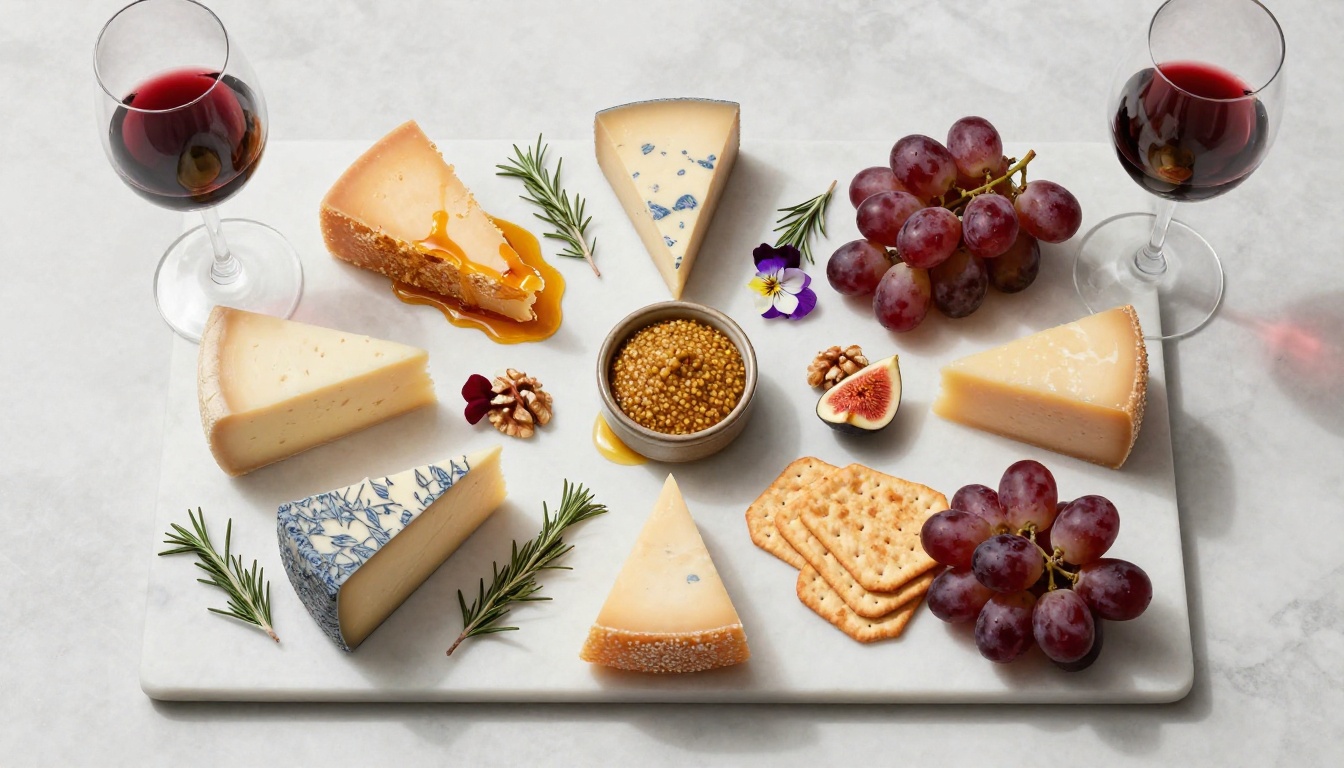
- Pairing suggestions (wine varieties, beer styles, fruit, charcuterie)
- Price per unit or per 100g
- Availability (year-round, seasonal, or limited allocation)
Consistency matters here. When every page follows the same structure, the catalog becomes scannable and professional, not a patchwork of different formats thrown together.
Pairing notes and flavor profiles
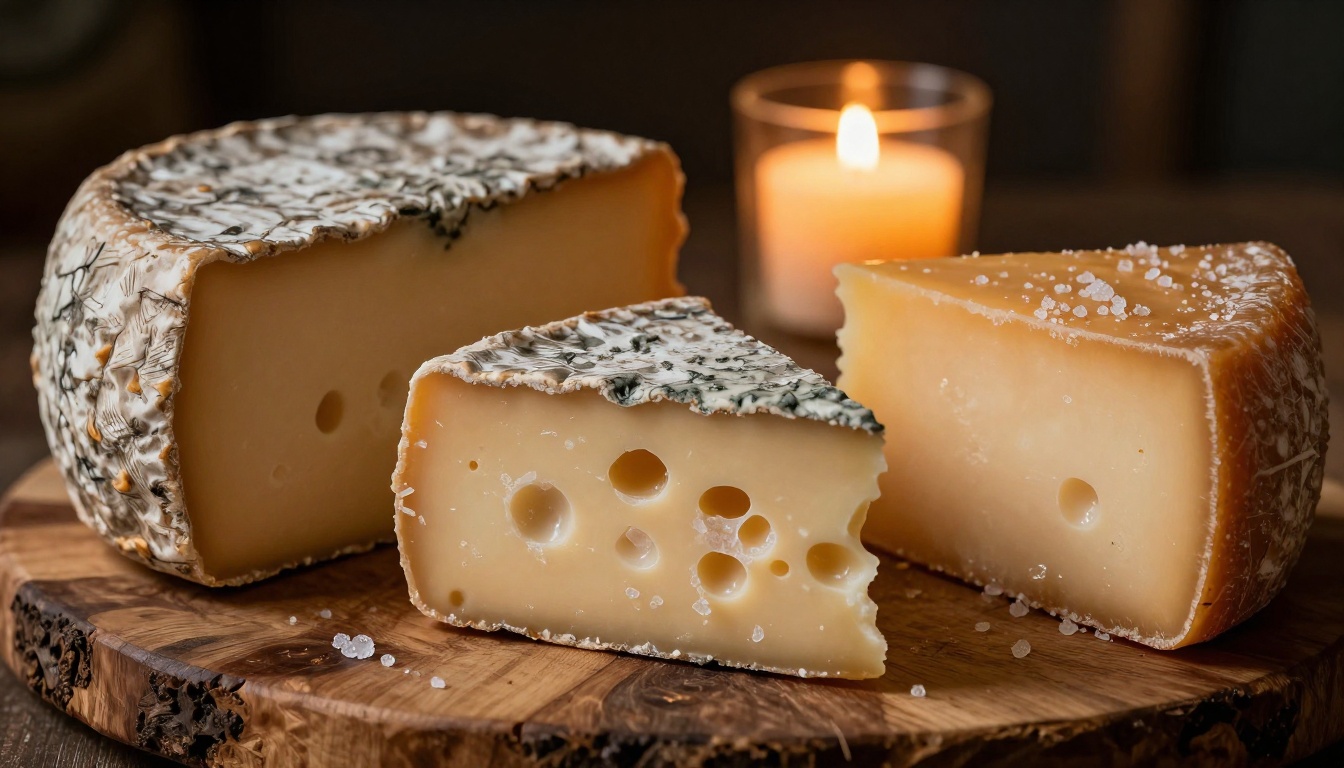
The most successful artisan cheese catalogs read almost like wine lists. Rather than just naming a variety, they describe the experience: the way a 24-month Comté has a crunch of tyrosine crystals, or the way a ripe Époisses fills the room with intensity. These details do the selling before a customer ever speaks to anyone on your team.
💡 Write each tasting note in the second person ("You will notice...", "It finishes with...") to make the reader feel like they are already tasting it.
Seasonal and limited editions
Your seasonal offering is one of your biggest competitive advantages over supermarkets. A flipbook carries a dedicated section for whatever is available right now: Mont d'Or in autumn, fresh chèvre in spring, cave-aged rarities arriving in winter. Since updating a digital flipbook costs nothing, you can refresh this section as often as your stock changes.
✅ Add a "New Arrivals" or "Right Now" spread at the front of your flipbook. Customers who return regularly will flip straight to it.
How to Organize Your Range
By milk type
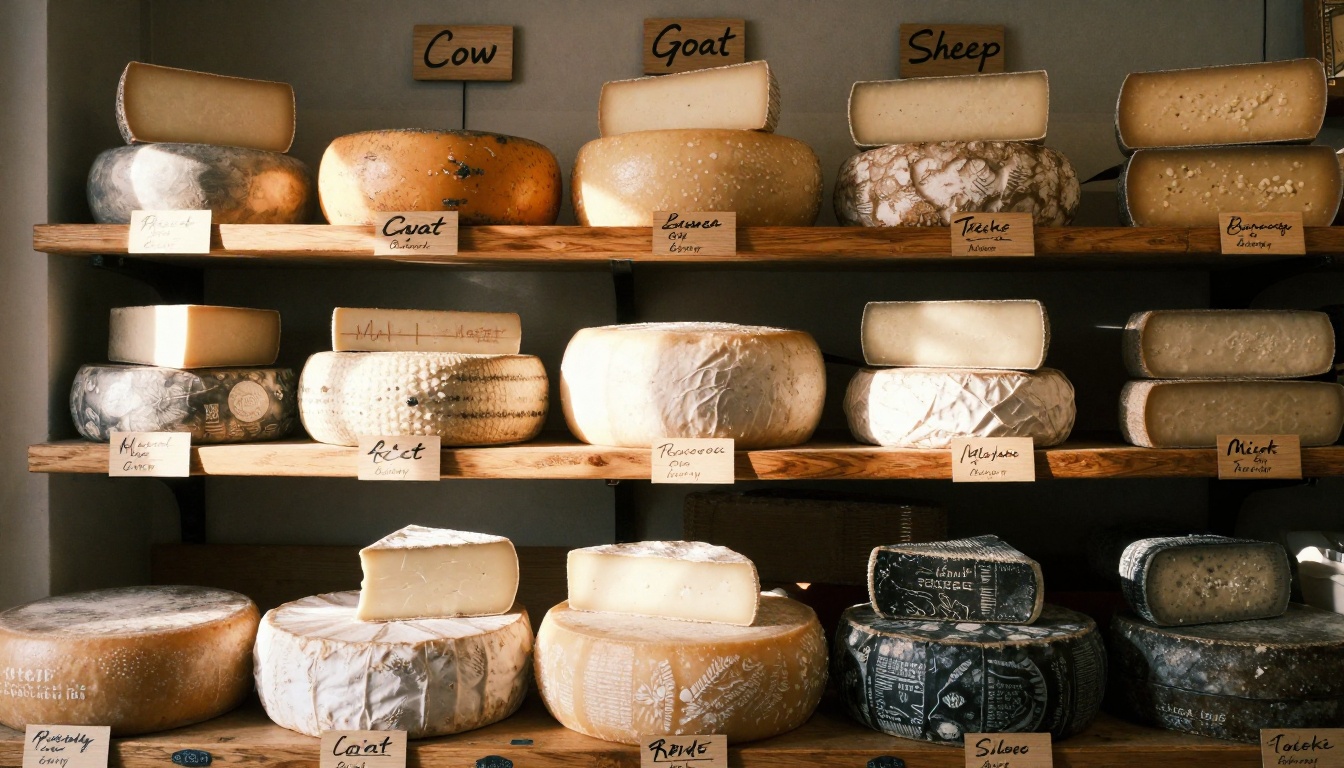
The most intuitive structure for most buyers is cow, goat, and sheep. It maps to how people already think about cheese and makes it easy for customers with preferences or intolerances to navigate directly to what suits them.
By country of origin
For shops with a strong artisan or imported range, organizing by country creates a sense of discovery. French, Italian, Spanish, British, and local sections each get their own opening spread with a short country introduction. It turns browsing a catalog into something closer to reading a travel magazine, positioning your shop as a specialist rather than a generalist.
By texture and intensity
A third option, popular with cheese counters that run tasting events, is organizing from mild to intense. Fresh and young varieties at the front, semi-hard and aged selections in the middle, washed-rind and blue cheeses at the back. This works particularly well when your flipbook doubles as a tasting menu reference.
| Organization Method | Best For | Buyer Experience |
|---|
| By milk type | All retail shops | Clear dietary navigation |
| By country of origin | Imported and artisan focus | Sense of discovery |
| By texture and intensity | Tasting events and pairings | Education-led journey |
| By category (fresh, hard, blue) | Wholesale and trade buyers | Efficient sourcing |
How to Build Your Cheese Flipbook
Step 1: Design your PDF
Before uploading anything, design your catalog in a tool like Canva, Adobe InDesign, or even Google Slides. Each cheese gets its own double-page spread or at minimum a half-page card. Include a high-quality product photo, the variety name, the essential details, and the tasting note.
⚠️ Use at least 300 DPI images in your design file. When the PDF converts to a flipbook, low-resolution photos look soft and unprofessional.
Use consistent typography and a color palette that reflects your shop branding. A warm cream background with deep charcoal type reads as premium. Avoid white-on-white layouts since they lose contrast in the flipbook viewer.
Step 2: Upload and convert on Flipbooks AI
Once your PDF is ready, visit Flipbooks AI and create a free account. The upload process takes under two minutes:
- Click New Flipbook from your dashboard
- Drag your PDF into the upload area or browse your files
- The platform converts it automatically into a page-turning flipbook
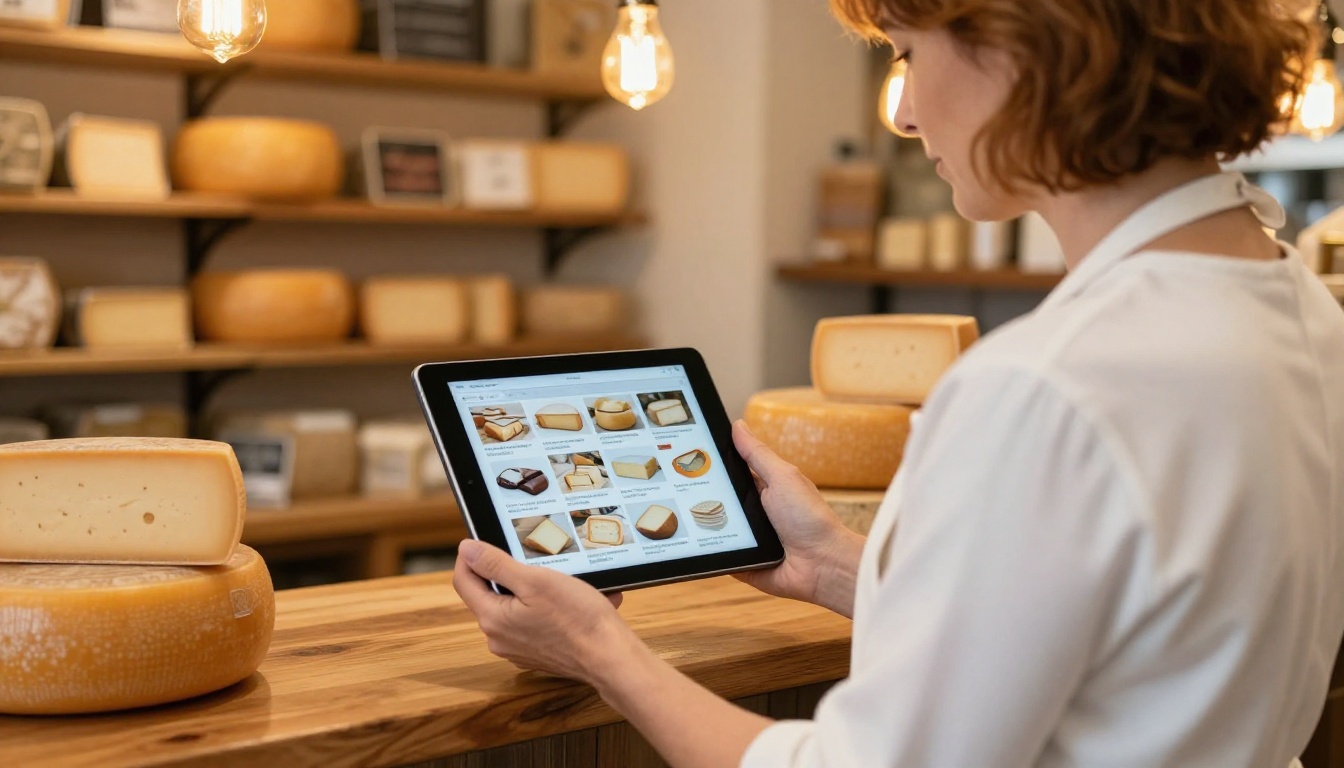
- Preview the result immediately in the built-in viewer
The Digital Catalog Maker and Catalog Flipbook Creator tools are specifically built for this type of product range publication and include templates that work particularly well for food retail businesses.
Step 3: Add your branding
After conversion, customize the flipbook to match your shop identity:
- Upload your logo to appear in the viewer header
- Set a brand color for the toolbar and page-turn controls
- Add a custom background behind the pages (a dark wood texture works beautifully for a cheese catalog)
- Enable page sound effects for a more tactile browsing experience
All of these options are available without watermarks on the Standard plan and above, so your catalog looks entirely like your own.
Step 4: Share it everywhere
Once live, your flipbook gets a permanent shareable link. Use it across every channel you already operate:
- Your website: paste the embed code and the flipbook appears inline on any page
- Email newsletters: drop the link with a thumbnail preview
- Instagram or Facebook: share the link in your bio or story
- WhatsApp Business: send directly to wholesale clients or event buyers
- In-store printed cards: add a QR code that links directly to the flipbook
💡 On the Professional plan, built-in analytics show which pages viewers spend the most time on. If everyone lingers on the Brie spread, you know exactly what to restock first.
Which Plan Fits a Cheese Shop
Flipbooks AI offers several pricing tiers. Here is how they map to different types of cheese businesses:
| Plan | Best For | Features Included |
|---|
| Free | Testing the format | Limited flipbooks, basic viewer with watermark |
| Standard | Small independent shops | Unlimited flipbooks, no watermarks, custom branding, website embed |
| Professional | Multi-location or wholesale operations | Analytics, lead generation, password protection, offline download |
For most independent cheese retailers, Standard handles everything: unlimited catalogs, no watermarks, full branding control, and the ability to embed on your website. Shops running wholesale accounts or subscription boxes benefit from Professional for the analytics and lead capture features.
Review full plan details at flipbooksai.com/pricing.
Where Your Cheese Flipbook Actually Works
In-store QR code displays
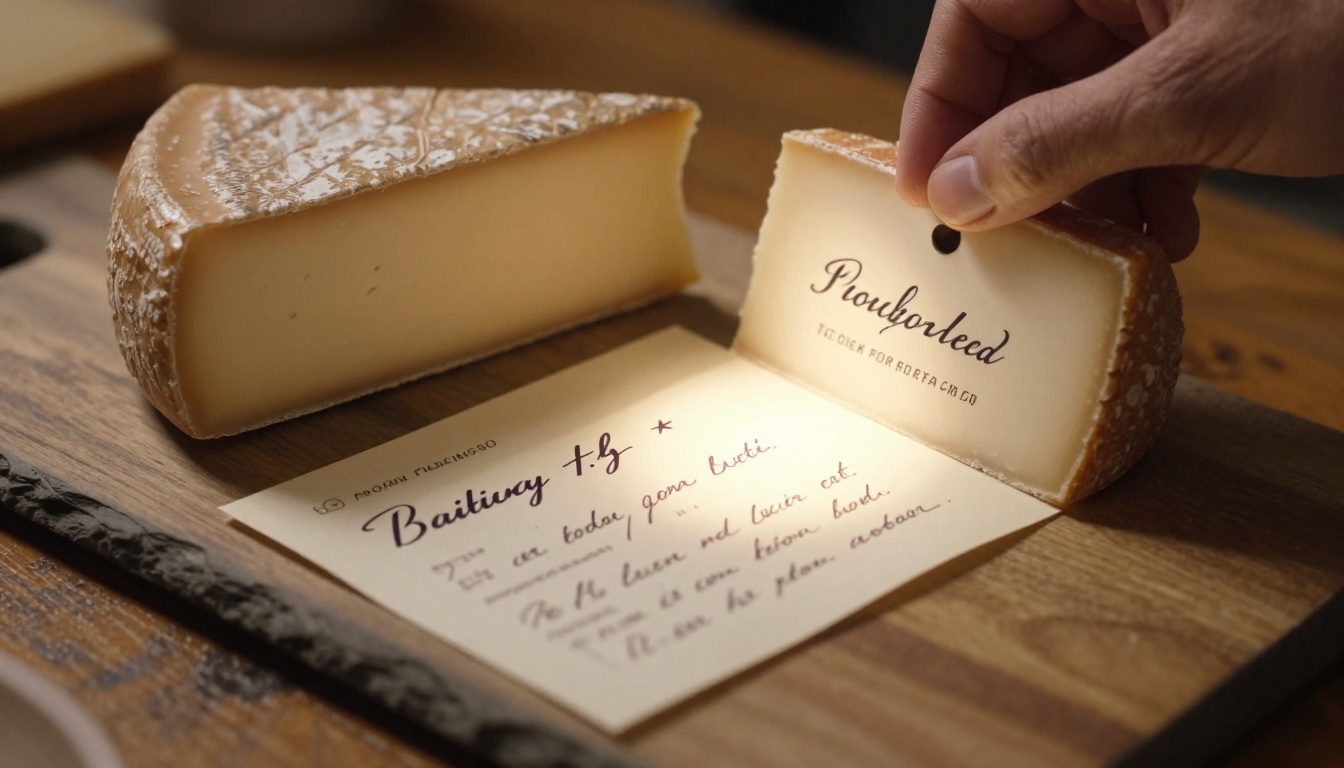
Place a small printed card near your counter with a QR code linking to your flipbook. Customers waiting while you cut a wedge can browse your full range on their phone. This is particularly effective for upselling pairings: someone buying a piece of aged Manchego sees the pairing page and decides to add a jar of quince paste. No hard sell required, just good information at the right moment.
Wholesale and trade buyers
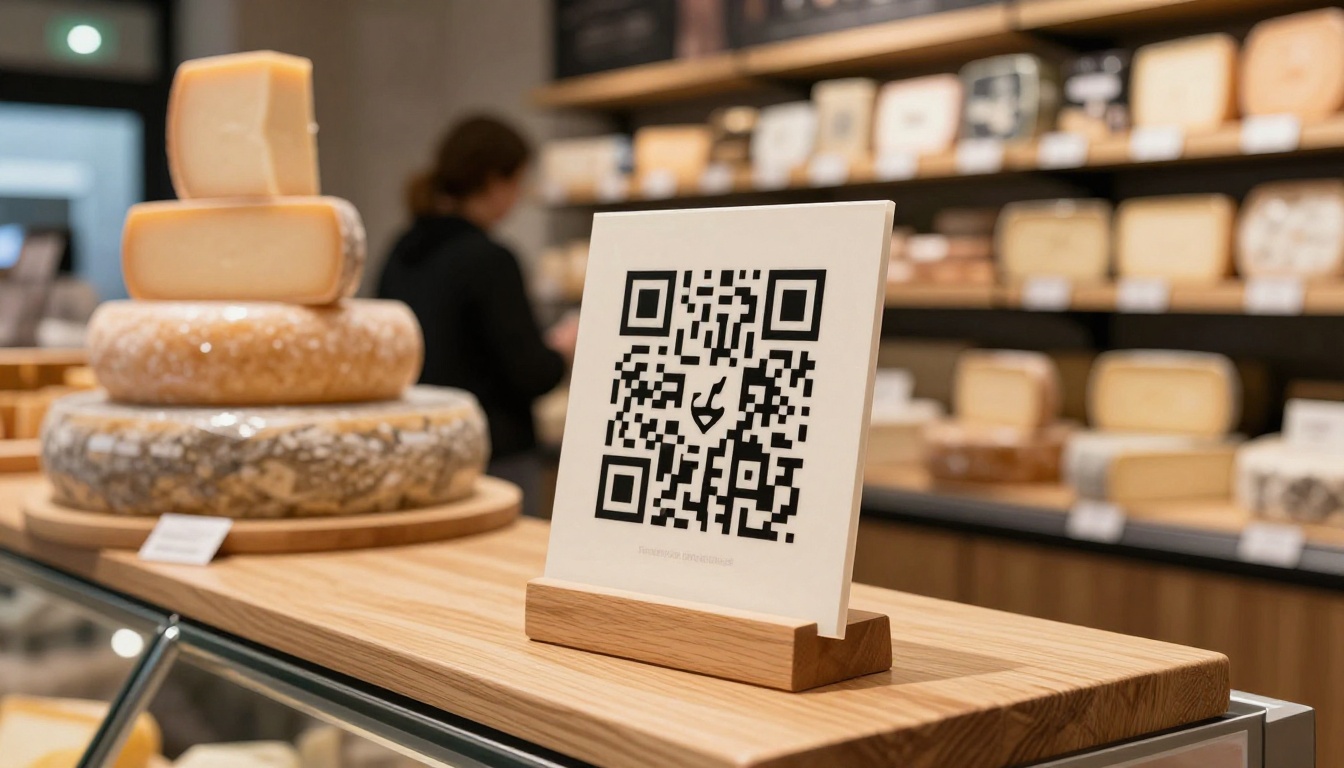
Wholesale clients, deli counters, restaurant buyers, and corporate gifting teams all want to review your range before they call. Sending a polished digital catalog positions your shop as a professional supplier rather than a cottage operation. A password-protected flipbook (available on the Professional plan) lets you create a trade-only version with wholesale pricing, minimum orders, and delivery terms, visible only to the buyers you invite.
Gift box promotions and events
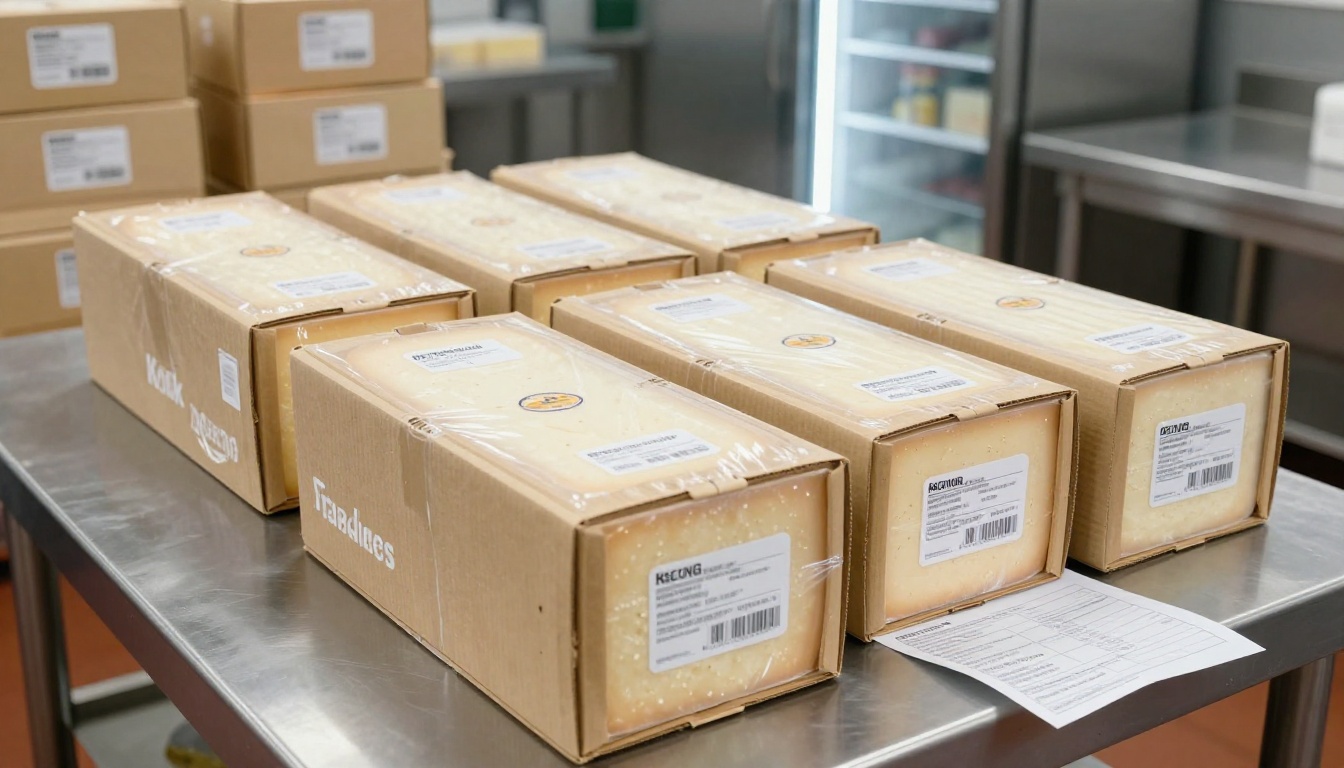
Cheese is one of the most popular luxury food gifts. A dedicated gift selection flipbook, separate from your main range catalog, can feature curated boxes at different price points along with their contents and pairing suggestions. Share it ahead of Christmas, Valentine's Day, Easter, and any corporate gifting window to reach buyers before they finalize their orders elsewhere.
The Product Catalog and Digital Price List Generator tools are ideal for this purpose, offering pre-built layouts that make it straightforward to put together a clean, professional gift catalog your customers will actually want to read.
Making Your Catalog Look Professional
Photography that sells cheese
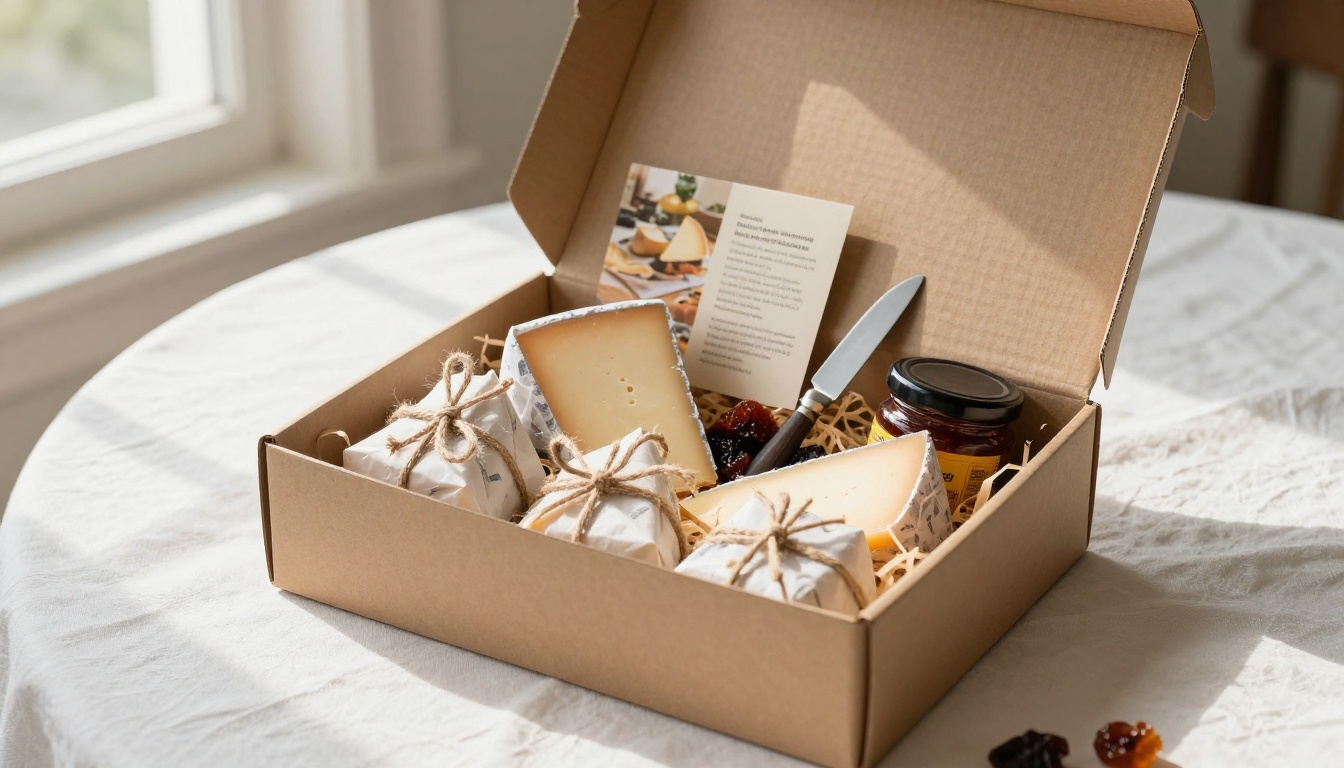
The single biggest factor in whether a digital cheese catalog converts browsers into buyers is photography. Mobile phone shots on a cutting board are not enough. A few practical principles make a significant difference:
- Natural side light from a window beats direct flash every time. Position cheese at a 45-degree angle to the light source to create depth and shadow that reveals texture.
- Use texture as the hero: the rind, the interior paste, the tyrosine crystals, the mold bloom. Get close enough that these details fill the frame.
- Shoot on consistent backgrounds: bleached marble, rough-hewn walnut, or dark slate tile. Consistency makes the catalog feel cohesive rather than assembled from different shooting sessions.
- Include at least one lifestyle shot per variety: the cheese on a board with pairings, or being sliced and served alongside a glass of wine.
Writing tasting notes that convert
Tasting notes should be vivid, specific, and free of generic descriptors. "Nutty and creamy" describes almost every semi-hard cheese and tells the customer nothing useful. Write to the specific experience instead:
- Weak: "A smooth, creamy cheese with a mild flavor."
- Strong: "Buttery on the tongue with a long finish of roasted hazelnuts. Young examples carry a milky brightness; aged wheels develop a pleasant sharpness at the rind."
✅ Write each pairing recommendation as a scenario. "Ideal with a glass of Sancerre and a handful of Marcona almonds at the end of dinner" gives the reader a reason to buy, not just a description.
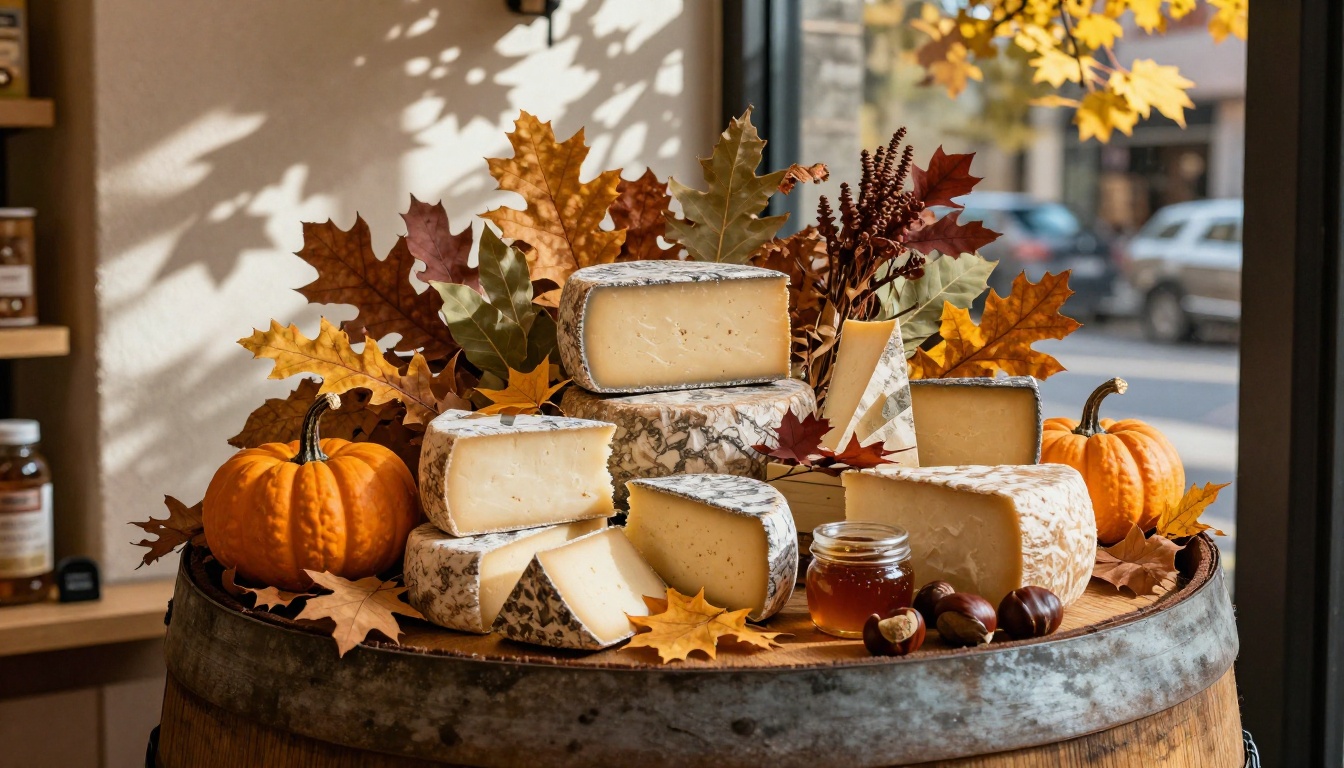
Put Your Whole Range in Front of the Right People
Every cheese on your shelves is a missed sale if buyers cannot find it, browse it, and decide they want it before they walk through your door. A digital flipbook built from your existing range PDF costs nothing to create, nothing to update, and nothing to share. It works equally well for a customer browsing on a phone on a Sunday evening and a wholesale buyer reviewing it on a laptop before a Monday morning call.
Flipbooks AI offers a free starting point with no credit card required. Build your first cheese shop catalog, see how it looks in the interactive viewer, and share it with your next customer. When you are ready to add branding, analytics, and unlimited catalogs, pricing plans start from an amount any independent food retailer can justify from a single additional sale per month.
Browse all available catalog and product tools to find the format that fits your range, whether that is a full product catalog, a seasonal tasting menu, or a trade-only price list protected by a password.
The story of your cheese shop is worth telling properly. A flipbook is how you tell it to everyone at once.



