German businesses produce some of the most thorough, detail-rich product catalogs in the world. From precision engineering parts to high-end fashion lines, these documents are built to persuade. But printing and shipping thousands of copies is expensive, slow, and impossible to update on demand. Flipbooks AI gives you a faster path: convert your German catalog PDF into an interactive digital flipbook in minutes, with no coding, no design skills, and no ongoing print costs.
Why Paper Catalogs Are Losing the German Market
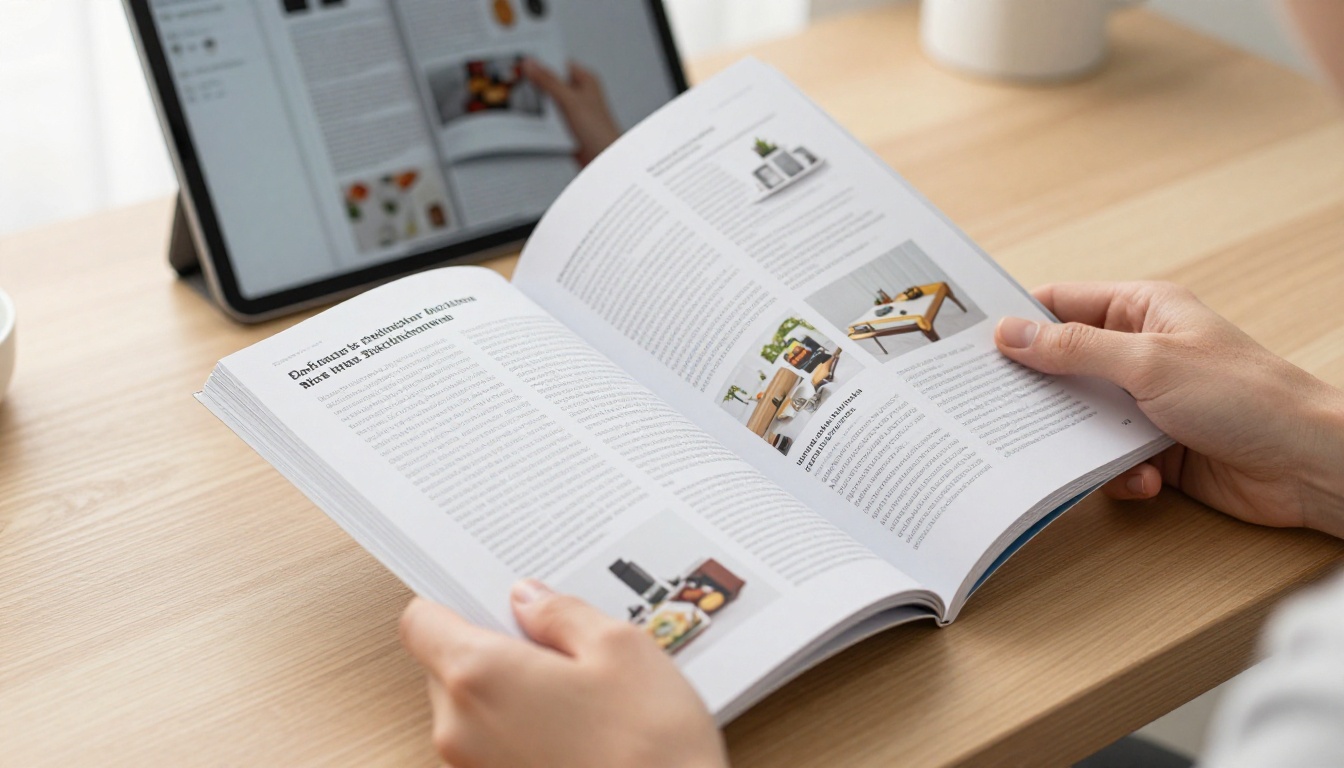
German B2B and retail buyers are increasingly digital. Over 73% of German procurement decisions now involve at least one digital touchpoint before a purchase is finalized. That means your beautifully printed Katalog might never reach the decision-maker at all, sitting unopened in a post room or recycled at a trade fair.
The Real Cost of Print Distribution
Printing a quality catalog in Germany is not cheap. A mid-range run of 5,000 copies with full-color pages can cost between €8,000 and €20,000 when you factor in design updates, printing, and distribution. And once it's printed, prices, products, and stock availability change — but your catalog cannot.
| Cost Factor | Print Catalog | Digital Flipbook |
|---|
| Production cost | €8,000 – €20,000 per run | One-time PDF conversion |
| Update cost | Full reprint required | Instant online update |
| Distribution | Postage and logistics | Shareable link, zero cost |
| Analytics | None | Page views, time on page |
| Shelf life | Fixed at print date | Always current |
What German Buyers Actually Want
Modern German buyers, whether retail consumers or B2B procurement managers, want information fast and on any device. They browse on mobile while commuting, on tablets during meetings, and on desktop during research phases. A static PDF falls short. A digital flipbook with real page-turn behavior, embedded links, and a mobile-responsive layout delivers exactly what they expect.
💡 German e-commerce is growing at over 10% annually. Businesses that digitize their catalogs now are positioning themselves ahead of competitors still relying entirely on print.
What a Flipbook Actually Does for Your Catalog

A digital flipbook is not just a PDF with a fancy viewer. It is an interactive publication that mimics the physical sensation of turning pages while adding digital capabilities: clickable product links, embedded videos, search functionality, and real-time analytics.
The Page-Turn Experience That Sticks
When a buyer opens your German flipbook catalog, they see a realistic book-like interface. Pages turn with a physical curl animation. They can zoom into product details, click internal links to jump between sections, and share individual pages with colleagues. This experience keeps buyers engaged far longer than a scrollable PDF attachment.
Built for Every Device
One of the biggest advantages of converting your German catalog to a digital flipbook is instant multi-device compatibility. Your catalog looks perfect on:
- Desktop browsers for in-depth research sessions
- Tablets for sales team presentations and showroom use
- Smartphones for on-the-go buyer browsing
- Embedded on your website for inbound traffic capture
✅ Flipbooks AI generates fully mobile-responsive flipbooks automatically from your PDF upload, with no additional optimization needed on your end.
How to Turn Your German Catalog into a Flipbook
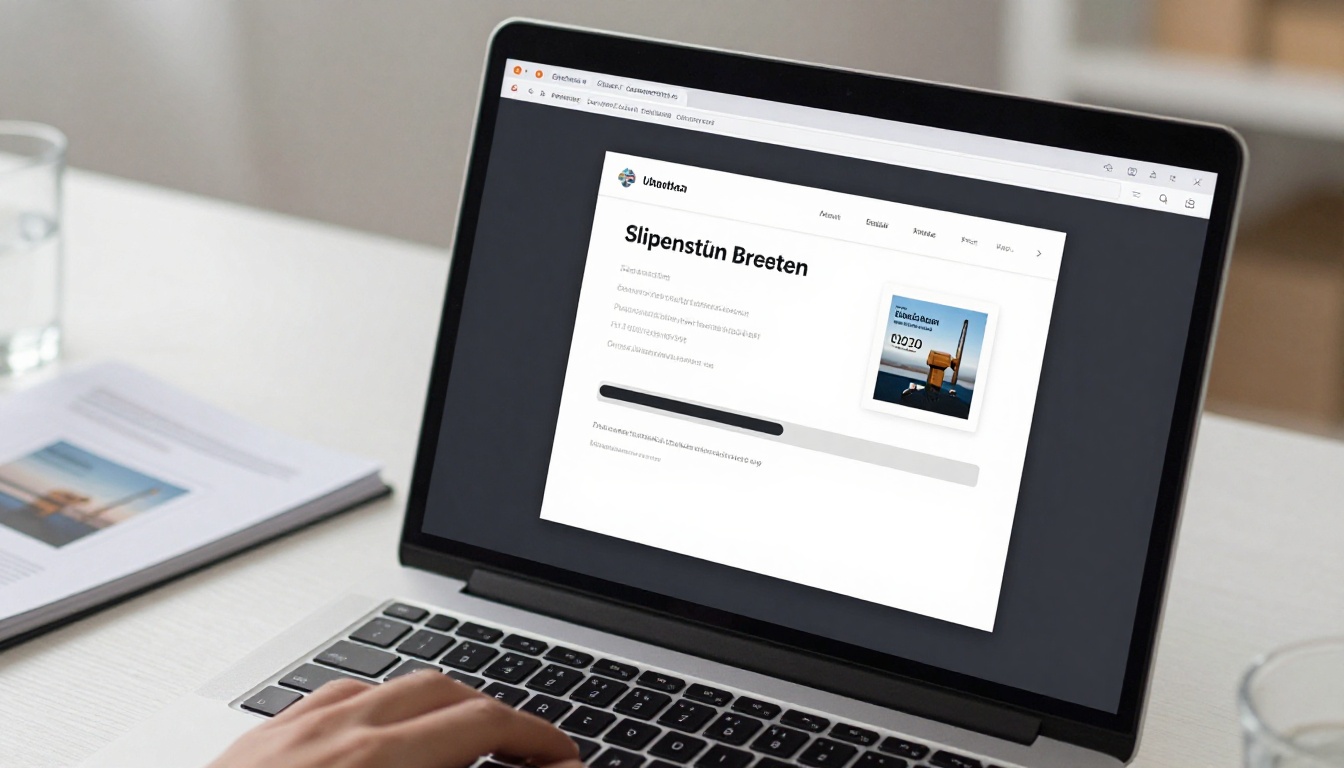
The process takes less time than you would expect. Here is the exact workflow using Flipbooks AI:
Step 1: Prepare Your German Catalog PDF
Before uploading, make sure your PDF is export-ready:
- Check resolution: Export at 150 to 300 DPI for crisp product images
- Embed fonts: Ensure all German-language fonts, including umlauts (ä, ö, ü), are embedded in the PDF
- File size: Aim for under 100MB for fast loading; use a PDF compressor if needed
- Check links: Any internal hyperlinks in the PDF will be preserved in the flipbook automatically
⚠️ If German-specific characters render incorrectly after upload, return to your design tool and re-export with "Embed all fonts" enabled before re-uploading.
Step 2: Upload and Convert
- Go to Flipbooks AI and create or log in to your account
- Click "New Flipbook" and select your German catalog PDF
- The platform processes your PDF page by page, building the interactive flipbook
- Within minutes, your catalog is live with its own shareable URL
The PDF to Flipbook Converter handles everything automatically: pagination, image optimization, and mobile formatting.
Step 3: Customize Your Brand
Once uploaded, tailor the flipbook to match your German brand identity:
- Logo placement: Add your company logo to the flipbook header
- Color scheme: Match your brand colors for the UI frame and controls
- Custom domain: Publish under your own domain for a professional, branded presentation
- Background: Choose from solid colors or upload a custom background image
Step 4: Share, Embed, and Protect
Your German catalog flipbook is ready to distribute through multiple channels:
- Direct link: Send via email, WhatsApp, or LinkedIn to buyers instantly
- Embed code: Use the Embed Flipbook on Website tool to place it directly on your site
- Password protection: Restrict access for trade-only catalogs or pre-launch product ranges
- QR code: Generate a QR code to print on packaging or exhibition materials, pointing buyers to the digital version
German Catalog Types That Work Best as Flipbooks
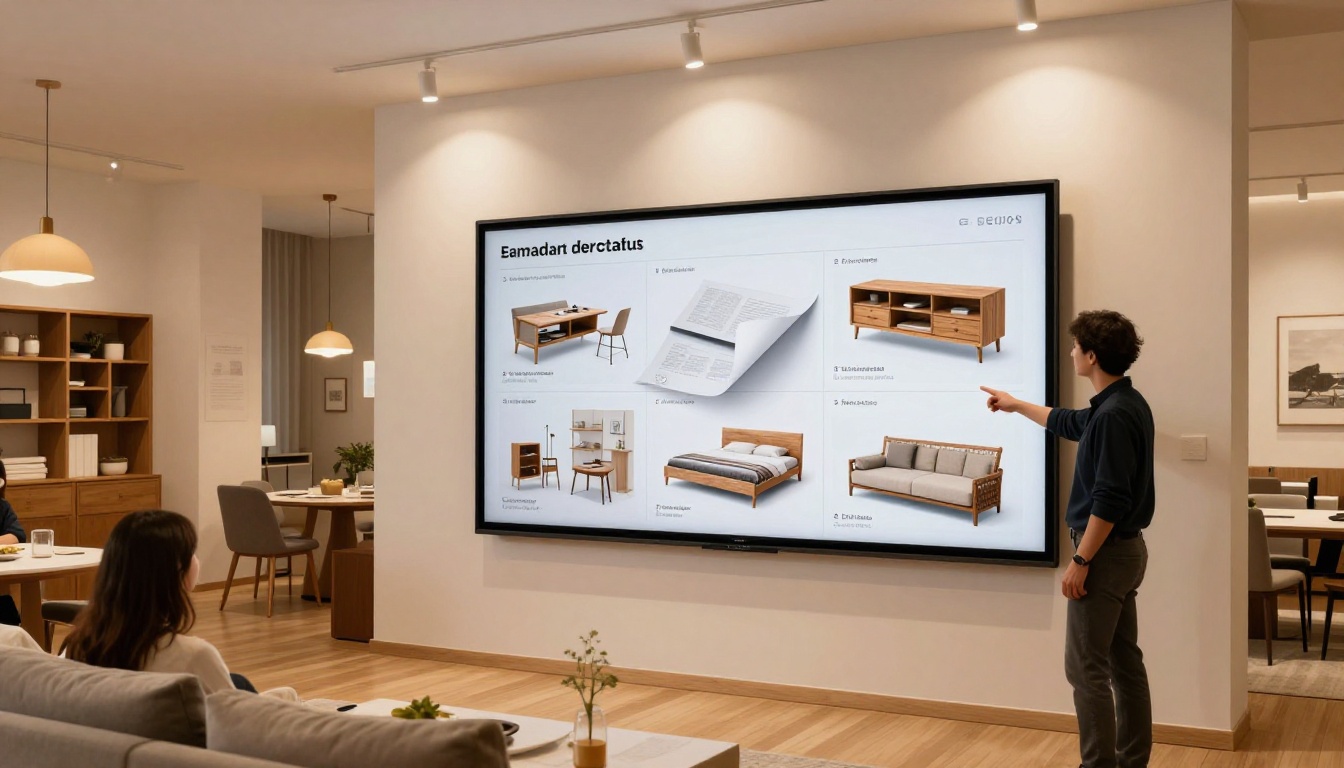
Not all catalogs are the same. Here is how different German catalog types benefit from the flipbook format:
Retail and Product Catalogs
German retail brands, from electronics to sporting goods, produce some of Europe's most comprehensive product catalogs. Converting these with the Product Catalog Generator lets buyers navigate hundreds of products with the ease of a physical book, while clicking directly to product pages or submitting quote requests.
Real-world scenario: A Munich-based home goods retailer converts their 120-page seasonal Katalog into a flipbook. They embed it on their website, share it with their 3,000-person email list, and track which product categories attract the most reading time. The data directly informs their next product range decisions.
Fashion and Lifestyle Catalogs
German fashion brands benefit enormously from the visual richness of flipbooks. Full-spread fashion photography translates perfectly to the landscape flipbook format. The Fashion Catalog Creator is built specifically for this use case, preserving editorial layouts while adding digital interactivity like clickable product links and embedded lookbook videos.
Industrial and B2B Catalogs
German engineering and manufacturing companies often maintain technical catalogs running hundreds or even thousands of pages. These are notoriously expensive to print and update. A digital flipbook with full-text search lets procurement buyers find specific part numbers in seconds, something impossible in a static printed document.
💡 Use the password protection feature to share confidential trade-pricing catalogs with authorized buyers only, without emailing sensitive PDF files that can be forwarded uncontrolled.
Furniture and Interior Design Catalogs
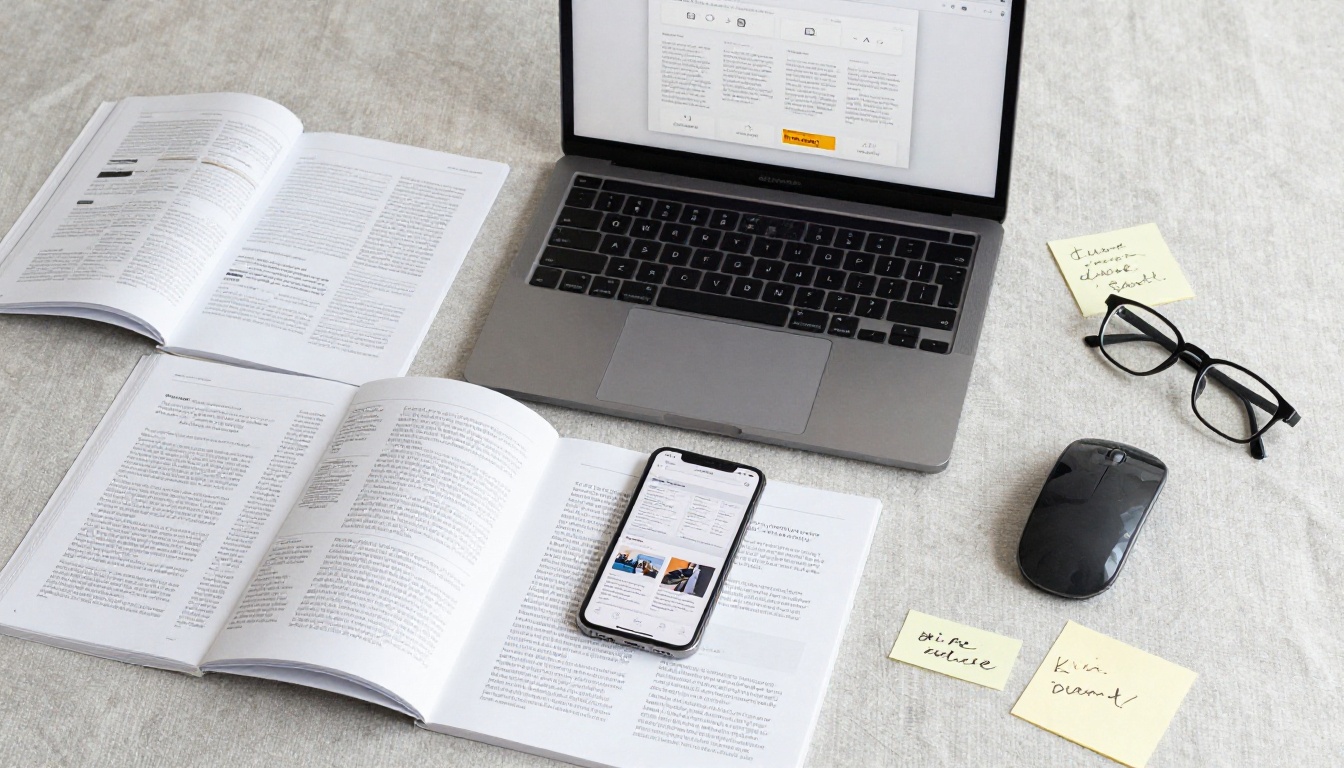
Furniture showrooms across Germany can display digital flipbooks on in-store screens, letting customers browse the full range without physical catalog wear and tear. The Furniture Catalog Maker handles multi-page spreads and large-format photography without any quality loss.
Features That Make the Difference for German Businesses
Analytics That Show What Buyers Actually Read
One of the most valuable features for German catalog publishers is page-level analytics. With a Professional plan, you can see:
- Which pages attract the most reading time
- Where readers drop off and stop engaging
- Geographic distribution of readers across German cities and regions
- Total views and unique visitors per flipbook session
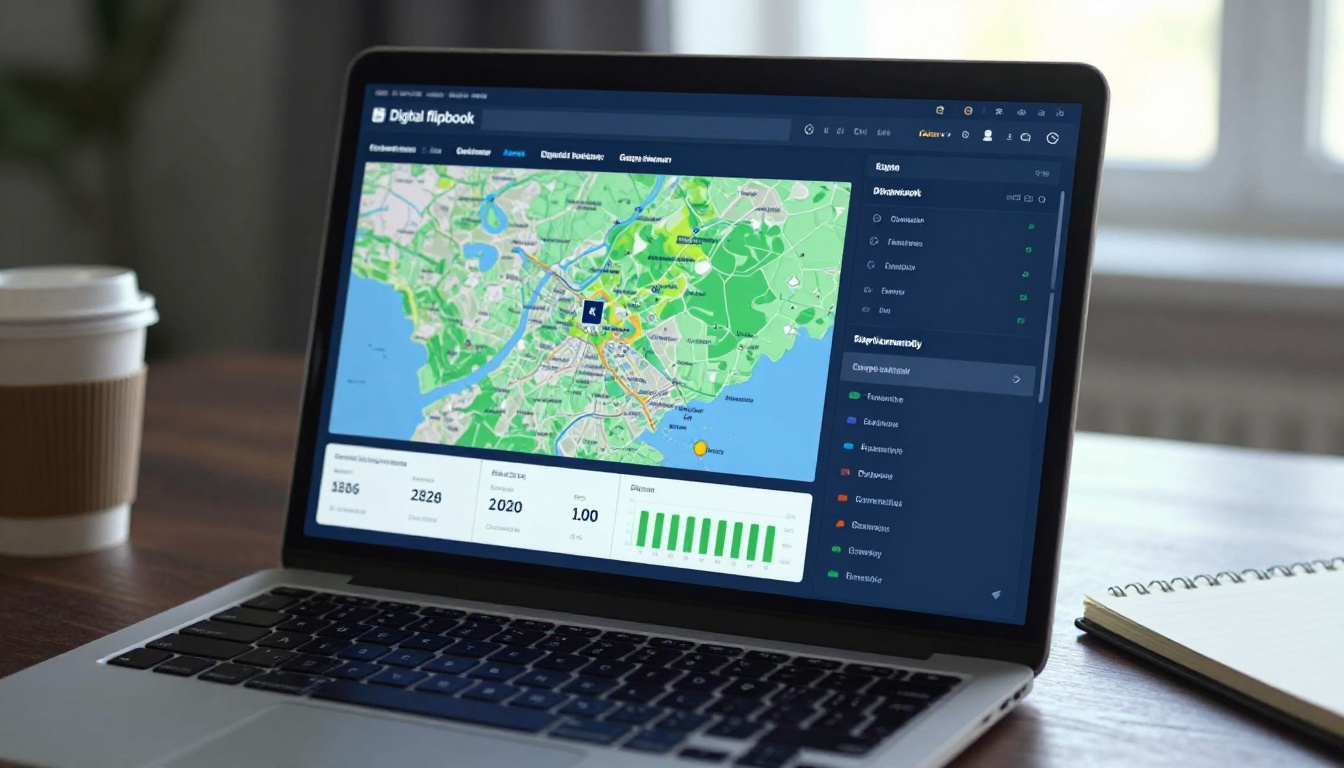
This data is genuinely actionable. If readers consistently stop at page 12, that is a signal about your content or product mix that no print catalog could ever surface.
Privacy and Access Control for German Markets
German businesses take data privacy seriously, and the platform aligns with that expectation. Password-protected flipbooks give you full control over who accesses your catalog. For DSGVO compliance, the platform's data handling follows European privacy standards, keeping reader data within acceptable boundaries.
Lead Generation Built Into the Reading Experience
The Professional plan includes lead capture forms that appear as readers browse your catalog. A prospect viewing your German machinery catalog can submit their contact details without leaving the flipbook, feeding directly into your sales pipeline with zero friction.
Comparing Plans for German Catalog Publishers
| Feature | Free | Standard | Professional |
|---|
| Flipbooks | 1 | Unlimited | Unlimited |
| Watermark | Yes | No | No |
| Password protection | No | Yes | Yes |
| Custom branding | No | Yes | Yes |
| Analytics | No | Basic | Advanced |
| Lead generation | No | No | Yes |
| Offline downloads | No | No | Yes |
| Embed on website | Limited | Yes | Yes |
| Custom domain | No | No | Yes |
✅ Most German businesses converting their first catalog will find the Standard plan covers everything they need. Professional adds the data and lead-capture layer that larger sales teams depend on.
Explore the full pricing plans to find the right fit for your catalog publishing volume.
Sharing Your German Flipbook Catalog Effectively
Converting the catalog is only half the work. Distribution strategy matters. Here is how German businesses are sharing their digital catalogs effectively:
Email campaigns: Replace static PDF attachments with a flipbook link. Emails with embedded flipbook previews earn higher click-through rates because buyers can preview content before committing to a download.
B2B portals: Many German wholesale platforms and Mittelstand procurement portals support embedded content. Drop your flipbook embed code directly into your supplier profile pages.
Trade fair follow-up: After Hannover Messe, ISH, or any major German trade fair, follow up with prospects by sending your digital catalog link. No printing delays, no postage costs, delivered to their inbox within hours.
LinkedIn and XING: Germany's business community actively uses XING alongside LinkedIn. Sharing your flipbook link on business social platforms puts your catalog in front of buyers organically without any paid distribution.
QR codes on packaging: Print a QR code on product packaging that links directly to the relevant catalog section. Buyers scanning it on their phone see the exact page they need in seconds.
The Case for Digitizing Your German Catalog Now
German businesses that have moved to digital catalogs report consistent results across industries:
| Metric | Print Catalog | Digital Flipbook |
|---|
| Distribution time | Days to weeks | Immediate |
| Update cycle | Quarterly at best | Real-time |
| Reader engagement data | None | Full analytics |
| Cost per impression | High (print and postage) | Near zero at scale |
| Mobile accessibility | No | Yes |
| Version control | Difficult | Automatic |
The ROI case for digitizing German catalogs is straightforward: lower costs, faster updates, wider reach, and actual data about buyer behavior that you can act on.
Who Should Convert Their German Catalog Today
If you publish any of the following, the answer is straightforward:
- Handelsunternehmen (retail companies) with seasonal product ranges
- Industrieunternehmen (industrial companies) with technical parts catalogs
- Modemarken (fashion brands) with lookbook-style seasonal collections
- Immobilienmakler (real estate agents) using property brochures, available through the Real Estate Brochure Creator
- Hoteliers with room and amenity catalogs, built with the Hotel Brochure Designer
- Messeaussteller (trade fair exhibitors) who need to follow up with leads post-event without a print run
💡 Even if you still print catalogs for key accounts, running the digital flipbook version in parallel costs almost nothing and opens your reach to buyers you could never reach physically.
Your German Catalog, Digitized and Ready to Share
The gap between German businesses still running print-only catalogs and those with interactive digital versions is widening every quarter. The tools are accessible, the conversion process takes minutes, and the analytics give you competitive intelligence that print could never deliver.
Ready to convert your first German catalog? Get started for free on Flipbooks AI and have your flipbook live within the hour.
For specific catalog formats, browse the full range of catalog creation tools built for exactly this purpose. Or compare plans to find the option that fits your publishing volume and feature needs.



