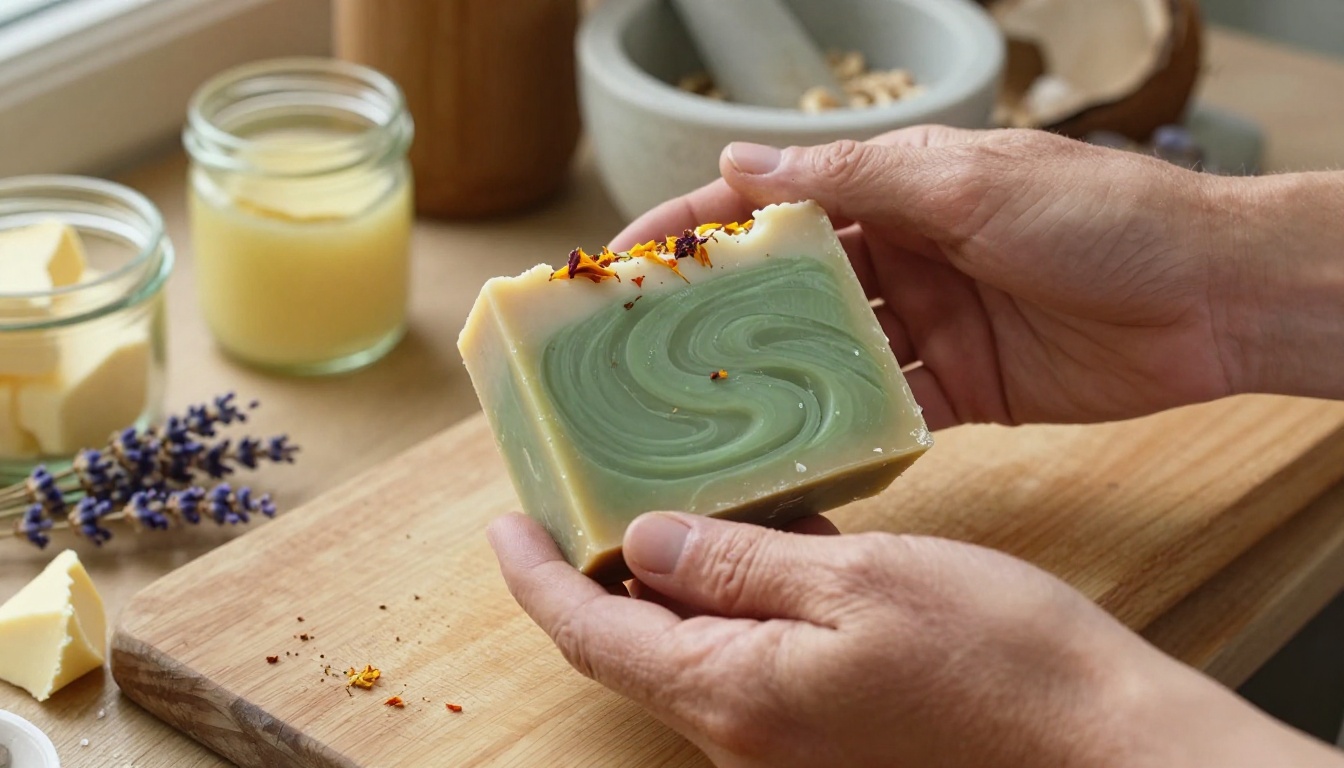
Your soap brand has a story worth telling. The scents, the ingredients, the handcrafted process behind every bar. But if you're still handing out printed catalogs at markets or emailing static PDFs to wholesale buyers, that story is getting lost the moment someone closes the file. Converting your soap brand catalog into a digital flipbook changes everything about how customers experience your products, and platforms like Flipbooks AI make the process straightforward enough to complete in an afternoon.
Why Static Catalogs Are Costing You Sales
The average printed soap catalog costs between $1.50 and $4 per unit to produce, gets handled by a handful of people, and ends up in a recycling bin. A digital flipbook, on the other hand, travels as far as a single link can reach. Someone browsing your Etsy shop, a wholesale buyer in another city, a gift shop owner who found you through Instagram: all of them can flip through your full collection in seconds without you spending a cent on printing.
The problem with PDFs
PDFs feel professional, but they're clunky to share. They require a download. They don't track who viewed what. They can't embed video demos or clickable links to your shop. Most importantly, they feel like documents, not experiences. Your soap collection deserves better than a download link that goes unopened.
What buyers actually want
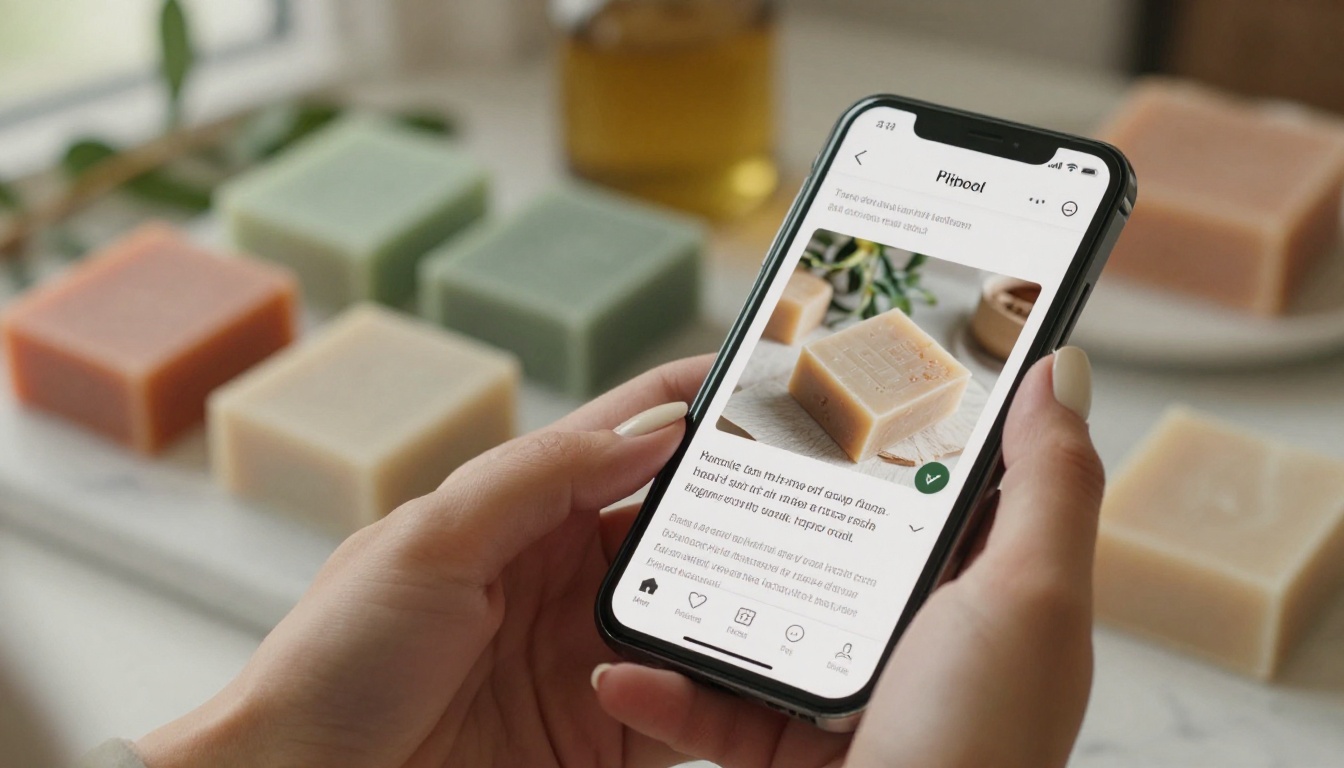
Wholesale buyers and retail customers have both shifted toward browsing digital catalogs the way they'd browse a magazine or a website. They want to scroll, zoom in on textures, click directly to purchase pages, and share specific products with a colleague or partner before placing an order. A flipbook delivers all of that in a format that feels premium, not technical.
What Makes a Soap Flipbook Different
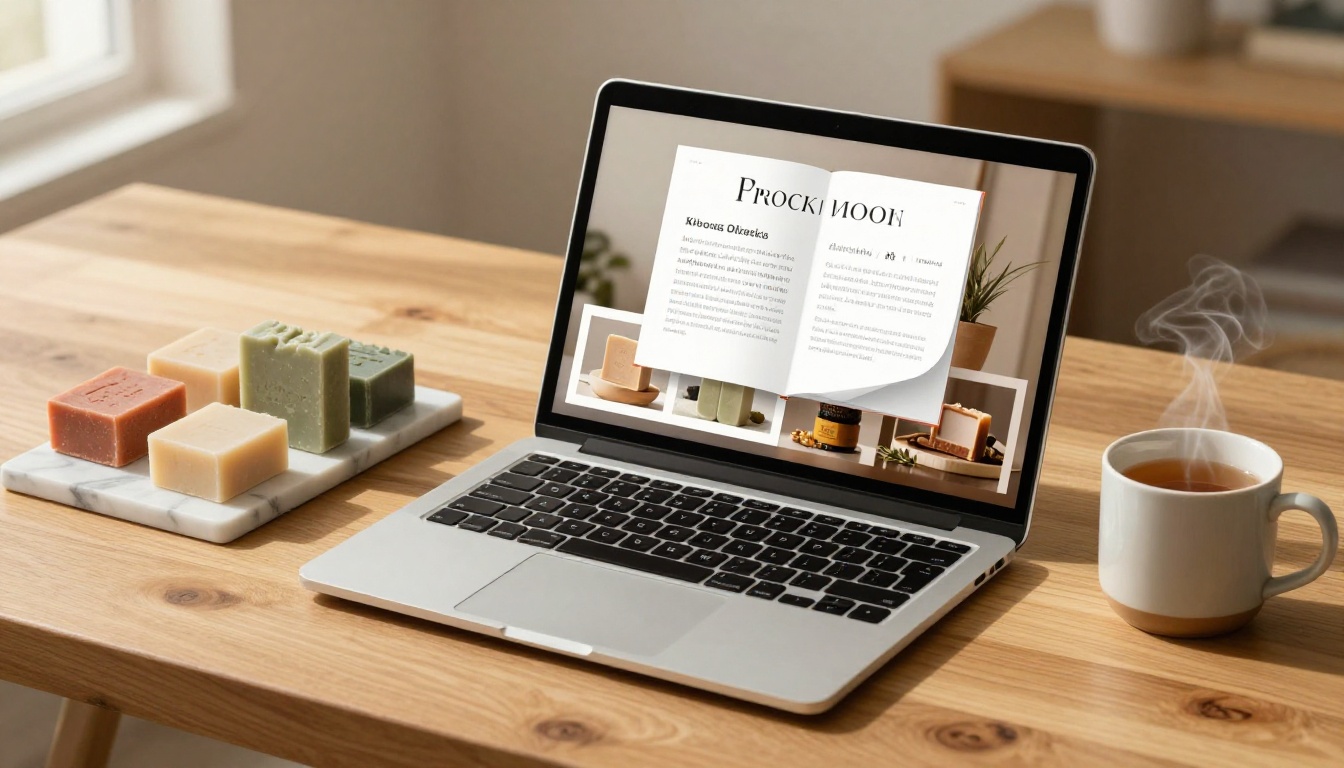
A flipbook is not just a PDF with animations. It's an interactive, browser-based publication with page-turn effects, embedded links, zoom controls, and optional analytics. When you build your soap brand catalog as a flipbook, you're creating a sales tool that works around the clock, on any device, without any software installation required on the reader's end.
Sensory selling in a digital format
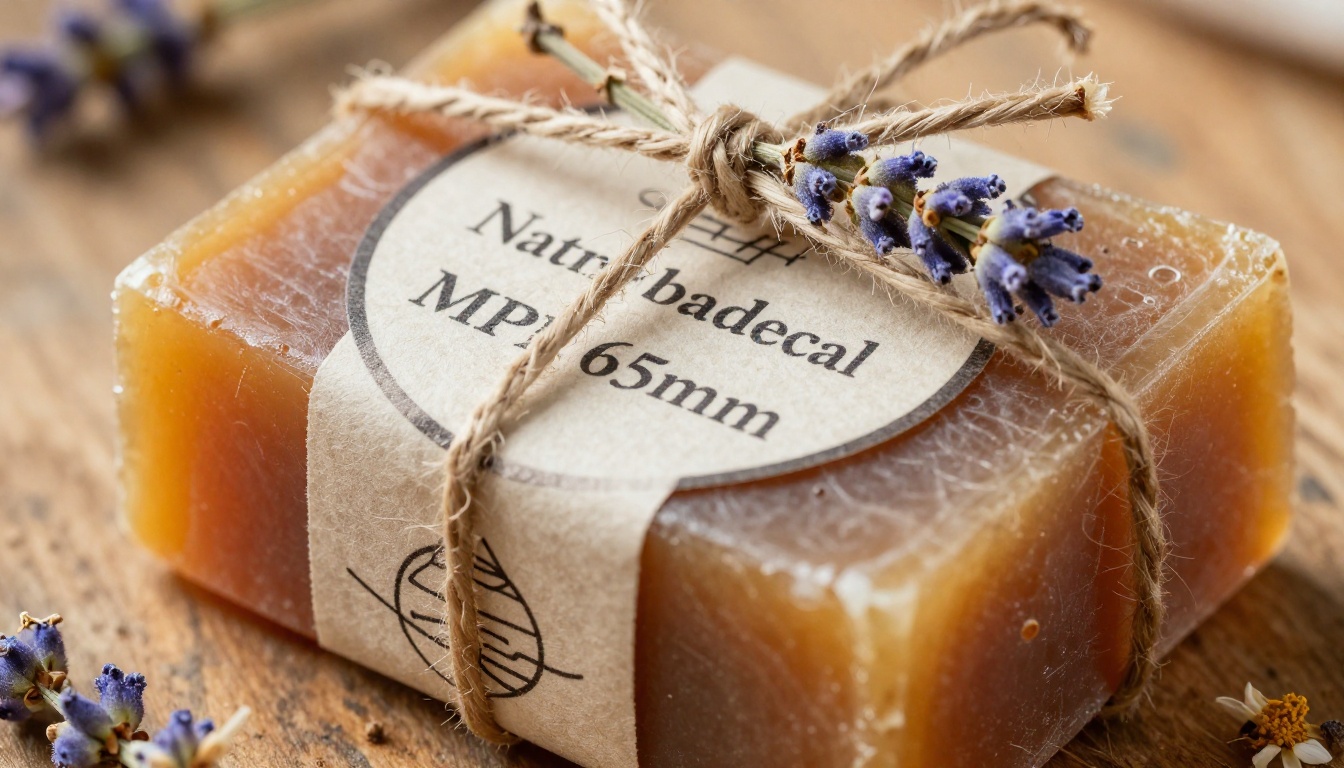
Soap is a sensory product. You're asking someone to spend money on something they can't smell or touch through a screen. That's exactly why visual richness matters so much. A flipbook lets you go full-page with hero images of your bars, use double-page spreads for ingredient stories, and zoom down to the exact texture of a goat milk and honey bar. The page-turn animation itself adds a tactile quality that a scrolling webpage or flat PDF simply can't replicate.
Real-world use cases for soap brands
- Wholesale pitch decks: Send a flipbook link to boutique shops, spas, and gift stores instead of mailing physical catalogs
- Seasonal collections: Launch a holiday soap collection with a flipbook that goes live the same day you announce it on social media
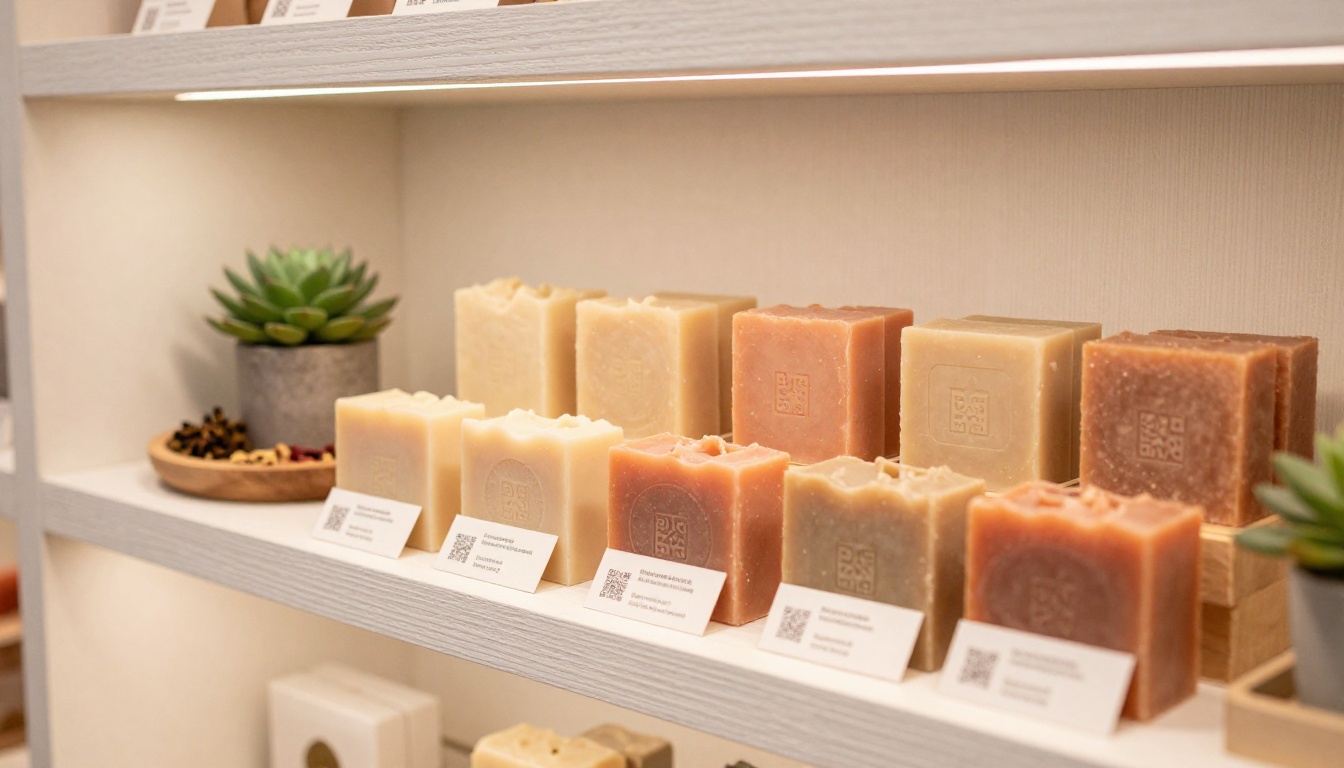
- Farmer's market follow-up: Display a QR code at your booth that opens your full catalog on a customer's phone
- Press kits: Include a flipbook catalog link in media outreach alongside your brand story and product photography
- Gift guide submissions: Share a polished digital catalog with journalists and bloggers who need to see your full range
What to Include in Your Soap Brand Catalog
Before you build your flipbook, you need to know what goes inside it. A strong soap catalog is part product listing, part brand story. Here's what the best-performing soap brand catalogs include:
The essential pages
| Page Type | What to Include | Why It Matters |
|---|
| Brand Cover | Logo, tagline, hero image | First impression, sets the tone |
| About / Story | Founder story, values, sourcing | Builds trust and emotional connection |
| Product Grid | All SKUs with names and key ingredients | Easy browsing overview |
| Individual Product Pages | Full-size image, scent notes, ingredients, pricing | Decision-making detail |
| Ingredient Story | Where you source oils, botanicals, butters | Differentiates handmade from mass-produced |
| Collections Page | Themed groupings (seasonal, skin type, gifting) | Cross-selling opportunity |
| Wholesale Terms | MOQ, pricing tiers, lead time | Necessary for B2B buyers |
| Contact / Order Page | Email, website, social handles | Clear next step for interested buyers |
Photography tips for your catalog
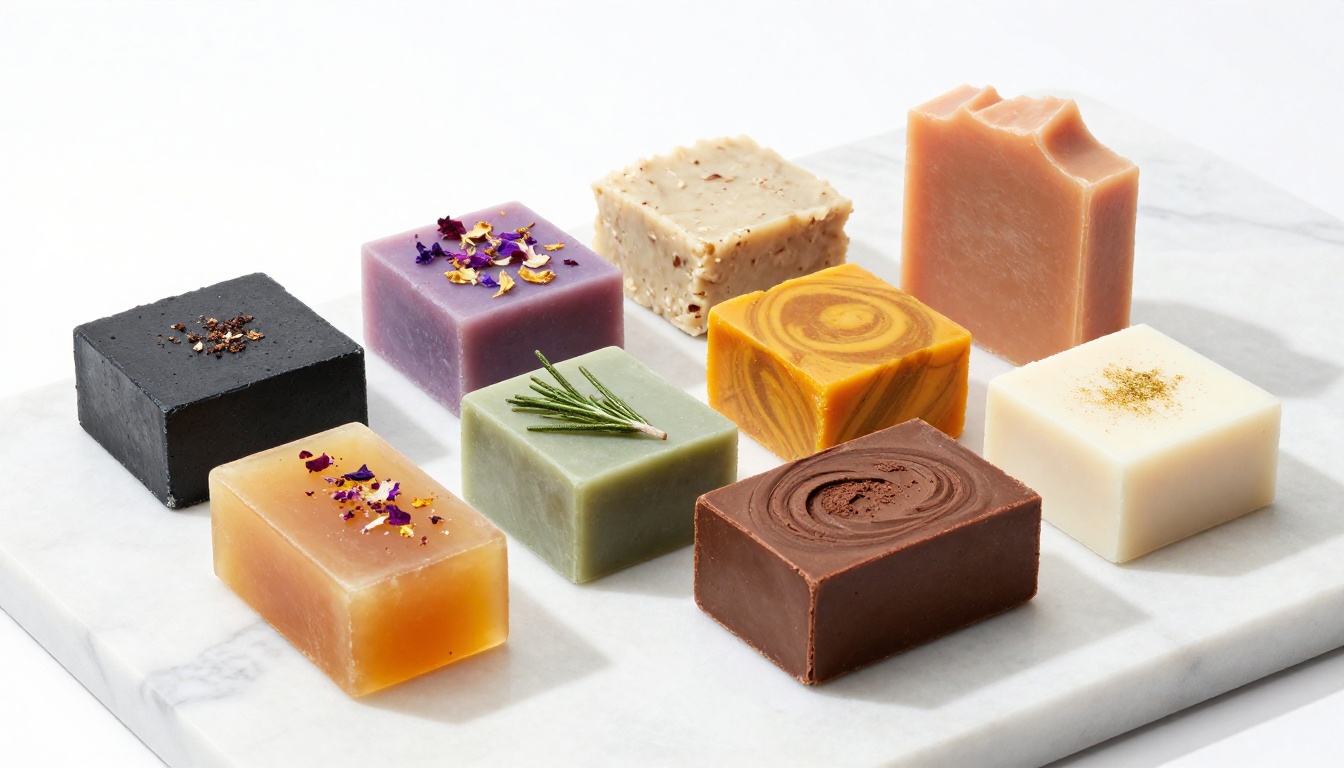
Your images are doing the heavy lifting in a soap catalog. A flipbook makes your photos bigger, not smaller. That means low-quality images will be even more noticeable. If you're photographing your products for a flipbook, shoot on white marble or natural wood surfaces with window light. Show cross-sections of cut bars. Photograph packaging details. The Catalog Flipbook Creator tool is specifically designed for this kind of product showcase.
💡 Shoot at least three angles per soap product: a top-down flat lay, a 45-degree angle showing the bar's profile and texture, and a close-up of any surface detail like embedded botanicals or swirl patterns.
How to Create a Soap Catalog Flipbook with Flipbooks AI
This is where theory becomes reality. Flipbooks AI is built specifically for exactly this workflow: take a PDF you've already designed (or build one fresh), convert it into an interactive flipbook, brand it, and share it. Here's how to do it step by step.
Step 1: Design your catalog PDF
Before uploading anything, you need a designed catalog. Tools like Canva, Adobe InDesign, or even Google Slides can produce a PDF. Use a standard 16:9 or A4 landscape format for the best flipbook proportions. Make sure your fonts are embedded and your images are high resolution (300 DPI minimum). Page counts between 12 and 40 work best for soap brand catalogs.
⚠️ Export your PDF with all links intact. Flipbooks AI preserves clickable URLs, so any "Shop Now" or "Order Here" links you embed in the PDF will remain clickable in the flipbook.
Step 2: Create your account and upload
Go to flipbooksai.com/account and create your account. The upload process takes under two minutes. Drag your PDF into the converter, and the platform renders each page into a high-quality flipbook format with the characteristic page-turn effect automatically applied. The PDF to Flipbook Converter handles all file sizes and complex layouts without distorting your design.
Step 3: Apply your soap brand identity
Once your flipbook is generated, you can customize it to match your soap brand's visual identity:
- Custom colors: Match your flipbook interface to your brand palette
- Logo placement: Add your logo to the flipbook viewer so it appears even before a reader opens the first page
- Background: Choose a background texture or color that complements your catalog aesthetic
- Page thumbnails: Customize how the page navigation strip appears at the bottom of the viewer
Step 4: Set sharing options
This is where a digital catalog outperforms print in every possible way:
- Direct link: Share a clean URL in emails, DMs, social bios, or press pitches
- Embed code: Drop your flipbook directly into your website's catalog page with one line of code. The Embed Flipbook on Website tool makes this seamless
- QR code: Generate a QR code for print materials, booth signage, and packaging inserts
- Password protection: Lock your wholesale catalog so only buyers with your password can access pricing information
Step 5: Track performance with analytics
With the Professional plan, you get analytics on how buyers are actually using your catalog. You can see which products they spend time on, which pages they skip, where they drop off, and even capture leads directly from the flipbook. For a soap brand doing wholesale outreach, knowing that a buyer spent four minutes on your body butter line but skipped past the shaving soaps is genuinely valuable sales intelligence. See the full feature breakdown at flipbooksai.com/pricing.
Flipbooks AI Plans for Small Soap Brands
Pricing is a real consideration for small makers. Here's how the plans break down for a typical soap brand:
| Feature | Free | Standard | Professional |
|---|
| Number of Flipbooks | 1 | Unlimited | Unlimited |
| Watermark | Yes | No | No |
| Custom Branding | No | Yes | Yes |
| Password Protection | No | Yes | Yes |
| Embed on Website | No | Yes | Yes |
| Viewer Analytics | No | No | Yes |
| Lead Generation | No | No | Yes |
| Offline Downloads | No | No | Yes |
For most soap brands just getting started with digital catalogs, the Standard plan provides everything needed: unlimited flipbooks with no watermarks, full custom branding, password protection for wholesale catalogs, and website embedding. Moving to Professional makes sense once you're actively pitching to buyers and want data on how they're engaging.
✅ Start with Standard if you have one to three product lines. Upgrade to Professional when you begin direct wholesale outreach campaigns and need analytics to qualify buyer interest before following up.
Sharing Your Flipbook the Right Way
A flipbook only does its job if the right people see it. Here's how soap brands are putting their digital catalogs to work across different channels:
Email outreach to buyers
Instead of attaching a 15MB PDF that clogs someone's inbox, paste your flipbook link directly into the email body. Add a thumbnail screenshot of your catalog cover as an inline image so buyers can see what they're clicking into before they click. Keep the email short: two or three sentences about your brand, a link to the flipbook, and a clear ask. Response rates from wholesale buyers increase significantly when they receive a polished flipbook link instead of a PDF attachment.
Instagram and social media
Drop your flipbook link in your bio. When launching a new seasonal collection, post a reel showing pages of the flipbook with a "link in bio" call to action. Stories with countdown stickers work well for new collection launches where the flipbook is the reveal. Buyers who discover you through social media and click through to a professional flipbook catalog convert at a much higher rate than those who receive a raw product list.
QR codes at markets and events
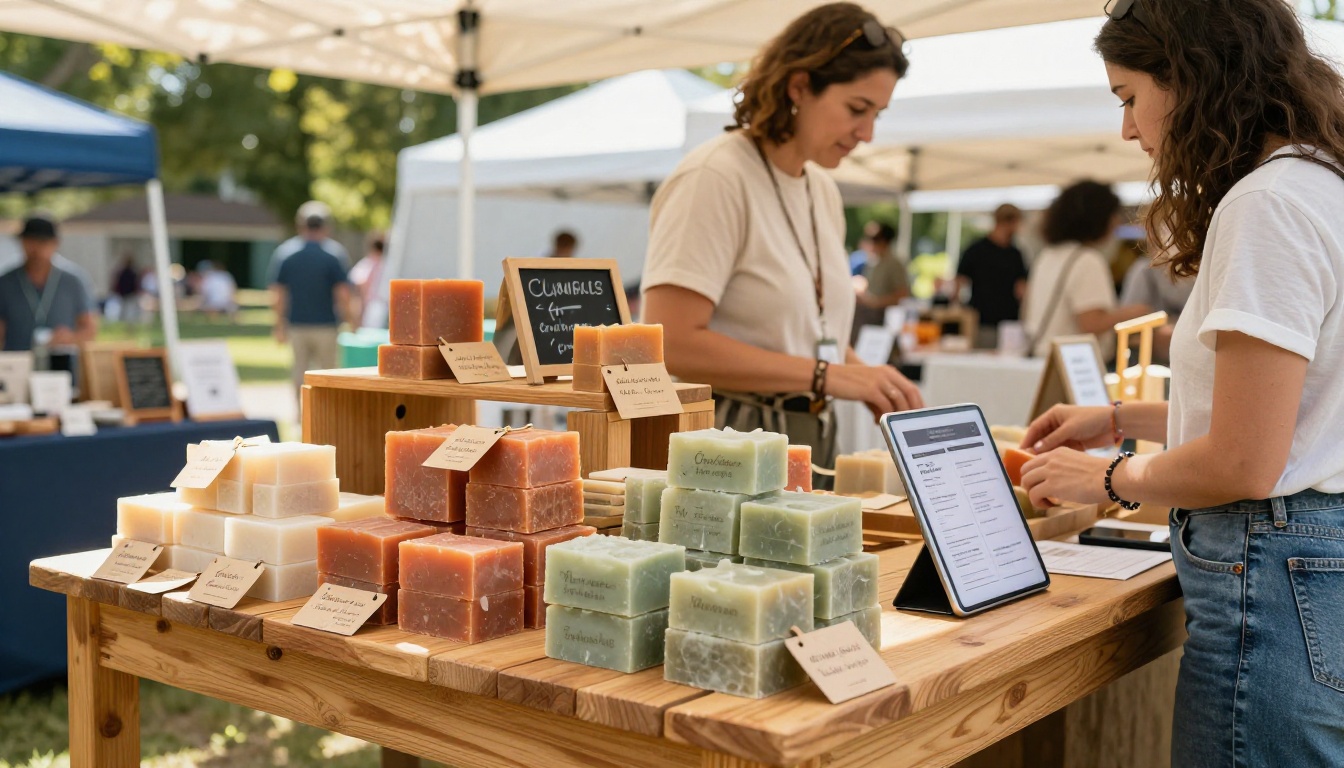
Print a 3x3 inch card with your QR code and display it prominently at your market booth. When someone picks up a bar and asks if you have other scents, hand them the QR card instead of a paper brochure. They scan it, get the full catalog on their phone, and can share it with a friend or come back to it later. This approach eliminates the cost and waste of printing hundreds of paper catalogs for event seasons.
Making Your Catalog Work Harder: Advanced Tactics
Once your flipbook is live, there are several ways to extract more value from it beyond basic sharing.
Seasonal updates without reprinting
One of the clearest advantages of a digital catalog over print is that you can update it without starting from scratch. When you add a new winter scent to your line, redesign one page in your PDF, re-export, and re-upload. Your existing flipbook link stays the same, so everyone who has your URL automatically gets the updated version. No reprinting. No redistribution. No explaining to buyers that you've sent a newer version.
Multiple catalogs for different audiences
Nothing stops you from having separate flipbooks for different audiences:
- A retail customer catalog with full product descriptions, usage tips, and ingredient stories
- A wholesale buyer catalog with pricing tiers, MOQs, and ordering terms (password-protected)
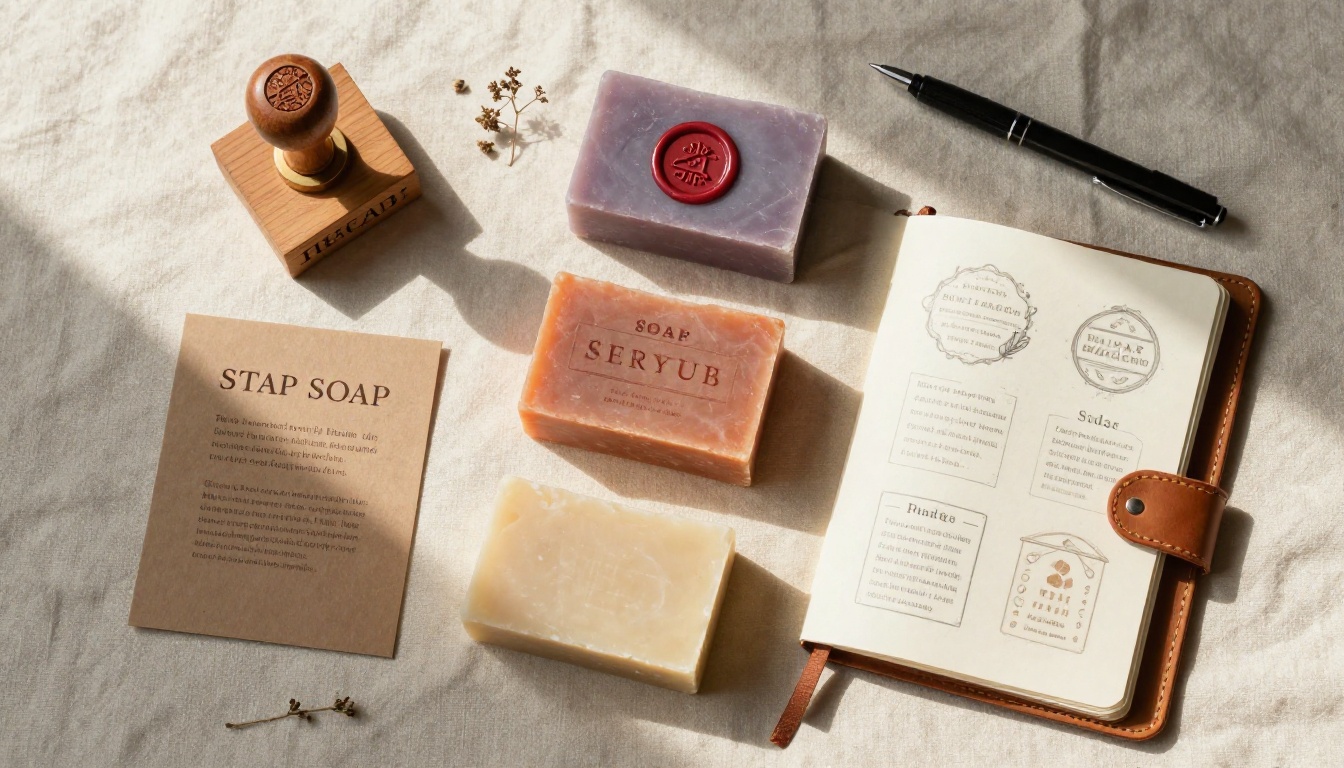
- A press kit catalog with brand story, founder bio, and media-ready product photography
Use the Digital Catalog Maker for your retail version, and the Product Catalog tool for your wholesale-focused variant. Both are purpose-built for exactly this kind of product presentation.
Embedding in your website
If you have a website on Shopify, Squarespace, Wix, or WordPress, embedding your flipbook on a dedicated catalog page adds a premium element that static product grids can't match. Buyers who arrive from a wholesale inquiry email and land on your embedded flipbook get a full brand experience without leaving your site. It also keeps them engaged longer, which matters for both human buyers and SEO signals.
Not every format suits every situation. Here's a direct comparison to help you decide when to use each:
| Format | Cost Per Unit | Shareability | Updatable | Analytics | Best For |
|---|
| Printed Catalog | $1.50 - $4.00 | Low (physical only) | No | None | In-person events |
| Static PDF | Near zero | Medium (requires download) | No (must resend) | None | Email attachments |
| Digital Flipbook | Near zero | High (link or embed) | Yes | Yes (Pro plan) | All channels |
| Website Product Page | Developer cost | High | Yes | Basic | Long-term SEO |
For a handmade soap brand with limited time and budget, a digital flipbook hits the sweet spot: low cost, high presentation quality, easy to update, and shareable across every channel you use.
When print still makes sense
Physical catalogs are still worth producing in small quantities for specific situations: high-end trade shows where a printed piece becomes a leave-behind, pop-up retail activations where ambiance matters, or gifting to VIP wholesale accounts as a relationship gesture. The difference is that print becomes supplementary rather than primary. Your flipbook handles the daily volume while printed pieces do targeted relationship work.

What Soap Brands Are Reporting After Switching
Small soap brands that have shifted to digital flipbook catalogs report consistent patterns across their sales and outreach:
- Fewer "do you have a catalog?" questions at markets because a QR code answers them instantly without eating into conversation time
- Higher wholesale conversion because buyers can share the flipbook internally with their purchasing team before making a decision
- More professional perception from press and gift shop buyers who receive a flipbook link instead of a PDF attachment or a physical brochure they didn't ask for
- Zero reprinting costs when recipes change, prices update, or new seasonal products launch mid-year
- Faster onboarding for new stockists: send one link in a welcome email and the buyer has everything they need to start ordering
The shift from printed catalogs to digital flipbooks is not about abandoning the tactile, artisan character of your soap brand. It's about giving that character a format that can travel as far as your ambitions. A buyer in a city you've never visited can flip through every bar in your collection, read the ingredient story behind your goat milk formula, and place a wholesale inquiry, all from a link you shared three months ago in an email you've since forgotten.
Where to Start Today
If you already have a PDF version of your catalog, you're one upload away from a live, shareable flipbook. If you're starting from scratch, spend an afternoon in Canva building a 12 to 16 page catalog using your existing product photos, then bring it into Flipbooks AI.
Ready to build yours? Create your account and convert your first soap catalog in minutes. When you're ready to remove watermarks and add your brand identity to the viewer, compare pricing plans to find what fits your stage of growth.
Browse all available tools and templates to find the exact catalog format your soap brand needs, from product-focused showcases to wholesale pitch decks and press kit publications. Your catalog is already built. Now let it work for you around the clock.



