If your travel brochure only exists as a printed stack in an airport rack or a PDF attachment in an email, you are already behind. Travelers today scroll, swipe, and share online before they ever pack a bag, and the businesses that capture their attention early are the ones that win the booking. Turning your travel brochure into a flipbook is one of the fastest, most cost-effective moves a travel brand can make, and with Flipbooks AI, it takes less than five minutes.
Why Print Brochures Are Losing the Battle
The Distribution Problem
A printed travel brochure has a fixed lifespan and a limited reach. You print a run, distribute it to hotels, airports, and travel fairs, and then wait. If a potential traveler is not physically standing in front of that rack, they never see it. Compare that to a digital flipbook: one link shared on Instagram, emailed to a subscriber list, or embedded on your website reaches thousands of people instantly, across every continent.
Print materials typically reach a fraction of the audience that digital content does, and once they are out in the world, you cannot update them. A typo in a price, a changed tour itinerary, or a new destination package means printing again and redistributing from scratch. That cycle is expensive, slow, and wasteful.
⚠️ Print brochures cannot be updated after distribution. A single pricing error could mean thousands of misleading copies already in the world.
Print Costs vs. Digital ROI
Consider what it costs to produce a high-quality, full-color travel brochure at scale:
| Cost Category | Print Brochure | Digital Flipbook |
|---|
| Design Production | $500 - $5,000+ | Same existing PDF |
| Per-Unit Printing | $0.50 - $3.00 each | $0 |
| Distribution | Shipping and logistics | One shareable link |
| Updates/Reprints | Full reprint cost | Edit and republish free |
| Analytics | None | Real-time page views |
| Reach | Local/Physical | Global/Digital |
The math is straightforward. A run of 5,000 brochures at $1.50 each is $7,500 before shipping. A digital flipbook on Flipbooks AI costs a fraction of that, reaches more people, and includes analytics to show you exactly which pages your audience spends the most time on.
What a Travel Flipbook Actually Is
The Page-Turning Experience
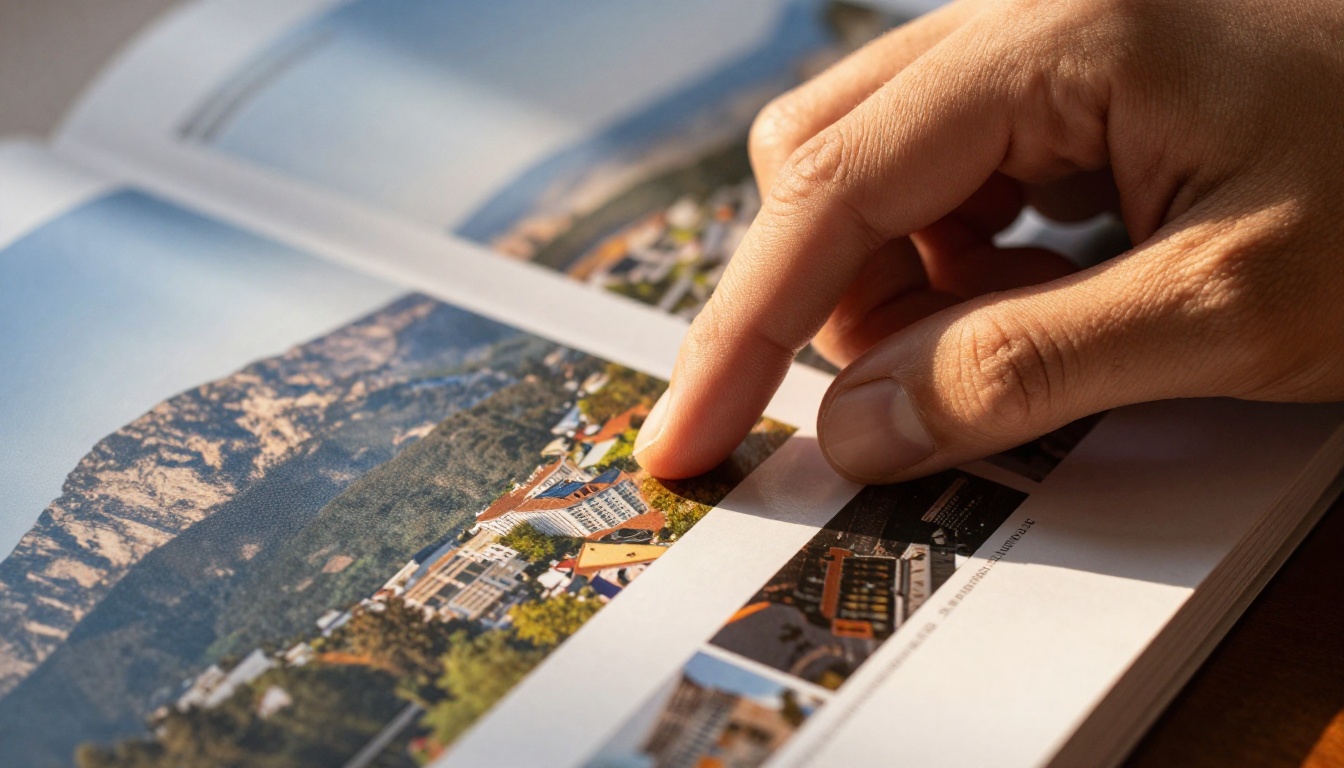
A travel flipbook is not just a PDF embedded in a webpage. It is a fully interactive, page-turning digital publication that mimics the tactile feel of flipping through a real brochure, except it lives entirely online. When someone opens your flipbook, they see your destination photography in full width, experience smooth page-turning animations, and can click embedded links, watch videos, or fill in lead capture forms without ever leaving the document.
The visual experience is what makes it so effective for travel content. A gorgeous spread of a Bali villa at sunset, a two-page panoramic of Patagonian mountains, or a close-up of street food in Bangkok, all of these images deserve the kind of presentation that a flat PDF simply cannot offer.
Works on Every Device
One of the biggest practical advantages of a digital travel flipbook is that it is fully mobile-responsive. With over 60% of travel research now happening on smartphones, a format that adapts seamlessly from a 27-inch desktop monitor to a 6-inch phone screen is not optional, it is essential.
💡 Pro tip: Travelers browsing on mobile will not pinch and zoom a PDF. A flipbook auto-adapts, making every page readable and tappable without effort.

How to Turn Your Travel Brochure into a Flipbook
This is where the process gets refreshingly simple. Flipbooks AI is built specifically for this workflow, and you do not need any technical background to do it.
Step 1: Prepare Your PDF
Before uploading, make sure your travel brochure PDF is export-ready:
- Resolution: Export at 150-300 DPI for crisp image quality on all screens
- File size: Aim for under 100MB for fast loading times
- Bleed: If your design has full-bleed images, make sure they extend to the edge of each page
- Fonts: Embed all fonts before exporting to avoid substitution errors
- Links: If your PDF already has clickable URLs, they will remain functional inside the flipbook
✅ Best practice: Use the highest-quality PDF export setting your design software offers. Flipbooks AI preserves image fidelity during the conversion process.
Step 2: Upload and Convert
Go to Flipbooks AI and create your account. Once inside the dashboard:
- Click Create New Flipbook
- Select Upload PDF
- Drag your travel brochure file into the upload zone or browse your files
- Wait for the conversion process (typically 30 to 60 seconds depending on file size)
- Preview your flipbook in the built-in viewer before publishing
The conversion engine preserves your original layout exactly. Fonts, colors, image placement, and page proportions all remain intact. What you designed is exactly what your audience sees.
Step 3: Add Branding and Colors
Once converted, you can customize the flipbook to match your brand identity:
- Custom domain: Publish on your own domain (e.g., brochure.yourtravelagency.com)
- Background color or pattern: Choose a background that complements your visual identity
- Logo placement: Add your logo to the viewer interface
- Color theme: Match the page-flip controls, navigation arrows, and toolbar to your brand palette
- Sound effects: Toggle page-turn sound on or off depending on your audience context
- Autoplay: Set the flipbook to automatically turn pages, useful for embedded lobby displays
You can also use the Brochure Flipbook Maker or the Travel Guide Flipbook tool for specific templates and starting points tailored to travel content.
Step 4: Share It Everywhere
When your flipbook is ready, Flipbooks AI gives you multiple sharing options:
- Direct link: Copy and share the URL anywhere, by email, social media, WhatsApp, or SMS
- Embed code: Paste a short snippet of HTML to embed the flipbook directly into your website or booking page
- QR code: Generate a QR code pointing to your flipbook, perfect for business cards, airport displays, or in-room hotel materials
- Password protection: Lock sensitive content like wholesale pricing or exclusive packages behind a password
- Social sharing buttons: Built-in sharing for Facebook, Twitter, LinkedIn, and WhatsApp
💡 Pro tip: Embedding a flipbook directly on your destination landing page increases average time on site and signals quality content to search engines, which can improve your organic rankings.
Features That Set Travel Flipbooks Apart
Not all flipbook tools are equal. Here is what Flipbooks AI brings to the table specifically for travel content:
| Feature | Why It Matters for Travel |
|---|
| Page-turning animation | Replicates the feel of a premium print brochure |
| Embedded video | Showcase destination highlight reels inside the flipbook |
| Mobile-responsive design | Captures smartphone browsers doing travel research |
| Real-time analytics | See which pages travelers engage with most |
| Lead generation forms | Capture inquiries directly inside the brochure |
| Password protection | Share exclusive packages with vetted clients only |
| Custom branding | Remove all platform watermarks, publish under your own brand |
| Offline downloads | Allow clients to save the flipbook for reference on the go |
| Embed on any website | Drive engagement on your destination pages |
| No watermarks | Professional presentation for any audience |
Multimedia Inside Your Brochure
Static photography is powerful, but video takes travel content further. Inside a flipbook, you can embed destination videos, drone footage, hotel room tours, and testimonial clips directly onto specific pages. A traveler reading your Caribbean cruise package can tap a page and watch a 60-second highlight reel without leaving the flipbook.
The same applies to audio. Some travel brands embed ambient soundscapes from destinations, a subtle but highly effective sensory touch that static print simply cannot replicate.
Analytics That Tell You What Works
One of the most underrated features of digital flipbooks is the data they generate. On the Professional plan, you get visibility into:
- Total views and unique visitors per flipbook
- Time spent on each individual page
- Click-through rates on embedded links and CTAs
- Geographic location of viewers
- Device type breakdowns (mobile vs. desktop vs. tablet)
- Lead capture form submission rates
For a travel brand running multiple seasonal brochures, this data is invaluable. If 80% of your viewers are dropping off by page 6, you know your opening section needs work. If your "Book Now" button on page 12 is getting 40% click-through, you know to push that section harder in future designs.
Who Benefits Most from Travel Flipbooks
Travel Agencies
Independent travel agencies and large tour operators both benefit from the same core advantage: a digital flipbook is a living sales tool. Instead of handing a client a printed brochure that may be out of date within weeks, you send them a link. They open it on their phone, share it with their spouse, and save it for later reference. Every interaction with that flipbook is a touchpoint you can track and act on.
Travel agencies can create a separate flipbook for each destination region, each season, or each product type (honeymoon packages, adventure travel, family tours) and share the relevant one in each client conversation. The Online Brochure Designer is a practical starting point for agencies building out their digital brochure library.
Hotels and Resorts
A hotel brochure flipbook is not just a sales tool, it is a guest experience enhancement. Guests can browse room categories, dining options, spa menus, and local excursions from their phone before they even arrive. The Hotel Brochure tool makes this straightforward to build.
Resorts can also use flipbooks for:
- Pre-arrival welcome guides sent via email at booking confirmation
- In-room digital compendiums accessed via QR code on the bedside table
- Group sales packages shared with corporate event planners and wedding coordinators

Tour Operators and DMOs
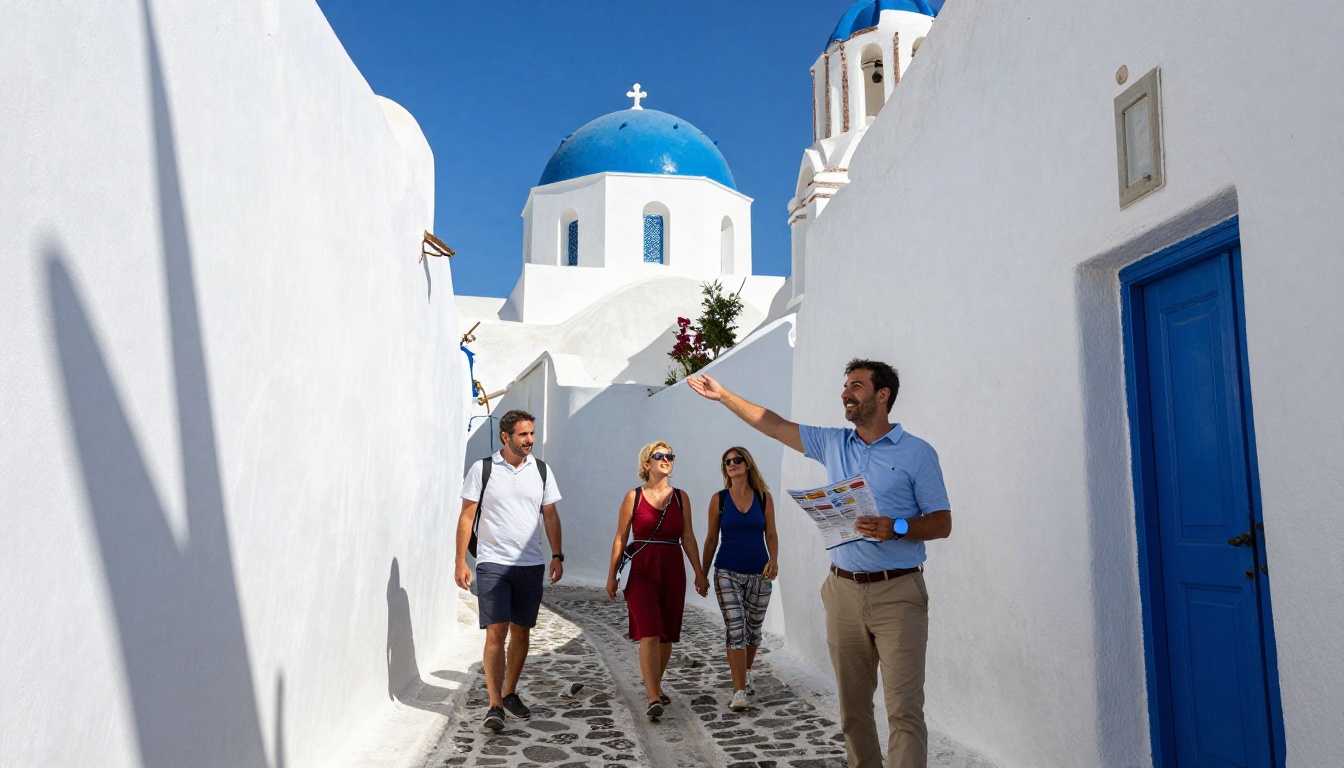
Destination Management Organizations and tour operators produce some of the most visually rich content in the travel industry. An annual destination guide, a walking tour brochure, or a cultural events calendar all shine in flipbook format.
Tour guides using printed brochures on-site can replace them entirely with a QR code pointing to the digital version, always up-to-date, always accurate, and costing nothing per distribution.
✅ Best practice: DMOs can segment flipbooks by traveler type (solo adventure, family, luxury) and distribute them through targeted email campaigns with trackable links. The analytics data then feeds directly back into content strategy for the next season.
Flipbooks AI Plans for Travel Businesses
Choosing the right plan depends on your volume of flipbooks and which features your business needs. Here is how the main tiers compare:
| Feature | Free | Standard | Professional |
|---|
| Number of Flipbooks | Limited | Unlimited | Unlimited |
| Watermark | Yes | No | No |
| Custom Branding | No | Yes | Yes |
| Password Protection | No | Yes | Yes |
| Analytics | No | Basic | Advanced |
| Lead Generation Forms | No | No | Yes |
| Offline Downloads | No | Yes | Yes |
| Embed on Website | Yes | Yes | Yes |
| Custom Domain | No | No | Yes |
For travel brands serious about digital distribution, the Standard plan removes watermarks and allows unlimited flipbooks, which is the practical minimum for professional use. The Professional plan adds the analytics and lead generation features that make a flipbook a revenue tool rather than just a PDF viewer.
Explore pricing plans to find the right fit for your team and content volume.
Real-World Use Cases That Convert
Different travel businesses use flipbooks in different ways. Here is a breakdown of the most effective applications by business type:
Each of these scenarios shares a common thread: the content already exists as a PDF or printed brochure. The only step is conversion, and Flipbooks AI does the heavy lifting in under a minute.

Stop Printing. Start Sharing.
Your travel brochure already has the content. The design is done. The photography is stunning. The only thing holding it back is the format that modern travelers actually engage with.
Converting your travel brochure into a flipbook is not a major project. It is a 5-minute process that opens up global distribution, real-time analytics, zero reprinting costs, and a presentation quality that print simply cannot match. The travelers you want to reach are online right now, and a flipbook meets them where they already are.
Ready to make the switch? Create your first travel flipbook on Flipbooks AI and see the difference for yourself. Browse all flipbook tools to find the perfect starting point for your content type, or compare pricing plans to choose the tier that fits your business.



