Your magazine's name is the first thing readers see, and in the crowded world of digital publishing, it is often the only thing that makes them click. Flipbooks AI has helped thousands of creators turn static PDFs into interactive, page-turning publications, but even the most beautifully designed flipbook falls flat without a name that pulls people in. The good news: AI tools have made the naming process faster, smarter, and far less painful than staring at a blank page for hours.
This article covers exactly how to use AI to generate, test, and choose a name for your digital magazine, from briefing the AI correctly to picking between finalists using clear, repeatable logic.

Why Your Magazine Name Matters
It shapes first impressions instantly
Before anyone reads a single article, the name of your publication signals what kind of content lives inside. Vogue implies aspiration and fashion authority. Wired implies technology and forward thinking. The Economist implies measured, serious editorial depth. These names do not just label content; they promise an experience.
A digital magazine has an even harder job than a print title. It competes not just on the newsstand but across search engines, social feeds, email inboxes, and app stores simultaneously. A name that is hard to spell, easy to forget, or too generic will bleed discoverability at every single touchpoint.
Names affect SEO from day one
The name you choose will often become your domain name, your social handles, and the anchor text in dozens of backlinks. A name with a natural-language word related to your topic, without being generic or keyword-stuffed, gives you a meaningful organic search signal from the moment you publish your first issue. Search engines treat your publication name as a brand signal; a strong, distinctive name builds authority faster than a generic label ever will.
The naming window closes fast
Most editors spend too long on names after they have already started publishing. The moment you release your first issue under any working title, that title begins accumulating brand equity. Changing it later confuses subscribers, breaks links, and forces you to rebuild your search presence from scratch. Getting the name right before issue one is not perfectionism; it is efficiency.
What AI Does When Naming
Pattern recognition across millions of publications
AI language models do not invent words from nothing. They recognize patterns: what high-performing magazine names in your niche sound like, which phonetic structures feel premium versus cheap, and how long a name should be for your specific category. When you brief an AI well, you are essentially asking it to surface those patterns for your specific combination of audience, tone, and topic.

It generates volume, you curate quality
The single biggest advantage of AI for naming is speed. A well-crafted prompt can produce 30, 50, or even 100 name candidates in seconds. Human brainstorming sessions might yield 15 names in an hour. The ratio matters: more candidates means a higher probability that one of them is genuinely excellent. You are not outsourcing creativity to AI; you are using AI to widen the search space so your own judgment has more to work with.
It does not replace editorial instincts
AI will generate names that technically work but feel off. It will occasionally produce something already trademarked, too similar to a competitor, or that sounds great in English but has an unfortunate meaning in another language. Your role is to act as a filter, not a passive recipient of the first output. The best results come from iterating the prompt across multiple rounds, not accepting the first list.
5 Name Styles AI Produces Well
Understanding the different structural types helps you write better prompts and evaluate outputs faster.
| Name Style | Description | Hypothetical Examples | Best For |
|---|
| Compound Words | Two relevant words fused together | FrameShift, DeskPulse, VaultRead | Tech, business, niche verticals |
| Abstract Nouns | Single evocative word with broad meaning | Meridian, Stratum, Quill | Premium, lifestyle, culture |
| Descriptive + Noun | Qualifier plus a category word | Quiet Quarterly, Bright Folio, Raw Signal | Newsletter-style, editorial |
| Portmanteau | Two words merged into one new word | Ediflex, Curatia, Publico | Brands aiming for distinctiveness |
| Numeral or Initial | Numbers or letters as part of the identity | The 8th, QMD, F/3 | Bold, modern, minimal aesthetics |
💡 Ask the AI to generate names in each of these five styles separately. Mixing all categories into one prompt usually produces a muddled list where no single direction gets enough depth.
Briefing AI for Better Names
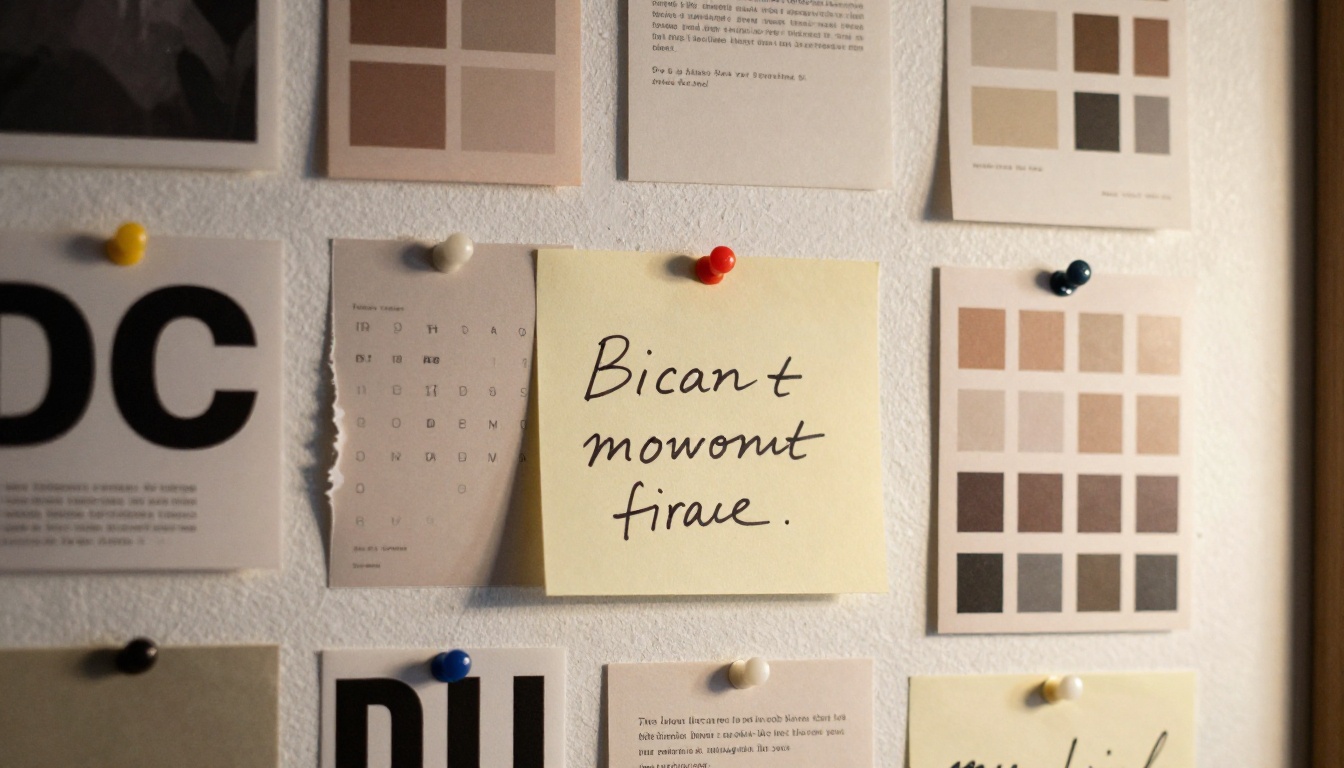
The 4-part brief structure
Most people prompt AI with something like "give me magazine name ideas for my travel publication." That is too thin. A name that works for a budget backpacker audience is completely different from one that works for luxury slow-travel readers. Here is a four-part structure that consistently produces stronger results:
- Topic: What the magazine is about, not just the broad category but the specific angle
- Audience: Who reads it, including age range, lifestyle, professional context, and values
- Tone: What voice the publication uses, whether conversational, academic, irreverent, or aspirational
- Exclusions: What to avoid, such as names that are too generic, too long, or already prominent in your space
Example brief in practice
Here is a concrete comparison of a weak brief against a strong one:
| Brief Quality | Prompt Given | Typical Output |
|---|
| Weak | "Name ideas for a food magazine" | Generic: TasteNow, FoodForward, FlavorHub |
| Medium | "Name ideas for a plant-based food magazine for millennials" | Better: Verdant, Rootward, GreenTable |
| Strong | "Name a digital magazine about fermented foods and gut health for busy professionals aged 28-45 who want science-backed content with a direct tone. Avoid the words: health, wellness, gut, probiotic." | Distinctive: Cultures, The Ferment, Batch & Co, Slow Process |
The exclusion clause in the strong brief is often the most powerful single line. It forces the AI away from the obvious and into more interesting territory.
Iterate in rounds
Do not stop at one prompt. Run three to five rounds, each time feeding the AI your top three candidates from the previous round and asking it to generate variations, adjacent ideas, or names that feel similar in tone but more memorable. This narrowing-down loop reliably surfaces names you would not have found in the first pass.
✅ Save every output from every round, even the names that feel wrong now. Creative direction shifts, and a name that felt too edgy in round one might be exactly right for a sister publication later.
Name Your Magazine With Flipbooks AI
Flipbooks AI is not just a place to publish your magazine once it has a name. It is a full publishing environment where you can see how a name looks and feels on an actual interactive publication before you commit. Here is the step-by-step process:
Step 1: Create your account
Go to flipbooksai.com/account and create a free account. No credit card is needed to get started on the Standard plan.
Step 2: Build your test layouts
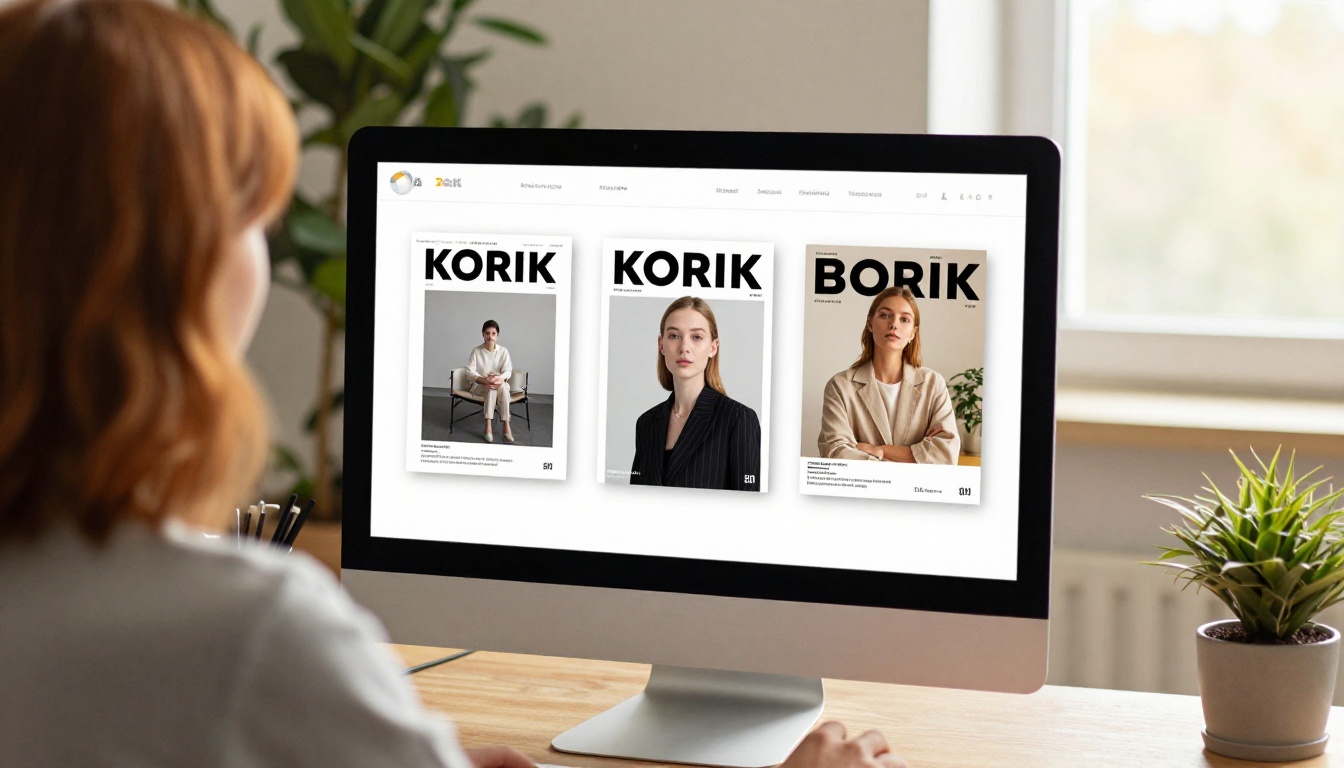
Create a simple one-page PDF in Canva, Adobe Express, or Google Slides using your top two or three name candidates. Use the same font, color palette, and design style for each version. The only variable between them should be the name itself.
Step 3: Upload and convert
Use the PDF to Flipbook Converter to upload your test layout PDFs. Each one converts in seconds to a fully interactive flipbook with a real page-turn effect.

Step 4: Apply your branding
Within the Flipbooks AI editor, add your colors, logo, and design details. This is where the name becomes real: seeing it on a professionally rendered interactive publication is a completely different experience from reading it in a document. Your gut reaction at this stage is useful data.
Step 5: Share and collect reactions
Every flipbook on Flipbooks AI gets a shareable link and an optional embed code. Send two or three test versions to five people who represent your target audience. Ask them one question: "Which publication would you click on first?" Their answers, not your personal preference, should weight the final decision.
💡 Use Flipbooks AI's E-Magazine Publishing Tool for a purpose-built experience if you are launching a full editorial publication.
Step 6: Lock in and go live
Once you have a winning name, publish your first real issue using the same account. The Magazine Flipbook Creator handles everything from multi-page layouts to embedded video and audio. On the Professional plan, you also get analytics showing exactly how readers move through your publication, plus lead generation tools to grow your subscriber list.
Flipbooks AI plan comparison:
| Feature | Standard | Professional |
|---|
| No watermarks | ✅ | ✅ |
| Unlimited flipbooks | ✅ | ✅ |
| Custom branding | ✅ | ✅ |
| Password protection | ✅ | ✅ |
| Analytics and lead gen | ✗ | ✅ |
| Offline downloads | ✗ | ✅ |
| Embedded video and audio | ✅ | ✅ |
| Mobile-responsive design | ✅ | ✅ |
See full details on the pricing page.
Testing Your Finalist Names
The 4-second rule
Read the name aloud. In four seconds, can someone who has never heard it sense roughly what your magazine is about, or at least feel the tone of the publication? If it takes longer than that to process, it is too abstract for most audiences. Clarity and intrigue are not opposites; the best names deliver both.
Check availability in 10 minutes
Before falling in love with a finalist, run four quick checks:
- Google the exact name in quotes: does a competitor already own this territory?
- Check domain availability: your exact name .com is ideal; a .co or hyphenated version is acceptable if unavoidable
- Search social handles: Instagram, LinkedIn, and TikTok handles should be available or closely match your chosen name
- Run a basic trademark search: USPTO for the US, EUIPO for Europe; look for exact matches and phonetic near-matches in your publishing category
The phonetic test
Spell the name out loud to someone, then have them spell it back after hearing it once. If they get it wrong, readers will too, and that means lost direct traffic every time someone tries to find you from memory alone.
⚠️ A name that is hard to spell is a direct tax on your audience growth. Every misspelling sends a potential reader to a competitor's site instead.
3 Naming Mistakes Worth Avoiding

Naming after your content category
"The Travel Magazine" or "The Finance Journal" are not names; they are descriptions. They cannot be trademarked effectively, they rank poorly in search because they compete against every other publication using the same generic words, and they give your audience no specific reason to remember you over anyone else.
Making it too personal
Naming your publication after yourself works well for newsletters built on personal authority, such as curated briefings or opinion pieces signed by a known voice. It becomes a liability for a magazine meant to scale beyond one person. If you ever want to bring on co-editors, sell the publication, or expand beyond your own expertise, a personal-name brand becomes a ceiling.
Picking your taste over reader data
Founders consistently overweight their own aesthetic preferences and underweight reader clarity. The test layout method described in the Flipbooks AI workflow above exists specifically to counter this tendency. Let real reactions from real readers break the tie between equally strong candidates. Your preferences matter, but they are one data point, not the final word.
From Name to First Published Issue
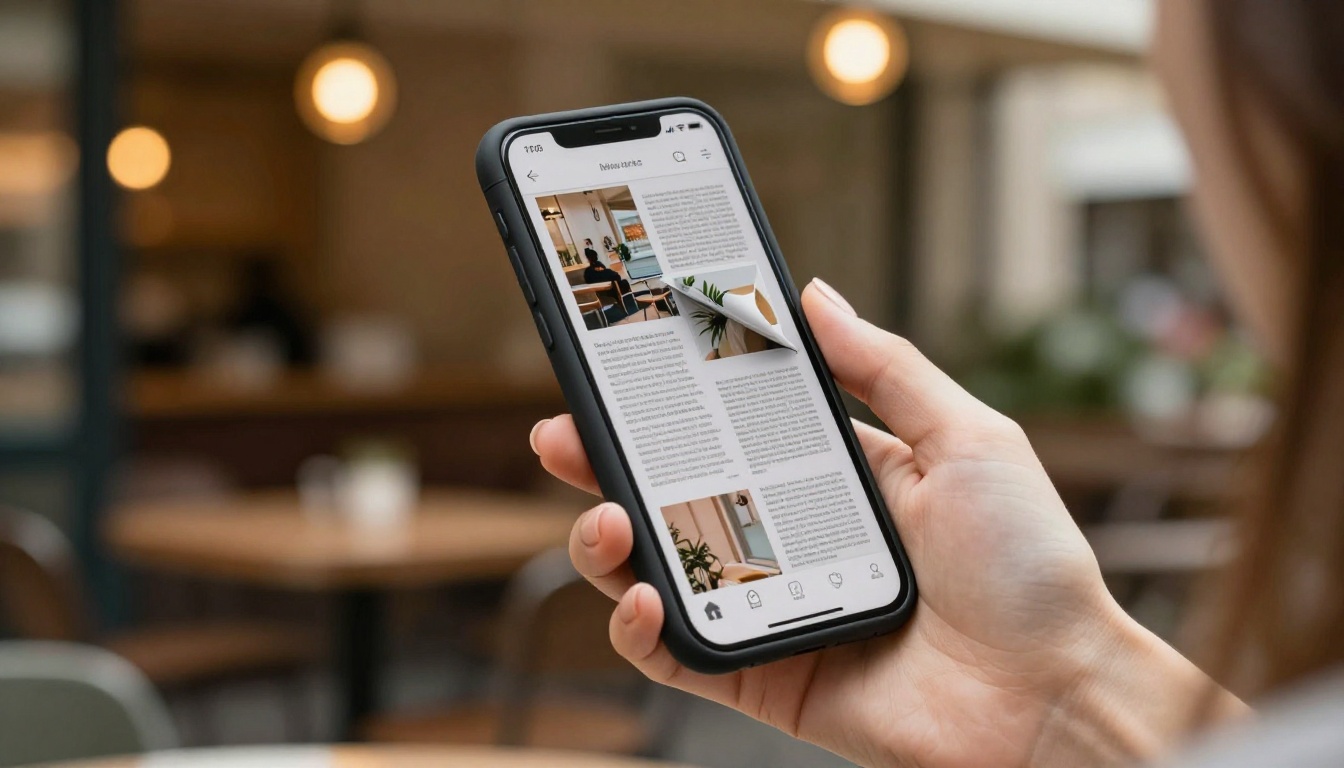
Once you have the name, the technical barrier to publishing your first digital issue is remarkably low. Flipbooks AI takes a designed PDF and converts it into a professional, page-turning publication in seconds. The platform handles mobile responsiveness, sharing infrastructure, and offline access automatically, so you can focus entirely on editorial work.
For specific publication formats, purpose-built tools reduce friction even further:
Browse all flipbook tools to find the right format for your publication type.
The Name Is Just the Start
A great name earns the click. What keeps readers coming back issue after issue is the quality and consistency of the publication itself. AI helped you generate the name; your editorial judgment, your publishing schedule, and the interactive reading experience you build on Flipbooks AI are what grow the audience over time.
The barrier to launching has never been lower. You have a naming process that takes hours instead of weeks. You have a publishing platform that turns a PDF into a professional interactive magazine in seconds. The only remaining variable is when you decide to start.

Ready to see your magazine name on a real interactive publication? Create your free account on Flipbooks AI and upload your first test issue today. When you are ready to grow, compare pricing plans to find the features that match your publishing ambitions.



