Wedding season books up fast. Couples book photographers 6 to 18 months in advance, which means your portfolio is doing the selling long before you ever sit down for a consultation call. If it isn't immediately compelling, they move on. This article breaks down the wedding season portfolio ideas for photographers that actually convert browsers into booked clients, from the specific shots you need to the digital formats that make those shots impossible to ignore, including how Flipbooks AI can turn your best work into a shareable, interactive experience that sets you apart.
What Couples Actually Check First
Before you add a single new image to your portfolio, it helps to understand how couples evaluate a photographer's work. The decision rarely happens the way photographers imagine.
Most couples spend fewer than 90 seconds on an initial portfolio view. They are not reading your bio first. They are scanning images for two things:
- Emotional resonance: Does this look like how I want my day to feel?
- Technical consistency: Does every shot look this good, or did I just get lucky on one great image?
Couples are also looking for evidence that you've photographed their type of wedding. An indoor ballroom couple does not want to see 40 pages of forest elopements. This is why portfolio curation, and portfolio format, matters as much as the images themselves.
💡 Ask your last 5 booked clients what made them choose you. Their answers will tell you exactly which portfolio elements are actually converting.
The 8 Shot Types Every Portfolio Needs
Not all wedding photos carry equal weight in a portfolio. After studying what actually moves couples from "maybe" to "booked," these eight categories earn their place every time.
Getting Ready Moments
Preparation shots pull double duty: they showcase your ability to work in tight, low-light spaces while capturing intimate emotion. A close-up of a mother fastening her daughter's necklace, or a groom laughing with his best man while adjusting his cufflinks, communicates warmth and storytelling ability in a single frame.
Include at least 2-3 getting-ready shots in your main portfolio. Show variety: one wide environmental shot, one close-up detail, one authentic candid.

Ceremony Frames That Tell the Story
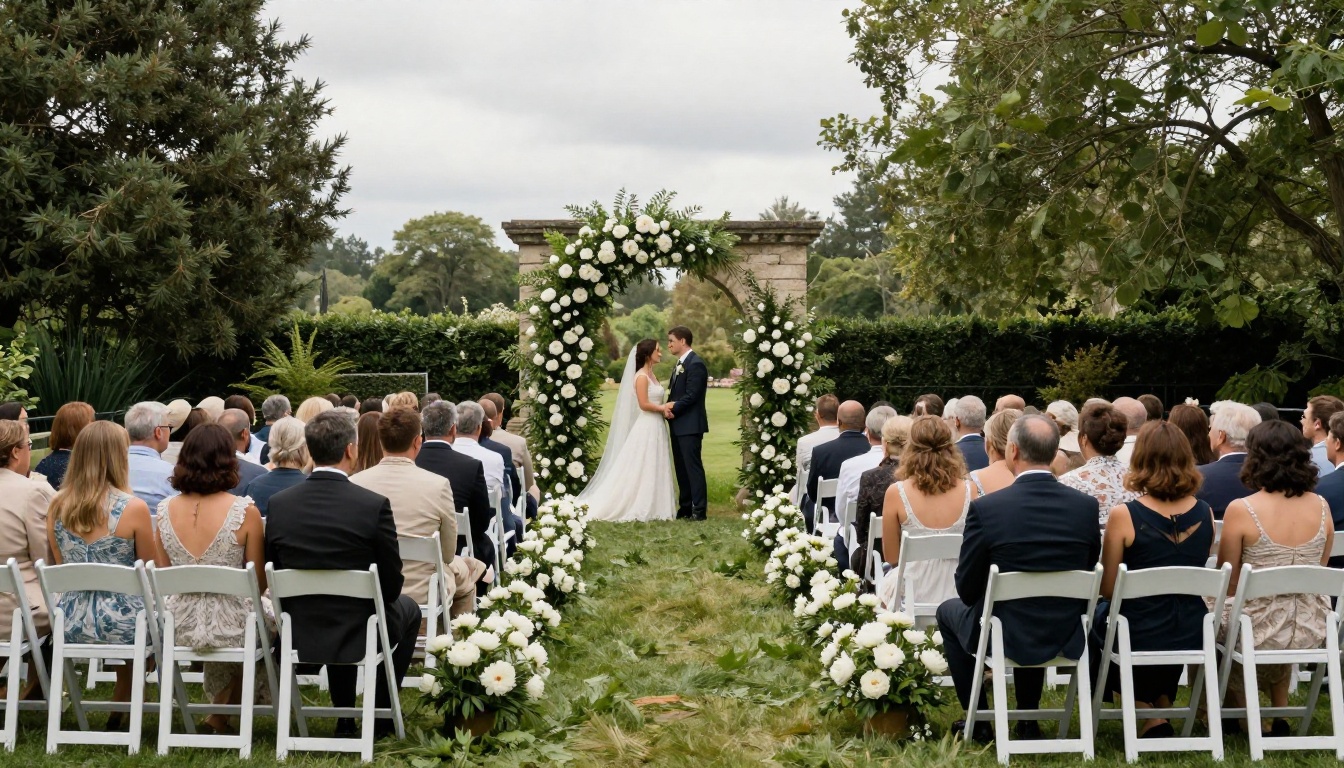
The ceremony is the emotional centerpiece. Your portfolio needs to prove you can capture it without being intrusive. Couples want to see:
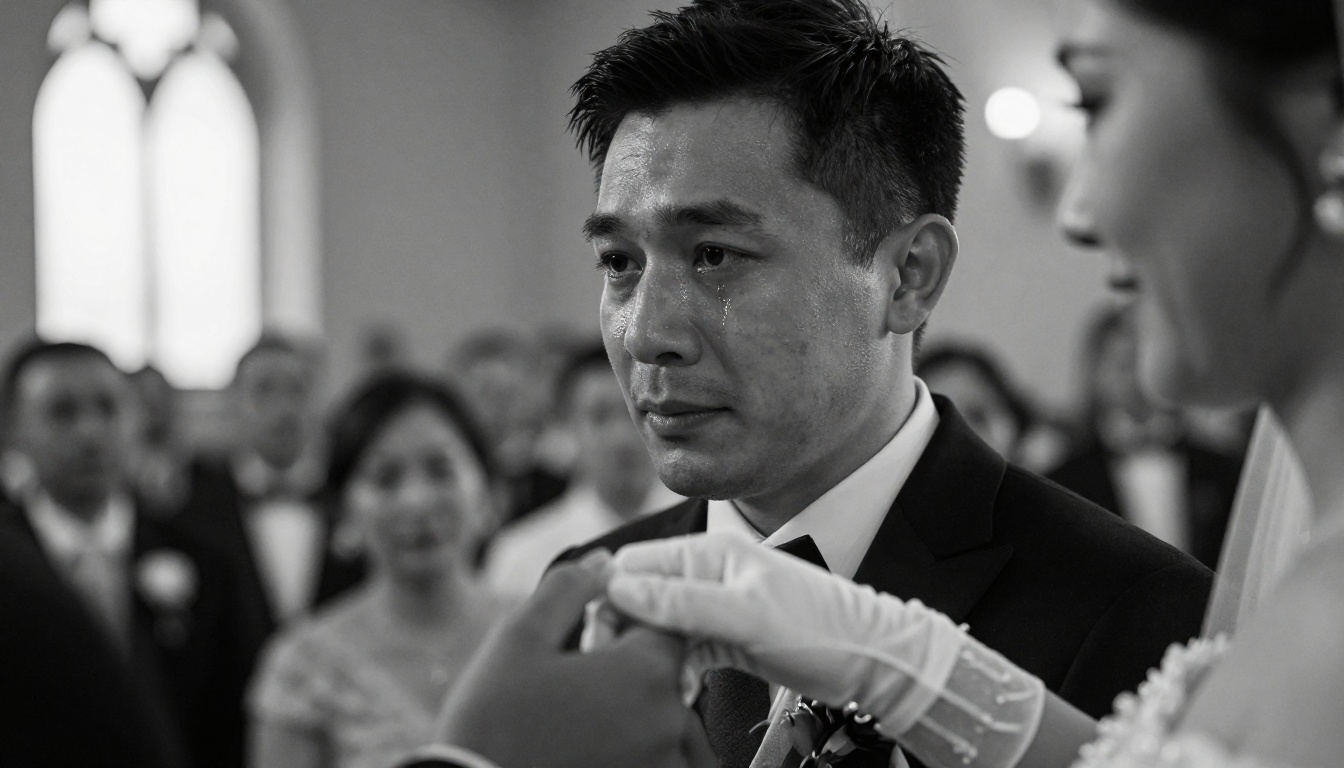
- The moment vows are exchanged, especially raw emotion on faces
- The kiss, framed with context (arch, aisle, guests in background)
- Wide shots establishing the venue's scale and atmosphere
- Quiet details: a flower girl's shoes, a grandparent wiping a tear
⚠️ Avoid including ceremony shots where you're clearly visible in the frame of another photographer. It signals poor spatial awareness and weakens the immersive quality of your portfolio.
Reception and Dance Floor Energy
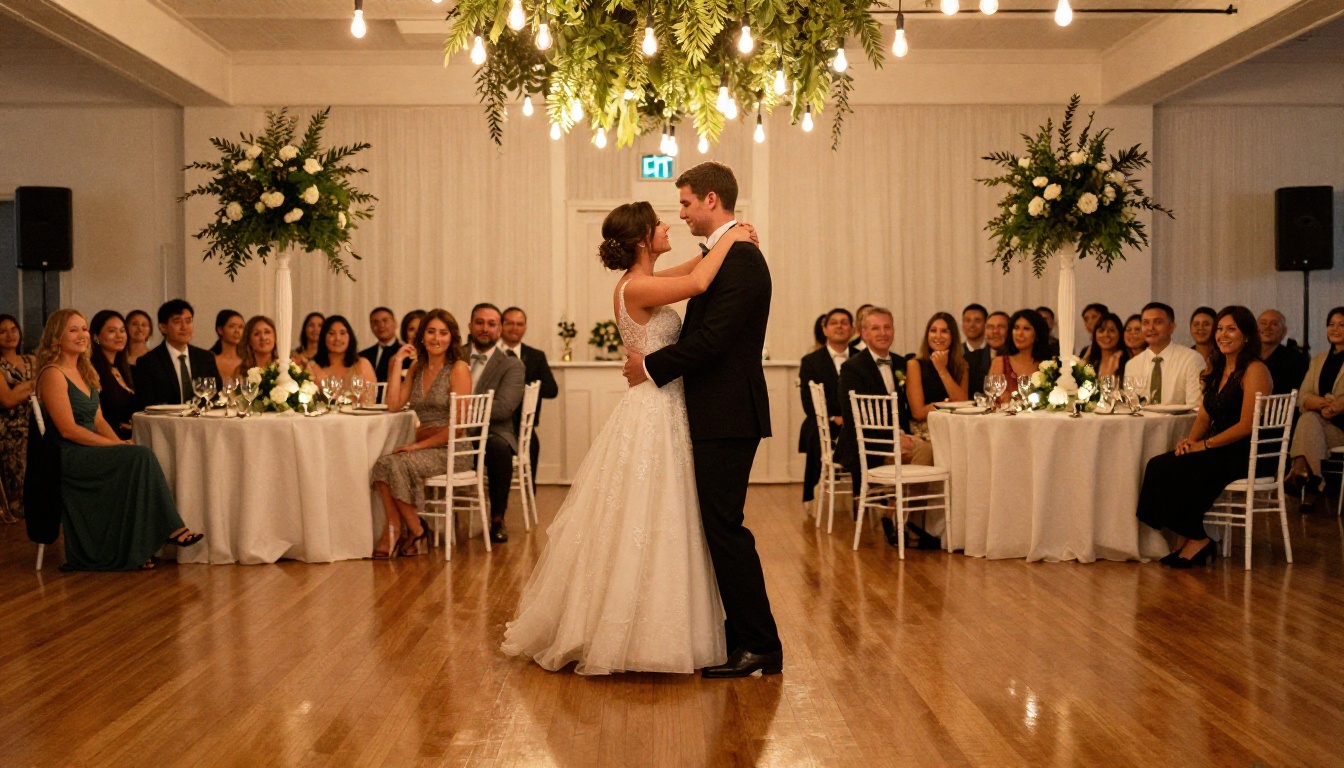
Receptions test whether you can shoot in chaotic, low-light conditions while keeping the energy alive in the frame. A flat, overlit first dance photo tells couples you'll struggle at their reception. A shot where the couple is mid-laugh, the Edison bulbs glow warmly overhead, and the dance floor reflections add depth? That books weddings.
The Detail Shots Clients Love
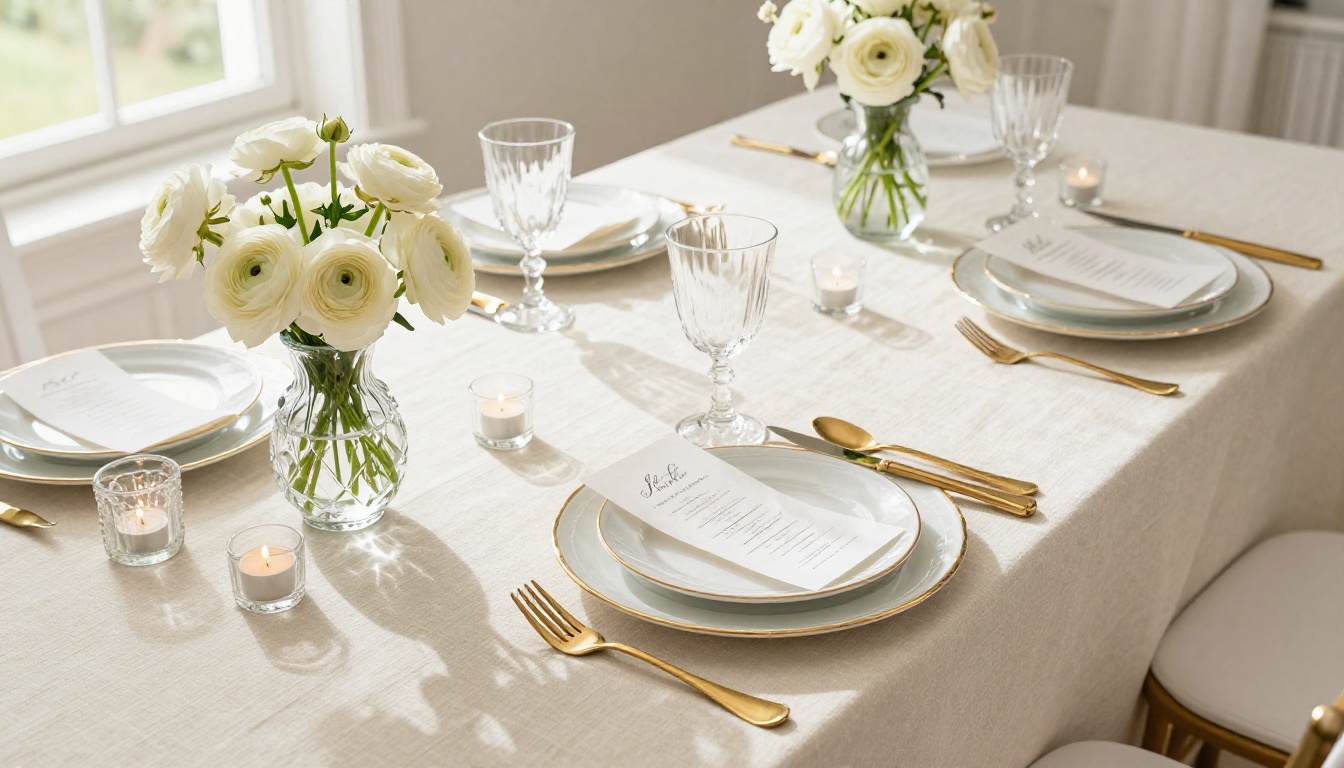
Details seem secondary until couples realize they paid thousands of dollars for florals, stationery, cake, and rings. Showing those details beautifully signals that you respect the full investment of their day.
Must-have detail shots for your portfolio:
- Ring macro on a textured surface with natural light
- Table centerpiece aerial composition
- Invitation suite flat-lay
- Dress in window light
- Cake with venue background in soft focus

How to Organize Your Portfolio
The way you arrange your work is as strategic as the images themselves. Poorly organized portfolios cause couples to click away even when the photography is excellent.
Curate, Don't Dump
The most common mistake photographers make is showing too much. A portfolio with 200 images is not more impressive than one with 30. It is exhausting and sends an implicit message that you cannot edit your own work, which raises questions about how you'll edit their gallery.
✅ Show your 30 strongest images. If you can't narrow it to 30, your portfolio work isn't done yet.
The rule is simple:
- Every image must be stronger than the weakest image currently in the set
- If you're debating whether an image belongs, it doesn't
- Remove any image that represents a skill level you've already surpassed
The 20-Image Rule
For initial portfolio views, whether on a website homepage or a printed book, 20 images is the sweet spot. Enough to show range, not enough to overwhelm.
Structure those 20 images in a narrative arc:
- Opening: 3-4 wide atmospheric shots (venue exterior, ceremony overview)
- Middle: Portraits, candids, emotionally charged moments
- Details: Rings, florals, tablescape, invitation suite
- Closing: 2-3 images that represent your signature aesthetic
This arc mirrors how the wedding day unfolds, making the portfolio feel intuitive and immersive rather than like a random image dump.
Both formats serve real purposes, and the strongest photographers use both strategically depending on the context.
| Format | Best For | Strengths | Weaknesses |
|---|
| PDF Portfolio | Email inquiries | Lightweight, quick to send | No interactivity, static feel |
| Website Gallery | Online discovery via SEO | Always accessible, linkable | Not easily shared as one file |
| Printed Book | In-person consultations | Tactile, premium impression | Expensive, not remotely shareable |
| Digital Flipbook | Online sharing, social media | Interactive, page-turn feel, embeddable | Requires a platform |
| Social Media Grid | Passive discovery | Algorithm-driven reach | No narrative control |
For wedding season specifically, the digital flipbook format has become a standout choice because it combines the premium feel of a printed book with the shareability of a web link. Couples can flip through it on their phones, share it with family, and experience the portfolio as a curated story rather than a disconnected grid of thumbnails.
💡 Send a flipbook portfolio link in your initial inquiry response. It's more memorable than a plain website URL and signals that you put thought into how you present your work.
Showing Different Wedding Styles
One of the most strategic moves a wedding photographer can make during portfolio season is segmenting by style. Rather than one giant mixed portfolio, consider building style-specific collections that speak directly to each couple's vision.
Rustic and Outdoor
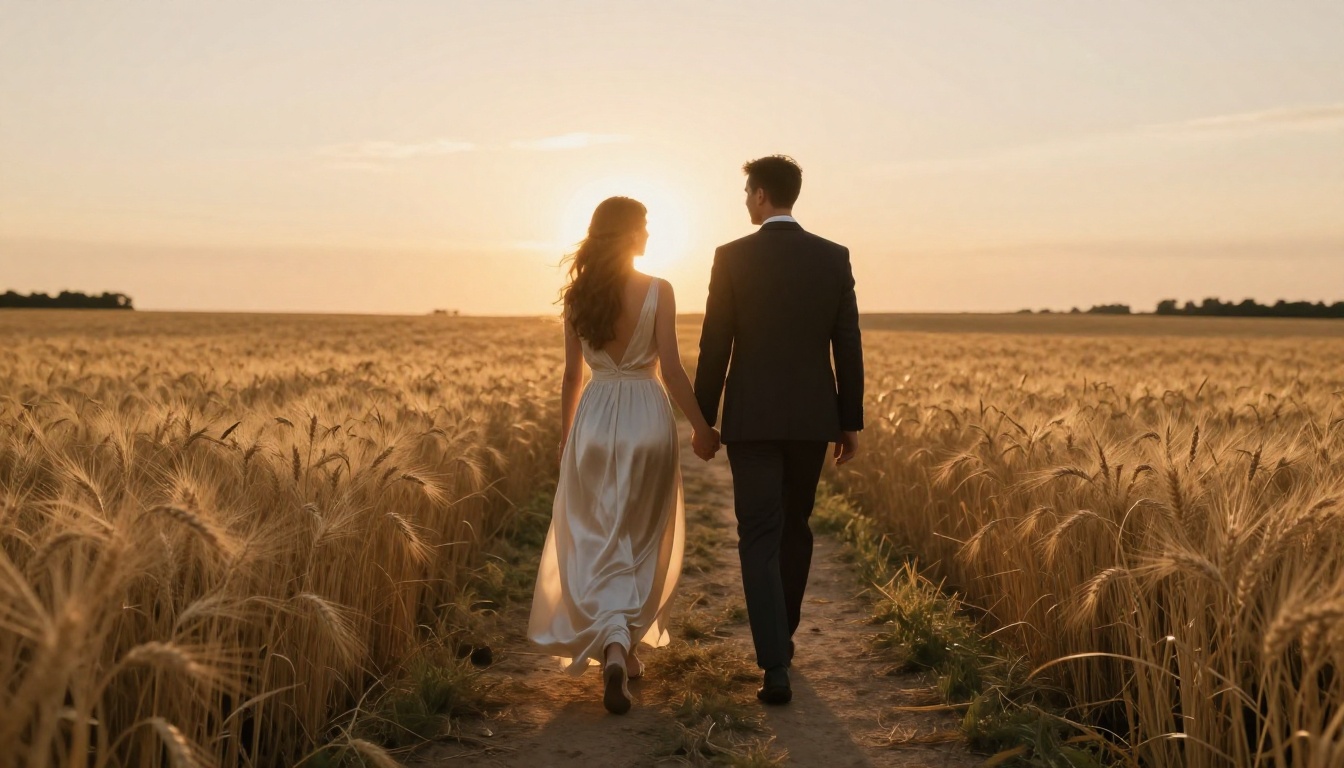
Barn venues, vineyard ceremonies, garden weddings. This segment dominates spring and early summer bookings. Your rustic portfolio should emphasize natural light, greenery, and warm tonal palettes. Golden hour shots are non-negotiable here.
Modern Minimalist
Clean architecture, neutral palettes, editorial composition. Couples booking modern venues in urban settings want to see that you can shoot without relying on natural scenery to carry the image. This segment responds well to black and white conversions and geometric compositions.
Destination Weddings
If you want to attract destination clients, you need destination portfolio content. Even one well-curated destination shoot, whether paid or styled, can open that market. These images should show your ability to adapt: different light, different venues, different vendor teams.
| Wedding Style | Shot Types | Ideal Season | Typical Venue |
|---|
| Rustic / Outdoor | Golden hour, greenery, candid emotion | Spring, Summer | Barn, vineyard, garden |
| Modern Minimalist | Clean lines, B&W conversions, editorial portraits | Year-round | Hotel, gallery, rooftop |
| Destination | Landscape context, travel documentary | Spring, Fall | Beach, European estate |
| Black Tie / Formal | Detail shots, wide reception halls | Fall, Winter | Ballroom, historic estate |
| Boho / Whimsical | Wildflowers, movement, soft diffused light | Summer | Forest, open meadow |
Build a Wedding Portfolio Flipbook
This is where Flipbooks AI changes the game for wedding photographers who want a portfolio format that feels premium without the cost of a printed book.
The Photography Portfolio tool and the Digital Portfolio Creator are built specifically for this use case. Here's exactly how to set one up:
Step 1: Prepare your PDF
Export your curated 20-30 images as a single PDF. Use a design tool like Canva or Adobe InDesign to lay out 1-2 images per page with consistent margins and your logo or watermark if desired. Keep the file under 100MB for smooth upload and fast loading on mobile.
Step 2: Upload to Flipbooks AI
Go to flipbooksai.com and create a free account. Use the PDF to Flipbook Converter to upload your file. Conversion takes under a minute.
Step 3: Brand it as your own
Add your studio name, set a featured thumbnail from your strongest image, choose brand colors that match your website, and enable the page-flip animation. Flipbooks AI supports custom branding with no watermarks on Standard plan and above, so the experience feels like yours, not a third-party platform's.
Step 4: Set your sharing options
Generate a shareable link, an embed code for your website, or set a password if the portfolio is for a specific client. The Embed Flipbook on Website tool makes this a one-click process.
Step 5: Track who opens it
On the Professional plan, you get portfolio analytics: who viewed it, how long they spent on each page, and how many times it was opened. For wedding photographers sending portfolios to multiple inquiries, this data tells you which images are holding attention and which are being skipped.
✅ Create a separate flipbook for each wedding style. Send rustic couples the rustic portfolio, modern couples the modern one. Relevance converts better than range every time.
| Flipbooks AI Plan | Price | What Photographers Get |
|---|
| Free | $0 | 3 flipbooks, basic sharing, standard link |
| Standard | Paid | Unlimited flipbooks, no watermarks, custom branding |
| Professional | Paid | Analytics, lead generation, offline downloads, password protection |
See full pricing plans to find what fits your studio's current volume and goals.
Getting More Bookings From Your Portfolio
Having great portfolio content is only half the equation. You also need to put it in front of the right couples at the right moment in their search.
Where to Post It
Most wedding photographers rely on one or two channels and leave significant visibility on the table. A well-structured distribution approach looks like this:
- Your website: Primary home for SEO-driven traffic. Gallery page with your 20-image curated set, updated each season.
- The Knot / WeddingWire: Venue-specific traffic with high booking intent. Keep featured images updated seasonally.
- Instagram: Top-of-funnel discovery. Use Reels for behind-the-scenes content, grid posts for portfolio hero shots.
- Pinterest: Long-tail traffic from couples in early research phase. Individual portfolio images with descriptive captions perform best.
- Direct email inquiries: Where the flipbook format shines. A personalized portfolio link in an initial response sets you apart from photographers who just paste a website URL.
| Platform | Traffic Type | Best Content Format | Booking Intent |
|---|
| Your Website | SEO organic | Full gallery, blog posts | High |
| The Knot | Active searchers | Featured images, reviews | Very High |
| Instagram | Social discovery | Reels, hero shots | Medium |
| Pinterest | Research phase | Individual portfolio shots | Low to Medium |
| Email inquiry | Warm leads | Flipbook portfolio link | Very High |
Testimonials and Social Proof
No portfolio section is complete without social proof placed near the images. A single line from a real couple, positioned next to an emotional shot, does more conversion work than any written copy.
Collect these from every wedding. Ask specifically: "What would you tell another couple who was considering booking us?" That framing produces specific, persuasive quotes rather than generic praise like "they were great!"
Your Portfolio Is Never Finished
The photographers who consistently book out their wedding seasons treat their portfolio as a living document. Every season brings new work, new styles, and new client expectations. The photographers who stand still get left behind.
Start this season with a hard edit: pull your 30 strongest images, build a style-specific flipbook with the Portfolio Flipbook Builder, and get it in front of the couples who are searching right now.
Ready to build yours? Get started for free on Flipbooks AI and have your first portfolio flipbook live today. See pricing plans if you want analytics and unlimited flipbooks from day one. Browse all portfolio and creative tools to find the right fit for your studio.



