Every spring the same question lands on a yearbook advisor's desk: what should one copy cost, and is paper still worth it? The honest answer is that the price on the order form hides a lot of moving parts, from page count and paper stock to shipping, unsold stock and the hours your staff spend on layout. This article breaks the cost per copy into plain numbers so you can compare a printed book with a digital edition built on a platform like Flipbooks AI, and pick the format that fits your school's budget.
The figures below are ballpark ranges meant for planning. Always request written quotes from printers, because paper prices, binding choices and freight change every year.
What Drives Yearbook Cost
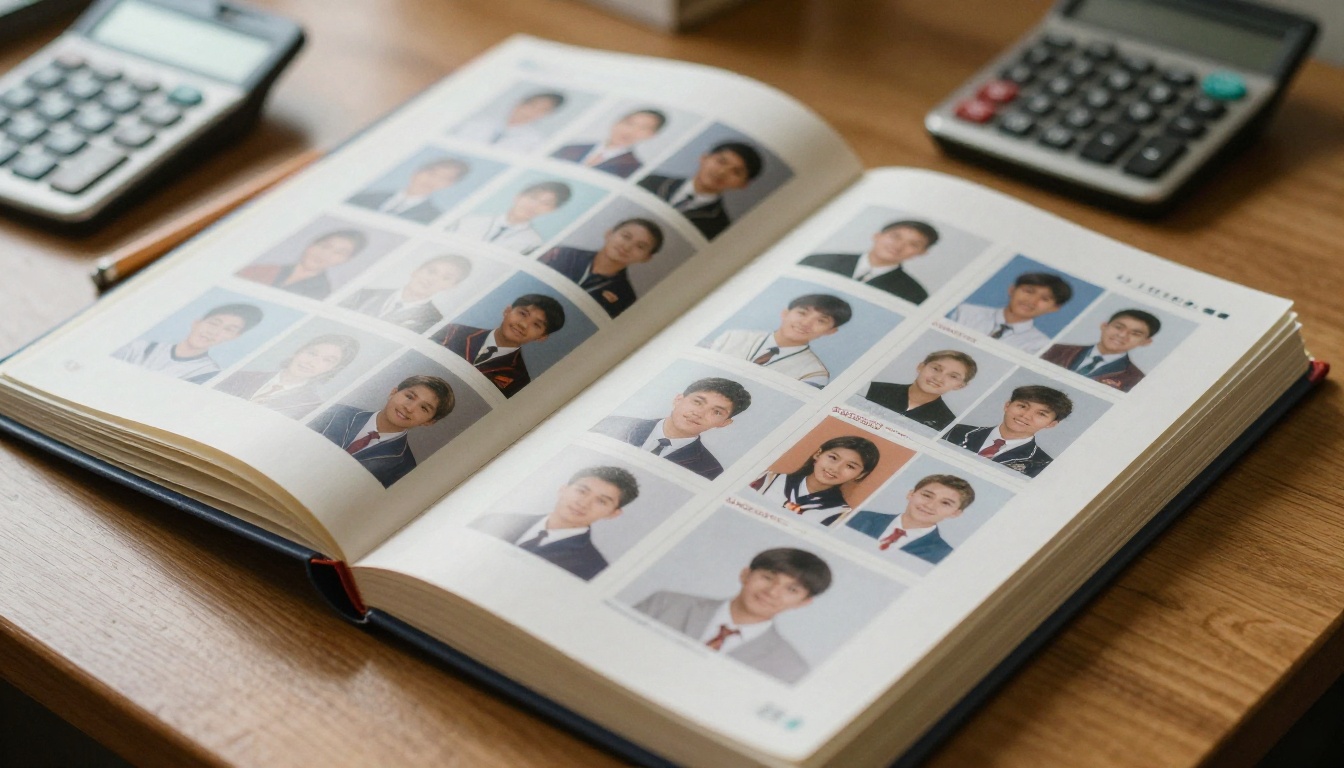
Before comparing formats, it helps to know which line items actually move the price. Printed yearbooks are priced mostly by the physical object. Digital yearbooks are priced mostly by the work that happens before publishing.
The Cost Inputs for Print
A printer builds a quote from a short list of variables:
- Page count: pages are sold in signatures of 8 or 16, so going from 120 to 136 pages can add a visible chunk to every copy.
- Trim size: larger books use more paper and need heavier binding.
- Binding: softback perfect binding is the cheapest, hardback case binding costs more, and stitched or lay-flat options sit at the top.
- Paper and color: full color on glossy stock costs far more than black and white on matte.
- Quantity: the first copies carry the setup cost, so each additional copy gets cheaper.
- Extras: foil stamping, embossing, spot gloss, dust jackets and personalized names all add a per-copy fee.
- Shipping and handling: freight to the school is often quoted separately, and it is easy to forget.
The Cost Inputs for Digital
A digital yearbook skips paper, ink and freight, but it is not free to make:
- Platform subscription: a monthly or yearly plan for hosting and the page-turning reader.
- Design time: the same layout work your staff does for print.
- Media: licensed fonts, music or video if you add them.
- Optional print-on-demand: a handful of paper copies for families who still want one.
💡 Pro tip: Ask every vendor for the price "all in, delivered, per copy" at three quantities, such as 150, 300 and 500. Comparing only the headline unit price is the most common budgeting mistake.
Print Cost Per Copy
For a typical full color school yearbook, planning ranges look like this. Treat them as starting points, not quotes.
| Format | Pages | Quantity | Typical cost per copy |
|---|
| Softback, matte | 80 to 100 | 200 | $14 to $22 |
| Softback, glossy | 120 to 150 | 300 | $18 to $28 |
| Hardback, standard | 120 to 150 | 300 | $24 to $38 |
| Hardback, premium finish | 150 to 200 | 500 | $30 to $48 |
| Elementary mini book | 40 to 64 | 150 | $9 to $15 |
Small runs are where schools get hurt. Setup, plates and press time are spread across fewer books, so a 100 copy order can cost nearly double per copy compared with a 500 copy order of the same design.
Hidden Print Costs
The printer's invoice is rarely the whole story. Watch for these:
- Proof copies: some printers charge for physical proofs.
- Late fees: missing a submission deadline can add a rush charge or push delivery past the last day of school.
- Overage and shortage: you may be billed for up to 10 percent more books than ordered, or receive fewer.
- Unsold stock: leftover books are money sitting in a closet.
- Storage and distribution: boxes, volunteers and a distribution day.
- Damaged copies: freight damage happens, and replacements are rarely free.
A Worked Print Example
Take a school of 600 students that orders 400 hardback books at $28 each with $450 shipping.
- Books: 400 x $28 = $11,200
- Shipping: $450
- Total: $11,650
- Cost per copy delivered: about $29.13
If 340 books sell at $40, revenue is $13,600 and the club clears roughly $1,950 before ad income. Sell only 280 and revenue falls to $11,200, which leaves a loss of $450. That swing is why accurate pre-orders matter.
Digital Cost Per Copy
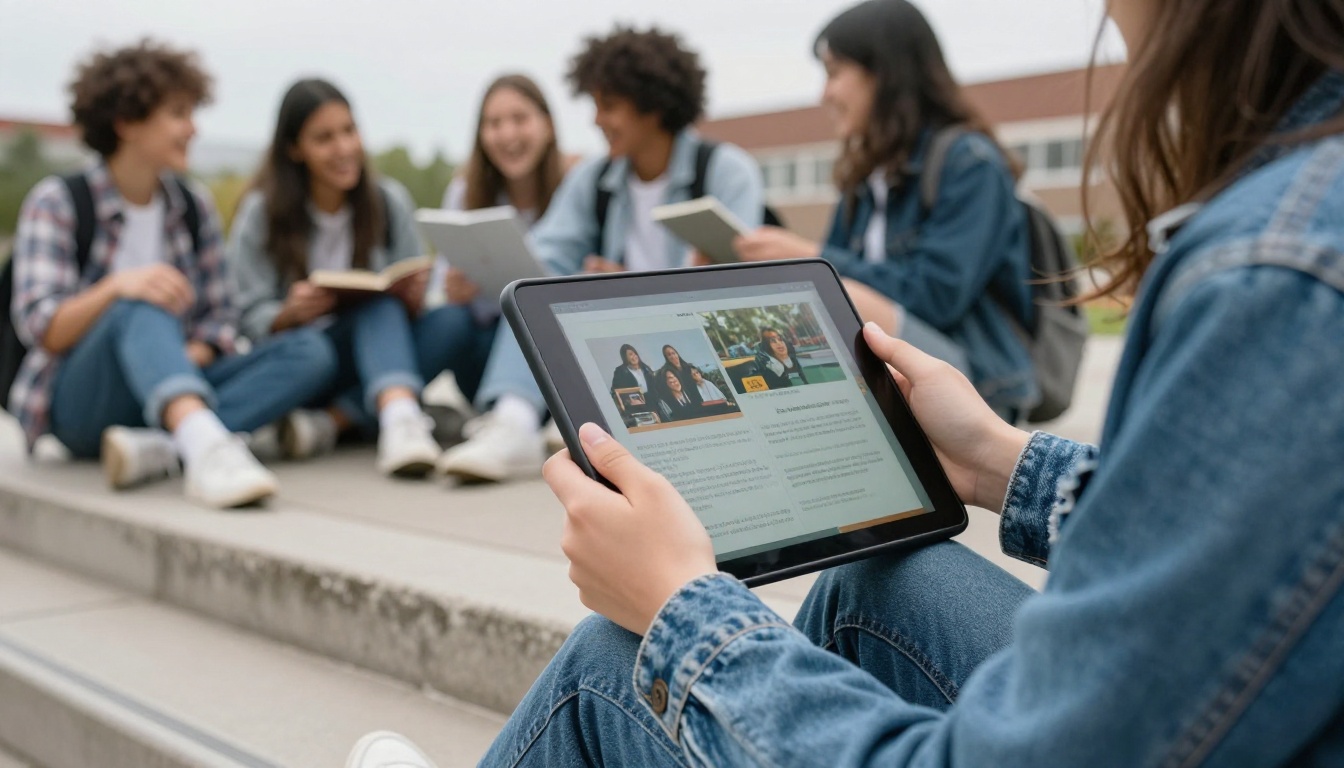
A digital yearbook behaves differently on the spreadsheet. Once the book is built, adding another reader costs close to nothing. Your spending is mostly fixed, so the cost per copy falls as more families open it.
Using a flipbook platform, you upload your layout as a PDF, and the tool converts it into a page-turning book that opens on phones, tablets and laptops. The PDF to Flipbook Converter handles the conversion, and the dedicated Yearbook Flipbook Maker is built for this exact use. You can compare plan options on the pricing page.
Sample Digital Math
Assume one platform subscription for the production year, plus a small design budget for fonts and music.
| Item | Estimated cost |
|---|
| Platform plan for the year | $200 to $600 |
| Fonts, stock music, licensed media | $0 to $120 |
| Optional paper copies for staff and archive (10 books) | $250 to $400 |
| Total | $450 to $1,120 |
Spread across 600 students, that is about $0.75 to $1.87 per student. Even if only 300 families open it, the figure is $1.50 to $3.73 per reader.
✅ Best practice: Count readers, not sales. A digital book can be shared with grandparents, deployed students and alumni, so the audience is often bigger than the number of paid orders.
Side by Side Comparison
Here is how the two formats stack up across the factors that matter to a yearbook budget.
| Factor | Printed yearbook | Digital yearbook |
|---|
| Cost per copy | $14 to $48 | Under $4 per reader in most cases |
| Upfront money needed | High, often paid before sales end | Low, plan fee only |
| Risk of unsold stock | Real | None |
| Delivery time | 3 to 8 weeks after proof approval | Same day you publish |
| Shipping and storage | Yes | No |
| Signing and keepsake feel | Excellent | Limited, unless you add a message wall |
| Video, audio, links | Not possible | Yes |
| Updates after publishing | Not possible | Easy |
| Lifespan | Decades if stored well | As long as the link or file is kept |
| Accessibility for distant family | Needs postage | Link works everywhere |
Where Print Wins
Print is the better keepsake. Students sign it, flip through it years later and hand it down. For seniors especially, nothing replaces the object itself. Printed books also need no devices or internet connection.
Where Digital Wins
Digital wins on cost, speed and flexibility. You can embed video clips of the talent show, play the school song on the sports page and fix a misspelled name after publishing. With features such as password protection, you can keep the book private to current families and staff.
Break-Even Points
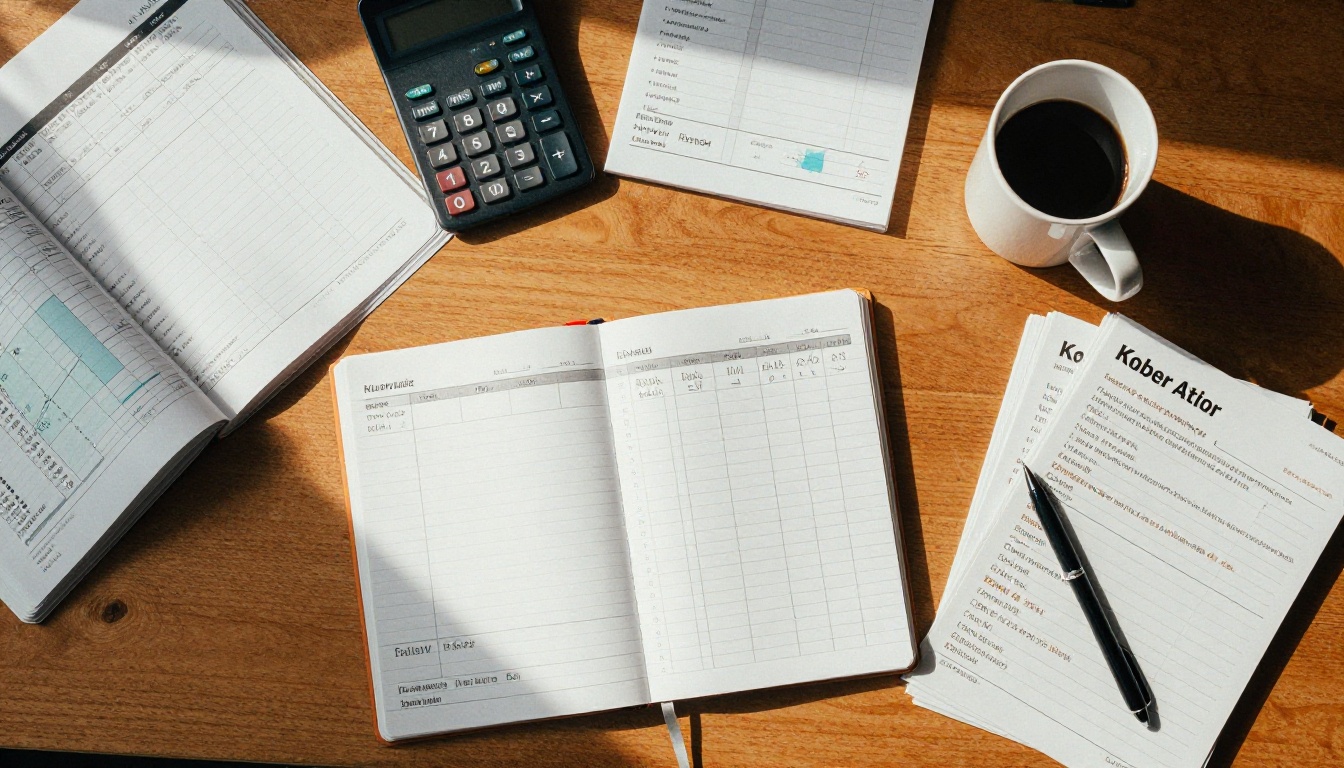
Break-even tells you how many printed books you need to sell before the club stops losing money. The formula is simple:
Break-even copies = fixed costs ÷ (selling price - variable cost per copy)
Imagine a printer that charges $1,800 in setup and layout fees plus $19 per book, with a selling price of $35.
- Margin per book: $35 - $19 = $16
- Break-even: $1,800 ÷ $16 = 113 books
If your school sells 90 books, you are underwater. If it sells 250, you are comfortably profitable. Digital break-even is far lower: with a $500 total spend and a $10 digital price, you need only 50 buyers.
Three Pricing Scenarios
| Scenario | Print only | Digital only | Hybrid |
|---|
| Students enrolled | 600 | 600 | 600 |
| Buyers | 280 | 450 | 450 digital, 120 print |
| Price | $40 | $10 | $10 digital, $35 print add-on |
| Revenue | $11,200 | $4,500 | $8,700 |
| Estimated cost | $9,000 | $700 | $3,400 |
| Net result | $2,200 | $3,800 | $5,300 |
These numbers are illustrative, but the pattern is consistent. Digital lifts participation because the price is low, and a small print run for committed buyers protects the keepsake. The hybrid wins because it avoids unsold stock.
The Hybrid Model
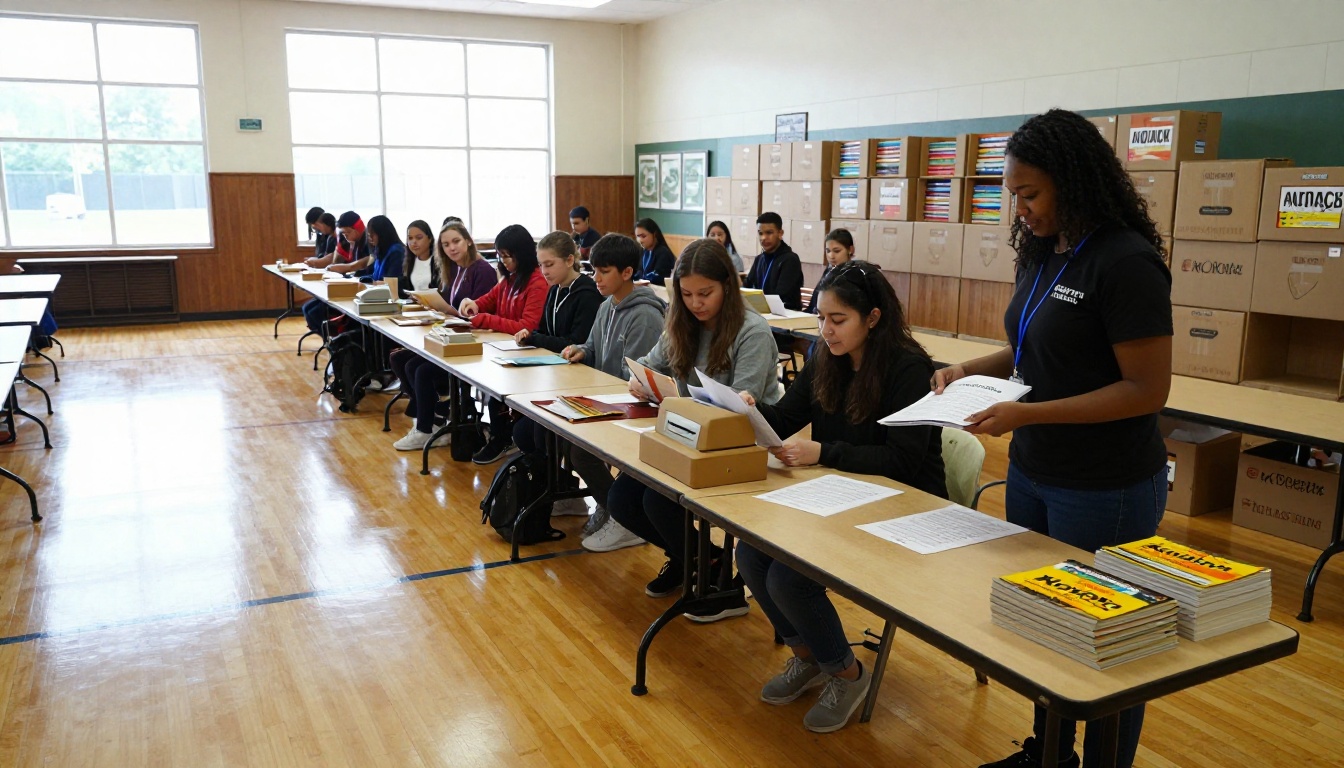
More schools now sell a low-cost digital edition to everyone and a limited print run by pre-order only. The workflow looks like this:
- Open pre-orders early. Set a deadline in January or February for printed copies.
- Print only what is paid for. Add a small buffer of 5 to 10 copies for staff, the library and late buyers.
- Include digital access with every printed purchase. Families get both, and the club avoids a second selling round.
- Sell digital-only to everyone else. A $5 to $12 price point often converts families who would never pay $40.
- Archive the digital file permanently. It becomes the school's backup if paper copies are lost.
⚠️ Warning: Do not print a surplus "just in case." Unsold yearbooks are the single biggest source of losses, and they are rarely sold after the school year ends.
Who Should Choose What
- Small elementary school with tight funds: digital-first, with a few printed class sets.
- High school with strong senior demand: hybrid, with hardback print reserved for seniors.
- Middle school with changing enrollment: digital with an optional print add-on.
- School with a long yearbook tradition: keep print, and add a digital archive for alumni and distant family.
Build the Digital Edition

If digital or hybrid fits your budget, here is how to publish a yearbook with Flipbooks AI.
How to Create a Yearbook with Flipbooks AI
- Create your account. Visit Flipbooks AI and sign up. Pick a plan on the pricing page when you are ready to publish.
- Export your layout as a PDF. Use your layout software, and export at a resolution that keeps photos sharp on screens, usually 150 to 200 dpi.
- Upload the PDF. Drag the file into the Yearbook Flipbook Maker. Pages convert into a page-turning book in minutes.
- Customize the look. Add school colors, a logo, page effects and a background that matches the theme.
- Add multimedia. Embed video of assemblies, audio of the school song and links to the sports schedule. Video and audio embed directly in the flipbook.
- Set privacy. Turn on password protection so only enrolled families and staff can open it.
- Share it. Send a direct link, post it in the parent newsletter, or place it on the school site with the Embed Flipbook on Website tool.
- Offer offline downloads. Let families save a copy so it opens without a connection.
Platform features worth noting: no watermarks, a mobile-responsive reader, custom branding and unlimited flipbooks on the Standard plan and above. The Professional plan adds analytics, so you can see how many families opened the book, and lead generation tools, useful if local sponsors want proof that their ads were seen.
💡 Pro tip: If your school also produces a School Newsletter or training materials, one account can host all of them.
Revenue Beyond Selling Books
Cost per copy is only half the picture. Smart yearbook clubs also raise money to bring the price down for families.
- Business ads: local shops pay for a quarter, half or full page. Digital pages can even carry clickable links.
- Parent shout-outs: senior tribute pages priced per page or per photo.
- Sponsorship: a sponsor logo on the reader background or the opening page.
- Early-bird pricing: a discount for orders placed in the first month.
- Payment plans: letting families split a $40 book into two payments raises sales.
| Revenue source | Typical range per school | Works in print | Works in digital |
|---|
| Business ads | $500 to $3,000 | Yes | Yes, with links |
| Senior tributes | $300 to $2,000 | Yes | Yes |
| Sponsor page | $200 to $1,500 | Yes | Yes |
| Early-bird discounts | Raises volume | Yes | Yes |
Sponsors often like digital because you can show how many people opened the book, while print ads depend on a promise that people will look.
Common Budgeting Mistakes

After talking through budgets with many advisors, the same errors show up again and again.
- Ordering by enrollment, not by pre-orders. A school of 800 rarely sells 800 books. Typical take-up is 35 to 65 percent.
- Ignoring staff time. Hundreds of volunteer hours are free on paper, but burnout is expensive.
- Forgetting shipping and tax. Add 3 to 8 percent to every print quote.
- Skipping the archive. Schools lose old books and have no backup. A digital copy solves that for almost no cost.
- Pricing too high. A book at $60 can cut sales sharply, and revenue per student ends up lower.
- No plan for late buyers. Digital access can be sold after the deadline with no inventory risk.
A Quick Decision Checklist
- Do you have fewer than 150 likely buyers? Lean digital or print-on-demand.
- Is your budget locked before sales start? Avoid large unsold print runs.
- Do families request video and photos from events? Choose digital.
- Does your community value a physical signing tradition? Keep a limited print run.
- Do you want the lowest risk? Go hybrid.
Make Your Pick
The real cost per copy of a school yearbook runs from roughly $14 to $48 in print and well under $4 per reader in digital, once you spread platform and design costs across your audience. Print gives you a keepsake. Digital gives you reach, speed and a budget that does not depend on guessing how many boxes to order. For most schools the strongest plan is a digital edition for everyone and a printed copy for those who pay in advance.
Ready to see what your own numbers look like? Get started for free on Flipbooks AI, browse all flipbook tools, or compare pricing plans to find the one that fits your yearbook budget.



