The book lands on your desk, the pen is already waiting, and every page before yours is full of lovely words. Now you are stuck. Knowing what to write in a retirement memory book for a coworker feels harder than it should, because you want the note to sound like you, mean something, and still fit in a few inches of paper. Good news: a great message follows a simple shape, and anyone can write one in ten minutes. If the team is also putting the book together, a tool like Flipbooks AI can collect everything into a single page-turning keepsake. First, let's fix the blank page.
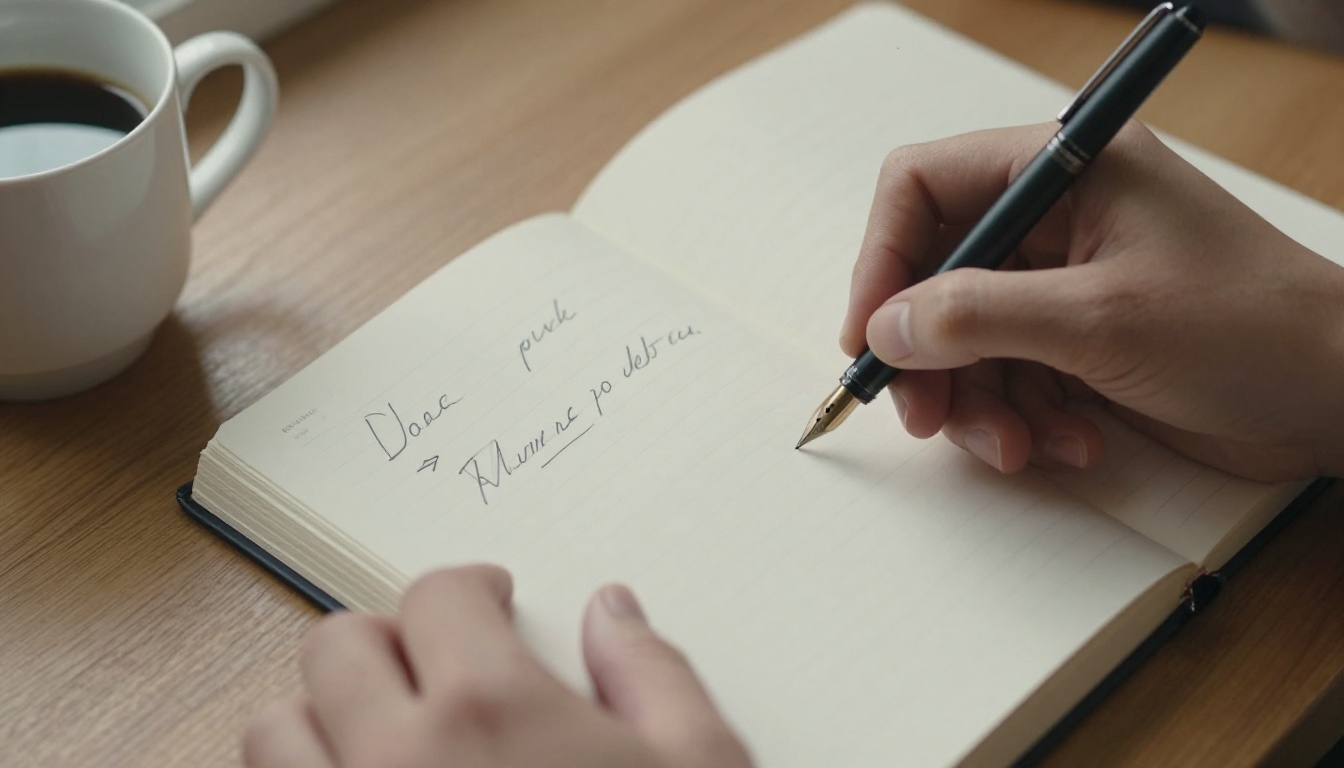
Why Your Words Matter More Than You Think
A retirement is a career folded into one afternoon. Your coworker will walk out with a gift basket, a cake slice, and maybe a plaque. Within a year, the plaque is in a drawer. The memory book is different. People reread them on slow Sunday mornings, on anniversaries of their last day, and on days when they miss feeling useful.
The Reader Is Saying Goodbye Too
Retirees often feel two things at once: relief and a quiet grief. Your message tells them their work was seen. That is the whole job of the note. You are not writing a speech, a résumé, or a roast. You are handing someone proof that they mattered.
Short and Specific Beats Long and Vague
Three honest sentences with one real detail will outshine a full page of generic praise. "You were a wonderful colleague" could be written about anyone. "You always stayed ten minutes after the meeting to explain what the rest of us missed" could only be written about them.
💡 Pro tip: Before you pick up the pen, finish this sentence out loud: "The thing I will miss most is…" The answer is usually your opening line.
Most strong notes are built from four small parts. You do not need all four every time, but two or three will carry the page.
| Part | What it does | Example |
|---|
| Opener | Names the person warmly | "Dear Marta," or "To the best desk neighbor I ever had," |
| Memory | Shares one specific moment | "I still remember the night we rebuilt the quarterly report at 9 p.m." |
| Thanks | Says what they gave you | "You taught me to ask the second question." |
| Wish | Looks forward to their days ahead | "May your mornings be slow and your coffee hot." |
Start With the Name
Using their name, or the nickname everyone actually uses, makes the page feel personal from the first word. Skip titles unless the person is very formal.
Pick One Memory Only
Resist the urge to list five. One vivid scene beats a highlight reel. Think of a lunch, a crisis, a joke, a kindness in a hallway.
End With a Wish, Not a Summary
Close on the retiree's tomorrow, not on a recap of the past. A small, concrete wish such as "more fishing, fewer emails" lands better than "all the best in your future endeavors."
Message Ideas for Every Kind of Coworker
The right tone depends on your relationship. A manager writes differently from a lunch buddy, and a new hire writes differently from someone who sat across the aisle for twenty years.
| Your relationship | Best tone | Length |
|---|
| Direct teammate | Warm, personal, a bit funny | 3 to 5 sentences |
| Manager or supervisor | Respectful, grateful, specific | 4 to 6 sentences |
| Someone they mentored | Thankful, emotional | 4 to 6 sentences |
| New or distant colleague | Short, kind, sincere | 2 to 3 sentences |
| Longtime friend at work | Inside jokes plus heart | As long as you like |
If You Worked Side by Side
"Twelve years of shared printers and shared sighs. You made the hardest Mondays bearable, and you never once let me quit on a project. I will miss your terrible puns more than I admit. Enjoy every slow morning you have earned, Dan."
If You Reported to Them
"You trusted me with work I did not feel ready for, and then you stayed calm while I figured it out. Everything I know about leading people started with watching you. Thank you for the patience, the honesty, and the best advice I ever ignored and later followed."
If You Barely Knew Them
Not everyone has a long story, and that is fine. Keep it brief and true.
"We only crossed paths in the elevator, but you always made it feel like a good morning. Wishing you a retirement full of unhurried days and good company."
If You Manage a Large Team
Speak for the group without sounding like a press release. Mention a project the retiree shaped, then say what will change now that they are gone. Honest absence is the highest compliment: "The third-floor kitchen will feel quieter."
Funny, Heartfelt, or Both?
Tone is the part people worry about most. The truth is that the best retirement notes mix the two, usually in the same paragraph. A laugh opens the door, and a sincere sentence walks through it.
Light Humor That Works
Retirement humor is safest when it teases the situation, not the person. Jokes about alarm clocks, endless free time, or finally having someone else answer the emails are friendly and universal.
- "Congratulations on your promotion to full-time fishing."
- "Your inbox is now someone else's problem. You have earned the silence."
- "May your only deadline be dinner."
- "We will pretend the office still runs without you. It does not."
Heartfelt Lines That Feel Real
Avoid greeting-card poetry. Plain words carry more weight than dramatic ones.
- "You made this place feel like somewhere I wanted to be."
- "I am a better worker, and a better person, because I sat near you."
- "Thank you for noticing me when I was new."
Where Humor Goes Wrong
⚠️ Warning: Skip jokes about age, health, memory, or retirement income. Skip inside jokes that exclude the family who will also read the book. If you would hesitate to say it at the party, do not write it in ink.
Ready-to-Use Openers and Closers
If the page still looks intimidating, borrow a starting line and make it yours. Replace the brackets with real details.
| Openers | Closers |
|---|
| "I will never forget the day [moment]." | "Enjoy every unscheduled minute." |
| "Working with you taught me [lesson]." | "Go slow, sleep in, and travel far." |
| "Nobody else could have [action] like you did." | "The office will not be the same." |
| "Every team needs someone like you. We had you." | "Thank you for everything, truly." |
| "Here is what I will miss most: [detail]." | "Save me a seat on the next adventure." |
Five Starter Prompts When Your Mind Goes Blank
- What did this person do that no one else did?
- When did they help you without being asked?
- What phrase do they always say?
- What was the funniest day you shared?
- What will the office lose when they walk out?
Answer any two in plain sentences and you have your note.
✅ Best practice: Write a rough draft on scrap paper first. Then copy the cleanest version into the book. Crossed-out lines are fine in a memory book, but a tidy page feels like a gift.

What to Leave Out of the Book
Some phrases are so common that they have stopped meaning anything. Others can accidentally sting.
| Avoid | Why | Try instead |
|---|
| "Good luck in your next chapter" | Generic and impersonal | "I hope your Tuesdays are wonderful." |
| "You will be so bored" | Can feel dismissive | "I hope you finally have time for the garden." |
| Long office complaints | Spoils the mood | One fond memory |
| Comparisons to who replaces them | Awkward and unkind | "No one replaces you." |
| Heavy inside jokes only two people get | Excludes family readers | A short joke plus a clear explanation |
Watch Out for Backhanded Praise
"You were great once you got used to everyone" is not a compliment. Read your note once as if you were the retiree opening it alone, tired, a bit emotional. Does every line feel kind?
Keep Money and Politics Out
Pension jokes, company gossip, and hot takes on management have no place on these pages. Let the book be a warm room.
Turn Scattered Notes Into One Keepsake
Handwritten books are charming, but they travel poorly. One person carries the book from desk to desk, remote coworkers get left out, and pages can be lost or smudged. A digital version solves all of that while keeping the feel of turning pages.
How to Build a Digital Memory Book
Many teams now collect messages, photos, and short videos online, then publish them as a flip-through book. Here is a simple way to do it with Flipbooks AI:
- Collect the content. Ask each coworker to send a short message and one photo by a set date. A shared form or email thread works.
- Assemble the pages. Put each person's note on its own page in a layout tool, then export the whole thing as a PDF.
- Upload the PDF. Use the PDF to Flipbook Converter to turn it into a page-turning book.
- Customize the look. Choose colors, a cover, and page effects that suit the retiree. Add a short video message or a favorite song.
- Share it privately. Send a direct link, or protect it with a password so only the team and family can open it.
💡 Pro tip: Offer the recipient a download so the book also works offline, on a flight, or on a quiet porch.

Paper Versus Digital at a Glance
| Feature | Paper book | Digital flipbook |
|---|
| Remote coworkers can contribute | No | Yes |
| Photos and video included | Photos only | Photos, video, audio |
| Risk of loss or damage | High | None |
| Easy to share with family | Needs copies | One link |
| Feels personal | Very | Very, with custom branding |
| Cost | Book plus postage | Per pricing plan |
Don't Forget the Hybrid Option
Many teams do both: a printed book for the ceremony and a digital flipbook for the people who could not be there. The retiree gets a physical object and a link to share with relatives across the country.
A Few Real-World Scenarios
Seeing the process in action makes it easier to copy.
The Office Collection
A twenty-person accounting office wants a gift for a retiring bookkeeper. The office manager sets a Friday deadline, sends everyone three prompts, and receives most notes within two days. She builds the PDF over the weekend and has a polished book ready before the party.
The Remote Team
A distributed software team spans four time zones. No one can pass a paper book across continents, so each person records a thirty-second clip and writes two lines. The team assembles them into a flipbook, adds multimedia pages, and shares a password-protected link on the retirement day.
The School Staff Room
Teachers and aides want to honor a custodian who worked at the school for thirty years. Students add drawings, staff add stories, and the final book becomes a treasure the family shows at holidays.

Write It Today, Not Tomorrow
The best time to write your note is right after you decide what to say. Waiting turns a warm thought into a chore, and the book goes home with someone else's pen before yours touches the page.
A Five-Minute Checklist
- Say their name.
- Share one real memory.
- Thank them for something specific.
- Add a small laugh if it suits you both.
- End with a wish for their days ahead.
When You Still Feel Stuck
Write the plain truth. "I do not have perfect words, but I am grateful for you" is better than polished silence. People forgive awkward phrasing. They remember sincerity.

Ready to Make the Book Together?
If you are organizing the gift, start small and let the team fill in the pages. Create your first flipbook on Flipbooks AI, browse all the flipbook tools to find the right layout, or compare pricing plans to see what fits your office. For an easy first step, the Interactive E-Book Publisher turns a stack of notes into a book people will actually open again. When you are ready to share it, the Embed Flipbook on Website option lets you place it on a team page, and the final step to pricing takes a minute.
Whatever you write, write it soon, write it kindly, and sign your name.



