A boutique buyer opens your line sheet between a delivery, a fitting room rush and three unread emails. You get maybe ten seconds. In that window, the buyer is not admiring your brand story. They are scanning for reasons to say no. This article walks through the wholesale line sheet mistakes boutique buyers notice first, why each one costs you orders, and how to fix it. If you want a faster way to present a polished sheet, you can turn a PDF into a page-turning catalog with Flipbooks AI in a few minutes.
Most of these errors have nothing to do with your product. A great collection with a sloppy sheet loses to an average collection with a clear one. The good news: every mistake below is fixable in an afternoon.
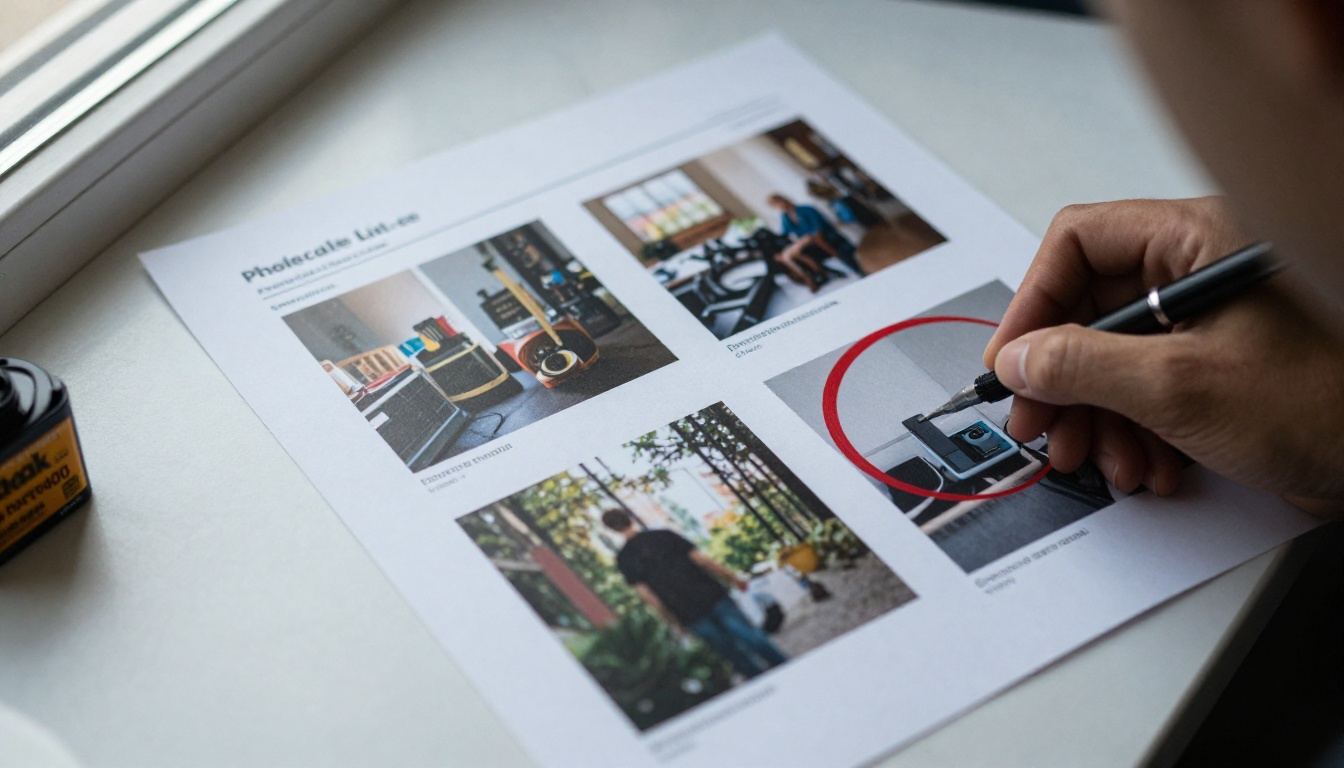
What Buyers Look For in Ten Seconds
Before the mistakes, it helps to know the buyer's mental checklist. A boutique owner reviewing a wholesale line sheet is asking five quiet questions:
- Will my customers want this? (photos and styling)
- Can I afford it and still profit? (wholesale price, retail price, margin)
- Can I order it easily? (sizes, colors, minimums, style numbers)
- Will it arrive when I need it? (lead times, ship windows)
- Is this brand professional? (consistency, contact details, polish)
Every mistake in this article breaks one of those five answers. Keep them in mind as you audit your own sheet.
💡 Pro tip: Print your line sheet, hand it to someone outside your business, and start a timer. If they cannot find the price and the minimum order in ten seconds, a buyer will not either.
The Buyer's Time Budget
Buyers rarely read. They skim in a predictable order, and your sheet should reward that path.
| Order | What the buyer checks | Time spent | What loses the sale |
|---|
| 1 | Cover and first page | 2 seconds | Cluttered layout, no clear brand |
| 2 | Product photos | 4 seconds | Blurry or inconsistent images |
| 3 | Wholesale and retail price | 2 seconds | Missing or confusing numbers |
| 4 | Order terms | 2 seconds | Hidden minimums and lead times |
| 5 | Contact and reorder path | 1 second | No obvious next step |
Mistake 1: Weak Product Photos
Photos are the first thing a buyer judges, and they are the most common failure. A buyer cannot feel the fabric through a screen, so the image has to do the touching for them.
Blurry, Dark or Compressed Images
A photo that looks fine on your phone often falls apart on a buyer's laptop. Low resolution, heavy compression and bad lighting all signal one thing: a brand that does not take itself seriously. Buyers assume the garment will look the same way in person.
Inconsistent Styling
Mixing a studio shot on white, a lifestyle photo on a beach and a flat lay on a messy bed makes a collection look like three brands. Pick one visual language and hold it across every style.
What to Shoot Instead
| Photo type | Purpose | Common mistake |
|---|
| Front on white or neutral | Shows true shape and color | Shadows that hide seams |
| Back view | Shows closures and details | Skipping it entirely |
| Detail close-up | Proves fabric and finish | Out-of-focus macro |
| On-model lifestyle | Helps buyers picture the customer | Props that overpower the garment |
⚠️ Warning: Heavy retouching backfires. When the sample arrives and the color does not match the photo, you create a return and lose trust for the next season.
Mistake 2: Missing or Vague Size and Color Details
Nothing frustrates a buyer more than building an order and then discovering the sheet never listed the size range. Now they have to email, wait and hope you reply.

Details Every Style Needs
Each product entry should answer the practical questions without a single follow-up message:
- Style number that matches your order form exactly
- Size range and whether sizes run true, small or large
- Color names that match the swatch, not creative nicknames
- Fabric content and care instructions
- Pack breakdown if you sell in size runs
The Color Name Trap
"Sunset Blush" means something different to every person who reads it. Pair each color name with a swatch or a photo of the actual colorway. Buyers order by color, and a wrong guess means a markdown rack later.
✅ Best practice: Use the same style number on the line sheet, the order form, the invoice and the packing slip. It prevents the most expensive kind of mistake: shipping the wrong item.
Mistake 3: Pricing That Creates Questions
A buyer needs to calculate margin in their head. If your sheet makes that hard, they move on to a brand that makes it easy.

Missing the Suggested Retail Price
A wholesale price alone tells a buyer very little. Without a manufacturer's suggested retail price (MSRP), they cannot judge whether your item fits their shop. Most boutiques expect a keystone markup, meaning retail is roughly double wholesale. If your numbers break that rule, explain why.
Hidden Fees and Surprise Costs
Shipping, import duties and rush charges should never appear for the first time on an invoice. Surprises at checkout are the fastest way to lose a reorder.
A Clear Pricing Layout
| Style | Wholesale | MSRP | Margin | Order unit |
|---|
| Linen Wrap Dress | $48 | $96 | 50% | Size run of 6 |
| Cotton Tee | $14 | $32 | 56% | Size run of 6 |
| Wool Cardigan | $62 | $128 | 52% | Size run of 4 |
| Leather Belt | $18 | $40 | 55% | Pack of 6 |
Showing the margin right on the page spares the buyer a calculator and quietly proves your pricing was thought through.
💡 Pro tip: If you offer tiered pricing, such as a discount above a certain order value, state the tiers on the sheet itself. Buyers often add a few more pieces to reach a better tier.
Mistake 4: Hidden Minimums and Lead Times
A small boutique usually has a small budget and limited floor space. If your minimum order is far above what they can absorb, they need to know on page one, not after twenty minutes of building a cart.

State the Terms Plainly
Put the essentials in one clearly marked block:
- Opening order minimum (dollar amount or unit count)
- Reorder minimum, which is often lower
- Payment terms such as net 30 or prepay for new accounts
- Ship windows by delivery drop
- Cancel date for each season
Unrealistic Delivery Promises
Promising delivery in two weeks and then shipping in six burns trust faster than any quality problem. Buyers plan seasonal floor sets months ahead. A late spring delivery in June is a markdown, not a sale.
Terms Comparison
| Term | Buyer-friendly version | Buyer-hostile version |
|---|
| Opening minimum | Clear, with a lower reorder minimum | Unstated until checkout |
| Payment | Net 30 after first order | Full prepay for every order |
| Lead time | Dated ship windows | "Ships soon" |
| Returns | Defect policy in writing | No policy mentioned |
Mistake 5: A Disorganized Collection
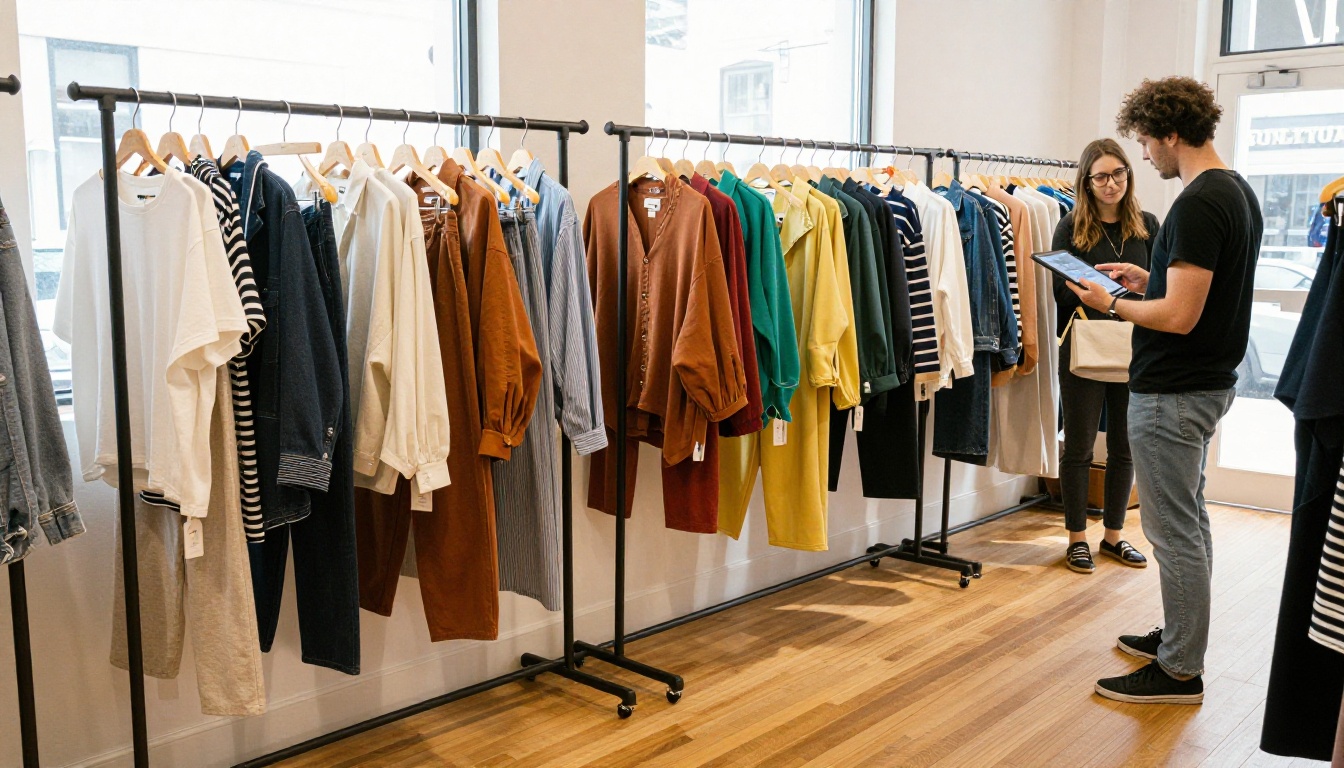
A line sheet is a story, not a dump. When pieces appear in random order, the buyer cannot see how items combine into outfits or how the collection fits a season.
Group by Story, Not by Spreadsheet
Organize by theme, delivery drop or category, and keep coordinating colors on facing pages. A buyer who sees a dress, a cardigan and a belt arranged together will often order all three. A buyer who sees them scattered across twelve pages will order one.
Too Many Pages, Too Little Focus
Forty styles on a sheet with no hierarchy overwhelms a small shop. Lead with your best sellers and hero pieces, then support them. If the collection is large, split it into seasonal sheets.
A Simple Structure That Works
- Cover page with brand name, season and contact
- Hero looks on a single spread
- Categories in a consistent order (tops, bottoms, outerwear, accessories)
- Order terms and care details
- Reorder and contact page
Mistake 6: No Easy Way to Reach You
You would be surprised how many sheets bury the contact details or leave them out. The buyer loves the collection, wants to order, and cannot find an email address.

Put Contact Details on Every Page
Add your email, phone number and website to the footer of each page. If a buyer shares a single page with a partner or assistant, the contact path travels with it.
Make Ordering Frictionless
- Include a direct order email or a link to your wholesale portal
- Name a real person as the point of contact
- Promise a reply window, such as within one business day
- Offer a sample request path for new accounts
✅ Best practice: A fast, friendly reply is part of your product. Buyers remember which brands answered quickly when a shipment went wrong.
Mistake 7: A Flat PDF in a Digital World
Most buyers now open line sheets on phones and tablets, often while traveling or at a trade show. A static PDF has real limits: huge file sizes that bounce from inboxes, tiny text that needs pinching, and no way to know whether anyone even opened it.

Where Interactive Formats Help
A flipbook keeps your design exactly as you built it, loads quickly on any device and turns pages the way a buyer expects. Instead of attaching a heavy file, you send one link. You can also see what happens after you send it.
| Feature | Static PDF | Interactive flipbook |
|---|
| Mobile reading | Pinch and scroll | Responsive, page-turn view |
| Sending | Large attachment | Single link |
| Updates | Resend a new file | Update once, link stays |
| Tracking | None | Analytics on views |
| Branding | Basic | Custom colors and logo |
| Privacy | Anyone with the file | Password protection |
Match the Format to the Buyer
Different tools suit different line sheets. A Fashion Catalog Creator works well for apparel collections, while a Digital Price List Generator suits sheets that are mostly numbers. If your sheet leans on styling, the Interactive Lookbook Designer helps you tell the visual story.
How to Build a Digital Line Sheet With Flipbooks AI
If your sheet is already a PDF, you are minutes away from a better version. Here is a simple process using the PDF to Flipbook Converter.
- Create an account. Head to Flipbooks AI and sign up.
- Upload your PDF. Drag your finished line sheet into the uploader. The pages convert automatically and keep your layout, fonts and images sharp.
- Customize the look. Add your logo, pick brand colors and choose a page-turn effect. Keep it subtle so the product stays the star.
- Add multimedia. Embed a short runway clip or a behind-the-scenes video to show movement and fabric drape.
- Set sharing options. Copy a direct link for email, use an embed code for your wholesale page, or turn on password protection for private pricing.
- Track and follow up. With the Professional plan, analytics and lead generation show who opened your sheet and which pages held attention.
Flipbooks AI never adds watermarks, and the Standard plan and above allows unlimited flipbooks, so you can publish a separate sheet for every season or customer tier.
💡 Pro tip: Use password protection for wholesale pricing. Retail customers should not see your trade prices, and buyers feel valued when they receive an exclusive access link.
A Real-World Example
Imagine a small swimwear label with fifteen styles. Before, they emailed a 40 MB PDF that half their buyers never opened. After converting to a flipbook, they send a single link, embed a short fabric video on page two and check analytics to see which buyers reached the pricing page. The follow-up emails become targeted: "I saw you looked at the high-waist styles. Want a sample?" That is a very different conversation from a cold reminder.
Quick Audit Before You Send
Run every line sheet through this checklist before it leaves your outbox.

The Pre-Send Checklist
| Area | Question to ask | Pass? |
|---|
| Photos | Are they sharp, consistent and color accurate? | ☐ |
| Details | Does every style list sizes, colors and fabric? | ☐ |
| Pricing | Are wholesale, MSRP and margin visible? | ☐ |
| Terms | Are minimums, payment and lead times on page one or two? | ☐ |
| Structure | Is the collection grouped in a logical story? | ☐ |
| Contact | Is there a footer with a real person's details? | ☐ |
| Format | Does it open fast on a phone? | ☐ |
Test It the Way a Buyer Would
Open the sheet on your phone, on cellular data, in a bright room. Try to find the price and minimum within ten seconds. Then ask a friend who runs a shop to try the same. Their confusion points are your fix list.

Common Questions From Brands
How long should a line sheet be?
Aim for 8 to 20 pages for a typical collection. Fewer pages with a clear hierarchy beat long sheets that bury the best pieces.
Should I show wholesale prices to everyone?
No. Keep trade pricing behind a password or a private link so retail customers never see it.
How often should I update it?
Update at the start of each season and whenever stock, prices or delivery dates change. A flipbook link stays the same, so buyers always see the current version.
Do I need a separate lookbook?
Often yes. The line sheet handles facts and ordering, while a lookbook sells the mood. Many brands link the two together.
Fix Your Sheet and Win More Orders
Boutique buyers are not hunting for perfection. They are looking for a brand that is easy to work with. Sharp photos, clear sizes, honest pricing, plain terms, a logical flow and a visible contact path tell them you will be a reliable partner, and reliable partners get reorders.
Ready to put this into practice? Get started for free on Flipbooks AI and turn your PDF into a polished digital line sheet. Browse all flipbook tools to find the right format for your collection, or compare pricing plans to see which one fits your catalog needs.



