Most authors spend months writing a book, days designing a cover, and about five minutes deciding how to share their sample chapters. That five minutes matters more than you might think. Flipbooks AI has changed how savvy authors present their work online, and the gap between authors who use interactive flipbooks and those still sending raw PDF attachments is growing wider every single month.
The format you choose for your sample chapter is not a small decision. It shapes how readers experience your writing before they even commit to page one. It affects whether they finish the preview, whether they share it, and whether they buy.

The Problem with Plain PDFs
Let's be direct: the PDF is a storage format, not a reading experience. It was designed for print fidelity, not for reader delight. When you email a PDF sample chapter to a newsletter subscriber or post it as a download link, you're asking readers to do three things that many simply won't do.
Why Attachments Kill Curiosity
First, they have to download the file. Then they have to open it in whatever app their device defaults to. Then they have to remember what they were reading about and why they clicked in the first place. By the time a PDF loads on a mobile device, a surprising number of potential readers have already moved on.
Email clients flag large attachments. Mobile PDF readers are inconsistent. Some corporate inboxes block attachments entirely. For authors building an audience through newsletters or social sharing, every friction point in that chain is a reader lost.
⚠️ Studies consistently show that adding a download step to content consumption reduces engagement by as much as 60%. Every barrier between curiosity and content is a reader you won't convert.
What Readers Actually Do with Sample Chapters
When a reader receives a PDF sample chapter, the most common behaviors are:
- Save it to a downloads folder and forget it exists
- Skim the first page before closing it
- Open it once on desktop but never return on mobile
- Never share it with anyone because there's nothing to share, just a file
None of these behaviors move the needle on your book's visibility or sales. The format has failed before the writing even gets a fair shot.
What a Flipbook Sample Chapter Does Differently
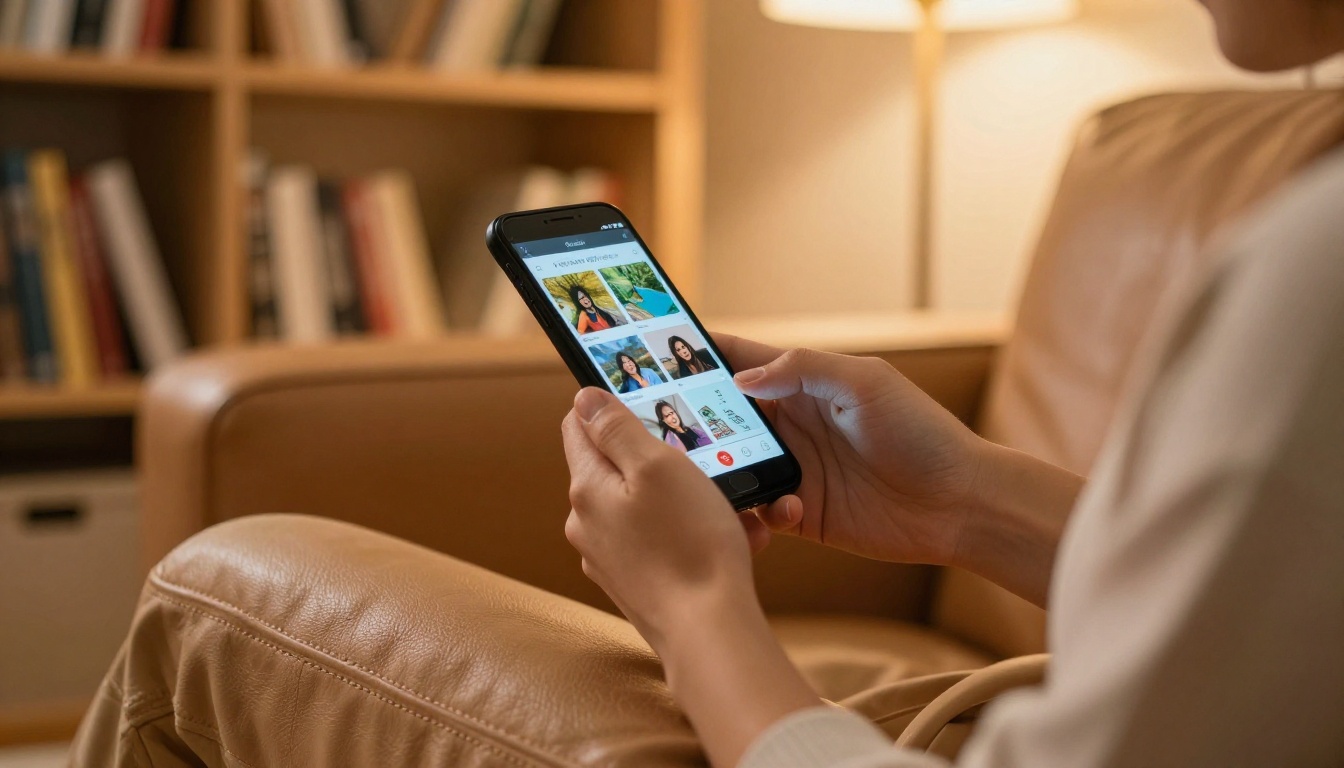
A flipbook is not just a prettier PDF. It's a different reading behavior entirely. When a reader clicks your flipbook link, the preview opens instantly in their browser, no download required, no app needed. They're reading within seconds.
The Page-Turn Effect Builds Anticipation
This might sound small, but it isn't. The physical sensation of turning a page, even a simulated one, creates a psychological rhythm that keeps readers engaged. It mimics the experience of holding a real book. That tactile quality, reproduced digitally through smooth page-turn animations, holds attention longer than scrolling through a static document.
Authors who share their sample chapters as flipbooks consistently report that readers get deeper into the preview. When readers get deeper into the preview, they understand the voice, the pacing, the tone, and they make better buying decisions.
💡 The first three pages of your sample chapter are your most important marketing asset. A flipbook format makes sure readers actually reach page three instead of bouncing at the download screen.
Mobile Reading Without Friction
More than half of all email opens now happen on mobile devices. If your sample chapter isn't optimized for mobile reading, you are losing more than half your potential audience before they read a single sentence.
Flipbooks built with Flipbooks AI are fully mobile-responsive by default. They reformat automatically for any screen size and load in the browser without requiring a PDF reader app. A reader on their phone clicks your link and is reading within two seconds. That's the experience that converts curiosity into purchases.

How Authors Benefit from Flipbook Samples
Beyond the reader experience, flipbooks give authors tools that PDFs simply cannot offer.
Track Who Reads Your Sample
When you send a PDF, you have no idea what happens next. Did anyone open it? Did they read past page two? Did they share it? You're flying completely blind.
With the analytics available on Flipbooks AI's Professional plan, you can see how many people viewed your sample chapter, how long they spent on each page, and where they stopped reading. This data is genuinely useful for an author.
If 90% of readers stop at page four, that tells you something about the pacing of your hook. If readers are spending a long time on a specific page, that tells you where your writing is working hardest. No PDF gives you any of this.
Share with One Link, Anywhere
A flipbook lives at a single URL. That URL works on email, social media, author websites, newsletters, Reddit threads, and book review communities. You don't need to upload different file versions for different platforms. You don't need to worry about file size limits in email. You just share the link.
That link can be:
- Embedded on your author website with a few lines of code
- Included in a newsletter as a clean hyperlink
- Posted on social media where it previews with a thumbnail
- Shared in author communities without hitting upload limits
- Password-protected if you want to gate it for subscribers only
Professional Presentation Costs Nothing
A flipbook sample chapter signals professionalism before the reader has processed a single word. The polished interface, custom branding options, and clean typography tell readers that this author takes their work seriously. That perception matters in the crowded self-publishing market where readers make snap judgments about quality.
With Flipbooks AI, you can add your author name, custom colors, and your book cover branding directly to the flipbook interface, creating a cohesive reading experience that reinforces your brand as an author.

Real Author Use Cases
The case for flipbook sample chapters applies differently depending on your genre and audience, but it applies across the board.
Fiction Writers and the Hook Chapter
For novelists, the sample chapter is everything. Readers buy fiction on feel, voice, and momentum. A thriller writer whose first chapter opens with a tense scene needs readers to feel the pacing, not just read a description of it. A romance author needs the tension to build naturally across multiple pages.
A flipbook delivers those pages with the natural reading rhythm they deserve. The page-turn format reinforces the narrative momentum. Readers move through a flipbook the same way they'd move through a physical book: one page at a time, building toward the moment they're hooked.
✅ Best practice: For fiction, include the first full chapter plus a teaser from chapter two. Give readers enough to need more.
Non-Fiction Authors Building Authority
For non-fiction authors, the sample chapter is a credibility document as much as it is a preview. Business book authors, self-help writers, and how-to guides need readers to trust the author's expertise before committing.
A polished flipbook immediately elevates that trust signal. It shows the author has invested in professional presentation. For non-fiction authors building email lists or speaking careers, this matters enormously. A flipbook sample that looks like it came from a major publisher gives the author major-publisher credibility even if they're entirely self-published.
Self-Published vs. Traditionally Published Authors
| Factor | Traditional Author | Self-Published Author |
|---|
| PDF sample | Provided by publisher | Author-created, often inconsistent quality |
| Flipbook control | Limited | Full control over branding, timing, content |
| Analytics access | Minimal | Full data with Professional plan |
| Update flexibility | Requires publisher | Update anytime, instantly |
| Distribution reach | Publisher channels | Author's own channels |
Self-published authors have a clear advantage with flipbooks precisely because they control the entire process. You can update your sample chapter the day after launch if early readers give feedback. You can A/B test different opening chapters. You can add a special edition introduction for your newsletter subscribers. Traditional authors rarely have that flexibility.

Flipbook vs. PDF vs. Email Preview
Before committing to a format, it helps to see the differences laid out clearly.
| Feature | Flipbook | PDF | Email Text Preview |
|---|
| No download required | ✅ | ❌ | ✅ |
| Mobile optimized | ✅ | ❌ (often) | ✅ |
| Page-turn reading experience | ✅ | ❌ | ❌ |
| Custom branding | ✅ | Limited | ❌ |
| Analytics and tracking | ✅ | ❌ | Limited |
| Shareable single link | ✅ | ❌ | ❌ |
| Password protection | ✅ | ❌ | ❌ |
| Embed on website | ✅ | ❌ | ❌ |
| Reader engagement data | ✅ | ❌ | ❌ |
| Professional appearance | ✅ | Variable | ❌ |
The comparison is not close. For authors who want their sample chapters to actually work as marketing tools, flipbooks offer capabilities that PDFs and email text previews simply cannot match.
How to Turn Your Sample Chapter into a Flipbook
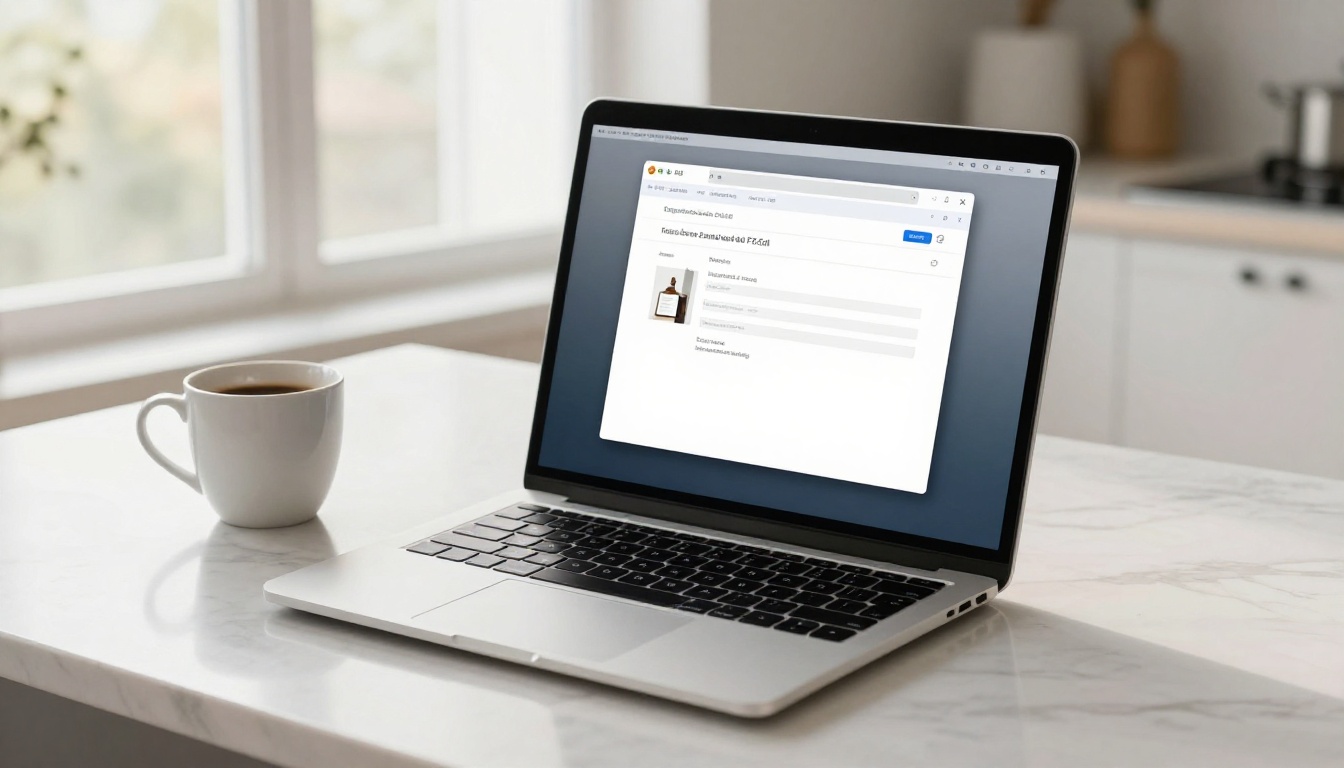
Creating your flipbook sample chapter with Flipbooks AI takes about ten minutes from your first login to a shareable link. Here's exactly how it works.
Step 1: Prepare Your PDF
Export your sample chapter as a PDF from whatever writing software you use, whether that's Word, Scrivener, Vellum, or InDesign. Make sure:
- The PDF includes your book cover or chapter title page as the first page
- Typography and formatting match your published book design
- Page numbers are styled consistently
- You've added a final page with a call to action ("Buy the full book at...")
The PDF to Flipbook Converter handles virtually any PDF format, so your starting quality matters but technical perfection is not required.
Step 2: Upload to Flipbooks AI
Go to Flipbooks AI and create your account. The upload process is drag-and-drop. Select your PDF, and the platform converts it automatically, preserving your typography, images, and layout exactly as they appear in the original document.
The conversion typically takes under a minute for a standard sample chapter of 20 to 30 pages.
Step 3: Add Your Branding
This is where your sample chapter becomes a marketing asset rather than just a preview. In the customization panel, you can:
- Set your brand colors to match your book cover palette
- Add your author name to the flipbook header
- Upload a logo or author photo for the interface
- Choose page-turn effects (soft curl, hard flip, or slide)
- Enable multimedia elements if you have an author video or audio introduction
💡 Adding your author photo and a short bio to the flipbook's back matter gives readers a personal connection before they finish the sample. This boosts conversion significantly.
Step 4: Share Your Flipbook Link
Once published, your flipbook generates a permanent shareable URL. You can also get an embed code for your author website, a QR code for physical marketing materials, and a direct link for newsletters.
If you want to gate the sample chapter for your email subscribers only, enable password protection from the settings panel. Subscribers get the password in their welcome email, giving them an exclusive benefit for joining your list.
What to Include in Your Sample Chapter Flipbook
A sample chapter flipbook is most effective when it contains more than just the raw chapter text. Think of it as a mini reading experience with a beginning, middle, and end.
Recommended structure:
- Book cover page — Immediate visual impact, sets genre expectations
- Author note or dedication — Personal, creates an emotional connection
- Table of contents — Signals scope and professionalism for non-fiction
- First chapter (complete) — The actual sample; never cut it short
- Chapter two teaser — First page only, ending on a cliffhanger or open question
- About the author — Short bio, social links, and author website
- Call to action page — Direct link to buy, with pricing and purchase options
This structure mirrors what professional publishers put in physical ARCs (Advance Reader Copies) and for good reason. It's been tested over decades as the format that converts readers into buyers.

Comparing Flipbooks AI Plans for Authors
Different authors have different needs depending on where they are in their publishing journey.
| Plan | Best For | Key Features | Flipbooks |
|---|
| Free | First-time authors testing | 1 flipbook, basic sharing | 1 |
| Standard | Active authors with newsletters | Unlimited flipbooks, no watermarks, custom branding | Unlimited |
| Professional | Authors running campaigns | Analytics, lead gen, offline downloads, password protection | Unlimited |
For most authors actively marketing a book, the Standard plan provides everything needed for an effective sample chapter strategy. Authors running active launch campaigns or building email lists through their samples will find the Professional plan's analytics and lead generation tools essential for measuring what's working.
Getting Readers to Act After the Sample
The sample chapter is not the end of the journey. It's the beginning of a conversion sequence.
When a reader finishes your flipbook sample, they should immediately know what to do next. This means your final page needs to be direct, confident, and frictionless.
What your call-to-action page must include:
- The book title and cover visible at the top
- A one-sentence hook summarizing what happens next in the story
- Direct purchase links to Amazon, your website, or wherever you sell
- Social proof — a short review quote from an early reader or reviewer
- Author social links so readers can follow for updates
✅ The best CTA pages feel like a friend saying "trust me, you need to read the rest of this." They don't feel like a sales page. Write yours accordingly.
Authors who embed lead generation into their flipbook samples — collecting email addresses from readers who want to be notified when the next book launches — build sustainable audience relationships rather than one-time buyers. The Flipbooks AI Professional plan includes a built-in lead capture feature that can be placed directly in the flipbook interface without any third-party tools.

The Author Who Sends a Flipbook Wins
The publishing world rewards professionalism, and it always has. The difference today is that the tools to look professional are available to every author, not just those with big publishing budgets.
Sending sample chapters as flipbooks is one of the highest-leverage decisions an author can make in their book marketing strategy. It reduces friction for readers, provides real data on reader behavior, creates a shareable asset that works across every platform, and signals the kind of care and attention that makes readers trust an author.
Every author sending raw PDF attachments right now is leaving readers on the table. Every flipbook sample chapter is a reader who made it past the download barrier, read three pages further than they would have, and had a better chance of becoming a buyer.
The Interactive E-Book Publisher and E-Book Flipbook Generator tools on Flipbooks AI were built specifically for this kind of author use case. The platform handles the technical conversion while you focus on what you do best: writing books worth reading.
Ready to turn your sample chapter into a real marketing asset? Create your account on Flipbooks AI and have your first flipbook live in under ten minutes. Browse all available tools and templates to find the right fit for your book's genre and style. Compare pricing plans and choose what works for where you are in your publishing journey.
Your next reader is one frictionless click away.



