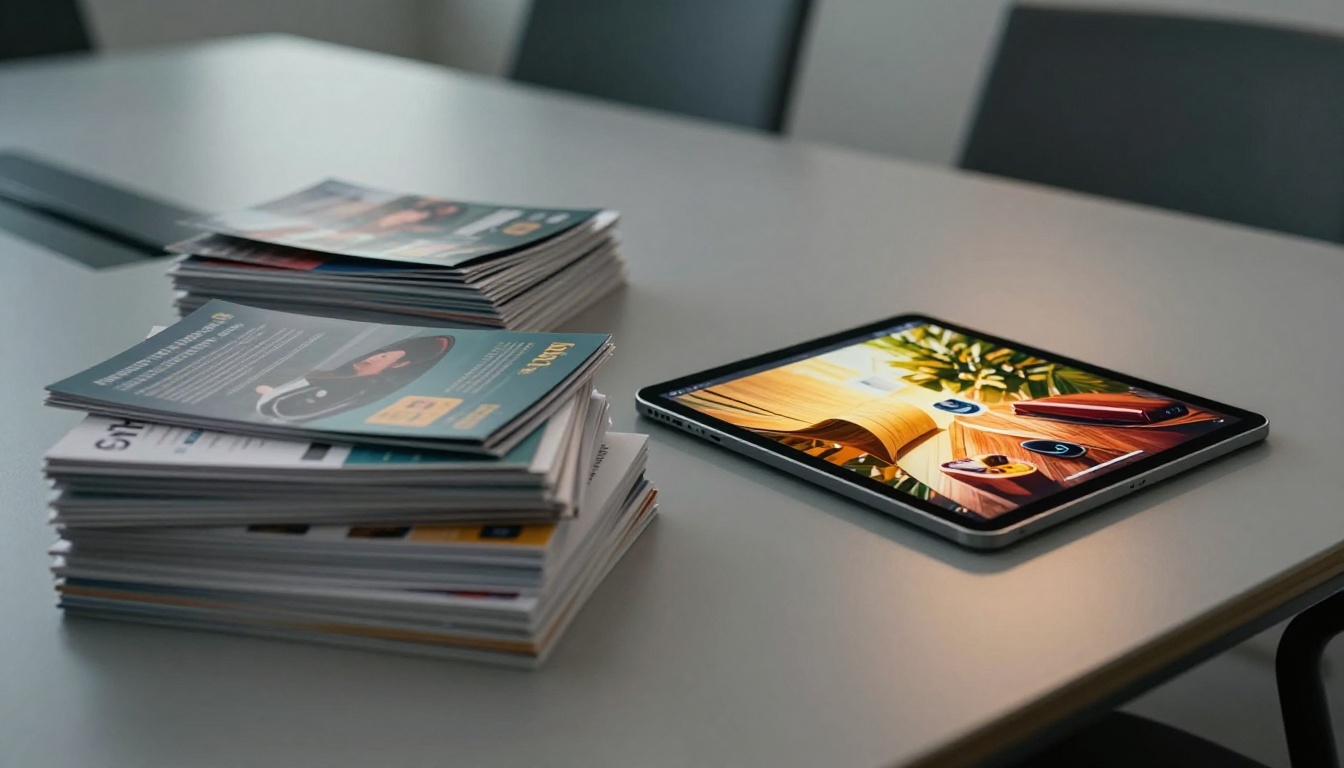
Static brochures have a serious problem: nobody reads them. They land in inboxes as PDF attachments, get downloaded once, sit in a downloads folder, and disappear. Or they get printed, handed out at trade shows, and end up in the nearest recycling bin before the prospect even reaches their car. The content might be excellent. The design might be beautiful. But the format is working against you. Flipbooks AI exists precisely because of this problem, and the data backs up why switching the format changes everything about how your brochure performs.
The Problem With Paper Brochures
Print brochures made sense when they were the only option. You designed something, sent it to a printer, and handed it to prospects. Simple. But the moment digital became the primary sales channel, the static brochure format stopped keeping up.
There are three core reasons paper and static PDF brochures underperform:
- No interactivity: A prospect cannot click a product, watch a demo, or fill out a form. They read passively and move on.
- No tracking: You have zero visibility into whether your prospect opened the brochure, how long they spent on each page, or which products caught their attention.
- No sharing momentum: Emailing a PDF creates friction. Recipients must download it, open a PDF reader, and scroll through a flat document. Readership drops with every extra step.
Print Costs Add Up Fast
Beyond the readership problem, print brochures have a brutal cost structure. Consider what a standard print run actually costs:
| Item | Typical Cost |
|---|
| Design (per version) | $500 - $2,000 |
| Printing (5,000 units) | $800 - $3,000 |
| Distribution and shipping | $200 - $800 |
| Reprints after updates | Full cost again |
| Tracking and analytics | Not possible |
Every time your pricing changes, a product launches, or a promotion runs, you reprint. Flipbooks eliminate that cycle entirely. You update the source PDF and republish. Done.
Why PDFs Are Not the Answer Either
Many businesses tried to solve the print problem by simply emailing PDFs. The intent was right, but the execution missed. PDFs are static documents. They render differently on every device, require a dedicated app or browser plugin on mobile, and offer no native interactivity. A PDF of your brochure is just a digital version of the same passive experience.
What Makes a Flipbook Different
A flipbook takes your existing PDF brochure and converts it into a page-turning, interactive, fully trackable digital publication. The physical page-turn metaphor is deliberate: it triggers a psychological reading mode in viewers that flat scrolling documents do not.
The Mechanics Behind Better Attention
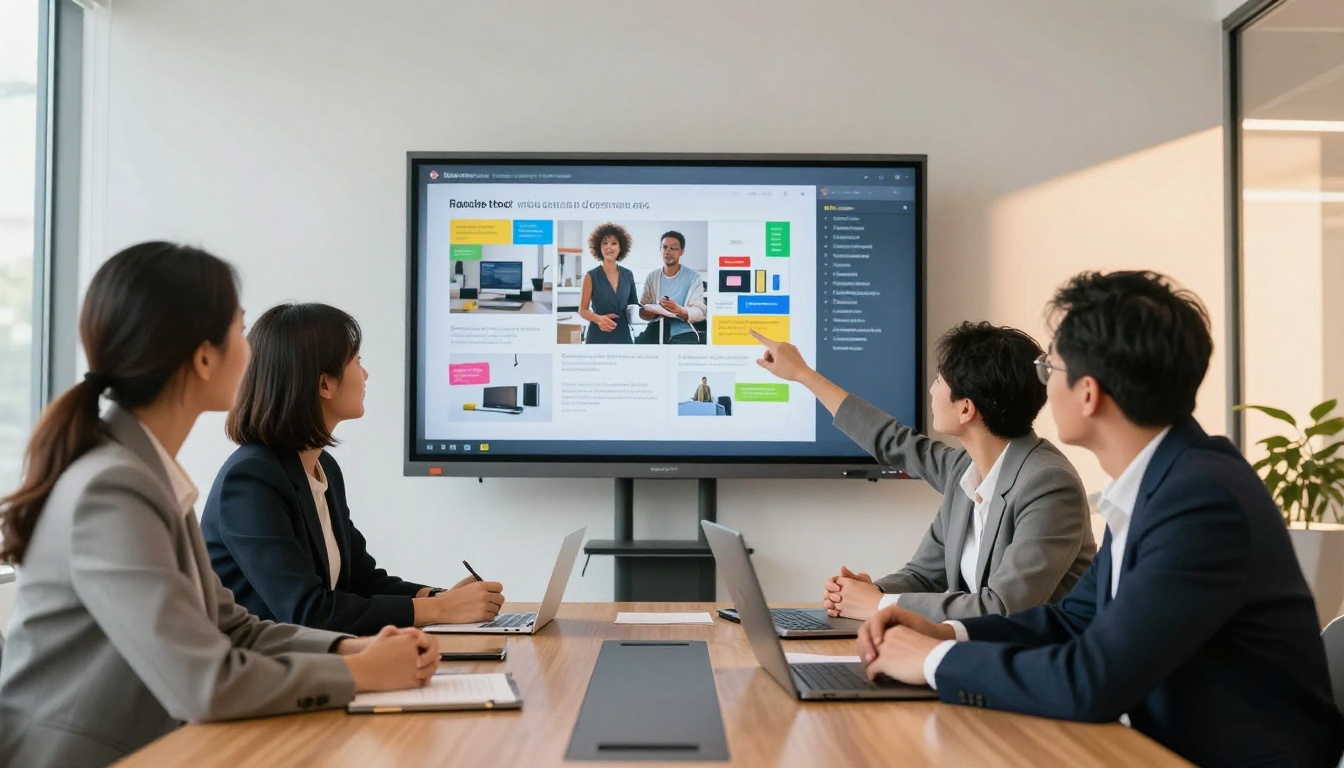
Research in UX and reading behavior consistently shows that paginated formats increase time-on-content compared to infinite scroll. When readers see a page count, they set a mental expectation. They commit to finishing, or at least reaching a specific page. Scrolling a PDF has no such frame.
Beyond the page-turn mechanic, flipbooks built on platforms like Flipbooks AI add several layers that PDF simply cannot match:
- Embedded video and audio: Add a product demo video directly onto the brochure page where the product appears.
- Clickable links: Every phone number, website URL, and product name becomes an active hyperlink.
- Lead capture forms: Insert a form on any page to capture prospect information mid-read.
- Password protection: Send confidential pricing brochures with a single-use password.
- Mobile-responsive rendering: Pages resize perfectly for any screen size without pinching or zooming.
- Offline downloads: Prospects can save your flipbook for later reading without internet access.
Sharing That Actually Works
When you share a flipbook, you share a link. That link opens instantly in any browser with no downloads, no plugins, and no compatibility issues. Recipients on mobile, tablet, or desktop all get the same polished reading experience. You can embed the same flipbook directly on your website with a single embed code, turning your product page into an interactive brochure without any development work.
💡 A shareable flipbook link is also trackable. Every time someone opens your link, you know. Every page they spend more than 10 seconds on, you know. This alone changes how sales teams follow up.
Paper vs. Flipbook: The Numbers
The performance gap between static brochures and interactive flipbooks is not subtle.
| Metric | Static PDF Brochure | Interactive Flipbook |
|---|
| Average open rate (email) | 20-30% | 45-65% |
| Average time spent reading | 45-90 seconds | 3-7 minutes |
| Click-through to website | Not trackable | Fully trackable |
| Mobile readability | Poor (requires zoom) | Native, responsive |
| Update cost after changes | Reprint or re-send | Edit source PDF, republish |
| Lead capture capability | None | Built-in form support |
| Reader analytics | None | Full page-level data |
| Sharing friction | High (download required) | None (link opens in browser) |
The 3-7 minute average read time for flipbooks versus under 90 seconds for static PDFs is the number that matters most to sales teams. A prospect who spends 6 minutes on your brochure is vastly more qualified than one who glanced at it for a minute. You cannot generate that level of attention from a flat document.
What Analytics Actually Tell You
The Professional plan on Flipbooks AI unlocks full analytics: which pages readers spent the most time on, which links they clicked, how many times a specific flipbook was opened, and geographic data on your audience. For a sales team, this is a complete intelligence layer over your brochure.
Imagine knowing that your three hottest prospects all spent 4+ minutes on pages 8-10 of your product catalog but never clicked the pricing link on page 12. That is an actionable sales signal. You follow up with a targeted pricing conversation, not a cold check-in.
✅ Lead generation through embedded forms on flipbook pages is a Professional plan feature. When a reader fills out a contact form mid-brochure, the lead data routes directly to your CRM.
Industries Where Flipbooks Win Every Time

The format upgrade applies broadly, but certain industries see outsized returns on the switch.
Real Estate
Property listings are visual. Buyers want to flip through rooms, see floor plans, and watch walkthrough videos before scheduling a showing. A Real Estate Brochure flipbook puts all of that on a single shareable link. Agents send one link per listing and know exactly which properties each buyer revisited and for how long.
Automotive
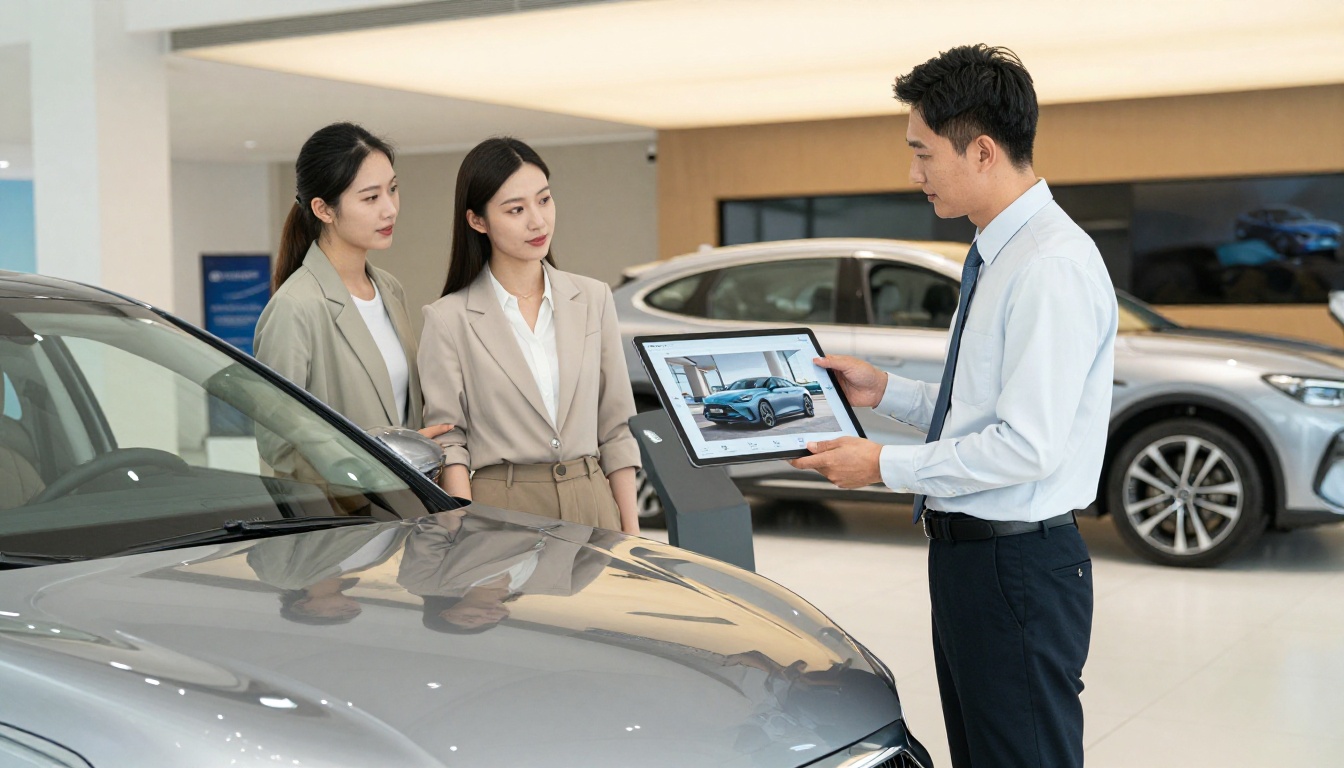
Dealerships produce model-specific brochures for every vehicle variant. Reprinting every time a trim level changes or a promotion runs is expensive and slow. An Automotive Brochure flipbook updates instantly and includes clickable calls-to-action for test drive bookings, financing calculators, and inventory checks baked directly into the pages.
Hospitality
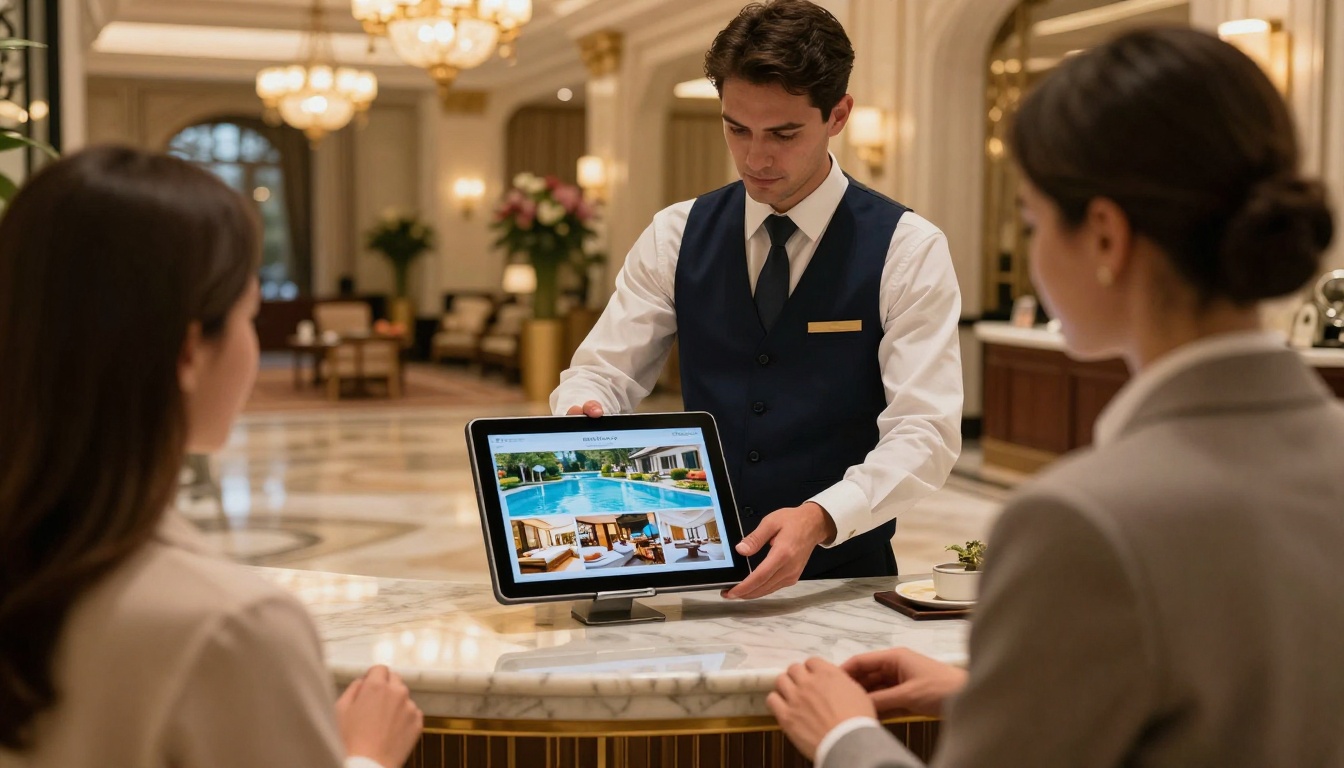
Hotels send brochures to event planners, travel agents, and corporate clients. A Hotel Brochure flipbook can include embedded video tours of event spaces, clickable room booking links, and seasonal pricing tables without any additional design work.
Retail and E-Commerce
Product catalogs are the highest-volume brochure format in retail. The Digital Catalog Maker from Flipbooks AI converts any product PDF into a shoppable flipbook where every item links directly to its product page. Seasonal catalogs that previously required full reprints become a 10-minute update job.
Automotive Sales: A Real-World Example
A dealership group runs quarterly promotions across 4 vehicle lines. Previously: design 4 brochures, print 2,000 copies each, distribute to showrooms, discard at quarter end. Total cost: $4,000+. With flipbooks: one PDF per vehicle, uploaded to Flipbooks AI, shared as links to the sales team and emailed directly to leads. Cost: one monthly subscription. Updates: instant. Tracking: full.
The same math applies to any business running time-sensitive promotions. The format that cannot be updated in real time is the format that costs money every time something changes.
Turn Your PDF Into a Flipbook
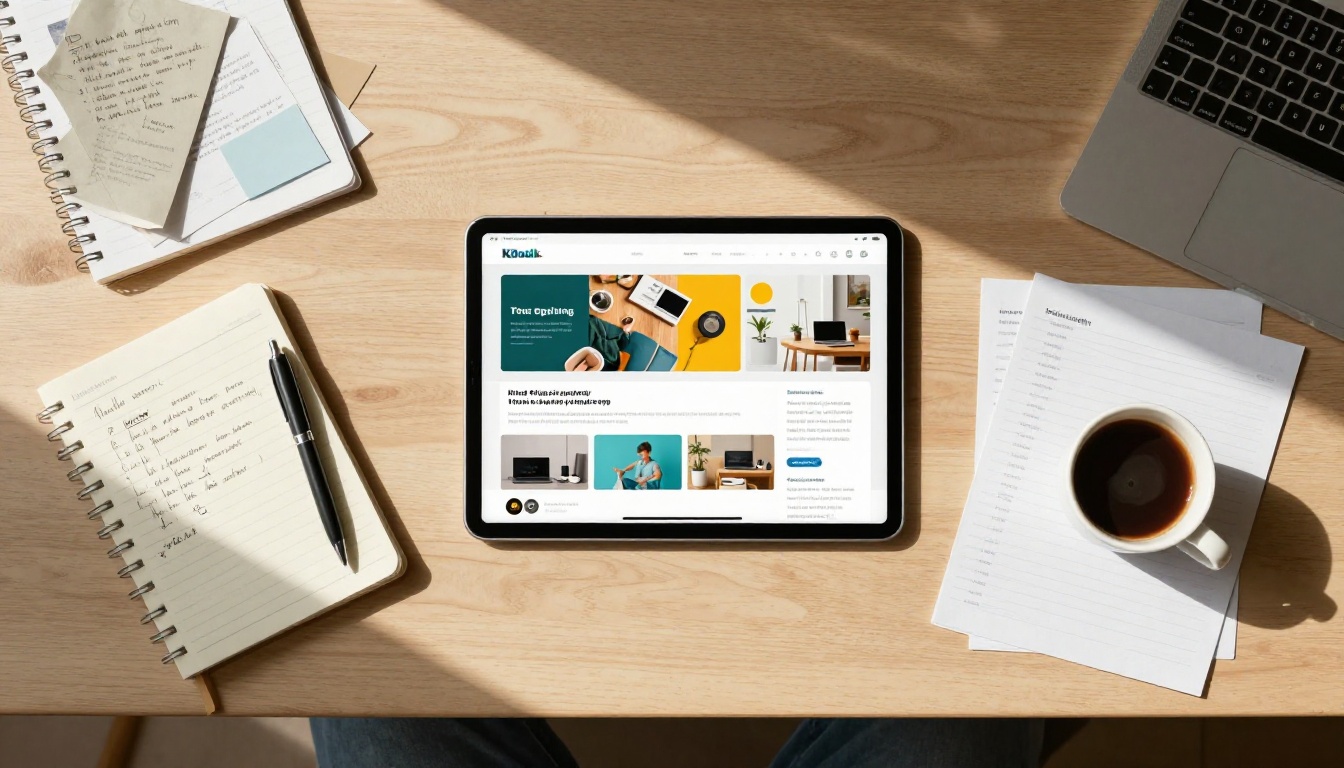
This is where the switch becomes concrete. The Brochure Flipbook Maker handles the conversion with no design software needed.
Step 1: Create your account
Go to flipbooksai.com/account and create your account. No credit card required to start.
Step 2: Upload your PDF brochure
Click "New Flipbook" and upload your existing PDF. The PDF to Flipbook Converter processes the file and renders each page with the page-turn effect automatically. High-resolution PDFs (300 DPI) produce the sharpest results.
Step 3: Add your branding
Add your company logo, set your brand colors for the reader interface, and configure the background theme. Every flipbook is fully white-labeled, with no Flipbooks AI watermarks on any paid plan.
Step 4: Add interactivity
This is where static brochures cannot compete. On any page:
- Add clickable hyperlinks over phone numbers, addresses, and product names
- Embed a YouTube or Vimeo video onto a relevant page
- Insert a lead capture form on the last page
- Add audio narration to walk prospects through your value proposition
Step 5: Configure privacy settings
For confidential pricing brochures or client-specific proposals, enable password protection. Set an expiry date if the content is time-sensitive. Control whether readers can download a PDF copy.
Step 6: Share and track
Copy the shareable link and use it across email campaigns, WhatsApp, LinkedIn messages, or embed it on your website. The Embed Flipbook on Website tool generates a ready-to-paste embed code in seconds.
💡 For sales teams, the most effective sequence is: send the flipbook link via email, wait 24 hours, then check analytics to see which recipients opened it and which pages they spent the most time on before making your follow-up call.
Choosing the Right Plan for Your Business
Flipbooks AI pricing is structured around how many flipbooks you need and which features matter most to your sales workflow.
| Feature | Free | Standard | Professional |
|---|
| Flipbooks | 1 | Unlimited | Unlimited |
| Watermark | Yes | No | No |
| Password protection | No | Yes | Yes |
| Custom branding | No | Yes | Yes |
| Embed on website | Yes | Yes | Yes |
| Reader analytics | No | Basic | Full (page-level) |
| Lead generation | No | No | Yes |
| Offline downloads | No | Yes | Yes |
| Embed video and audio | No | Yes | Yes |
For individual agents or small teams testing the format, Standard is the practical entry point. No watermarks, unlimited flipbooks, password protection, and custom branding address the core sales use case at a low monthly cost.
For sales teams that rely on qualification signals, Professional is where the ROI becomes measurable. Page-level analytics and lead generation turn your flipbook from a passive document into an active sales tool.
The Analytics Advantage
Most sales collateral disappears into a black box. You send the brochure. You follow up. You have no idea whether they looked at it. Flipbook analytics eliminate that uncertainty.
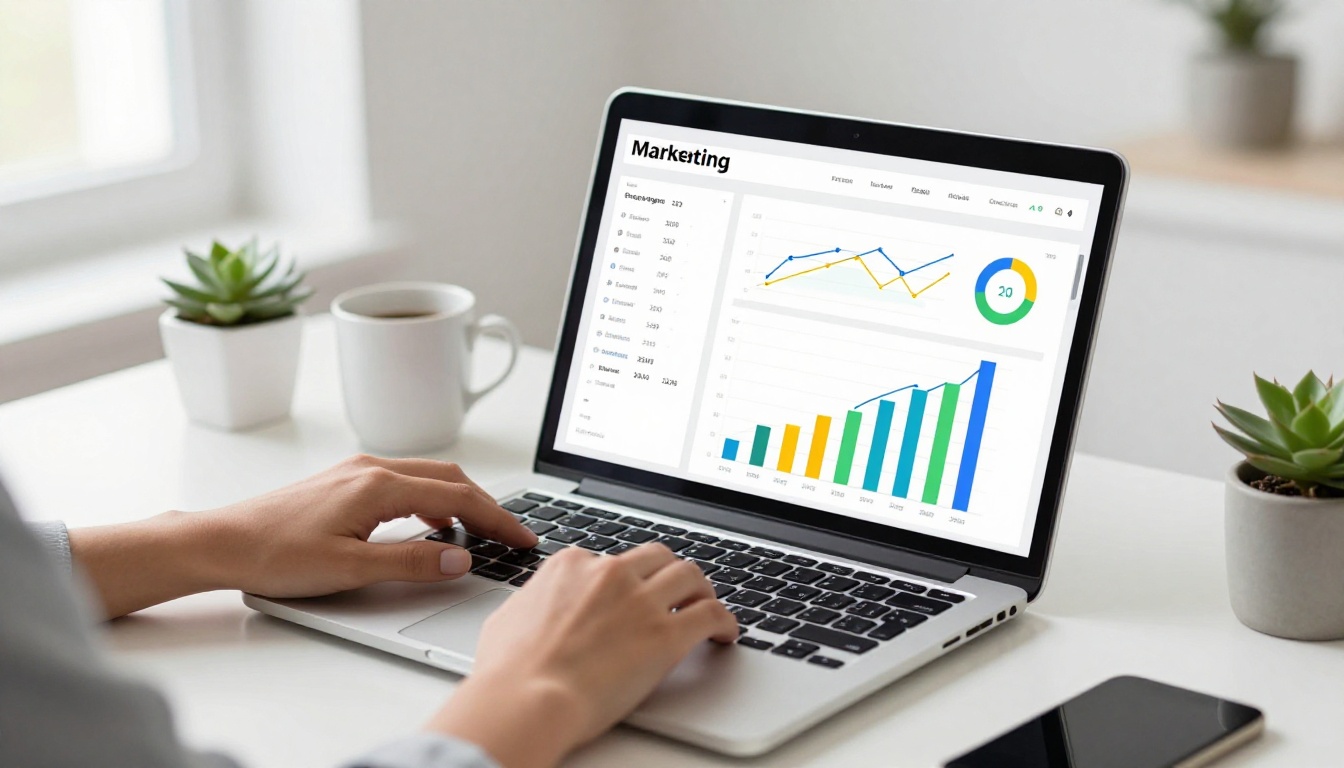
With full analytics enabled, your sales workflow shifts from guessing to responding. When a prospect opens your brochure at 9pm on a Tuesday and spends 8 minutes on your services pages, you call them Wednesday morning with specific context. That is a different conversation than the standard cold check-in. It is informed, relevant, and timed to their buying signal.
What to Measure After Each Send
- Open rate: What percentage of recipients opened the flipbook link at all?
- Time on page: Which pages held attention the longest?
- Drop-off page: Where did readers stop? This often signals a pricing, trust, or messaging problem.
- Return visits: Did any recipients open the flipbook more than once? Multiple opens signal high intent.
- Link clicks: Which calls-to-action inside the flipbook drove action?
⚠️ If your brochure analytics show consistent drop-off at the same page, that page has a problem. Use the data to diagnose and fix it, then republish instantly without a reprint cycle.
Mobile-First Audiences Read on Phones
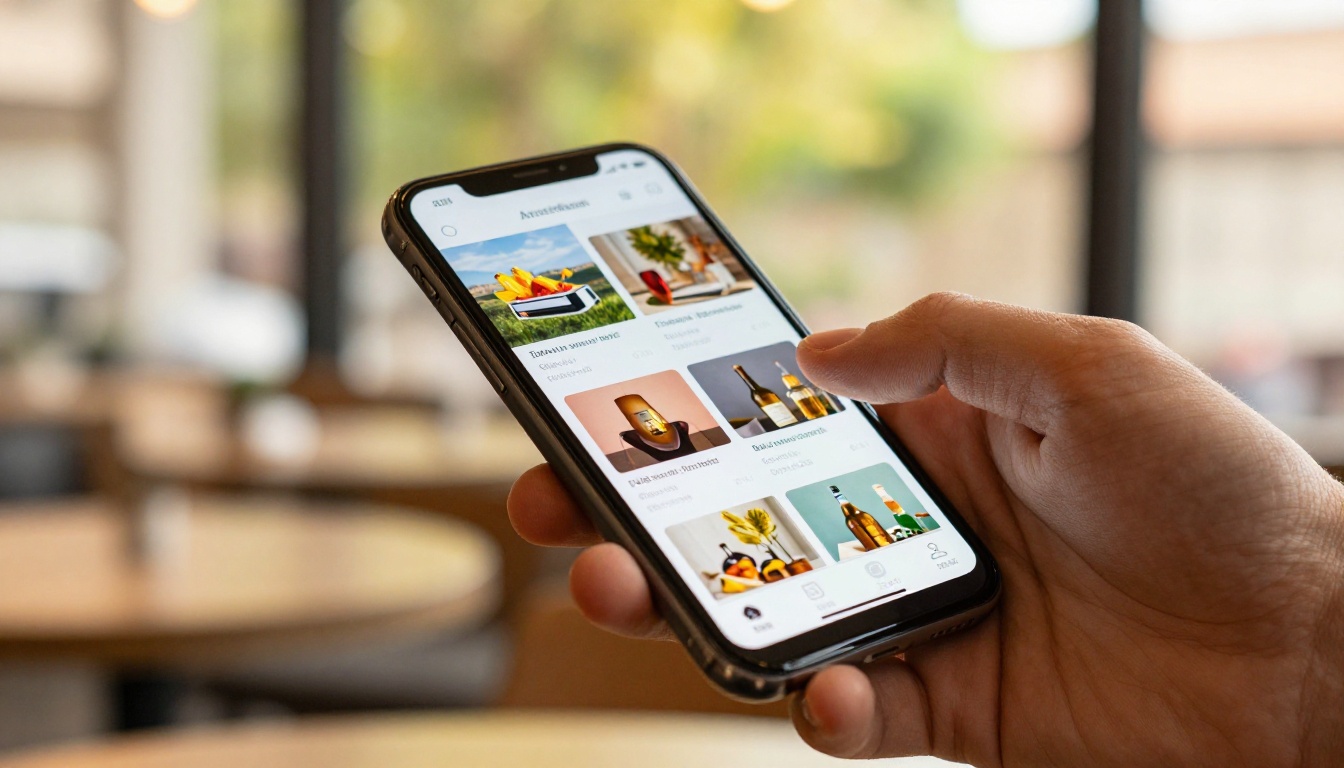
Over 60% of email opens happen on mobile devices. If you are sending a PDF brochure to a mobile prospect, they are pinching and zooming a document designed for A4 paper on a 6-inch screen. Most will not finish it. A flipbook renders natively on every screen size. The page reflows, images scale, and text remains readable without any user effort.
For industries where WhatsApp and direct messaging are primary sales channels (real estate, automotive, hospitality), a flipbook link is the only format that delivers a professional, unbroken reading experience on mobile.
The math on mobile readership is stark:
| Device | PDF Brochure Experience | Flipbook Experience |
|---|
| Desktop | Acceptable | Excellent |
| Tablet | Poor (scroll, zoom) | Excellent |
| Smartphone | Very poor | Excellent |
| Smart TV | Broken | Acceptable |
Every device your prospect uses is a reason to send a flipbook instead of a PDF. The format does not degrade. The PDF format almost always does.
Why This Matters for Email Campaigns
When you send a mass brochure via email, you have no control over what device recipients open it on. A PDF attachment forces every mobile reader through a substandard experience. A flipbook link opens identically on every device. For email campaigns where brochure performance directly ties to conversion rates, this consistency is the difference between a campaign that works and one that looks good in the brief but fails in delivery.
✅ Flipbooks are mobile-responsive by default. No extra setup, no separate mobile version. One link works everywhere.
Start Sending Brochures That Actually Sell
The format you send your brochure in is a sales decision, not just a design decision. Static PDFs and print brochures ask your prospect to do extra work for a passive experience. Flipbooks remove the friction, add the interactivity, and give you the intelligence to follow up with precision.
Every industry where brochures matter has already started making this shift. Real estate agents, automotive dealers, hotel sales managers, and retail buyers all work with clients who expect digital experiences that match the rest of their professional lives.
The switch does not require a new design. It does not require new photography or a new content strategy. It requires uploading the PDF you already have and letting the platform do the rest.
Ready to convert your first brochure? Get started for free on Flipbooks AI and have your first flipbook live in under 10 minutes. If you manage multiple brochures across a team, compare pricing plans to find the right fit. And if you want to see the full range of formats available, browse all flipbook tools to find templates built for your exact use case.



