Most career coaching clients receive one thing after their first session: a PDF. It lands in their inbox, gets downloaded, and never opened again. The roadmap that took hours to create becomes an attachment that competes with grocery receipts and subscription confirmations in a crowded downloads folder. That's the problem Flipbooks AI is quietly solving for coaches who care whether their clients actually follow through.
The Problem with Static PDFs in Coaching

The PDF was a breakthrough in the 1990s. In 2027, it's a liability for coaches who measure success by client results.
Clients Don't Open Attachments
Research consistently shows that documents sent as email attachments have open rates well below 30%. Clients download them, intend to read them, and forget. Without a visual hook or interactive element, a flat PDF carries no urgency and no pull. It sits passively in a folder while the client's momentum fades.
Career coaching depends on sustained action. A document that doesn't get revisited is a document that doesn't work.
No Visual Hierarchy, No Clarity
Static PDFs carry all information at the same visual weight. Headers, body copy, action items, milestones: everything competes for attention. For clients who are already anxious about a career transition or job search, a wall of formatted text reads as overwhelming rather than helpful.
Clients need to see where they are, where they're going, and what the next step is at a glance. A flat document cannot do that.
What a Flipbook Roadmap Actually Is
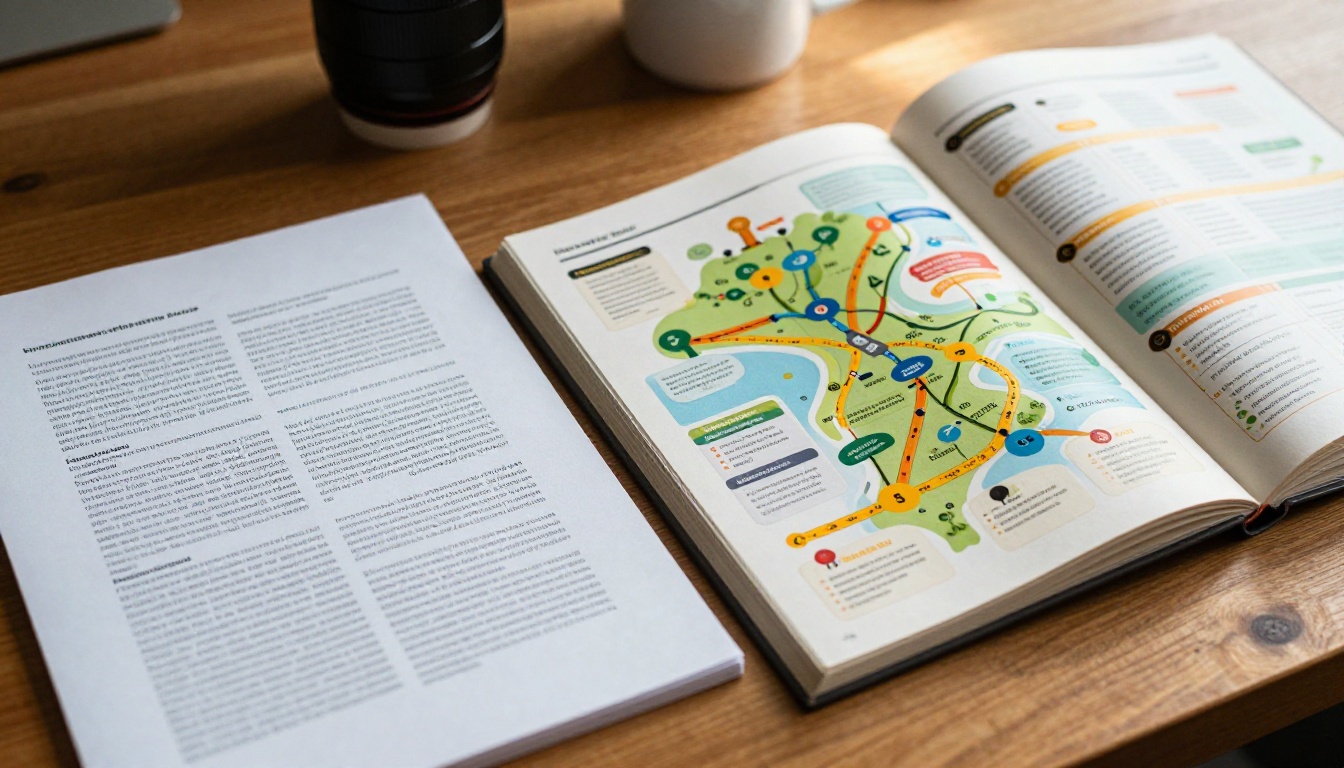
A flipbook roadmap is not a decorated PDF. It's a structured, interactive, multi-page document that clients access via a link on any device, browse with page-flip animations, and revisit without hunting through a downloads folder.
More Than a Pretty Document
The visual format changes how clients interact with the material. Instead of scrolling past text, they turn pages. Instead of scanning a wall of instructions, they see one milestone at a time. The physical metaphor of flipping matters: it creates a sense of progress, of moving through something intentionally.
| Feature | Static PDF | Flipbook Roadmap |
|---|
| Accessible via link | No (download required) | Yes |
| Mobile-friendly | Often not | Always |
| Page-turn interaction | No | Yes |
| Embeddable anywhere | No | Yes |
| Password protection | No | Yes |
| Analytics and tracking | No | Yes (Professional plan) |
| Client re-engagement | Low | High |
💡 Clients who access their roadmap via a shareable link return to it 3-5x more often than those who received a downloaded file. The friction of "find the file" is eliminated.
The Elements That Make It Work
A strong flipbook roadmap typically includes:
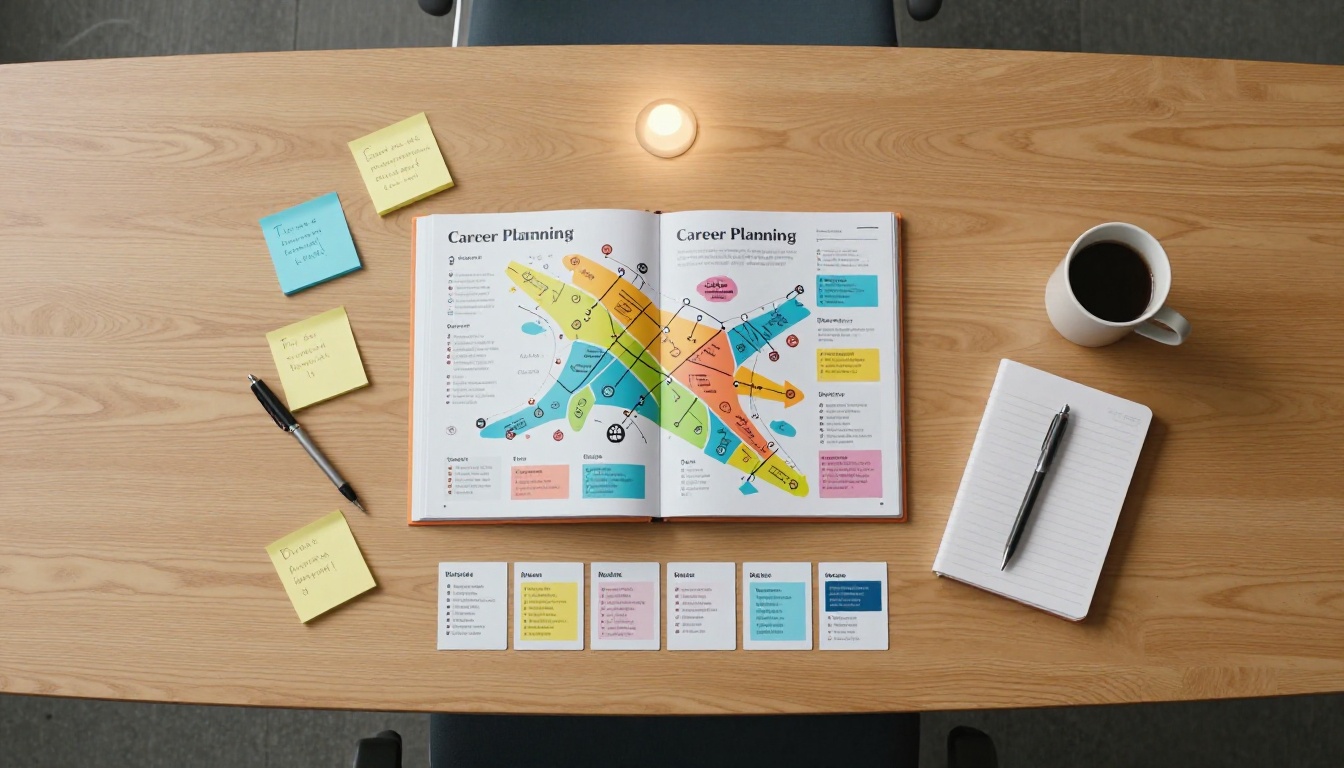
- A visual career timeline showing phases from current state to target role
- Milestone pages with specific, dated deliverables
- Resource sections with links to job boards, resume templates, or interview prep materials
- Reflection prompts that encourage active self-assessment between sessions
- Action checklists that build week-by-week momentum
When each of these lives on its own page with breathing room and clear design, clients don't feel buried. They feel organized.
Why Coaches Are Making the Switch
The shift isn't about aesthetics. It's about results.
Client Retention Goes Up
When clients feel organized and supported between sessions, they don't drop out. The flipbook roadmap acts as a touchpoint that exists independent of the coaching session itself. Clients check it when they're preparing for an interview, when they feel stuck, or when they need to remember why they started.
Coaches who have switched report fewer "I don't know what I'm supposed to be doing" messages between sessions. The roadmap holds the answer. The coach holds the relationship.
Perceived Value Jumps Instantly
Pricing is psychological. When a client receives a beautifully designed, interactive roadmap instead of a Word document with your logo in the header, the perceived value of your program increases. It signals investment, care, and professionalism.
Coaches running premium programs at $3,000 to $10,000 cannot afford for their deliverables to look like free templates from a Google search. The flipbook format communicates premium without requiring design skills.
✅ You don't need a graphic designer. Flipbooks AI converts your existing PDF roadmap into a polished, interactive flipbook in minutes.
Easier to Share and Update
A PDF, once sent, is frozen. Updating it means creating a new version, resending it, and hoping clients replace the old file. A flipbook hosted via link is a live document. Update the source, and every client who opens their link sees the current version.
For coaches who refine their frameworks over time, this matters. No more version control chaos. No more "make sure you're looking at the v3 version."
Real Coaching Scenarios That Benefit
Not all career coaching looks the same. Here's how different client types respond to the flipbook format.
Career Change Clients
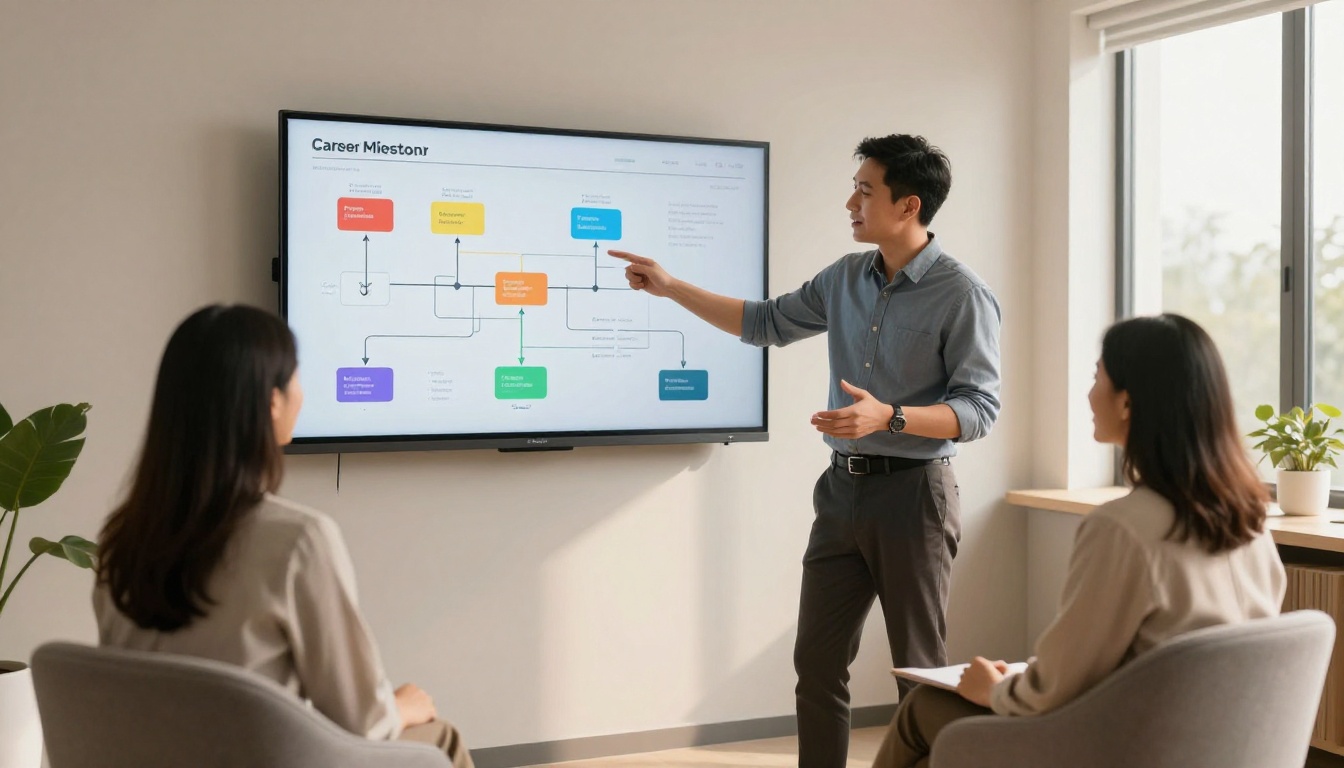
Clients pivoting industries carry the most anxiety of any coaching segment. They often feel directionless because the path from "marketing manager" to "UX researcher" isn't linear. A flipbook roadmap with clearly labeled phases (Audit, Skill Build, Portfolio, Application) turns an overwhelming transition into a visible journey.
Each time they flip to a completed milestone page, they feel momentum. That feeling is what keeps them engaged.
Executive Coaching Programs
Senior leaders working with executive coaches are used to high-quality deliverables. Handing them a PDF feels like the wrong signal. A password-protected flipbook roadmap with their name on the cover page, their 90-day strategic goals laid out clearly, and embedded resource links communicates the level of service they're paying for.
💡 Use password protection to keep client roadmaps private while still making them shareable via link. Available on Flipbooks AI's paid plans.
Job Search Acceleration
Job seekers working with coaches need to track application status, interview prep, networking outreach, and offer negotiation simultaneously. A flipbook with tabbed sections for each phase of the search gives them one organized hub instead of scattered spreadsheets and notes apps.
Coaches can build a single flipbook template and customize per client in minutes using Flipbooks AI.
How to Build a Career Roadmap Flipbook
Flipbooks AI is built for non-designers who want professional results. Here's how to create a career roadmap flipbook from scratch.
Step 1: Design your roadmap in PDF format
You don't need special software. Use Google Slides, Canva, or PowerPoint to build your roadmap. Structure it with one concept per page: a cover page with the client's name, a career vision page, individual milestone pages, and a final action checklist. Export as a PDF when finished.
Step 2: Create your account
Go to Flipbooks AI and create a free account. No credit card required to start.
Step 3: Upload your PDF
Click "New Flipbook" and upload your PDF file. The platform automatically converts each page into a paginated, interactive flipbook with smooth page-turn animations. The conversion takes seconds.
Step 4: Customize branding and design
Add your coaching brand colors, logo, and background. Choose from page effect styles. The Presentation Flipbook Designer tool is especially useful for coaching roadmaps with a professional presentation feel.
Step 5: Set sharing options
Choose how clients will access the roadmap. Options include:
- Direct link for easy sharing via email or messaging apps
- Embedded directly into your coaching portal or website using the Embed Flipbook on Website tool
- Password protected for client confidentiality
Step 6: Share and track with analytics
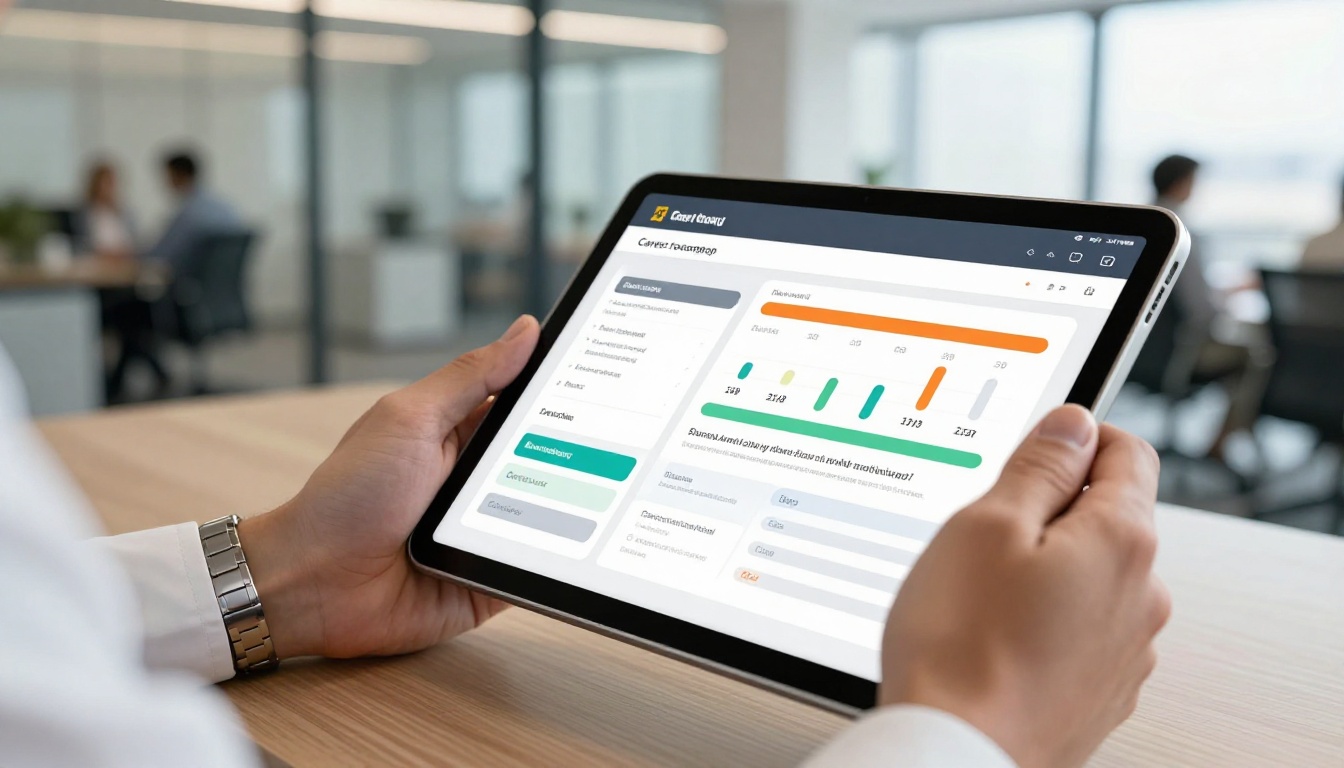
With the Professional plan, you can see how often clients open their roadmap and which pages they spend time on. This is real coaching data. If a client hasn't opened their roadmap in a week before a session, you know to check in. See pricing plans for analytics access.

When it comes to delivering a career roadmap, coaches have several options. Here's how they compare.
| Delivery Format | Setup Time | Client Accessibility | Update Ability | Professional Look | Cost |
|---|
| Email PDF attachment | Low | Low (download required) | Poor | Basic | Free |
| Google Docs link | Very Low | Medium | Good | Basic | Free |
| Notion page | High | Medium | Good | Medium | Free or Paid |
| Flipbook via link | Low | High | Good | High | Low |
| Custom web portal | Very High | High | Good | Very High | High |
For most coaching businesses, the flipbook format hits the best ratio of effort to result. It takes the same time to set up as a PDF, delivers as a link like a Notion page, and looks more polished than either.
What to Include in Your Roadmap
The format is only half of the equation. The content of the roadmap determines whether clients actually use it.

Milestones and Checkpoints
Break the coaching journey into 3 to 5 phases with specific, time-bound milestones. Avoid vague markers like "Improve your resume." Instead: "Submit updated resume to 3 target companies by [date]." Specificity creates accountability.
Each milestone should answer:
- What needs to happen
- By when
- How the client will know it's done
Resources and Action Steps
Include links or references to every tool, template, or resource the client needs for each milestone. Don't make them ask. When clients have everything in one organized document, they spend less time in confusion and more time in action.
| Section Type | What to Include |
|---|
| Career audit | Skills inventory worksheet, values clarification exercise |
| Resume and profile | Resume template, LinkedIn optimization checklist |
| Job search | Target company list, outreach templates, application tracker |
| Interview prep | STAR method reference, common questions list, mock interview schedule |
| Offer and negotiation | Salary research resources, negotiation scripts |
Making the Most of Analytics
One underused advantage of digital flipbooks is the data. With Flipbooks AI's Professional plan, coaches can see:
- How many times a client opened their roadmap
- Which pages they spent the most time on
- When they last accessed it
This turns a passive document into active coaching intelligence. If a client consistently skips the networking section, that's worth addressing in your next session. If they're re-reading the resume page, they might need more support there.
Analytics closes the gap between what clients say they're doing and what they're actually working with.

The Flipbook as a Business Asset
Career coaches who standardize on flipbook roadmaps aren't just improving client outcomes. They're building a scalable, repeatable system that works whether they have 5 clients or 50.
A single well-designed flipbook template can be customized per client in under 20 minutes. The base structure stays the same. The names, dates, and specific goals change. This is how coaches at scale deliver personalized experiences without burning out.
The Digital Portfolio Creator and Training Manual Flipbook tools also open up adjacent use cases: coaches can build their own credential portfolio or client onboarding manuals in the same platform.

⚠️ Don't wait until you have a perfect template to start. Your first flipbook roadmap will reveal exactly what to improve. Build it, send it, iterate.
Start Sending Roadmaps That Actually Work
Your clients hired you because they want clarity and forward motion. The documents you send should reflect that. Static PDFs compete for attention in inboxes and lose. Interactive flipbook roadmaps get opened, revisited, and used.
The tools are available, the format works, and the setup takes minutes.
Ready to create your first career roadmap flipbook? Get started for free on Flipbooks AI. Browse all available tools and templates to find the format that fits your coaching style, or check pricing plans to access analytics and lead generation for your practice.



