Every event planner has seen it: a beautifully printed program, hours of design work, significant budget spend, and by the end of the first break, half of them are on the floor or stuffed under chairs. Paper event programs fail before they even have a chance to work. But when the same content becomes an interactive flipbook, something very different happens. Attendees actually open them, share them, and reference them long after the event ends. Flipbooks AI turns any PDF event program into a rich, interactive digital experience in minutes, and the results speak for themselves.
Why Printed Programs Fall Short
There is a moment at almost every large event when the printed programs become a logistical headache. Someone needs to update a speaker's bio, a session time changes, or a sponsor name is misspelled. With print, none of that matters anymore because thousands of copies are already in attendees' hands. The format that was supposed to create a polished impression becomes a source of errors you cannot fix.
They Disappear Within the First Hour
Physical programs have a short lifespan. Research from event industry surveys consistently shows that most printed materials are left at venues or discarded within the first 90 minutes of an event. They compete with phones, bags, and the natural instinct people have to travel light. When an attendee has to choose between holding a paper program and keeping both hands free, the paper loses every time.
Static Formats Cannot Adapt
Print is permanent by nature. Once the files go to the printer, the content is locked. A change to a panelist's schedule, a new sponsor added the night before, a session moved to a different room, none of these can be reflected in a printed program. Event organizers are often stuck sending frantic emails or posting last-minute signage to correct what the program got wrong.
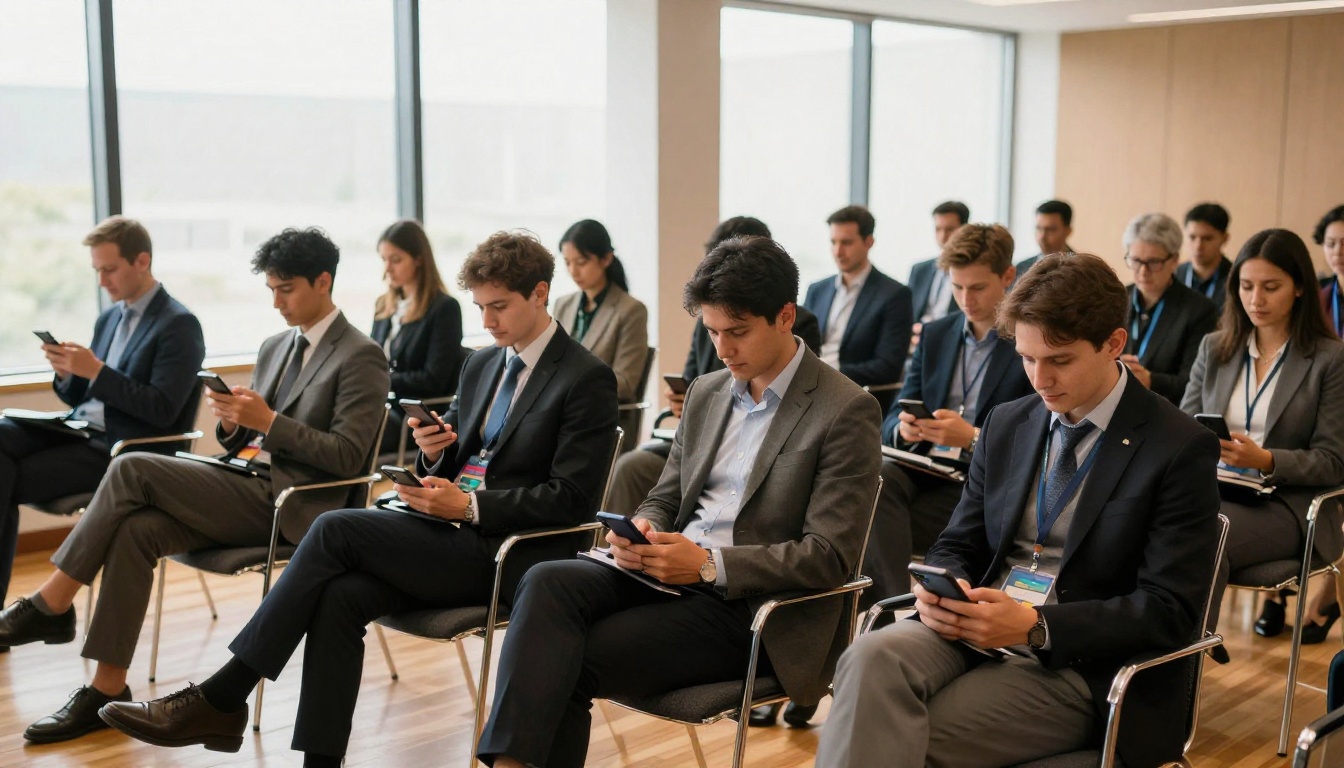
A digital flipbook is not just a PDF opened in a browser. It is an interactive, page-turning publication that behaves like a physical book but carries all the advantages of digital media. When event programs are published as flipbooks, attendees interact with them differently from the moment they open them. The familiar page-turning motion creates a natural reading flow that static scrolling PDFs simply cannot replicate.
Real Pages, Real Feel
The page-turn animation is not just cosmetic. It signals to the reader that this is a structured document, not a web page. That psychological cue matters for event programs, which carry schedules, speaker bios, sponsor messages, and maps. A flipbook's paginated structure helps attendees find information faster because the format mirrors what they expect from a traditional program. The difference is that this one fits in their pocket and never gets left on a chair.
Built for Every Screen
Flipbook event programs respond beautifully to every device. Whether an attendee is viewing on a laptop before the event, switching to their phone during breaks, or handing their tablet to a colleague, the layout adapts cleanly. This mobile-first behavior is critical because over 70% of digital content at events is now consumed on smartphones. A format that does not work on mobile is a format that does not work.
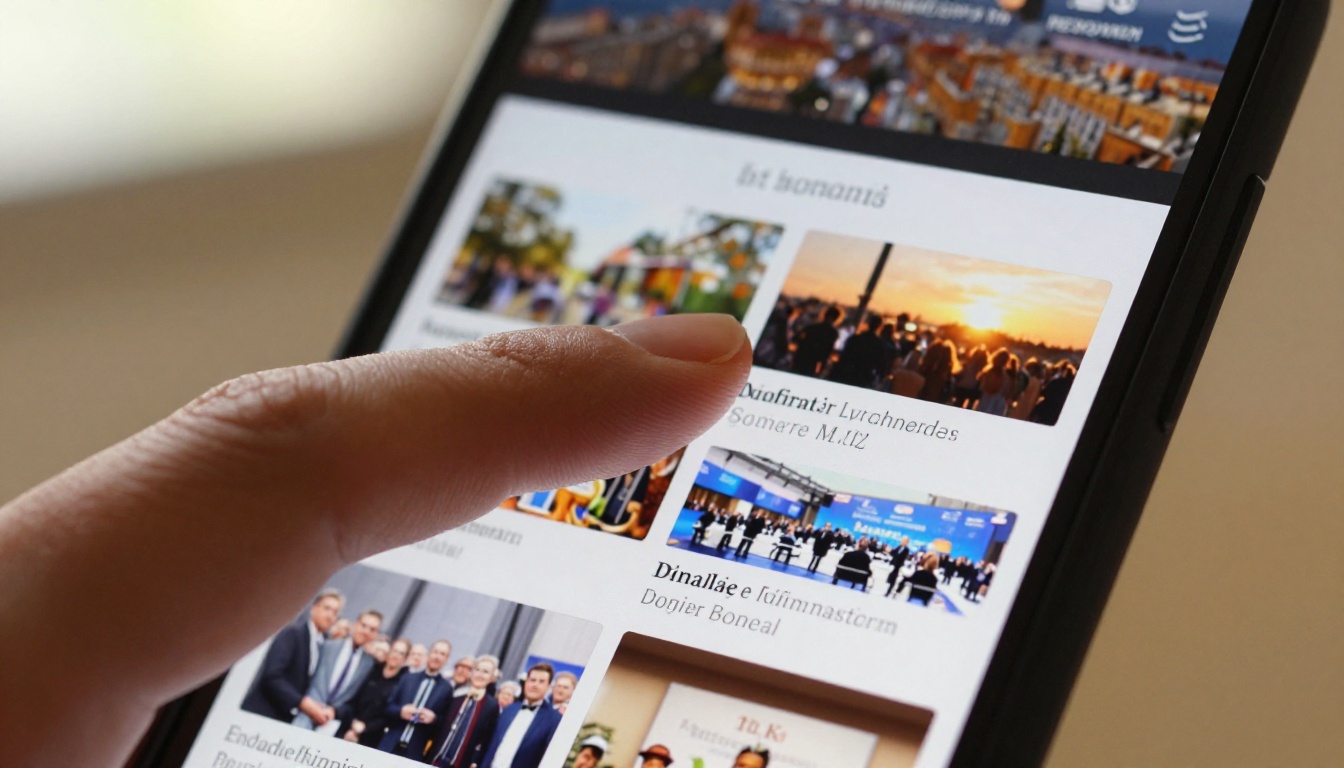
The case for digital flipbook programs is not just about convenience. It comes down to specific, measurable behaviors that printed programs cannot produce.
1. They Get Shared Before the Event Begins
A link to a flipbook event program can be included in registration confirmation emails, posted on social media, added to event websites, and shared in messaging groups days before the event. Attendees preview the schedule, share it with colleagues who are also attending, and build anticipation around the event. A printed program is handed out at the door. A flipbook program creates a touchpoint that starts working weeks in advance, without any additional distribution effort.
2. Real-Time Updates, Zero Reprints
When something changes, you update the flipbook once and every link pointing to it instantly reflects the new version. No reprints. No distribution problems. No budget hit. For multi-day conferences, this alone is worth the switch. Organizers at large events regularly face last-minute schedule changes that would cost thousands in reprints. With a flipbook, those changes take minutes to publish.
3. Analytics Show What Attendees Actually Read
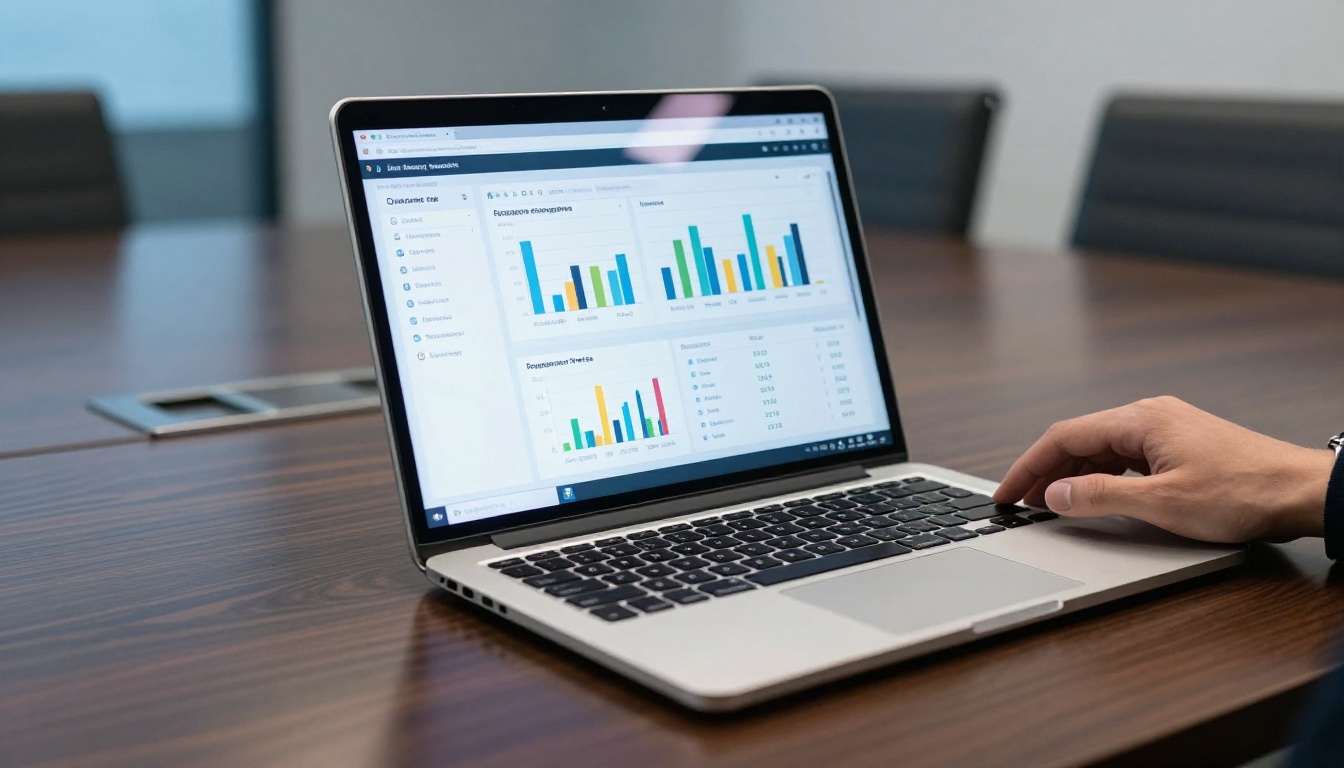
One of the most powerful differences is visibility. With printed programs, you have no idea which sections attendees actually read, which sponsors got noticed, or how long people spent on the schedule. Flipbooks AI's analytics features on the Professional plan change that entirely. You can see which pages received the most attention, how long the average reader stayed, and which links were clicked. That data shapes every future event program you create, and it gives sponsors the proof of reach they increasingly expect.
4. Videos, Audio, and Links Inside the Program
Printed programs are limited to images and text. Flipbook programs can embed video trailers, speaker introduction clips, sponsor videos, interactive maps, registration links, and social media buttons directly inside the pages. A charity gala program can include a video of the cause being supported. A conference program can embed a welcome message from the keynote speaker. These are not just features. They are additional reasons people share the program with others who were not even at the event.
5. Attendees Keep It After the Event
A link to a flipbook program does not get thrown away. It lives in email inboxes, saved in bookmarks, and referenced in post-event social posts. Sponsors who paid for program placement get continued visibility long after the event ends. For recurring events, the flipbook becomes a searchable archive that builds brand credibility over time and gives new attendees context before they arrive.
Who Benefits Most by Event Type
Different events get different results from the format shift, but every category sees meaningful improvement in how attendees interact with their programs.
Corporate Conferences and Summits
Conference programs are dense. Schedules, speaker bios, breakout session details, sponsor tiers, venue maps. In paper form, this often results in a booklet so large it ends up left at the registration desk. As a flipbook, that same content becomes fully navigable with a clickable table of contents, hyperlinked session titles, and embedded speaker videos. Attendees actually use the program throughout the day because accessing it requires no more effort than unlocking their phone.
Weddings and Private Celebrations
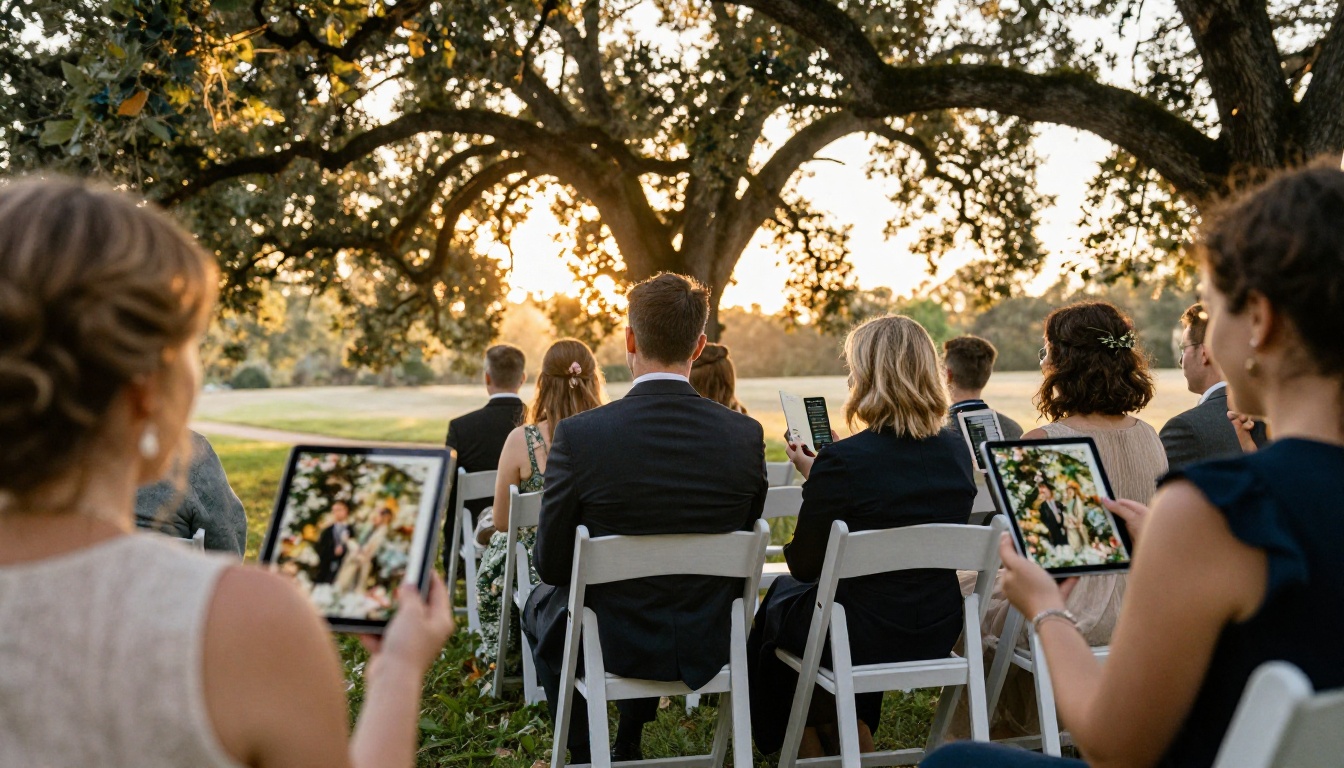
Wedding programs are among the most emotionally significant pieces of event collateral produced. They list names of people who matter, songs being played, and the order of a ceremony that will be remembered for decades. A digital wedding program as a flipbook can include the couple's story, photos from their relationship, a video message, and links to the music playlist. Guests receive it in advance by QR code or direct link and treat it as a keepsake rather than a formality to discard on the way out.
Sports Events and Tournaments
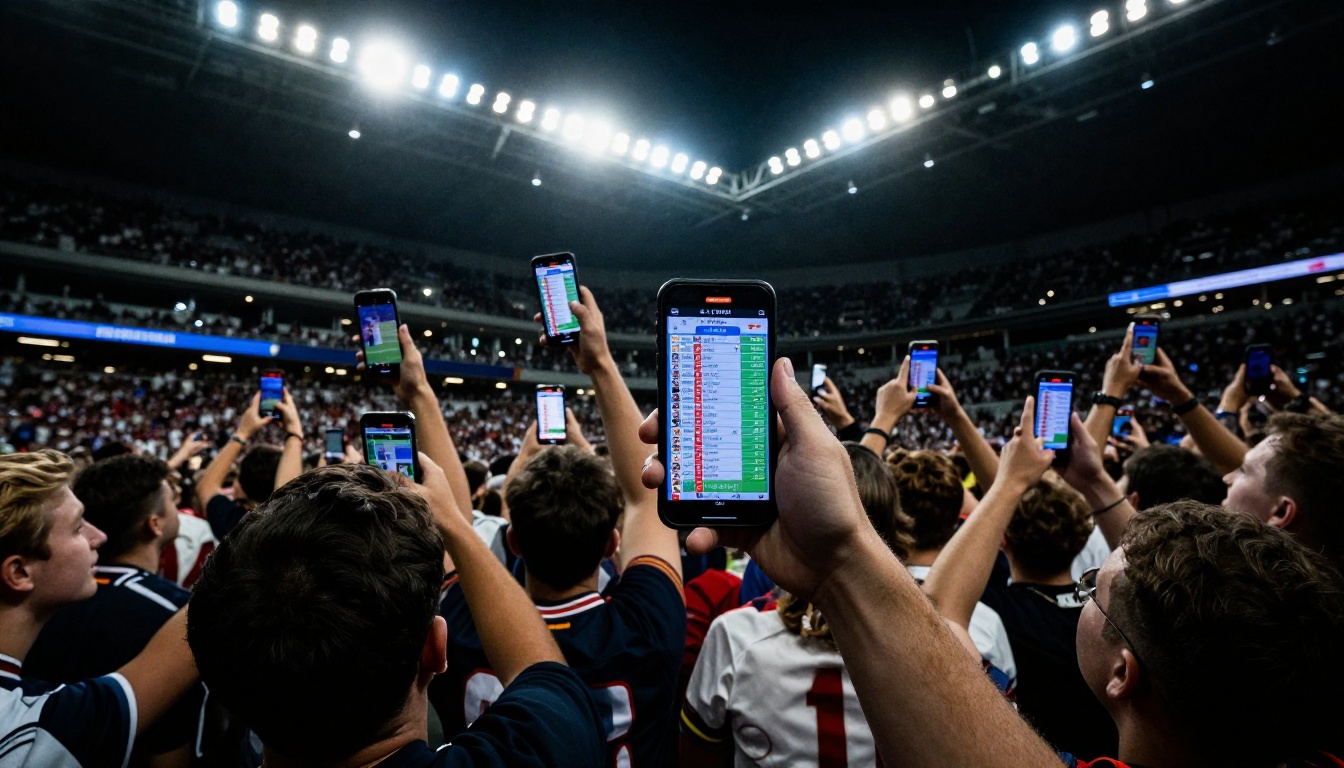
Stadium programs face a unique problem: they are expensive to produce, heavy to carry, and often out of date by the time the match starts due to last-minute lineup changes. A flipbook sports program can be updated up to kickoff, includes live links to official team pages, and can embed player highlight videos. Fans share it on social media before the match, creating organic promotion for the event that no printed program could achieve.
Charity Galas and Fundraisers
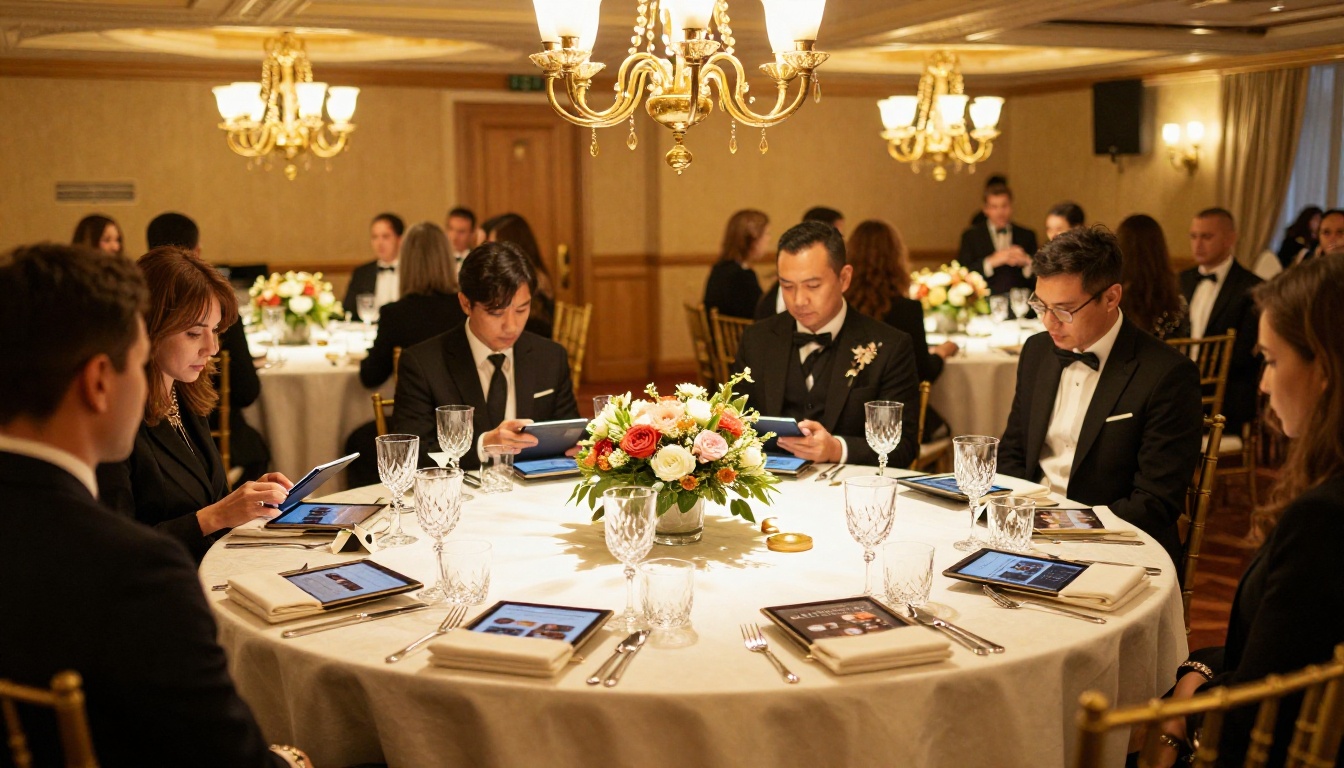
For nonprofit events, every element of the program is a fundraising opportunity. Sponsor logos in a flipbook can link directly to the sponsor's website. Donation calls-to-action can include embedded forms. Impact stories can be told through video embedded directly on the page. The flipbook format turns the event program into an active fundraising tool rather than a passive piece of printed collateral that gets folded into a pocket and forgotten.
Digital vs. Printed Programs at a Glance
| Feature | Printed Program | Digital Flipbook |
|---|
| Real-time updates | Not possible | Instant, no cost |
| Shareable before event | Not possible | Yes, via link or QR code |
| Multimedia (video, audio) | Not possible | Yes, fully embeddable |
| Analytics and tracking | None | Full page-level data |
| Cost per update | High, full reprint required | Zero |
| Attendee retention after event | Very low | High, saved links persist |
| Mobile-friendly | No | Fully responsive |
| Environmental impact | Paper and print waste | Zero print waste |
| Password protection | Not possible | Yes, on Standard and above |
💡 A well-distributed flipbook program typically reaches 3 to 5 times more people than the number of physical copies that would have been printed at the same budget. Every share multiplies that number further.
Flipbooks AI Plan Comparison for Events
| Feature | Free | Standard | Professional |
|---|
| Flipbooks | Limited | Unlimited | Unlimited |
| Analytics | No | Basic | Full page-level |
| Password protection | No | Yes | Yes |
| Offline download | No | No | Yes |
| Custom branding | No | Yes | Yes |
| Watermark-free | No | Yes | Yes |
| Lead generation | No | No | Yes |
⚠️ For events where sponsor ROI tracking matters, the Professional plan's analytics are essential. Sponsors increasingly expect proof of reach, and page-level data is the only format that provides it convincingly. See full pricing details.
How to Create an Event Program Flipbook
The process is faster than most event planners expect. Flipbooks AI does not require any design software expertise or technical knowledge to publish a professional event program. Here is exactly how it works.
Step 1: Create Your Account
Go to Flipbooks AI and sign up. The process takes under two minutes and no credit card is required to start.
Step 2: Design Your Program as a PDF
Use whichever design tool your team prefers, Canva, Adobe InDesign, Google Slides, or any other application. Export the finished event program as a PDF. This is the only file you need.
Step 3: Upload and Convert
Use the PDF to Flipbook Converter to upload your PDF. Flipbooks AI processes it automatically and creates a page-turning flipbook in seconds. No manual formatting required.
Step 4: Add Multimedia and Interactivity
Once converted, open the editor to embed videos on any page, add clickable links to sponsor websites, insert audio clips, and hyperlink the table of contents. For event programs specifically, embedding a venue map as an interactive image saves attendees significant time on the day.
Step 5: Apply Your Event Branding
Set your event's color palette, add the event logo, and choose fonts that match your existing visual identity. The Event Program Maker tool provides templates optimized specifically for event content structures if you want a faster starting point.
Step 6: Set Access and Privacy Options
For public events, leave the flipbook open and shareable by default. For private or ticketed events, enable password protection so only registered attendees can access the program. This feature is available on Standard plans and above, with no watermarks.
Step 7: Distribute Before the Event
Copy the shareable link and include it in confirmation emails, post it to social media with a preview image, add it to your event website, and generate a QR code for printed signage at the venue. For events with apps or websites, embed the flipbook directly using the Embed Flipbook on Website tool.
Step 8: Track What Works
After the event, review analytics in your Flipbooks AI dashboard. Page dwell time, link clicks, total views, and device breakdown are all available on the Professional plan. Use this data when pitching sponsors for the next event.
✅ Send the flipbook link three days before the event, again on the morning of, and once more after the event as a recap document. Three touchpoints, one flipbook, significantly higher total reach.

What Attendees Actually Do With Digital Programs
The behavior shift when attendees receive a flipbook program instead of a printed one is measurable and consistent across event types.
- They share it proactively: A link is fundamentally shareable. Printed programs are not. Social sharing of event programs is almost exclusive to digital formats, and it happens without any prompting from the organizer.
- They reference it multiple times: The average printed program is opened once. A flipbook program gets referenced before the event to plan the day, during breaks to check the schedule, and after to follow up with speakers or sponsors.
- They click through to sponsors and speakers: Hyperlinked sponsor logos, speaker LinkedIn profiles, and session registration links all get clicks. These are actions that printed programs make impossible.
- They remember the event better: Receiving a well-designed, interactive program creates a stronger association with the event brand. It signals professionalism and attention to detail in a way that a photocopied schedule never could.
- They share it after the event ends: Attendees who had a great experience often share the event program link as a way of recommending the event to others. This kind of organic distribution is worth considerably more than any print run.
Common Questions From Event Planners
Does it work without an app?
Yes. Flipbook programs open in any browser on any device. Attendees do not need to install anything. This is one of the most important practical advantages for events with diverse attendee demographics where asking people to download an app creates unnecessary friction.
What if attendees have poor internet at the venue?
The Professional plan includes offline download capability. Attendees can save the flipbook to their device before arriving and it works fully without any connection during the event.
Can multiple team members edit the program?
Yes. Flipbooks AI supports collaborative workflows so your designer, content team, and event manager can all work on the program without version conflicts or file-sharing headaches.
How do sponsors respond to digital programs compared to printed ones?
Overwhelmingly positive, once they see the analytics. A sponsor who previously had to trust that their logo was noticed now receives a report showing exactly how many people viewed that page and how many clicked their link. It transforms sponsorship from a faith-based investment into a measurable one, which makes renewal conversations significantly easier.
Start Your Next Event Program Right
The difference between a program that gets used and one that gets discarded is not design quality. It is format. Beautiful design in a PDF that nobody opens is wasted effort. That same design as a shareable, interactive flipbook becomes a tool that works before, during, and after your event without any additional distribution costs or reprint budgets.
Flipbooks AI gives you everything you need to publish professional event programs quickly. No watermarks, no print delays, no version control nightmares. The platform handles the technical side so you can focus on making the event itself worth attending.
Ready to see how it works for your next event? Create your free account and convert your first event program in minutes. For teams running recurring events with sponsor tracking and analytics needs, compare pricing plans to find the right fit. Browse all event and publication tools to see what else is possible for your next production.



