The way people read content has changed permanently. Nobody sits at a desk, downloads a PDF, and scrolls through 40 static pages anymore. They swipe, tap, and expect every document to behave like a native app. That gap between what static PDFs deliver and what modern audiences expect is exactly why Flipbooks AI exists, and why interactive page-flip publishing is no longer optional. It is the new standard.
Static PDFs Are Holding You Back
Most businesses still distribute content as PDFs. The format is universal, sure. But "universal" stopped meaning "effective" a long time ago. PDFs were designed for print, not screens. They load slowly on mobile, they cannot embed live video, they offer zero analytics, and they disappear into download folders never to be seen again.
The Problem with Flat Documents
Think about how a PDF reaches your audience. You attach it to an email or share a link. The recipient downloads it. Maybe they open it, maybe they do not. You have no idea. There is no tracking, no way to know which pages resonated, no mechanism to capture a lead from within the document itself. You are publishing blind.
The problems multiply on mobile. PDFs require pinch-zoom to read on a phone. Pages do not reflow. Images appear at arbitrary sizes. By the time a reader has adjusted the view, they have lost interest. Mobile traffic now exceeds 60% of all web traffic globally. A format that was not built for mobile is not a viable primary distribution channel in 2026.
What Readers Actually Want Today
Research from content marketing firms consistently shows that interactive content generates double the time-on-page compared to static formats. Readers scroll deeper and share more frequently when content responds to their actions. Page-flip documents with embedded links, embedded video, and animated transitions create that responsive experience without requiring any technical skill from the publisher.
💡 Pro Tip: The page-turn animation in a flipbook is not purely aesthetic. It triggers the same cognitive pattern as reading a physical book, increasing time-on-page by signaling to the reader's brain that there is more content worth exploring.
How Page-Flip Technology Works
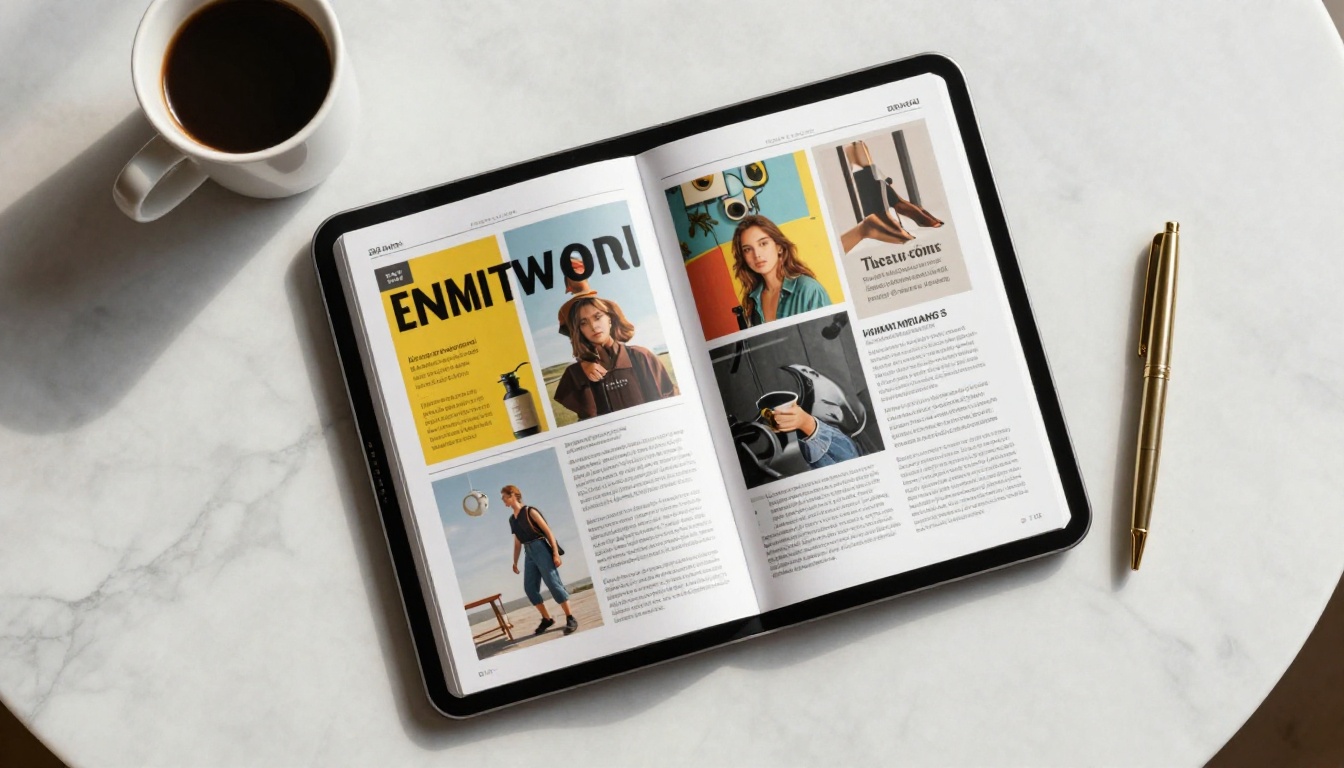
Modern flipbooks are built on HTML5, not Flash. That distinction matters enormously. HTML5 flipbooks work on every browser, on every device, without plugins or downloads. They are indexed by search engines, embeddable in websites, shareable via a single link, and they load fast because content streams progressively rather than requiring a full download.
From PDF Upload to Interactive Experience
The workflow is straightforward. You upload a PDF to Flipbooks AI, and the platform converts it automatically into a responsive, interactive flipbook. Page-turn animations are applied, the layout adapts to screen size, and you can then layer on customization: your brand colors, your logo, embedded videos, clickable links, and password protection. The whole process takes minutes, not days.
HTML5 Flipbook vs. PDF: Head-to-Head
| Feature | Static PDF | HTML5 Flipbook |
|---|
| Mobile-responsive | No (pinch-zoom required) | Yes (auto-adapts) |
| Embedded video | No | Yes |
| Embedded audio | No | Yes |
| Reader analytics | No | Yes (Professional plan) |
| Lead capture | No | Yes (Professional plan) |
| Password protection | Limited | Yes (all paid plans) |
| SEO indexable | Partially | Yes |
| No download required | No | Yes |
| Custom branding | No | Yes |
| Shareable link | Yes | Yes |
| Embed in website | No | Yes |
✅ Best Practice: Always enable password protection for internal documents, price lists sent to VIP clients, or pre-release catalogs. It is included in Standard and above plans on Flipbooks AI.
The Numbers Behind Reader Behavior
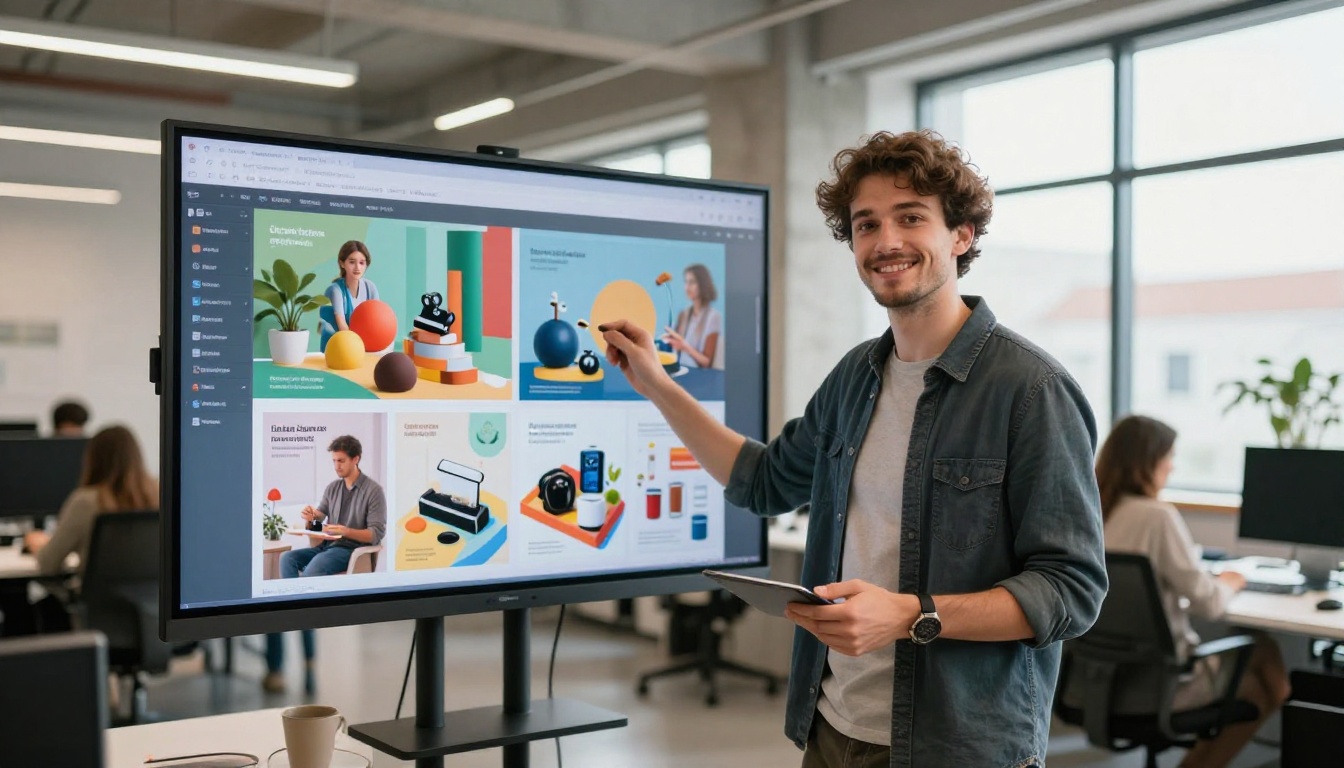
Intuition is useful. Data is better. Multiple studies on interactive document performance show consistent patterns that static PDF metrics simply cannot match.
What Interaction Data Actually Shows
- Interactive documents receive 2.3x more time-on-page than equivalent static PDFs
- Embedded video within a flipbook increases click-through rates by up to 41%
- Mobile readers complete flipbook content at 3x the rate they complete equivalent PDFs
- Documents shared via a direct flipbook link receive 68% more secondary shares than PDF attachments
These numbers reflect a simple truth: when content feels like a product rather than a file, people treat it like one.
Why Interactive Content Converts Better
A brochure that sits in a download folder does nothing for your conversion rate. A flipbook that lives at a permanent URL, embeds a contact form, tracks which pages your prospect viewed, and sends that data to your CRM is a sales tool. The format change is not cosmetic. It fundamentally changes what the document can do.
💡 Pro Tip: With the Flipbooks AI Professional plan, you can see exactly which pages each reader spent the most time on. Use that data to identify your strongest content and restructure subsequent documents around it.
Who's Already Winning with Flipbooks
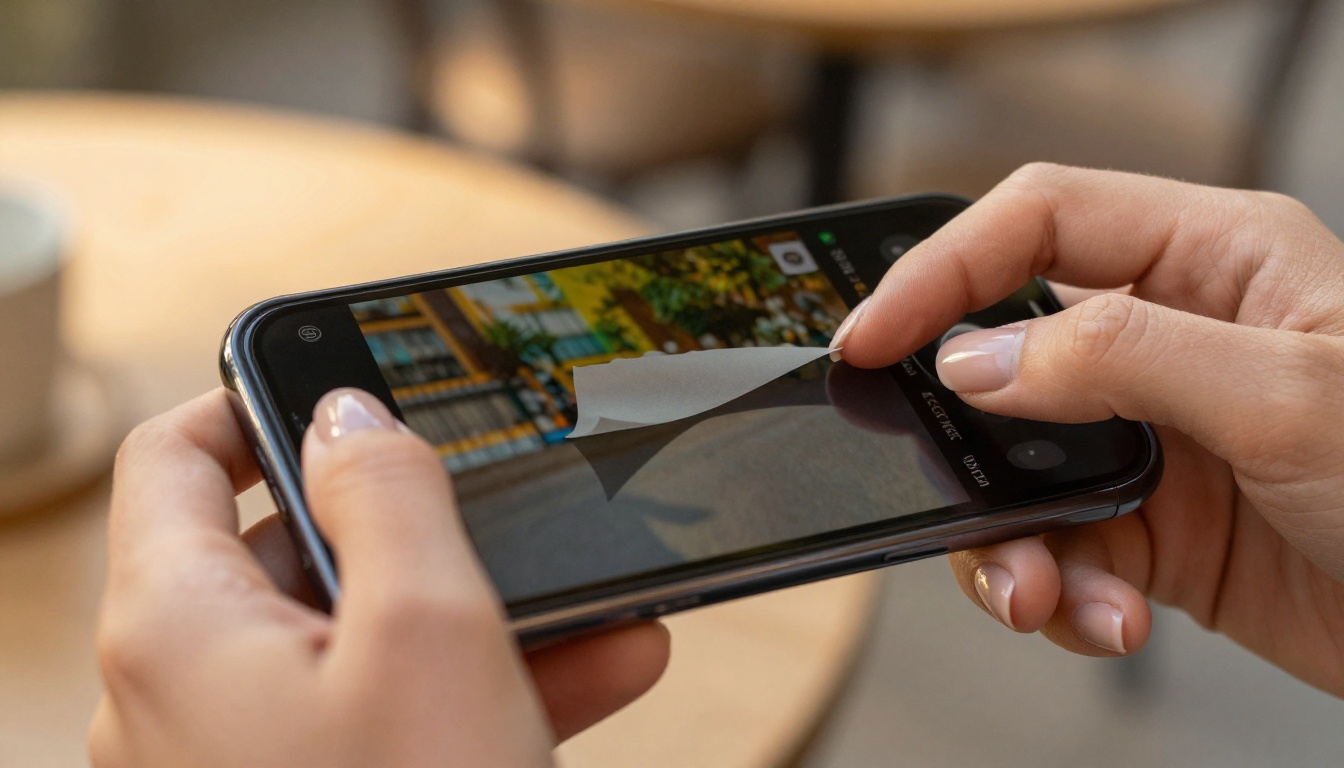
The adoption pattern for interactive publishing follows the same curve as every digital shift: early adopters in content-heavy industries build advantages that compound over time. Here is who is already ahead.
Retailers and E-Commerce Brands
Product catalogs were the first major use case to move from print to digital, and from digital PDFs to interactive flipbooks. A static PDF catalog requires the reader to scroll back and forth, cannot update pricing in real time, and cannot track which products generated the most interest.
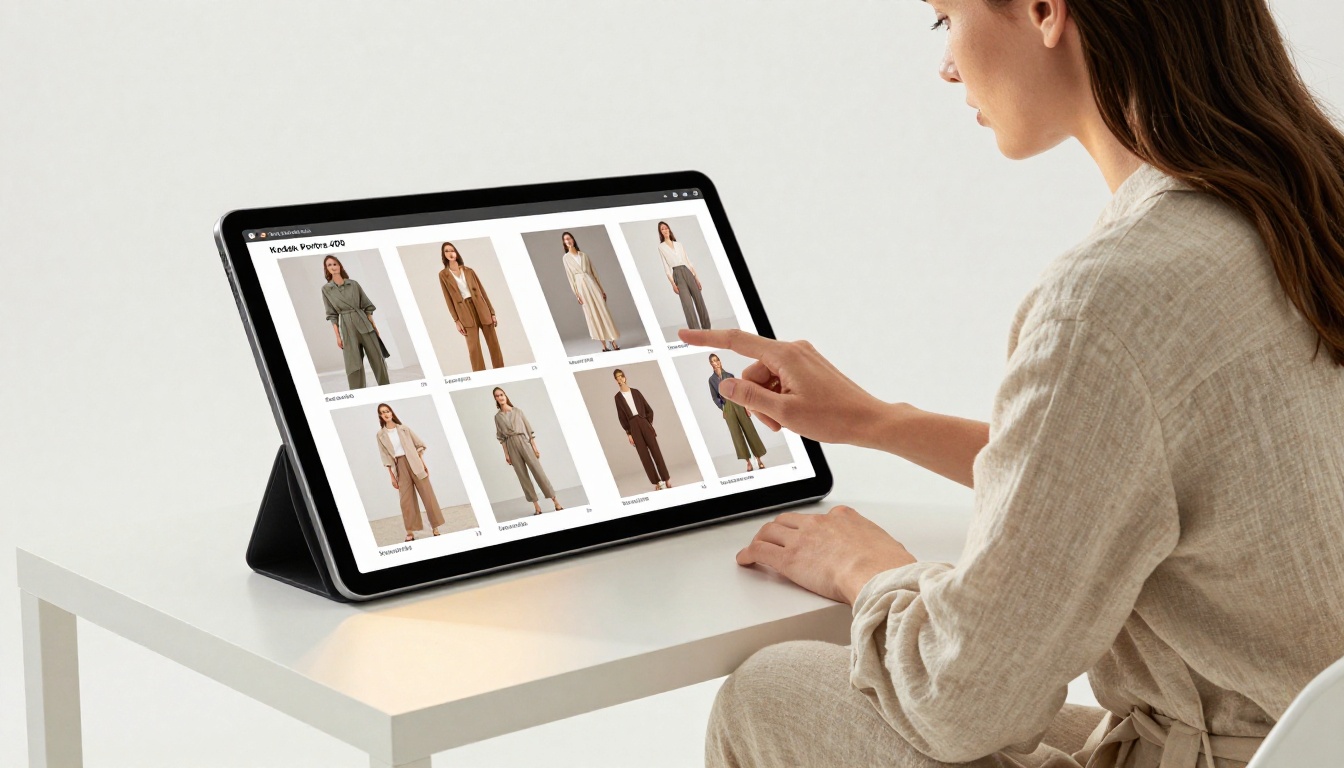
A flipbook catalog, built with the Product Catalog Generator or the Digital Catalog Maker, includes clickable product links, embedded video demos, real-time pricing updates, and page-view analytics. Fashion brands using the Fashion Catalog Creator report that buyers spend significantly more time with interactive catalogs than static ones.
Real Estate Professionals
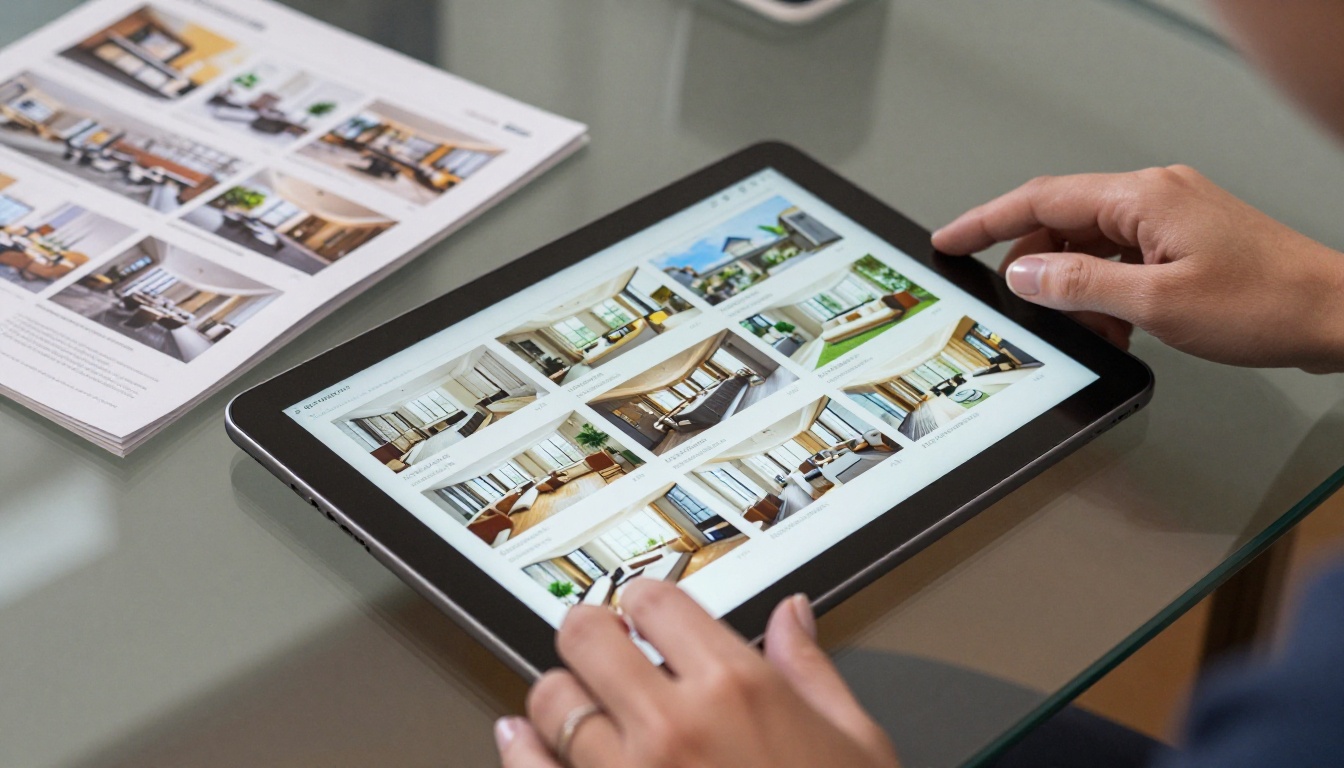
Property listings inside a beautiful, page-flip brochure with embedded virtual tour videos, floor plan images, and clickable contact forms convert at dramatically higher rates than static PDFs. The Real Estate Brochure Creator makes it possible to produce these assets without a design team.
A real estate agent can share a single link that opens a full property brochure on any device, tracks how long the buyer spent on each property page, and captures their contact information through an embedded lead form.
Restaurants and Hospitality
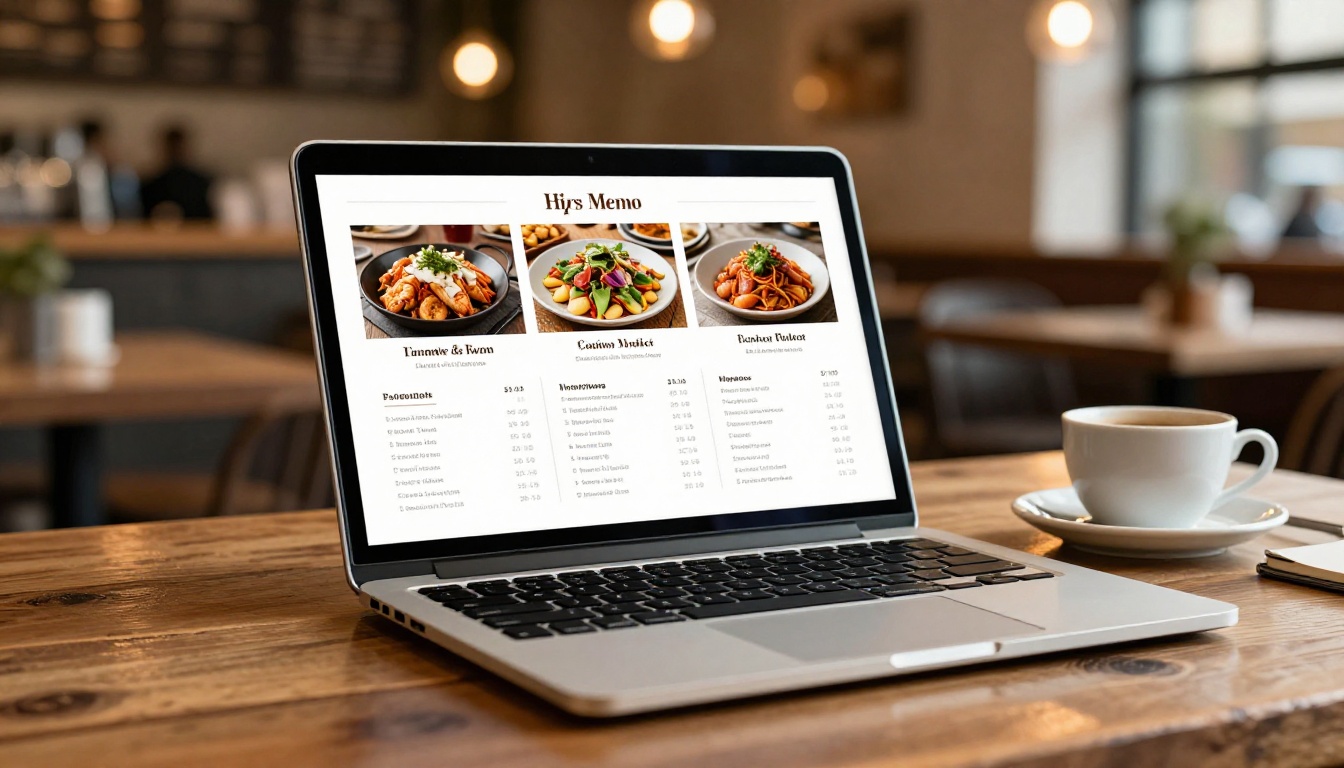
Paper menus have a hygiene problem. Printed menus have a cost problem. PDFs have a mobile problem. An interactive digital menu created with the Restaurant Menu Creator solves all three. It displays beautifully on any phone without pinch-zoom, can be updated instantly when specials change, and includes food photography that a printed menu cannot match at the same cost.

How to Create Your First Flipbook with Flipbooks AI
If your content is currently locked in PDFs, moving it to an interactive flipbook is faster than you might expect. Here is the exact process using Flipbooks AI.
Step 1: Sign Up and Access Your Dashboard
Go to flipbooksai.com/account and create your account. No credit card is required to start. The platform offers a free tier to test the conversion workflow before committing to a plan.
Step 2: Upload Your PDF
From your dashboard, click "Create Flipbook" and upload your existing PDF. The platform supports files up to 500MB and converts them automatically. The page-turn interface is applied instantly, and you can preview the result before publishing.
Step 3: Customize Your Flipbook
This is where the real value sits. You can:
- Add your logo and custom domain
- Set your brand color palette for the toolbar and background
- Embed YouTube or Vimeo videos directly into specific pages
- Add clickable links on any element
- Set a password for private distribution
- Enable lead capture forms (Professional plan)
- Turn on page-level analytics to track reading behavior (Professional plan)
The PDF to Flipbook Converter handles the technical conversion so you can focus entirely on customization.
Step 4: Share and Distribute
Once published, you have several distribution options:
- Direct link: Share a clean URL that opens the flipbook in any browser on any device
- Embed code: Use the Embed Flipbook on Website tool to place the flipbook inside any webpage
- QR code: Generate a QR code to print on physical materials
- Social share: Native sharing buttons for the major platforms
- Email: Embed a preview image that links to the live flipbook
⚠️ Warning: Never send a PDF attachment when you could share a flipbook link instead. PDF attachments get blocked by spam filters, cannot be tracked, and deliver a worse reading experience on every mobile device.
Not all interactive content is equal. Here is how flipbooks compare against the other common digital publishing formats.
| Format | Mobile Experience | Analytics | Lead Capture | Embeddable | Cost |
|---|
| PDF | Poor | None | None | No | Free |
| HTML Webpage | Excellent | Yes (GA required) | Yes (dev work needed) | Yes | High (dev cost) |
| Flipbook | Excellent | Built-in | Built-in | Yes | Low |
| PowerPoint/Slides | Moderate | None | None | Limited | Free |
| Interactive PDF | Poor | None | None | No | Moderate |
Flipbooks occupy a unique position: they deliver a webpage-quality reading experience with a document-style workflow, at a cost that does not require a development team.
Plans and What They Include
Choosing the right plan depends on your publishing volume and whether you need analytics and lead generation. Here is a clear breakdown.
| Feature | Free | Standard | Professional |
|---|
| Flipbooks | Limited | Unlimited | Unlimited |
| Watermarks | Yes | No | No |
| Custom branding | No | Yes | Yes |
| Password protection | No | Yes | Yes |
| Analytics | No | No | Yes |
| Lead generation | No | No | Yes |
| Offline downloads | No | Yes | Yes |
| Embedded video/audio | No | Yes | Yes |
| Priority support | No | No | Yes |
✅ Best Practice: Start with the Standard plan if you are a small business creating unlimited branded flipbooks. Upgrade to Professional when you need data on how readers behave inside your documents. View the full breakdown at Flipbooks AI pricing.
The SEO and Marketing Advantage
Here is something most people do not realize: a well-structured flipbook can drive organic traffic. Unlike a PDF attachment, a flipbook lives at a permanent, indexable URL. Search engines can crawl its content, index its text, and rank it for relevant queries. A company that publishes an annual report as a flipbook gets SEO value from that content. A company that emails a PDF gets none.
Why Flipbooks Build Authority Over Time
Every flipbook you publish becomes a permanent piece of indexable content. If you publish a product catalog, a training manual, a newsletter, or a lookbook as a flipbook, each one adds to your domain's content footprint. Over time, that compounds in search ranking in ways that PDF attachments categorically cannot.
The Annual Report Creator, Corporate Report Maker, and Newsletter Flipbook Publisher are all built specifically for this kind of permanent, indexable content publishing.
Lead Generation That Runs Itself
With the Professional plan, you can embed a lead capture gate at any point in the flipbook. Readers who want to continue past a certain page enter their email. You receive the contact automatically. This turns every document you publish into an active lead generation asset, running continuously without manual effort.

Interactive Publishing for Education and Training
The classroom has moved online. Training programs, onboarding materials, course content, and institutional publications all need to work on screens, across devices, and without requiring students to download anything.
The Training Manual Flipbook, Course Material Publisher, and School Newsletter Creator are built for exactly this context. An onboarding flipbook that employees read on their phones during their first week is more interactive, more trackable, and easier to update than a printed manual that gets filed away and never referenced again.
💡 Pro Tip: Use the Yearbook Flipbook Maker for educational institutions that want to produce shareable, permanent yearbooks without the printing cost and logistics of physical production.

Creative and Portfolio Applications
Photographers, designers, architects, and creative agencies have a specific problem: their work does not look good in a PDF. Images compress poorly. The reading experience is clunky. There is no way to make a static PDF feel premium.
A flipbook portfolio created with the Digital Portfolio Creator or the Photography Portfolio Flipbook delivers full-resolution imagery inside a reading experience that feels like a high-end magazine. The Interactive Lookbook Designer gives fashion and lifestyle brands a format that matches the quality of their visual identity.
Even event programs, wedding albums, and travel content benefit from the flipbook format. The Wedding Album Flipbook and Travel Guide Flipbook show how broad the use case actually is, stretching well beyond traditional business publishing.
Make the Shift Now
Digital publishing is not waiting for anyone. Every quarter that passes with a static PDF as your primary distribution format is a quarter where your content is generating less reader attention, less data, and fewer leads than it could be.
The tools are here. The workflow takes minutes. The results are measurable from day one.
Ready to see what your documents look like as interactive flipbooks? Create your first flipbook for free on Flipbooks AI today.
Browse all flipbook tools to find the right template for your industry, or compare pricing plans to choose the tier that fits your publishing volume.
Your content deserves a format that works as hard as you do.



