Every second a visitor lands on your page, they make a snap decision: stay or leave. Static landing pages have been the default for years, but the numbers tell a different story. Bounce rates on typical landing pages hover between 60 and 90 percent. Meanwhile, interactive digital flipbooks consistently show session times two to three times longer, with click-through rates that make traditional pages look obsolete. Flipbooks AI is at the center of this shift, and the reasons are worth paying close attention to.
The Problem With Static Landing Pages
Landing pages were built for a different internet. When broadband was new and options were few, a headline, a hero image, and a button were enough to convert. That era is over.
Visitors Leave in Seconds
The average human attention span online is roughly 8 seconds. A static landing page asks a visitor to trust you, read your pitch, and click a button, all within that narrow window. There is no depth, no exploration, no reason to stay. The bounce happens before the copy even registers.
What makes this worse: search engines track it. High bounce rates signal low relevance to Google, which erodes rankings over time. A page built to convert can end up hurting your organic visibility instead.
One Scroll, One Chance
A landing page is a linear experience. Visitors scroll down once, maybe twice, and either convert or leave. There is no second path, no alternative entry point, no way to re-capture someone who skimmed past your headline. You get one shot. If the messaging misses, the visitor is gone.
No Story, No Trust
Conversion is built on trust, and trust requires narrative. A landing page cannot tell a layered story in the way a multi-page document can. There is no room for case studies, product breakdowns, testimonials spread across sections, or branded visual flow. Everything gets compressed into a single scrollable column, and that compression kills context.
What Makes Flipbooks Different
A flipbook is not just a PDF viewer. It is an interactive publication format that mirrors the physical experience of reading a magazine or product catalog, with all the advantages of digital delivery built in.
The Psychology of Page-Turning
There is genuine psychology behind why page-turning works. The act of flipping a page creates a micro-commitment. Readers feel invested in the content because they are actively participating in it. Each page turn is a decision to continue, and that decision-making loop builds momentum toward conversion.
This is not a new idea. Print catalogs have leveraged this for decades. Flipbooks bring that same psychological mechanism to digital, adding analytics, clickable links, embedded media, and real-time interaction tracking on top.

Mobile-First by Default
More than 60 percent of web traffic comes from mobile devices. Static landing pages are often retrofitted for mobile, leading to awkward layouts, slow load times, and text designed for desktop screens. Flipbooks built on Flipbooks AI are fully responsive by design. They reflow naturally across screen sizes, load fast, and feel native to whatever device is being used.
💡 Pro Tip: A flipbook that loads beautifully on a smartphone sends a professional signal that a generic landing page rarely achieves on its own.
Multi-Page Depth Without Overwhelm
A landing page has to choose between brevity, which loses context, and depth, which overwhelms. Flipbooks solve this by organizing information across pages. A viewer can browse at their own pace, skip to sections they care about, or revisit earlier content. The format handles complexity without creating cognitive overload.
Conversion Metrics That Actually Move
The proof is in the numbers. When businesses switch from static landing pages to interactive flipbooks, the measurable changes are consistent across industries.

Time on Page Doubles
Average session time on a well-designed flipbook runs between 4 and 8 minutes. Compare that to the typical landing page, where most visitors spend under 60 seconds. More time means more exposure to your product, your pricing, your testimonials, and your calls to action. Each page turn is another opportunity to convert.
Click-Through Rates Improve
Because flipbooks embed links directly inside content, CTRs improve dramatically. A reader browsing a product catalog can click a price, a product name, or a feature comparison and land directly on the relevant page. There is no need to scroll back to find a button. The conversion path is woven into the reading experience itself.
Built-In Lead Capture
With the Professional plan on Flipbooks AI, you can embed lead generation forms directly inside your flipbook. A visitor reading a brochure or catalog can submit their contact information without leaving the document. This shortens the conversion funnel significantly because the reader never has to navigate to a separate form or page at all.
✅ Best Practice: Place your lead capture form after the most compelling section of your flipbook, not at the beginning. Let the content build the case first.
Flipbooks vs. Landing Pages: Side by Side
| Feature | Static Landing Page | Interactive Flipbook |
|---|
| Average session time | Under 60 seconds | 4 to 8 minutes |
| Mobile experience | Often retrofitted | Fully responsive by default |
| Content depth | Single scroll | Multi-page with navigation |
| Embedded CTAs | One primary button | Multiple per page |
| Lead capture | Requires redirect | Built-in form embeds |
| Page-level metrics | Not available | Full page-by-page data |
| Branding control | Limited | Full custom branding |
| SEO benefit | High when optimized | Moderate with embeds |
| Setup time | Hours to days | Minutes |
| Shareability | Link only | Link, embed, download, or password-protected |
⚠️ Important: Landing pages still serve a purpose in paid ad campaigns where a single focused CTA is the goal. Flipbooks excel in content-heavy marketing flows, follow-up sequences, and catalog-driven sales.
Industries That Convert Better With Flipbooks
The versatility of the flipbook format is part of what makes it so powerful for conversion. It adapts to virtually any industry where storytelling, product presentation, or detailed content plays a role.

Product Catalogs and Retail
A retailer relying on a landing page to sell a full product range is fighting with one hand tied behind their back. A static page can feature a handful of products before becoming unwieldy. A digital catalog built with the Product Catalog Generator or Digital Catalog Maker can house hundreds of products across organized pages, with clickable prices, product descriptions, and direct purchase links embedded on each page.
Fashion brands using the Fashion Catalog Creator report that customers who interact with an interactive catalog spend significantly more per session than those browsing a standard product grid.

Real Estate
Real estate agents who replace static listing pages with digital brochures close faster. A property brochure created with the Real Estate Brochure Creator can include floor plans, neighborhood overviews, agent bios, mortgage calculators, and virtual tour links, all in one shareable document. Prospective buyers spend more time in the content because there is more content worth spending time on.

Restaurants and Hospitality
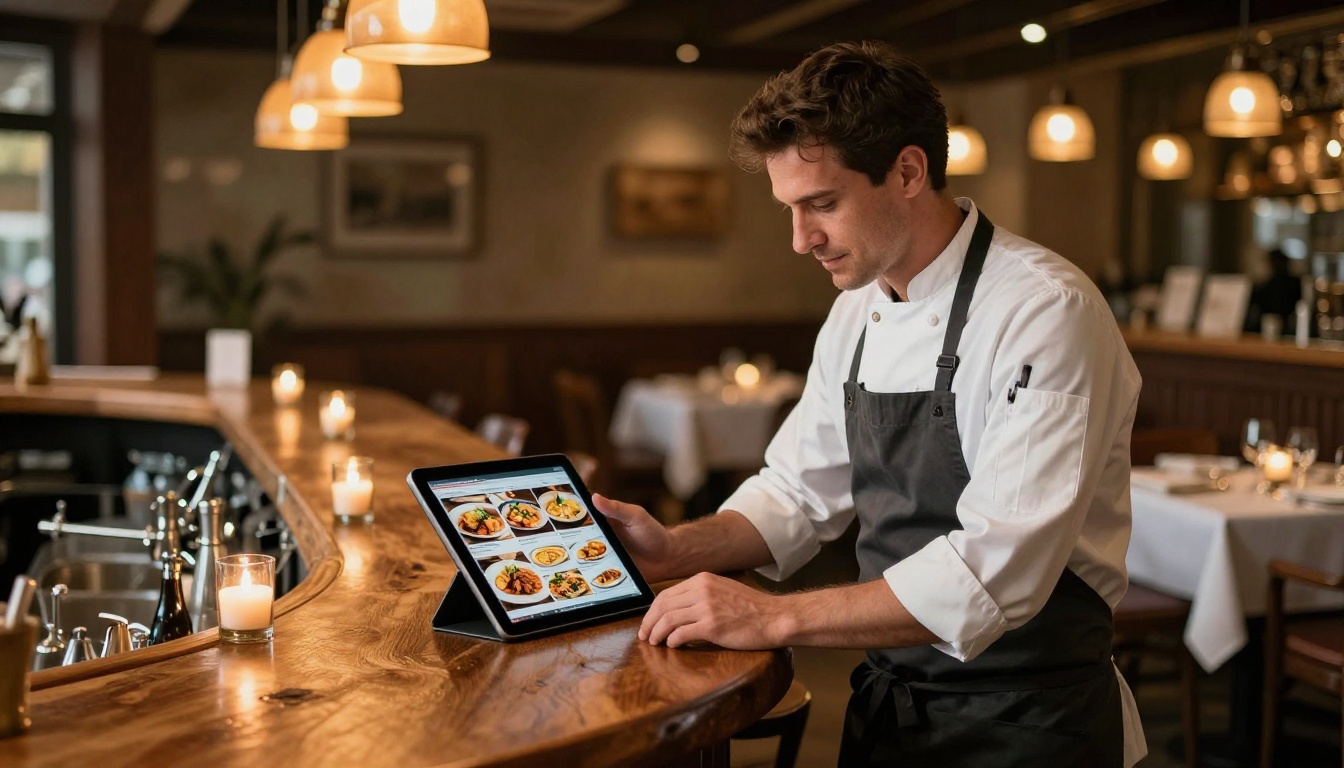
A restaurant using a landing page to showcase a menu forces potential diners to read plain text or download a PDF. Neither is compelling. A digital menu built with the Restaurant Menu Creator presents dishes with full photography, pricing, and descriptions in a format that mirrors the physical experience of browsing a premium menu. Hotels using the Hotel Brochure Designer see higher direct booking rates when guests can browse room types, amenities, and local attractions in one beautifully designed document.
How to Build a Flipbook That Converts
The technical barrier to creating a high-converting flipbook is lower than most marketers expect. Here is how to go from a PDF to a live, embeddable, analytics-tracked flipbook in under 10 minutes on Flipbooks AI.
Step 1: Create Your Account
Go to Flipbooks AI and create a free account. No credit card required. The platform gives you immediate access to the flipbook creator, templates, and basic publishing tools.
Step 2: Upload Your PDF
Click "New Flipbook" and upload your PDF. The PDF to Flipbook Converter automatically processes your file and converts each page into an interactive flipbook page with smooth page-turn animation. Most files process in under 60 seconds.
Step 3: Customize Branding and Design
Once your flipbook is generated, open the editor to add:
- Your logo and brand colors
- A custom opening page with headline and imagery
- Background music or ambient sound (optional)
- Embedded video clips on specific pages
- Clickable links and buttons tied to product pages or forms
Step 4: Add Lead Capture
With the Professional plan, enable the lead generation gate. You can set your flipbook to request a name and email before showing specific pages, turning every shared document into an active lead collection tool.
Step 5: Publish and Share
Choose your distribution method:
- Direct link: Share a clean URL via email, social, or SMS
- Embed code: Use the Embed Flipbook on Website tool to place your flipbook directly into any webpage
- Password protection: Restrict access for private proposals or confidential materials
- Offline download: Enable PDF download for clients who prefer it
Step 6: Track and Optimize
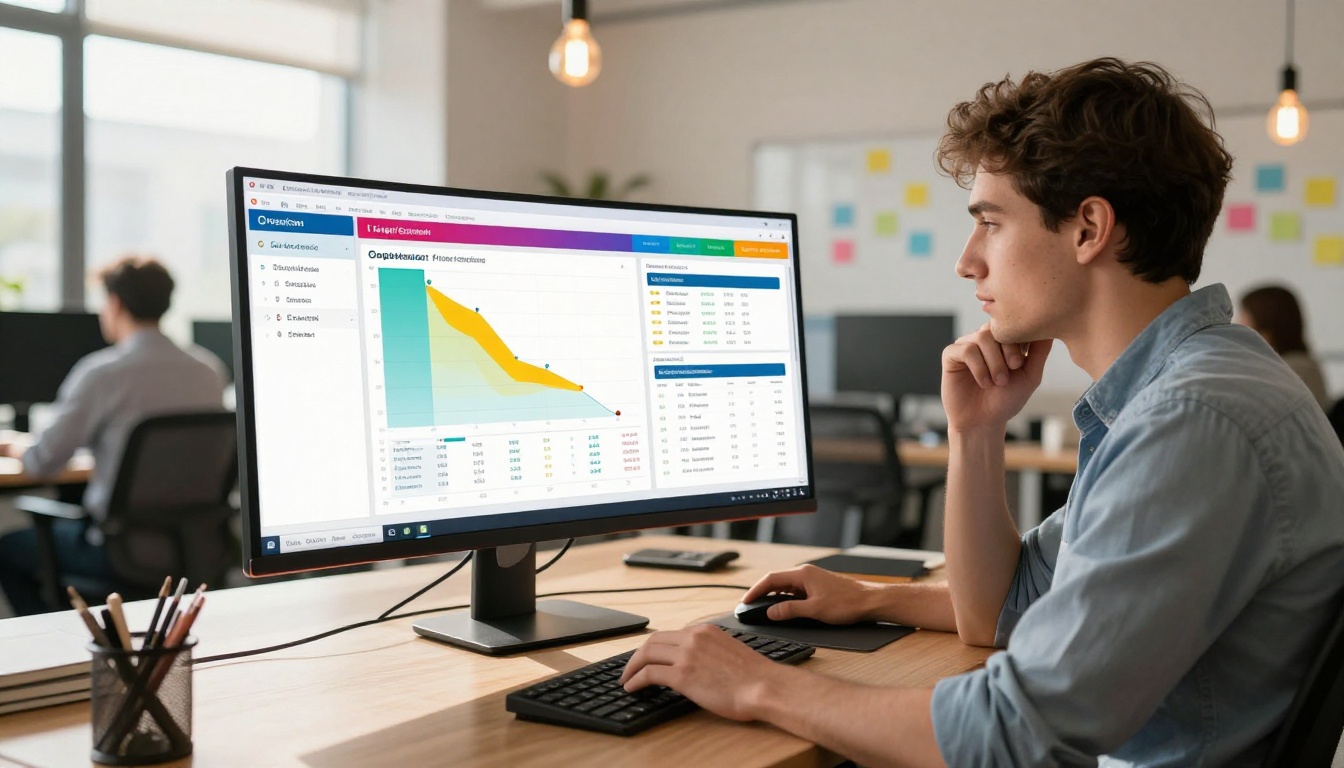
The analytics dashboard shows exactly which pages readers spend the most time on, where they drop off, and which links they click. Use this data to refine your content, move your strongest material to high-traffic pages, and test different CTA placements.
💡 Pro Tip: Pages with the highest time-on-page are your best candidates for placing lead capture forms or high-value CTAs.
Plan Options at a Glance
| Feature | Free | Standard | Professional |
|---|
| Flipbooks per month | 3 | Unlimited | Unlimited |
| Watermark | Yes | No | No |
| Custom branding | No | Yes | Yes |
| Password protection | No | Yes | Yes |
| Analytics | Basic | Standard | In-depth |
| Lead generation | No | No | Yes |
| Offline downloads | No | Yes | Yes |
| Embedded video/audio | No | Yes | Yes |
| Priority support | No | No | Yes |
Compare full features and pricing at Flipbooks AI Pricing.
Where Flipbooks Fit in Your Funnel
The most effective marketers do not replace landing pages with flipbooks entirely. They use each format where it performs best.
| Funnel Stage | Best Format | Why |
|---|
| Paid ad traffic | Landing page | Single focused CTA, fast load |
| Email follow-up | Flipbook | Rich content, trust-building |
| Sales proposals | Flipbook | Multi-page depth, professional look |
| Product launches | Both | LP for traffic, flipbook for depth |
| Content marketing | Flipbook | Shareable, embeddable, trackable |
| Lead nurturing | Flipbook | Embedded forms, ongoing reading |

The Numbers Tell the Story
The case for flipbooks is not theoretical. Across e-commerce, hospitality, real estate, B2B sales, and education, interactive digital publications consistently outperform static pages on the metrics that matter: time on content, click-through rate, lead capture rate, and return visitor rate.
Static landing pages made sense when the internet was simpler. Today's buyers expect depth, interactivity, and professional presentation. A flipbook delivers all three in a format that requires no technical skill to build and no developer to deploy.
The brands winning on conversion in 2027 are not the ones with the most expensive landing page builders. They are the ones creating experiences that readers want to stay inside.
Ready to see the difference in your own numbers? Create your first flipbook for free on Flipbooks AI. Browse all available tools and templates to find the right fit for your industry. When you're ready to access analytics and lead generation, check out the Professional plan to take your conversion strategy further.



