Most web content loses readers in under 30 seconds. Flipbooks don't, and the gap is wider than most marketers expect. Flipbooks AI users consistently report session durations two to three times longer than their PDF or blog equivalents for the same content. That's not a coincidence. It's the result of specific mechanics, behavioral patterns, and design principles baked into the format itself.
This article breaks down exactly why flipbooks get more time on page, and what that means for anyone publishing catalogs, reports, lookbooks, or educational content online.
The Dwell Time Problem Nobody Talks About
What "Time on Page" Actually Measures
"Time on page" is the metric that most platforms track as the duration between a page load event and the next navigation event. In practice, it's a proxy for attention. High time on page means readers are absorbing your content. Low time on page means they scanned once and left.
For most content formats, this number is disappointing. The average blog post holds a reader for under a minute. Static PDFs fare even worse online because most browsers trigger a download prompt or render a featureless gray viewer, causing immediate exits.
💡 Google uses dwell time as a signal for content quality. Pages with higher session durations often rank better in organic search over time.
Why Most Content Fails at Holding Attention
Static content lacks the mechanism to carry readers from one section to the next. A wall of text has no natural pause point. A flat PDF has no tactile cue. There's nothing telling the brain "there's more here, and it's worth turning the page."
Flipbooks solve this at a structural level. The format creates a reading rhythm that flat content cannot replicate, and that rhythm is what turns 40-second sessions into 4-minute ones.

The Psychology of the Page Turn
How Sequential Reading Changes Behavior
Physical books hold readers for hours. The page-turn mechanic is not decorative. It's a behavioral contract between publisher and reader. Each turn signals: "you've completed a unit. There's another waiting." This pacing creates a rhythm that flat-scroll content simply cannot replicate.
Digital flipbooks port this mechanic directly into the browser. The animated page curl is a trigger, not just an aesthetic. It signals completion of one section and the promise of another. Neurologically, it creates a micro-reward loop that keeps readers moving forward rather than closing the tab.
Visual Momentum and the Scroll Trap
Standard scrolling is passive. Readers can drift through a page without any sense of progress or narrative arc. The two-page spread format in flipbooks changes this: readers see a defined unit of content, process it, and then actively choose to turn the page. That active choice deepens retention.
⚠️ Passive scrolling leads to shallow reading. The interactive page-turn in a flipbook keeps readers in an active processing mode, which directly increases the time they spend per spread.

Flipbook vs. Static PDF: The Numbers
The performance gap between flipbooks and traditional PDF viewers is consistent across industries. Here's how the formats compare on core attention metrics:
| Metric | Static PDF | Blog Post | Digital Flipbook |
|---|
| Avg. time on page | 40-60 sec | 45-55 sec | 2.5-4 min |
| Bounce rate | 68-75% | 55-70% | 35-45% |
| Full read rate | ~12% | ~25% | ~60% |
| Mobile read-through | Low | Medium | High |
| Return visit rate | Very low | Low-Medium | Medium-High |
✅ If you're comparing formats for a catalog or annual report, the flipbook format wins on every attention metric above, not just aesthetically.
The directional trend is consistent across publishing industries: flipbook content holds attention longer, generates lower bounce rates, and drives higher read-through rates than equivalent static formats.
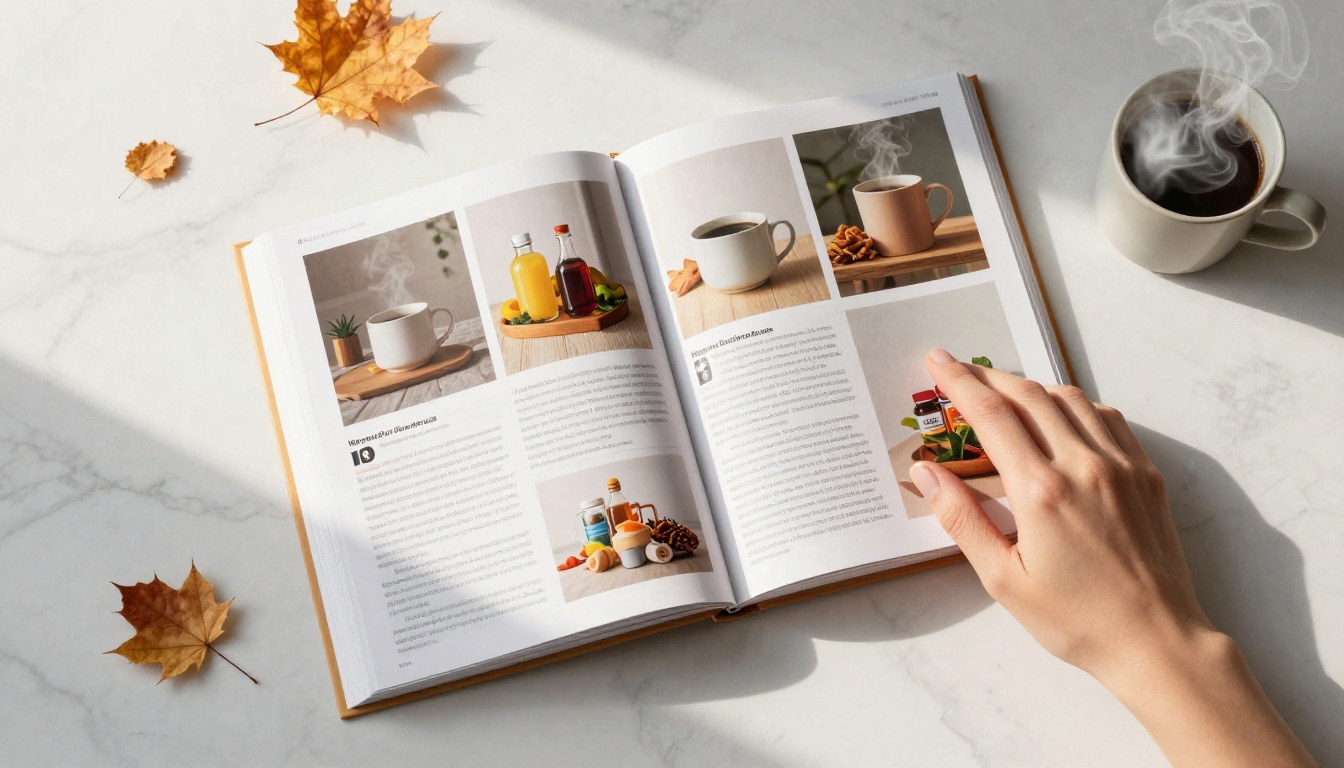
5 Reasons Readers Stay Longer
Interactive Elements Demand Focus
A flipbook is not a passive object. Clickable links, embedded videos, audio tracks, and hover-triggered elements require active reader participation. Every time a reader clicks a product link or watches an embedded clip, they're spending time on page. That interaction compounds into dramatically longer sessions.
Flipbooks AI supports embedded multimedia natively, meaning you can build these dwell-time-boosting elements directly into any PDF before conversion.
Mobile-First Reading on Any Device
More than 60% of digital content is consumed on mobile devices. Static PDFs render poorly on small screens, requiring constant pinching and zooming that frustrates readers into leaving. Flipbooks scale automatically. The responsive reader on Flipbooks AI adapts to any screen size without distortion, keeping mobile readers comfortable and browsing longer.

Visual Storytelling Beats Walls of Text
The two-page spread format forces better design decisions. Publishers working in flipbook format naturally lean into imagery, white space, and visual hierarchy because that's what the format rewards. Better design means longer reading time. A fashion catalog as a flipbook outperforms the same PDF by a factor of three to four on time on page, simply because the format incentivizes richer visual presentation.
Embedded Media Keeps Eyes on Screen
When a reader watches a 90-second product video embedded in your catalog, that's 90 seconds added to your session duration automatically. When audio narration plays over a spread of your annual report, readers stay to listen. These are native behaviors that the flipbook format makes easy to implement.
💡 Even a single embedded video per 10 pages can increase average session duration by 40-80% compared to the same content without video.
Chapter Navigation Creates Exploration Habits
The table of contents and chapter-jump navigation in a flipbook creates non-linear browsing. Readers don't just read from page one to end. They jump to sections that interest them, read deeply, then jump again. Each navigation event extends the session. Each return to a previous section represents genuine interest that static PDFs cannot generate because their navigation is clunky and non-intuitive.
Content Types That Win on Dwell Time
Not all content benefits equally from the flipbook format. Here's how different content types perform when converted:
✅ Match the tool to your content type. A Fashion Catalog Creator is optimized for product-heavy spreads, while a Newsletter Flipbook Publisher is built for editorial rhythm.
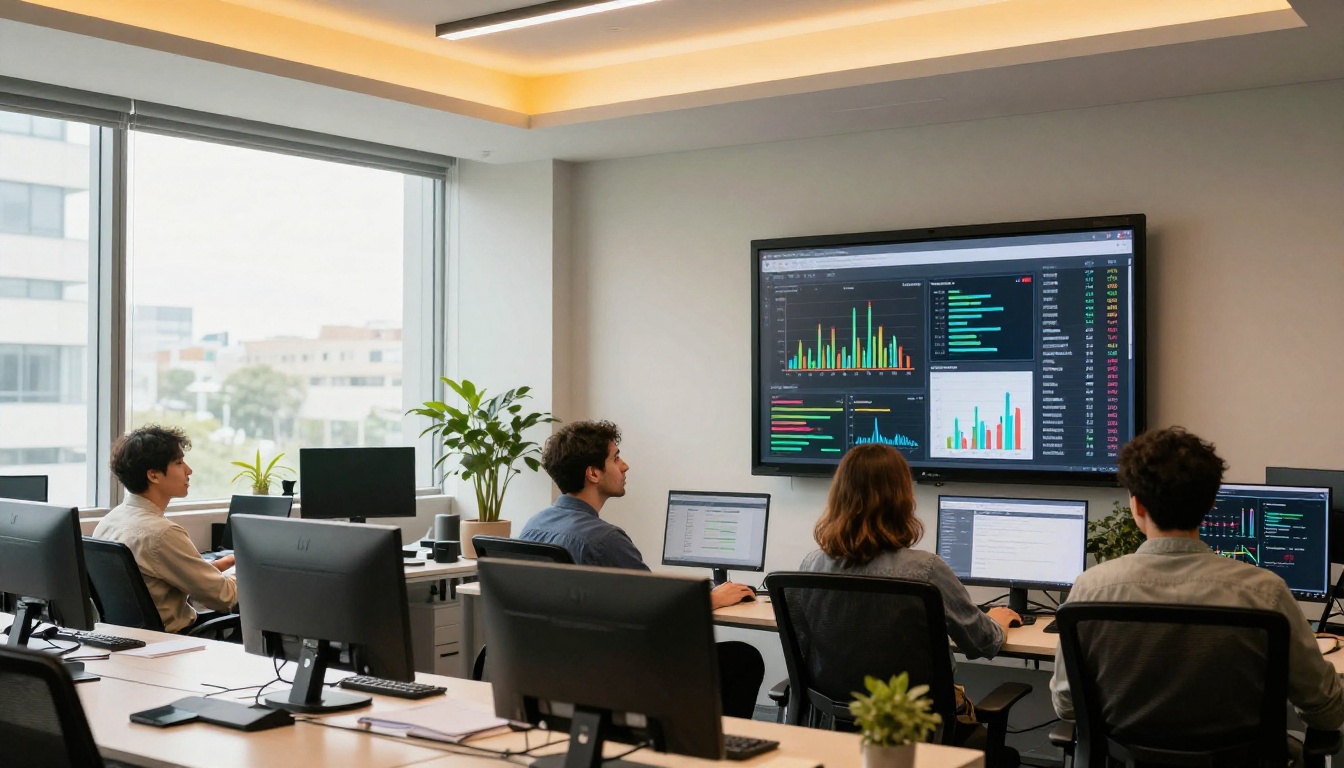
Flipbooks AI is built for maximizing reader time on page. Here's the exact workflow from raw PDF to published, analytics-tracked flipbook.
Step 1: Upload Your PDF
Head to Flipbooks AI and create your account. Once inside, upload any PDF document. The platform converts it automatically into a fully interactive flipbook within minutes, no coding or design software required.
The PDF can be anything: a product catalog, a company report, a lookbook, or an educational workbook. The PDF to Flipbook Converter handles multi-page documents of any size.
Step 2: Customize Branding and Appearance
After conversion, you control the visual presentation entirely:
- Custom colors: Match your brand palette across the reader interface
- Logo placement: Add your logo to the reader chrome without watermarks (Standard plan and above)
- Page effects: Choose from realistic page curl, hard-cover style, and flat transitions
- Background: Set custom background colors or images to frame your content
💡 No watermarks, ever, on Standard plans and above. Your brand stays front and center without any third-party attribution.
Step 3: Add Multimedia
This is where dwell time multiplies:
- Embed YouTube or Vimeo videos directly onto specific pages
- Add audio narration to individual spreads
- Insert clickable hyperlinks from product images to purchase pages
- Create animated elements that trigger on page load
Each multimedia element is a reason for the reader to stay longer. A 60-second video automatically embeds 60 seconds into your session analytics.
Step 4: Share and Protect Your Content
- Direct link: Share a clean URL to your flipbook from any channel
- Embed code: Place the flipbook directly on your website or in email campaigns
- Password protection: Lock sensitive content like internal reports or client proposals
- Offline downloads: Allow readers to save the flipbook for offline reading (Professional plan)
Step 5: Track Your Analytics
The Professional plan on Flipbooks AI includes built-in analytics showing:
- Total views per flipbook
- Average reading time per session
- Page-by-page drop-off rates
- Geographic data on your audience
- Lead generation forms embedded directly in pages
This data closes the loop: you can see exactly which pages hold readers and which cause drop-off, then iterate on your content accordingly.
Before committing to a publishing format for your next campaign, compare the core attributes side by side:
| Feature | Static PDF | Blog Post | Digital Flipbook |
|---|
| Page-turn interaction | No | No | Yes |
| Mobile optimization | Poor | Good | Excellent |
| Embedded video | No | Sometimes | Yes |
| Built-in analytics | No | Via plugin | Yes (Pro) |
| Password protection | Via tool | No | Yes |
| Offline access | Yes | No | Yes (Pro) |
| Custom branding | Limited | Limited | Full |
| Lead generation forms | No | Via plugin | Yes (Pro) |
| Embed on website | Clunky | N/A | One-click |
| No watermarks | N/A | N/A | Yes (Standard+) |
The flipbook format doesn't win on every axis for every use case. If your goal is a quick one-page announcement, a blog post works fine. But for any content longer than four pages where you want readers to stay, process information, and take action, the flipbook format outperforms every alternative in the table above.
Who Benefits Most
The time-on-page advantage isn't abstract. Here's how it plays out for real users across industries:
Retailers and e-commerce brands: A product catalog flipbook keeps shoppers browsing product pages for minutes instead of seconds. Each page turn surfaces new items. Clickable product links drive direct purchases. The Product Catalog Generator is built for exactly this workflow.
Real estate agencies: Property brochures in flipbook format let prospects flip through listings at their own pace, zoom into floor plans, and watch video tours of featured properties. Agents using the Real Estate Brochure Creator report significantly higher prospect interest compared to emailed PDFs.
Hotels and hospitality: A hotel brochure flipbook with high-resolution room photography, embedded virtual tour videos, and clickable booking links keeps potential guests in a purchase-decision mindset far longer than a flat PDF. The Hotel Brochure Designer handles this natively.
Educators and trainers: Course materials published as flipbooks drive higher read-through rates. The combination of sequential pacing, visual clarity, and chapter navigation suits learning content better than scrollable documents. The Course Material Publisher is purpose-built for this.
Corporate communications teams: Annual reports, press kits, and sales presentations published as flipbooks get read, not just downloaded and forgotten. The Annual Report Creator and Press Kit Designer produce board-ready outputs with full analytics tracking on the Professional plan.
Stop Losing Readers to Bounce
Every second a reader spends with your content is a second more they spend with your brand. Flipbooks aren't a publishing gimmick. They're the format that takes the behavioral psychology of physical books and applies it to digital content at scale.
The page-turn mechanic, the mobile-responsive reader, the multimedia integration, the analytics, and the zero-watermark branding all work together to create sessions that last. Longer sessions mean better SEO signals, more brand recall, higher conversion rates, and content that actually does what it was supposed to do.
Ready to stop publishing content that disappears in 40 seconds? Create your first flipbook on Flipbooks AI for free. Browse all available flipbook tools to find the right fit for your content type. When you're ready to add analytics and lead generation, compare pricing plans to choose what works for your volume.



