Brands are overwhelmed with cold pitches. Emails get lost, PDFs sit unopened in download folders, and the influencer who sent a beautifully formatted interactive flipbook just got the deal. That's the reality right now in the creator economy, and it's why more influencers are turning to Flipbooks AI to build their media kits. A flipbook isn't just a prettier PDF. It's a browsable, trackable, shareable experience that puts your brand story in motion and keeps a sponsor's attention long enough to actually close deals.
A media kit is your professional pitch document. It tells brands exactly who you are, who your audience is, what you charge, and why working with you is worth their budget. Think of it as a resume and portfolio rolled into one, except this one needs to be visually compelling enough to stop a brand manager mid-scroll and make them pick up the phone.
The Problem with Static PDFs
Static PDFs have been the default for years, and they have real problems. They look generic in most viewers, they don't track who opened them or how long someone looked at each page, they can't be updated without resending a completely new file, and they often display broken on mobile devices. Worse, there's no way to know if a brand even opened your email attachment.
A brand receiving 200 influencer pitches in a week isn't going to stop and download every single attachment. The creators who get callbacks are the ones who make the experience effortless. A direct link that opens instantly in any browser, displays beautifully on any device, and feels like a proper editorial publication rather than a flat file sitting on someone's desktop.

What Brands Look For
Before investing budget in a creator, brands want clear signals:
- Follower count and growth trajectory over the past 3 to 6 months
- Engagement rate and average reach per post by format
- Audience demographics including age, gender, location, and key interests
- Previous brand collaborations with real performance metrics
- Content style through curated examples from past campaigns
- Pricing structure with clearly defined deliverable packages
The question isn't what data to include. It's how you present all of that. A static PDF can hold the data. A flipbook makes brands want to read it.
Why Flipbooks Are Replacing Static Docs
The shift toward interactive flipbooks in media kits isn't arbitrary. It comes from a practical reality: interactive formats outperform static files at every stage of the brand deal pipeline, from first open to final sign-off.
They're Interactive, Not Passive
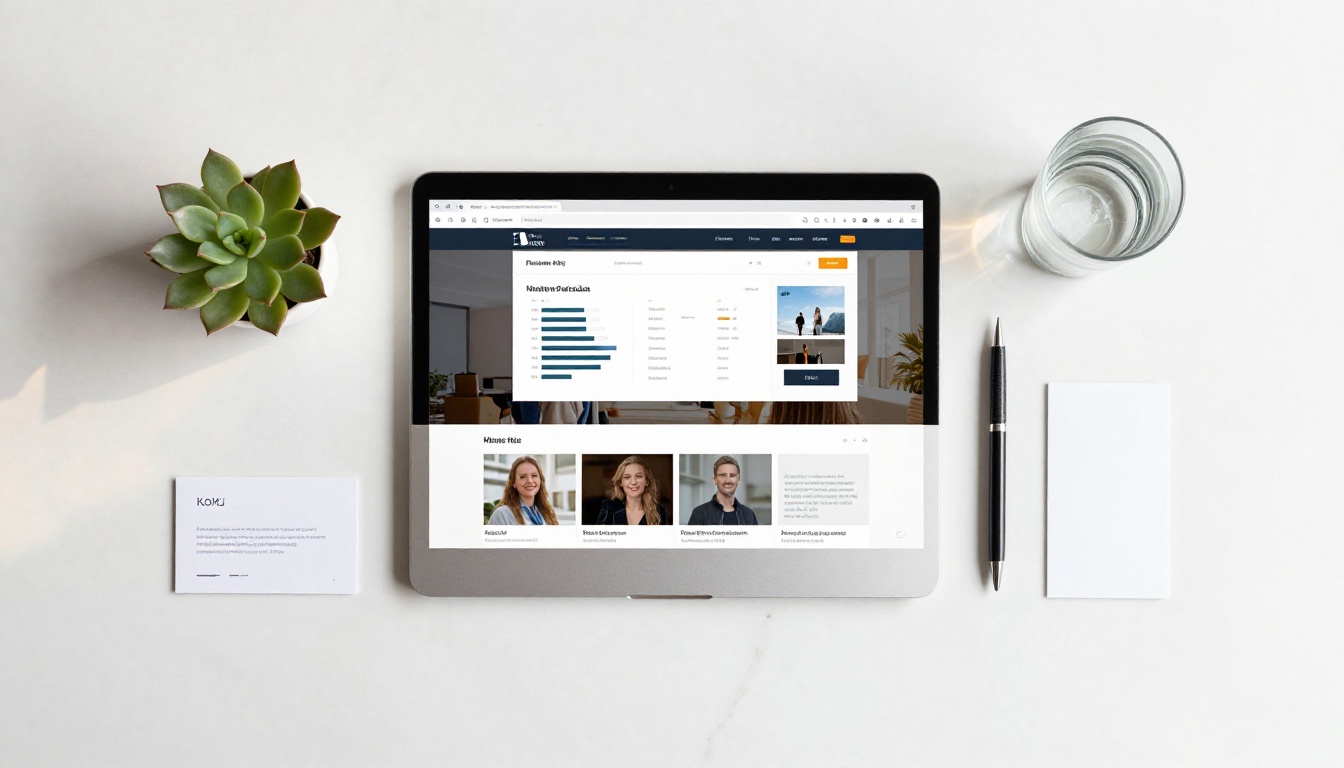
When a brand manager receives your flipbook link, they browse pages the way they'd flip through a magazine. The page-turning effect creates a tactile digital experience that holds attention. They can jump between sections, zoom into your analytics screenshots, click through to your social profiles, and watch embedded video clips from your content. None of that is possible with a static PDF.
The Professional Edge
Visual presentation communicates your value before anyone reads a single word. A well-designed flipbook signals that you take your personal branding seriously, that you have attention to detail, and that you invest in your professional image. That's exactly the energy brands want in a long-term creative partner. When you show up with a polished, interactive media kit, you're already ahead of the vast majority of the inbox.

Real-Time Analytics
This is the feature that serious influencers get excited about. With Flipbooks AI analytics on the Professional plan, you can see exactly when a brand opened your media kit, how many pages they read, where they spent the most time, and whether they shared it with colleagues internally. That data changes how you follow up entirely.
Instead of a generic "checking in" email three days later, you know that the brand manager read your rates page four times. You follow up with precision and confidence rather than guessing.
💡 Pro tip: When you can see that a brand spent significant time on your rates page but hasn't responded, that's a strong signal they're interested but need a nudge. Reference something specific from your kit in your follow-up message to show you're paying attention.
The format is only powerful if the content inside it is right. High-performing influencer media kits share a consistent structure, even when the visual style varies widely by niche and personality.
Stats Without the Spreadsheet Feel
Your numbers need to be real and presented visually. Screenshots from Instagram Insights, TikTok Analytics, or YouTube Studio are ideal source material. Organize these into clean graphic pages with your follower count, monthly impressions, average engagement rate, and audience breakdown by age and geography.
Flipbooks let you present these pages like magazine editorial spreads rather than data tables. The result is that brands absorb your numbers through well-designed visuals instead of scanning a raw spreadsheet and moving on to the next pitch.
A Portfolio Brands Can Browse
Your best content examples should be accessible directly inside the flipbook, not linked out to an external folder or Google Drive. Include 6 to 10 of your strongest pieces of sponsored content, organized by format or by brand vertical. A travel creator might organize by destination type. A beauty creator might separate skincare from makeup campaigns. Let the brand experience your range without ever leaving your media kit.
Rates and Packages That Feel Premium
Your pricing page is where deals are made or lost. Present your packages with clear deliverables, turnaround timelines, and what's included at each tier. A flipbook page dedicated solely to your packages, with clean typography and branded colors, feels more like a professional proposal than a freelance invoice. That perceived value directly affects what brands are willing to pay.
✅ Best practice: Create three clear tiers (basic, standard, premium) and always include a "custom" option at the bottom. Brands with larger budgets often won't fit neatly into a preset package and want to know you're open to building something together.
Flipbooks AI makes the entire process approachable even if you've never built a formal media kit before. Here's exactly how to do it step by step.
Step 1: Design Your PDF
Start in Canva, Adobe Express, or any design tool you're comfortable with. Build each page as a full-bleed visual spread: your intro page with your photo and key stats, your audience demographics spread, your portfolio pages, your rates and packages page, and a contact page at the end. Export the finished design as a high-resolution PDF. Standard A4 or US Letter dimensions work perfectly with the converter.
Step 2: Upload and Convert
Go to Flipbooks AI and create your account. Once inside your dashboard, upload your PDF. The converter handles the transformation automatically, turning each page into a high-resolution interactive flipbook with smooth page-turn animations. The conversion takes under two minutes regardless of how many pages your media kit contains.
Step 3: Brand It
Inside the flipbook editor, add your personal branding. Set your exact brand colors for the viewer interface, upload your logo or personal watermark, and adjust the cover title that appears before the flipbook opens. If you want a custom domain link so your media kit URL reflects your own brand name, that's available as well through your account settings.
Step 4: Add Multimedia Elements
This is where the flipbook format truly separates from a static PDF. Embed a short highlight reel video directly into your portfolio pages. Add audio clips if you host a podcast and want sponsors to hear your voice. Include clickable links to your social profiles on every relevant page. These embedded elements are what make brands stop and spend real time inside your media kit rather than skimming through it in 30 seconds.
Step 5: Share and Track
Once your flipbook is live, you receive a direct shareable link to paste into any email, DM, or proposal. Set password protection for private media kits sent to specific clients when discretion matters. With the Professional plan, you get full analytics on every view. The Press Kit Designer tool is purpose-built for creators who want a professionally structured starting point rather than building from scratch.
⚠️ Important: Never send your media kit as an email attachment in cold pitches. Always share a direct link instead. Attachments trigger spam filters and require download steps that most brand managers simply won't bother taking.
Flipbook vs Static PDF
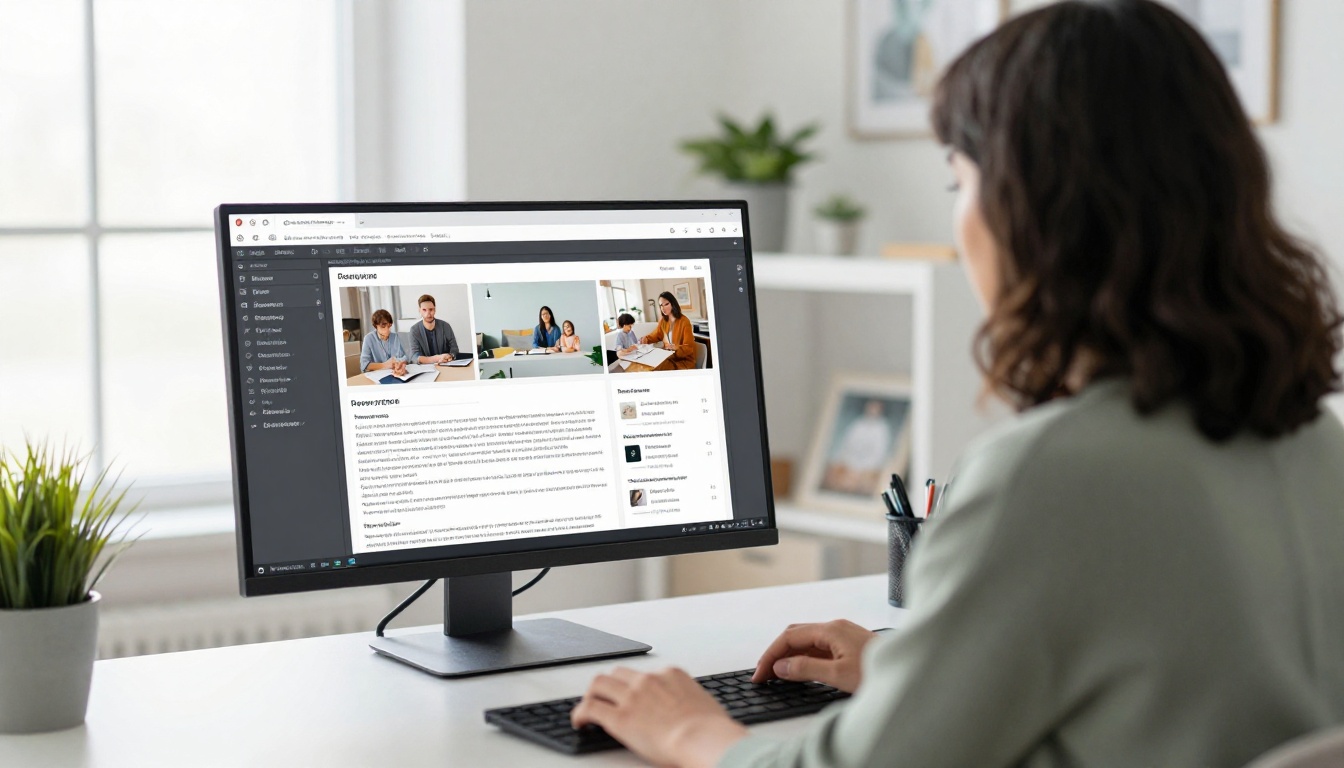
| Feature | Static PDF | Flipbook Media Kit |
|---|
| Opens instantly in browser | Sometimes | Always |
| Mobile-optimized display | Rarely | Always |
| Page-turn interactive experience | No | Yes |
| Embed video and audio | No | Yes |
| Real-time view analytics | No | Yes (Professional plan) |
| Password protection | No | Yes |
| Update content without resending | No | Yes |
| Custom branded URL | No | Yes |
| Internal sharing by brands | Rare | Common |
| Perceived professionalism | Medium | High |
This comparison makes the case plainly. For influencers actively pitching brands, the format isn't a minor cosmetic upgrade. It's a fundamental shift in how your pitch lands and how long it stays in front of decision-makers.
Types of Influencers Doing This
Fashion and Lifestyle Creators
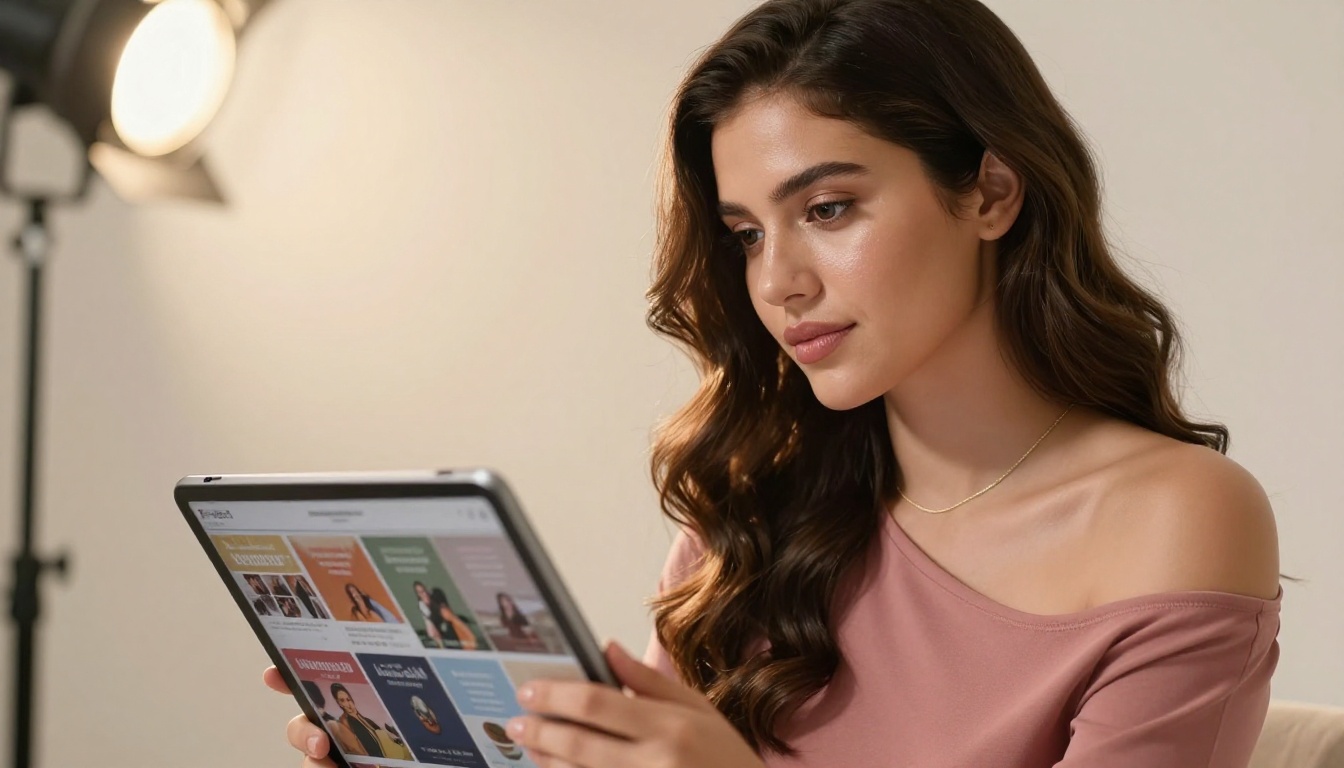
Fashion influencers have the most to gain from the flipbook format because their work is inherently visual. A browsable lookbook of past collaborations is far more persuasive than a portfolio link dump. The Interactive Lookbook Designer on Flipbooks AI is purpose-built for this, letting fashion creators build editorial-quality media kits with collection-style layouts that feel native to the industry.
Tech and Gaming Influencers
Tech and gaming creators often have deeply engaged niche audiences that brands pay a premium to reach. A flipbook lets you present your viewer demographics, average watch time, and subscriber growth curves in well-designed infographic pages that make the value of your audience undeniable to a hardware brand or software company reviewing your pitch.
Fitness and Wellness Creators
Brands in the health space care deeply about authenticity and community trust. A flipbook media kit that opens with a compelling personal story page, followed by a curated content portfolio showing real transformation content, communicates authenticity in a format that feels credible and editorially polished at the same time.
Beauty and Skincare Creators
Beauty influencers often work across multiple brand categories simultaneously. A flipbook makes it easy to organize past work by product type, with dedicated sections for skincare, makeup, haircare, and fragrance campaigns. Brands in competitive categories immediately see your range without having to dig through an Instagram grid or scroll a YouTube channel page manually.
Pricing Plans Worth Knowing
Flipbooks AI pricing is structured across three main tiers. Here's what each level means specifically for influencers building and sending media kits:
| Plan | Flipbooks | Analytics | Password Protection | Offline Downloads | Best For |
|---|
| Starter | 5 flipbooks | No | No | No | Testing the format once |
| Standard | Unlimited | No | Yes | Yes | Active full-time creators |
| Professional | Unlimited | Yes | Yes | Yes | Creators pitching at scale |
For influencers actively pitching brands, the Standard plan covers everything essential: unlimited flipbooks and password-protected media kits for premium clients. The Professional plan adds analytics, which becomes worth it the moment you're sending media kits at volume and want real data on who's reading what and for how long.
What Brands Are Actually Saying
Brand managers who receive interactive flipbook media kits consistently report three things: they spend more time reviewing them, they share them with more colleagues internally before deciding, and they remember them afterward when budget discussions come up.
The practical impact is significant. When a media kit gets forwarded inside a brand's marketing team, it's because the format was compelling enough to warrant the extra step. A static PDF almost never gets forwarded. An interactive flipbook that opens in one click, loads with embedded video and a clean branded layout, and displays beautifully on any device gets passed around to the people who hold the budget.

For influencers, this internal sharing behavior is invaluable. It means multiple stakeholders at the brand see your pitch, not just the first person who opened the email. That multiplies your chances of reaching whoever has final approval on campaign budgets, often without any additional effort on your part.
💡 Pro tip: Include a "Work With Me" page at the very end of your flipbook with your direct email, a calendar booking link, and your two or three most recent sponsored content examples as clickable thumbnails. Make it impossible for an interested brand to have any friction when they're ready to reach out.
Stop Sending Files, Start Sharing Experiences
Influencers who are winning consistent brand deals right now are treating every touchpoint with brands as part of their personal brand experience. That includes the media kit, especially the media kit.
A static PDF says you made the document. A flipbook says you built a brand worth investing in.
If you haven't upgraded your media kit yet, create a free account on Flipbooks AI and upload your current PDF today. You'll see the difference in how it presents within minutes. Browse all available tools and templates to find the right starting point for your niche, and compare pricing plans to choose the tier that fits where you are in your creator career right now.
The brands you want are reviewing pitches at this moment. Make sure yours is the one they forward to the team.



