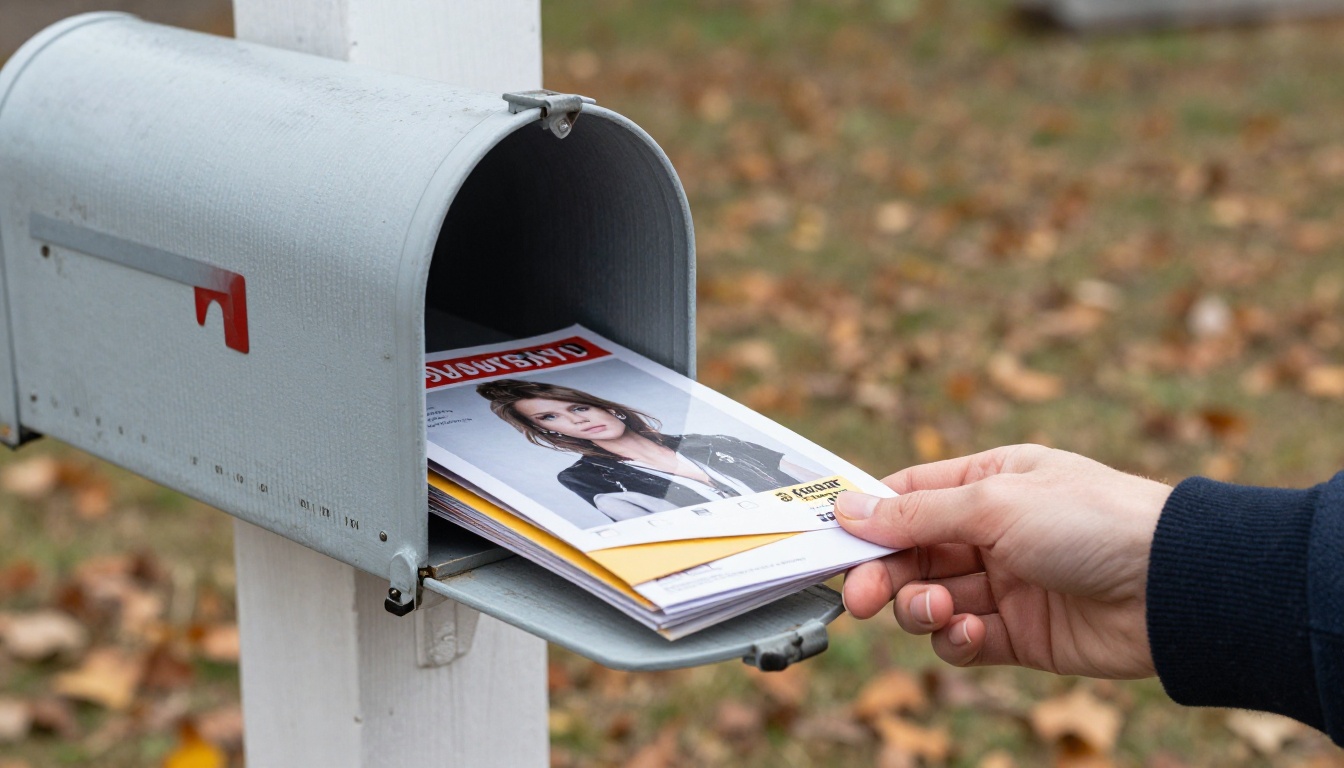
Open your mailbox this fall and there is a good chance something heavy, glossy and beautifully photographed is waiting inside. Retailers that spent a decade pushing shoppers toward screens are quietly sending paper again, and the pattern is easy to spot across fashion and outdoor brands. If you run a catalog of your own, whether it ships on paper or lives online as a Flipbooks AI flipbook, this shift tells you a lot about where shopper attention is heading.
The story of why J.Crew, Nordstrom and Patagonia are betting on print catalogs again is not really about nostalgia. It is about cost, attention, trust and data. Let's break down what is driving it, what the numbers tend to look like, and how smaller brands can borrow the playbook without a national mailing budget.
Why Print Is Back
For years the logic was simple: email is nearly free, paid social is targeted, and paper is slow and expensive. That logic has cracked. Shoppers now receive dozens of promotional emails a day, most of them deleted in under two seconds. Paid social costs keep climbing, and privacy changes have made targeting less precise than it used to be.
A printed catalog does something a promotional email cannot: it sits on the kitchen table for days. People pick it up, flip through it, fold corners, and talk about it with the people they live with. That slow, shared browsing is hard to buy anywhere else.
💡 Pro tip: Treat print as a reach and recall channel, not a direct checkout channel. Most of the sales it drives show up later on your website, in your app, or in your stores.
Inbox Fatigue Is Real
The average shopper subscribes to far more brand emails than they ever read. Open rates have flattened for many retailers, and promotional tabs hide the rest. Meanwhile, physical mail has far less competition than it did twenty years ago, so a well-made catalog stands out by default.
Ad Costs Keep Rising
Customer acquisition costs on major ad platforms have grown steadily. When a brand compares the price of winning a new buyer through a bidding auction with the price of mailing a beautiful book to a carefully chosen household, print starts to look surprisingly reasonable, especially for high-value customers.
Attention Lasts Longer on Paper
A catalog has no notifications, no tabs, and no autoplay video fighting for focus. A reader who opens a catalog tends to spend minutes with it, not seconds. That depth of attention is exactly what premium and lifestyle brands want.
What Each Brand Gets Out of It
Each of these three companies uses paper for a different job, which is why the trend feels broader than any single strategy.
| Brand | Catalog Role | Main Benefit |
|---|
| J.Crew | Lifestyle and seasonal storytelling | Rebuilds brand identity and a sense of style point of view |
| Nordstrom | Sale and event promotion | Drives store traffic and high-value shopper visits |
| Patagonia | Mission and product narrative | Deepens loyalty with long-form photography and values |
J.Crew: Style as a Story
J.Crew built its name on a catalog that felt more like a magazine than a price list. Styled scenes, layered outfits and a recognizable voice made shoppers feel they were buying into a way of dressing, not just a sweater. Bringing print back reconnects the brand with that heritage and gives loyal customers something to hold.
Nordstrom: Events That Fill Stores
For a department store, mailed pieces work well around big sale events and seasonal launches. A printed preview lets shoppers plan their visit, circle items, and arrive with intent. That planning behavior is valuable because it moves customers from browsing to showing up.
Patagonia: Mission on the Page
Outdoor brands sell trust. Long photo essays, repair stories and product details are easier to appreciate on thick paper than in a scrolling feed. A catalog gives a values-driven brand room to explain itself without fighting an algorithm.
The Psychology Behind Paper
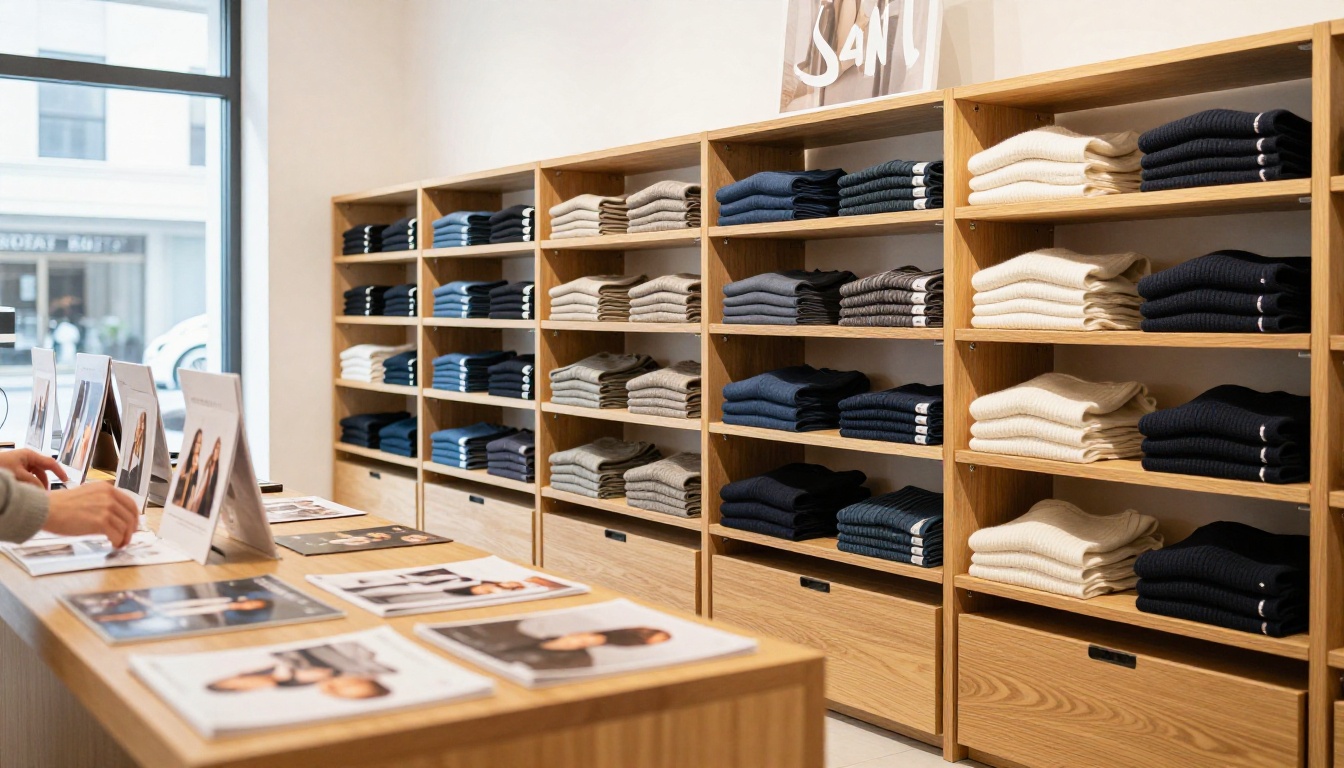
Why does a printed catalog feel different from a webpage showing the same photos? Several things stack together.
- Touch builds memory. Handling paper creates a physical connection to the products inside.
- Ownership feels real. A catalog that arrives at your door feels like a gift, not an interruption.
- Finite beats infinite. A catalog has a beginning and an end, which makes browsing feel calm instead of exhausting.
- Sharing is natural. Partners, friends and families flip through the same pages together and discuss what they like.
- Trust transfers. Spending money on print signals that a brand is established and invests in quality.
Researchers who study direct mail have often found that physical pieces are easier for the brain to process and recall than digital ads. Even without citing exact figures, the direction is consistent: paper is remembered.
⚠️ Warning: Do not mail catalogs to everyone. The brands doing this well send smaller, more selective runs to customers with proven purchase history or high predicted value.

Print Versus Digital: A Fair Comparison
The smartest retailers are not choosing between paper and screens. They are assigning each channel the job it does best.
| Factor | Print Catalog | Email Campaign | Digital Flipbook Catalog |
|---|
| Cost per contact | High | Very low | Very low |
| Attention span | Minutes | Seconds | Minutes |
| Trackability | Limited (codes, QR) | Strong | Strong |
| Update speed | Slow | Instant | Instant |
| Shareability | In person | Forwarding | Link, embed, social |
| Tactile appeal | High | None | Page-flip feel |
Notice the pattern: print wins on attention and feel, digital wins on speed and measurement. A digital flipbook catalog sits in the middle, keeping the page-turning experience while adding links, analytics and instant updates.
Where Print Falls Short
Paper has real weaknesses. Prices change, items sell out, and a mailed catalog cannot be corrected after it ships. Printing and postage also eat into margin, and it is hard to attribute a sale to a single mailed piece.
Where Digital Falls Short
Screens struggle with sustained attention. A beautiful lookbook posted as a plain PDF gets skimmed or ignored. Without the right format, digital catalogs feel flat compared with what is possible on paper.

How Brands Make Print Pay Off
Bringing back a catalog without a plan is an expensive mistake. Brands that see results tend to follow a similar approach.
- Choose the audience first. Mail to your best customers, lapsed high-value buyers, and look-alike prospects, not your whole list.
- Make it worth keeping. Strong photography, editorial writing and styling advice earn shelf space.
- Add a measurement path. Use unique URLs, QR codes, promo codes and landing pages for each drop.
- Time it with real moments. Launch seasons, sale events and holidays give readers a reason to act now.
- Mirror it online. Publish the same catalog digitally so the print piece and the web experience reinforce each other.
Example: A Regional Clothing Boutique
A boutique with 4,000 customers mails 800 premium catalogs to its top spenders each season. Each book carries a QR code leading to a digital version with shoppable links. The boutique tracks which codes get scanned, which pages draw the most taps, and which items sell afterward. Print builds the desire; the digital copy captures the data.
Example: A Small Outdoor Gear Shop
An outdoor retailer prints a short seasonal field guide style booklet with trail stories and gear picks. The same booklet becomes an online flipbook shared in newsletters and social posts. Customers who prefer paper get paper; everyone else clicks.
✅ Best practice: Always design the print and digital versions from one source file. It saves time and keeps pricing, photography and messaging consistent.
The Real Cost of Mailing Paper
Budget is where most teams hesitate. Here is a simple way to think through the main cost areas for a print run.
| Cost Area | What Drives It | How to Control It |
|---|
| Design and photography | Number of looks and pages | Reuse seasonal campaign assets |
| Printing | Page count, paper weight, quantity | Choose a lighter stock for inner pages |
| Postage | Weight, size, mailing class | Trim page count and use presort discounts |
| List quality | Accuracy and segmentation | Clean data and mail only high-value households |
| Digital companion | Hosting and tools | Use an affordable flipbook platform |
The last row matters more than it seems. If you can publish a digital edition at low cost, you stretch every dollar spent on photography and design across two channels instead of one.

Pairing Print With a Digital Flipbook
The most useful lesson from these big retailers is not that print is superior. It is that print and digital work best as a team. A shopper might see a catalog in the mailbox, scan a code, and continue browsing on a phone while commuting. Another might receive only the digital version and still enjoy the same page-turning feel.
This is where a flipbook platform earns its place. With Flipbooks AI, you upload a PDF and get a realistic page-flip experience that works on any device, with no watermarks. You can also add links, video and audio to turn a static catalog into something shoppers interact with.
💡 Pro tip: Put a QR code on the cover and on the back page of your printed catalog, pointing to the matching flipbook. It costs almost nothing and gives you a clean way to measure print response.
How to Create a Catalog Flipbook with Flipbooks AI
If your product line includes apparel, home goods or outdoor gear, the process takes only a few minutes.
- Start your account. Visit Flipbooks AI and create a free account.
- Upload your PDF. Drag your finished catalog file into the uploader. The PDF to Flipbook Converter turns it into a page-turning experience automatically.
- Pick your template. For apparel, try the Fashion Catalog Creator. For broader ranges, the Digital Catalog Maker is a flexible choice.
- Customize the look. Add your logo, brand colors, page effects and background so the flipbook matches your print version.
- Add interactivity. Insert product links, embed videos and audio, and place buttons that send readers to your store.
- Share it everywhere. Copy a direct link, use the embed code for your website, or add password protection for wholesale or members-only editions.
- Track what works. On the Professional plan, use analytics and lead generation to see which pages hold attention and who is interested. Check pricing plans for details.
| Flipbook Feature | Why It Matters for Catalogs |
|---|
| No watermarks | Keeps your brand clean and professional |
| Mobile-responsive design | Looks right on phones where most shoppers browse |
| Password protection | Ideal for wholesale and early-access drops |
| Embedded video and audio | Brings product stories to life |
| Offline downloads | Lets customers save the catalog for later |
| Analytics and lead capture | Shows which pages and products draw interest |

Mistakes to Avoid
Brands bringing catalogs back often stumble in similar ways. Watch for these.
- Mailing too broadly. Blanket mailings burn budget and add little.
- Copying the website. A catalog should feel edited and curated, not like a printed product grid.
- Ignoring tracking. Without codes or landing pages, you cannot prove results.
- Letting prices drift. Print locks in prices, so build in a dated validity window or direct readers online for current offers.
- Forgetting the digital copy. Many readers will want to share or revisit the catalog on a phone.
Keep the Editorial Voice
The reason shoppers keep these catalogs is that they offer something more than a sales pitch. Styling ideas, stories from the people who make the products, and honest sizing and care notes give the book lasting value. A purely promotional catalog goes straight to the recycling bin.
Respect Sustainability
Outdoor brands in particular face scrutiny about paper use. Responsibly sourced stock, recycled content and smaller targeted runs show customers you take the footprint seriously. A digital edition also reduces how many copies need to be printed in the first place.
What Smaller Brands Can Copy
You do not need a national budget to apply the idea. Start small, measure carefully, and expand only when the numbers support it.
| Business Size | Print Approach | Digital Approach |
|---|
| Solo seller | 50 to 200 hand-picked recipients | Free-tier flipbook shared by link |
| Growing boutique | Seasonal booklet to top customers | Embedded flipbook on the product page |
| Multi-store retailer | Segmented mailings per region | Flipbook with analytics and lead capture |
| Wholesale brand | Printed line sheet at trade shows | Password-protected flipbook for buyers |
Related Tools Worth Trying
Depending on what you sell, a few templates can save time:
Ready to Bring Your Catalog to Life?
The return of print at J.Crew, Nordstrom and Patagonia is a signal, not a rule. Shoppers still want rich, curated, beautiful browsing, and they will take it on paper or on a screen as long as it feels worth their time. The brands winning right now give people both.
If you want a digital catalog that carries the feel of a printed book, get started for free on Flipbooks AI. Browse all available flipbook tools to find the right template, and compare pricing plans when you are ready for analytics and lead generation. Whatever you mail, publish the flipbook too, and let every page work twice.



