PDFs have been a marketing staple for decades, and they still feel like the safe, professional choice when you need to share a brochure, catalog, or report. But while you're busy creating polished static files, your audience is quietly closing them, ignoring your email attachments, and bouncing off your download pages at alarming rates. The format you trust is working against you, and most marketers don't realize it until their numbers tell a painful story. Flipbooks AI was built specifically to solve this problem.
The Problem With Static PDFs
PDFs were invented in 1993 by Adobe for a world where screens were secondary to printers. That original purpose has never changed. The format is rigid, linear, and designed to replicate physical pages rather than deliver digital experiences. In a marketing landscape where attention is scarce and mobile-first browsing is the norm, that's a serious structural flaw.
A Format Built for Printing, Not Marketing
When someone opens a PDF, they experience it exactly as its creator intended on a desktop with a large monitor. The moment they switch to a tablet or phone, the experience collapses. Text becomes microscopic, images lose their context, and the reader is forced to pinch, zoom, and scroll in ways that feel clunky and frustrating.
Marketing content needs to travel. It needs to work on a 13-inch MacBook, an Android phone held in one hand on a commute, and a shared tablet at a trade show booth. PDFs do none of this naturally.
Why Readers Abandon PDFs Fast
Research consistently shows that interactive and visually rich content retains readers far longer than static documents. A PDF asks a lot of your audience: download the file, wait for it to load, navigate without any interactive cues, and find the information they need without any clickable structure. Most people simply won't do it.
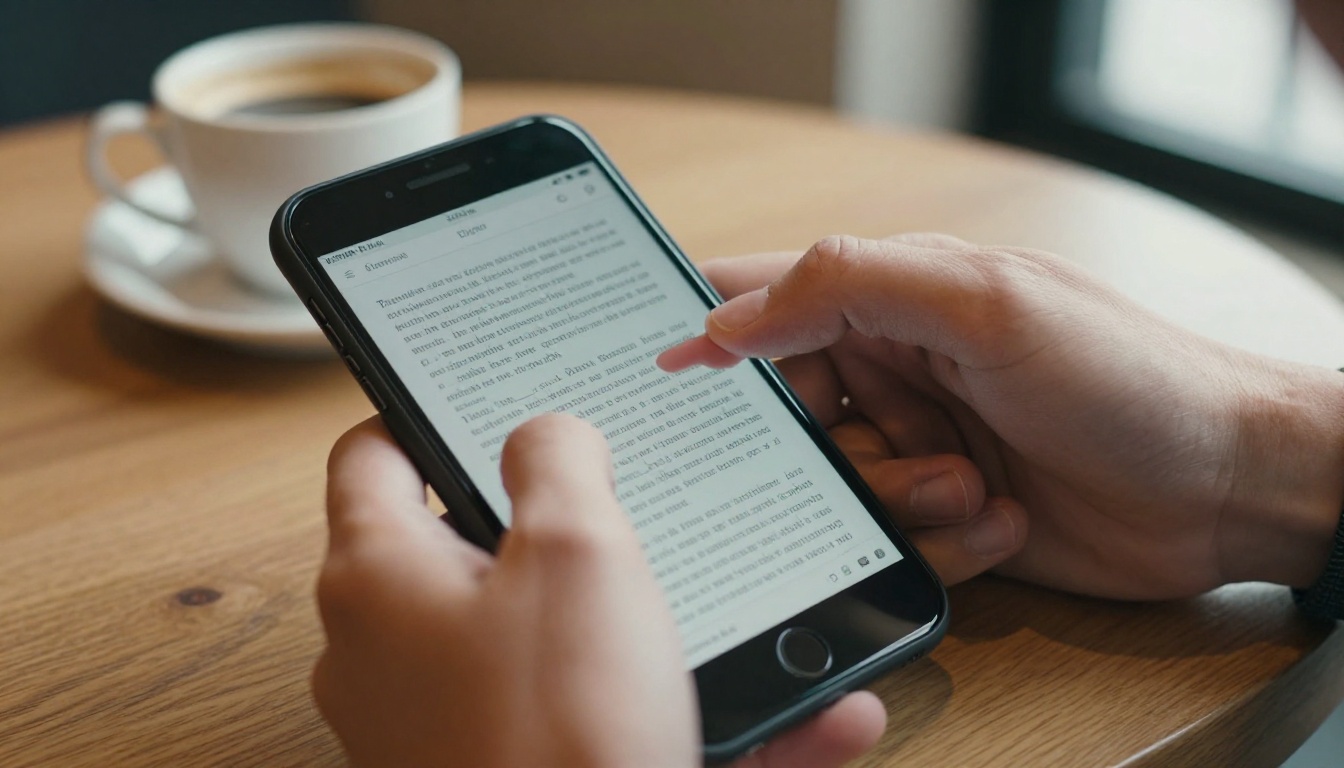
⚠️ Studies show mobile users abandon PDF documents within 10 seconds when they can't read the content without zooming.
The average time-on-document for a PDF shared via email is under 60 seconds. For an interactive flipbook with embedded navigation and visual hierarchy, that number can triple. That difference translates directly to how well your marketing message lands.
What PDFs Actually Cost You
The real damage from PDF-heavy marketing isn't immediately obvious. It shows up gradually: lower click-throughs, fewer shares, campaigns that underperform without a clear reason why. Here's where the cost accumulates.
Mobile Experience Breaks Completely
More than 60% of digital content is now consumed on mobile devices. PDFs are not mobile-friendly by design. They require horizontal scrolling, constant zoom adjustments, and often trigger a file download that adds friction before the reader has even started. On iOS and Android browsers, PDF rendering can be inconsistent, and many users simply don't have a viewer app configured.
When your beautifully designed product catalog looks like a jumbled wall of tiny text on someone's phone, your marketing investment evaporates on the spot.
No Data, No Insight
PDFs are black boxes. Once you send or upload one, you have no idea what happens next. You don't know:
- Which pages readers actually viewed
- How long they spent on each section
- Whether they clicked any contact information
- If they shared the document with a colleague
- At what point they stopped reading

This is a critical problem for campaign optimization. Without data, you're running blind. You can't A/B test layouts, you can't identify which sections resonate, and you can't prove ROI to stakeholders. Interactive flipbooks built on platforms like Flipbooks AI provide per-page analytics, visitor tracking, and lead capture forms that give you real marketing intelligence.
Attachments Nobody Opens
Email marketing with PDF attachments faces two compounding problems. First, many corporate email clients and spam filters flag large attachments, reducing deliverability. Second, even when the email lands in the inbox, users are conditioned to distrust attachments from brands they don't know intimately.
A link to an interactive flipbook, by contrast, travels cleanly through email filters, opens instantly in the browser, and requires no download. The friction between "I got your email" and "I'm reading your content" collapses entirely.
💡 Replace PDF attachments with flipbook links in your email campaigns and track how open-to-read conversion rates change within the first two weeks.
PDFs vs. Interactive Flipbooks
The difference between a static PDF and an interactive flipbook isn't just aesthetic. It's functional, strategic, and measurable. Here's a direct comparison:
| Feature | Static PDF | Interactive Flipbook |
|---|
| Mobile-friendly | No | Yes, fully responsive |
| Analytics | None | Page-level, visitor tracking |
| Sharing | File download required | Direct link, no download |
| Interactivity | None | Links, video, audio, forms |
| Branding | Fixed at creation | Customizable anytime |
| Loading speed | Slow (file download) | Fast (browser-based) |
| Password protection | Basic | Secure (server-side) |
| Embeddable on website | No | Yes, with embed code |
| Lead capture | Not possible | Built-in forms |
| SEO indexable | Partially | Fully (HTML-based) |
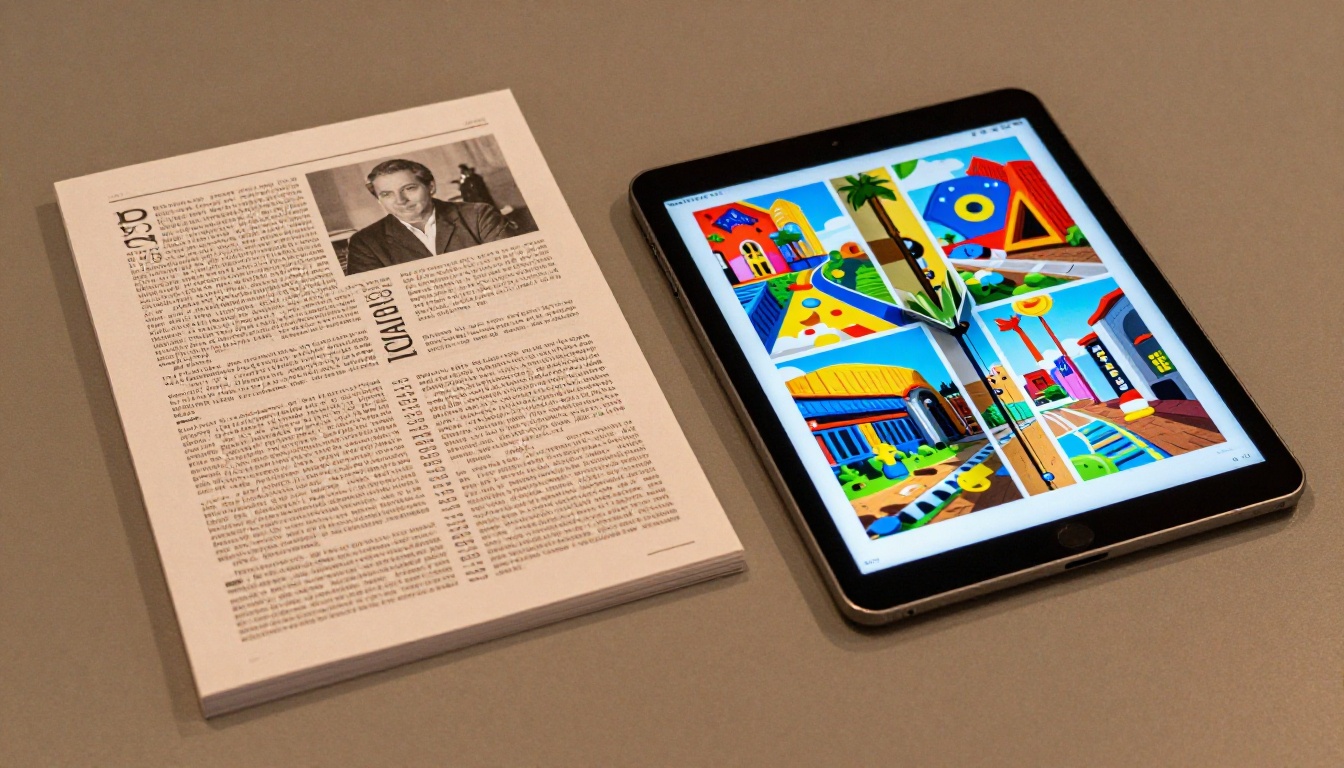
The table above makes the gap impossible to ignore. PDFs offer familiarity. Flipbooks offer everything else. In a competitive marketing landscape, familiarity alone isn't a strategy.
Where PDFs Hurt Most
Some marketing contexts suffer more than others from PDF limitations. These are the three areas where switching to flipbooks delivers the most immediate impact.
Product Catalogs That Don't Convert
A product catalog is supposed to inspire purchase decisions. When it's a PDF, it asks customers to scroll through dozens of static pages, manually look up product details, and hunt for contact information buried at the back. There's no clickable "order now" button, no embedded video demo, no way to jump to a specific category.
Product Catalog flipbooks let you embed clickable product links, category navigation, and inquiry forms directly into the reading experience. A fashion retailer can link every outfit to a product page. A furniture brand can embed room configuration videos next to each collection. The result is a catalog that actively drives action rather than passively presenting information.
Brochures Nobody Shares
Brochures are designed to travel. They're supposed to pass from hand to hand, building awareness at every stop. PDF brochures don't travel well. Forwarding a large attachment feels like a burden, and recipients who receive a file from a brand they don't follow rarely open it.
A flipbook brochure is a URL. Sharing it is as simple as copying a link, embedding it in a social post, or attaching it to a QR code on a physical display. The Brochure Flipbook Maker handles the conversion in minutes, with full custom branding options included on paid plans.
Event Programs Nobody Reads Twice
Event programs and menus shared as PDFs get opened once, skimmed, and forgotten. A restaurant that emails a seasonal menu PDF to subscribers can't update it if a dish changes. They'd need to recreate and redistribute the entire document. That's operational friction that compounds every time something changes.
An interactive flipbook menu can be updated in real time, shared via a QR code at the table, and viewed on any phone without a download. The Restaurant Menu Creator tool makes this conversion straightforward for hospitality businesses of any size.

What Works Instead
The solution isn't to abandon beautiful design or structured documents. It's to deliver that same quality in a format that works for modern consumption habits.
Interactive Content That Travels
The most effective marketing content in 2027 shares three characteristics: it's immediately accessible without a download, it works on every device, and it gives the marketer actionable data. Interactive flipbooks tick all three. They open in any browser, render correctly on mobile, and feed analytics dashboards with real reader behavior.
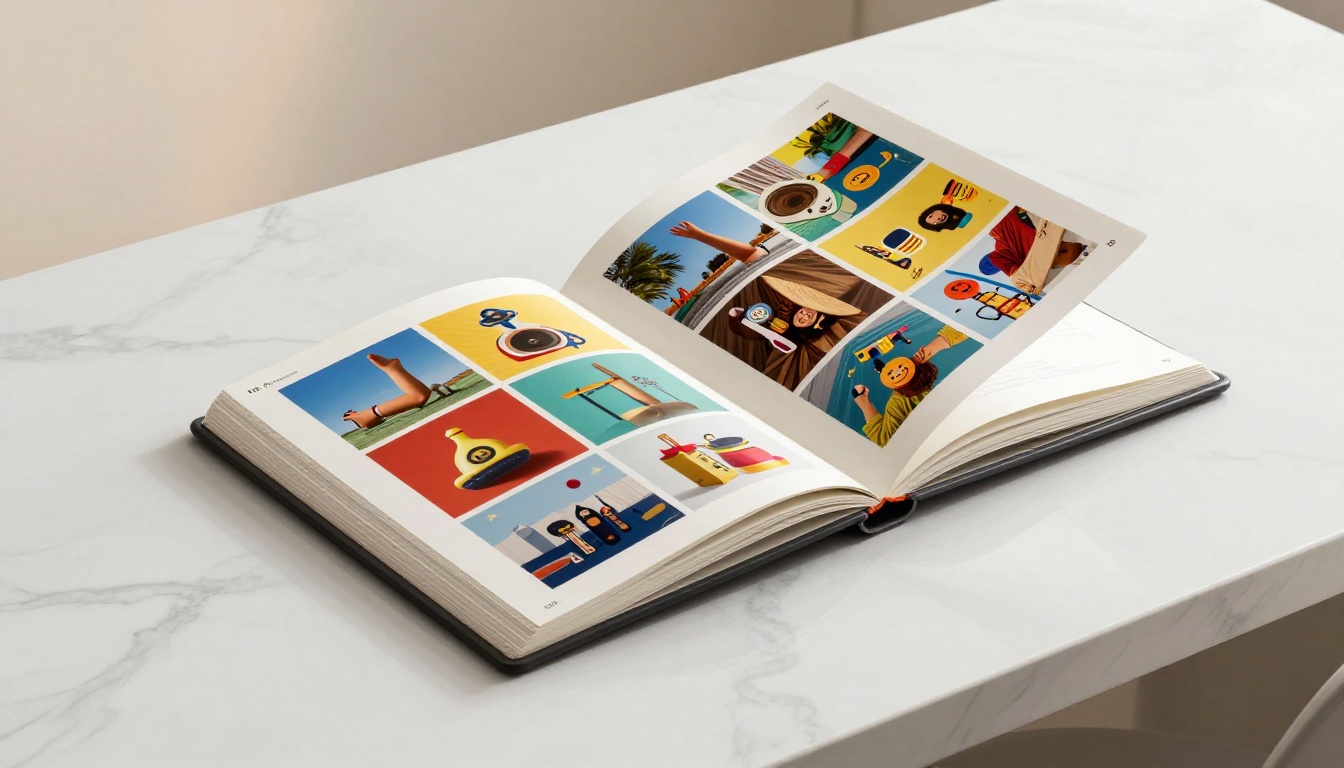
✅ Best practice: Every piece of marketing content you currently distribute as a PDF should have a flipbook version. Use the PDF as the print backup, not the primary distribution channel.
Real-World Scenarios
Here's how specific industries benefit from making the switch:
| Industry | PDF Problem | Flipbook Solution |
|---|
| Real estate | Static property brochures with no updates | Live listing flipbooks with clickable contact CTAs |
| Retail | Heavy catalog downloads with no tracking | Interactive product catalogs with purchase links |
| Hospitality | Menu PDFs that can't be updated quickly | Real-time menu flipbooks via QR code |
| Education | Training manuals with no progress data | Course materials with embedded quizzes |
| Events | Event programs nobody revisits | Digital programs with session links and live updates |
| Non-profits | Annual report PDFs nobody reads fully | Interactive reports with embedded video testimonials |
Every industry in that table has a dedicated tool at Flipbooks AI. The Real Estate Brochure, Digital Portfolio Creator, Training Manual Flipbook, and Non-Profit Annual Report tools are all built around these specific use cases, with templates that get you from PDF to published flipbook in under five minutes.
How to Fix It in 3 Steps with Flipbooks AI
Converting your existing PDFs to interactive flipbooks takes less time than creating the original PDF. Here's exactly how the process works on Flipbooks AI:
Step 1: Upload Your PDF
Create a free account at Flipbooks AI and click "New Flipbook." Drag and drop your existing PDF directly into the upload area. The platform accepts PDFs of any length, from single-page flyers to 200-page annual reports. Processing takes seconds regardless of file size.

Step 2: Customize Your Flipbook
Once converted, you can:
- Apply your brand colors and logo
- Add a custom background or header image
- Enable the realistic page-turn animation
- Embed videos, audio clips, or external links on any page
- Set up a password for private distribution
- Add a lead capture form to collect visitor information
All customization happens in a visual editor with no coding required. Changes take effect instantly, and you can update any flipbook at any time without redistributing links.
Step 3: Share and Track
When your flipbook is ready, Flipbooks AI gives you:
- A direct shareable URL
- An embed code for your website or landing page
- A QR code for print integration
- A password-protected link for private content
From the dashboard, you can track total views, unique visitors, time spent per page, and clicks on embedded links. The Professional plan includes lead generation tools and offline download options, allowing readers to save the flipbook for later even without an internet connection.

💡 Use the embed code to place your flipbook directly on a product page or landing page. Visitors can flip through your catalog without ever leaving your site, which keeps them in your conversion funnel longer.
Pricing That Makes Sense
One of the most common objections to switching away from PDFs is cost. PDFs feel "free" because the creation tools are familiar. But the hidden cost of low performance, zero analytics, and poor mobile experience is far higher than any subscription fee. Here's how Flipbooks AI pricing breaks down:
| Plan | Flipbooks | Analytics | Lead Capture | Offline Downloads | Custom Branding |
|---|
| Free | 3 flipbooks | Basic | No | No | No |
| Standard | Unlimited | Full | No | No | Yes |
| Professional | Unlimited | Full | Yes | Yes | Yes |
There are no watermarks on any paid plan, and every flipbook is mobile-responsive from the moment it's created. The Standard plan is sufficient for most marketing teams replacing their PDF distribution workflow. The Professional plan is designed for sales-driven content where lead capture and offline access are priorities.
For a team distributing 5 to 10 documents per month, the time saved in redistribution alone, plus the analytics visibility gained, makes the upgrade cost negligible within the first month.
Make the Switch Today
PDFs aren't going away entirely, but their role in marketing should change. They belong as print-ready fallbacks and archival records, not as your primary channel for reaching digital audiences.

Every catalog, brochure, menu, report, and event program you currently share as a PDF has a better version waiting to be created. The conversion takes minutes. The results show up in your analytics within days.
Ready to stop losing readers before they reach your call to action? Create your first flipbook for free on Flipbooks AI and see how much cleaner digital marketing feels when your content actually works on every device.
Browse all available tools and templates to find the right fit for your content type, or check pricing plans to choose the tier that fits your volume.
Your audience is already on mobile, already skipping attachments, and already expecting interactive content. The only question is whether your marketing is keeping up.



