Real estate buyers scroll past dozens of listings every day, most of which look identical: a grid of photos, a price, and a description paragraph nobody reads past the third line. The format has not changed since listings moved online in the 1990s. Meanwhile, buyers' expectations have shifted dramatically. They want context, they want to feel a space, and they want to linger. That is precisely why agencies using Flipbooks AI are seeing stronger conversion numbers from the same properties.
The Problem with Static Property Listings
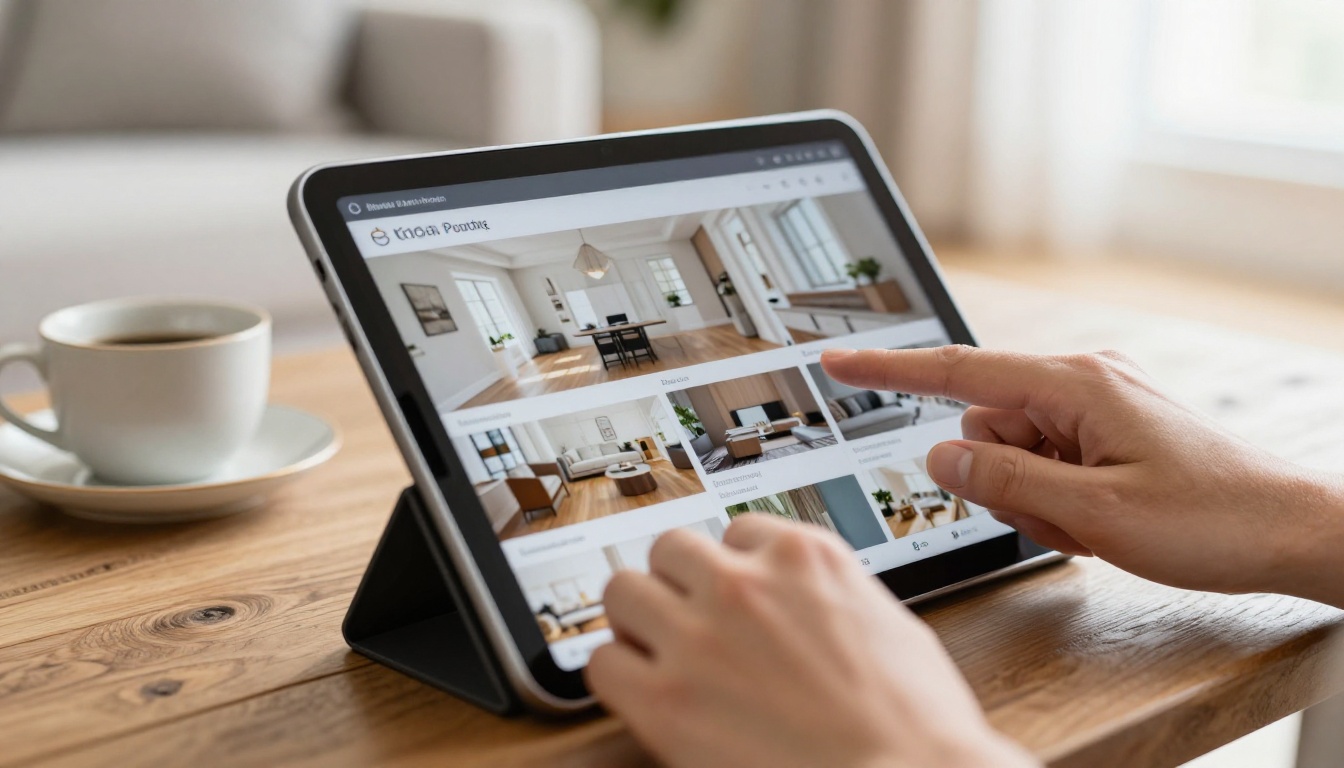
Most property listings suffer from the same structural flaw: they present information without creating experience. A buyer sees 12 photos in a gallery, reads a bullet list of bedrooms and bathrooms, skims a paragraph of marketing copy, then clicks away. The average time a user spends on a static listing page is under 90 seconds.
That is not enough time to build desire. It is barely enough time to form a first impression.
Flat formats don't tell a story
Static listings treat a property like a database record. A three-bedroom house with two bathrooms and a garage becomes just that: numbers in fields. There is no narrative flow. There is no sense of moving through the front door into the hallway and into the kitchen. Photos appear in no particular emotional order.
A buyer's decision to purchase a home is rarely rational. It is largely emotional. The format of your listing either supports that emotional journey or interrupts it.
PDF brochures create friction
Downloadable PDF brochures are a slight improvement over gallery grids, but they come with their own problems. Buyers have to download a file, open it in a separate app, and zoom in on pages that were not designed for screens. On mobile, the experience is often broken entirely. Pinch-to-zoom on a PDF is not how buyers want to view a $600,000 property.
⚠️ A listing that forces buyers to fight with the format is a listing that loses buyers before they have seen the property properly.
What a Real Estate Flipbook Actually Does
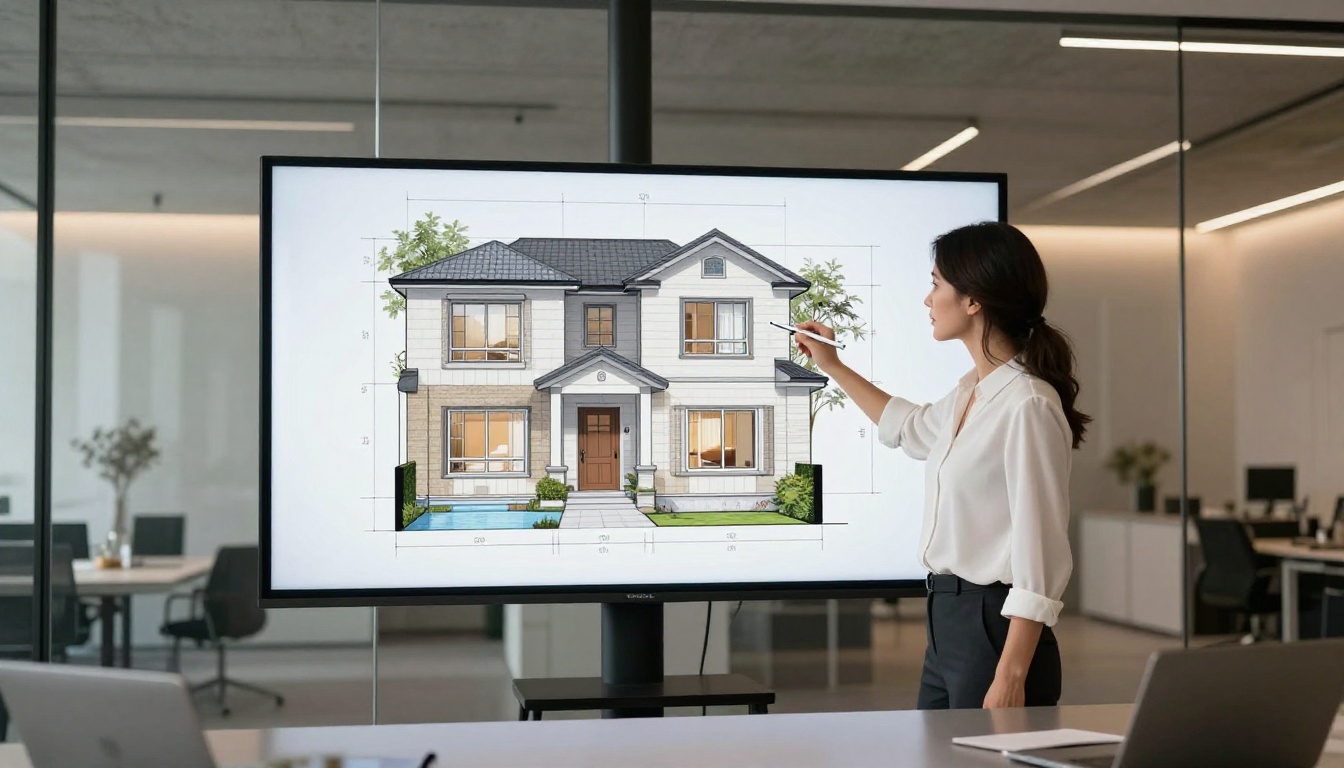
A real estate flipbook is an interactive digital publication that mimics the physical experience of leafing through a beautifully printed property brochure, but inside a browser, on any device, with no download required. Every page turns with a satisfying animation. Every photo is full-bleed. The floor plan has its own spread. The neighborhood map sits where it makes sense contextually.
The buyer does not just see the property. They move through it.
More than a pretty PDF
The difference between a flipbook and a PDF brochure is not cosmetic. It is structural. Flipbooks created through the Real Estate Brochure tool on Flipbooks AI include:
- Embedded video walkthroughs inside the publication itself
- Clickable contact links for instant agent outreach
- Mobile-first page layouts that adapt to any screen size
- Password protection for off-market or pre-launch properties
- Analytics tracking showing exactly which pages buyers viewed and for how long
That last point is critical. Knowing a buyer spent four minutes on the primary suite pages and skipped the garage tells you something specific about their priorities before you even pick up the phone.
| Feature | Static Web Listing | PDF Brochure | Interactive Flipbook |
|---|
| Mobile-friendly | Partial | Poor | Excellent |
| Page analytics | No | No | Yes (Pro plan) |
| Embedded video | Sometimes | No | Yes |
| Download required | No | Yes | No |
| Shareable link | Yes | No | Yes |
| Custom branding | Limited | Yes | Yes |
| Lead capture forms | Sometimes | No | Yes (Pro plan) |
| Password protection | No | No | Yes |

The Numbers Don't Lie
The performance gap between flipbook listings and static presentations shows up consistently across different market segments. The reasons come down to three measurable factors: time-on-page, scroll depth, and contact rate.
Time-on-page increases significantly
Static listing pages average 60 to 90 seconds of active viewing time. Flipbook presentations average 3 to 6 minutes. That is a 3x to 4x increase in exposure time, which directly correlates with purchase intent. A buyer who spends six minutes with a property is far more likely to request a viewing than one who spent 80 seconds.
Scroll depth tells the full story
On standard listing pages, fewer than 30% of visitors reach the bottom of the page. On flipbook presentations, page finish rates run between 60% and 80%, because the page-turn mechanic feels natural and intentional. Buyers do not scroll; they turn pages. That distinction matters psychologically.
Contact rates follow attention
Higher buyer attention creates stronger intent signals. When a buyer has spent meaningful time with a flipbook, invested in the narrative of the property, they contact the agent from a position of informed enthusiasm rather than tentative curiosity. That changes the nature of the conversation and shortens the sales cycle.
💡 Agents who share a flipbook link rather than a raw PDF attachment report significantly higher open rates, since flipbooks open instantly in a browser with no software required.
| Metric | Static Listing | PDF Brochure | Flipbook Presentation |
|---|
| Avg. time-on-page | 60-90 sec | 2-3 min | 4-6 min |
| Page finish rate | 20-30% | 45-55% | 60-80% |
| Return visit rate | Low | Very low | High |
| Mobile performance | Moderate | Poor | Excellent |
| Lead conversion lift | Baseline | +15% | +40-60% |

How Buyers Behave Differently with Flipbooks
It is not just about the format. It is about what the format signals to the buyer. A flipbook communicates that the agent, and by extension the seller, has invested in presenting this property professionally. That signal builds trust before a single word of negotiation has occurred.
The tactile psychology of page-turning
Decades of publishing research show that the physical act of turning a page creates a sense of progress and commitment. Digital page-turn animations replicate this effect. Buyers who turn pages through a property feel they are actively moving through the content rather than passively scrolling. That sense of agency increases their connection to the material.
Shareable listings spread organically
Static PDFs are rarely shared between family members or decision-making partners. A flipbook link is. It is a URL, it opens instantly, it works on any device. When a buyer sends a flipbook link to their partner or parents, those additional viewers each spend time with the property. The listing's total reach multiplies without any additional marketing spend.
Properties feel more credible
There is a direct relationship between presentation quality and perceived property value. A property presented as a polished flipbook signals a higher-caliber listing. Buyers, often unconsciously, adjust their price expectations upward when the presentation signals premium quality. This effect is particularly pronounced in the $400K and above market segment.
✅ Well-presented properties attract better-qualified buyers who are further along in their decision process.
Real-World Use Cases That Work
The format works across different property types and selling scenarios. Here is how different agencies are applying it.
Luxury residential listings
High-end properties benefit most from the flipbook format. A seven-figure home deserves a presentation that matches its quality. Agents use the Online Brochure Designer to create multi-spread publications that include architectural detail pages, neighborhood lifestyle spreads, and full-page aerial photography.
Pre-construction and off-plan sales
Properties that do not yet exist physically are the hardest sell. Flipbook presentations allow developers to combine floor plans, artist renders, neighborhood maps, and financing information in a single cohesive publication that buyers can share and revisit at their own pace.
Multi-property portfolio presentations
Investor-focused listings often involve multiple properties in a single presentation. A flipbook with clearly organized sections makes this format work on a single shareable link rather than a zip file of separate PDFs. The Digital Catalog Maker is particularly well-suited to this scenario.
Open house digital take-aways
Agents at open house events increasingly share flipbook links via QR code rather than printing paper brochures. Visitors scan, save the link, and share it with people in their network. The agent gets analytics showing who revisited the listing after leaving the property.
| Use Case | Recommended Tool | Top Benefit |
|---|
| Luxury residential | Real Estate Brochure Creator | Premium presentation quality |
| Pre-construction | Brochure Flipbook Maker | Combine renders and floor plans |
| Multi-property investor | Digital Catalog Maker | Organized multi-property sections |
| Open house QR takeaway | PDF to Flipbook Converter | Instant mobile-friendly sharing |
| Off-market listings | Any tool with password protection | Private access for qualified buyers |
How to Create a Real Estate Flipbook
Creating a professional property flipbook takes less time than most agents expect. Here is the exact process using Flipbooks AI.
Step 1: Prepare your PDF
Start with your existing property brochure or marketing document in PDF format. If you do not have one, most design tools including Canva and InDesign export to PDF in minutes. Structure the document so each major section gets its own page spread: intro, living spaces, kitchen and dining, bedrooms, outdoor areas, floor plan, neighborhood, and contact information.
Step 2: Upload and convert
Go to Flipbooks AI and create your account. Upload your PDF using the PDF to Flipbook Converter. The conversion happens in seconds. You will immediately see your brochure as an interactive flipbook with the page-turn animation applied automatically.
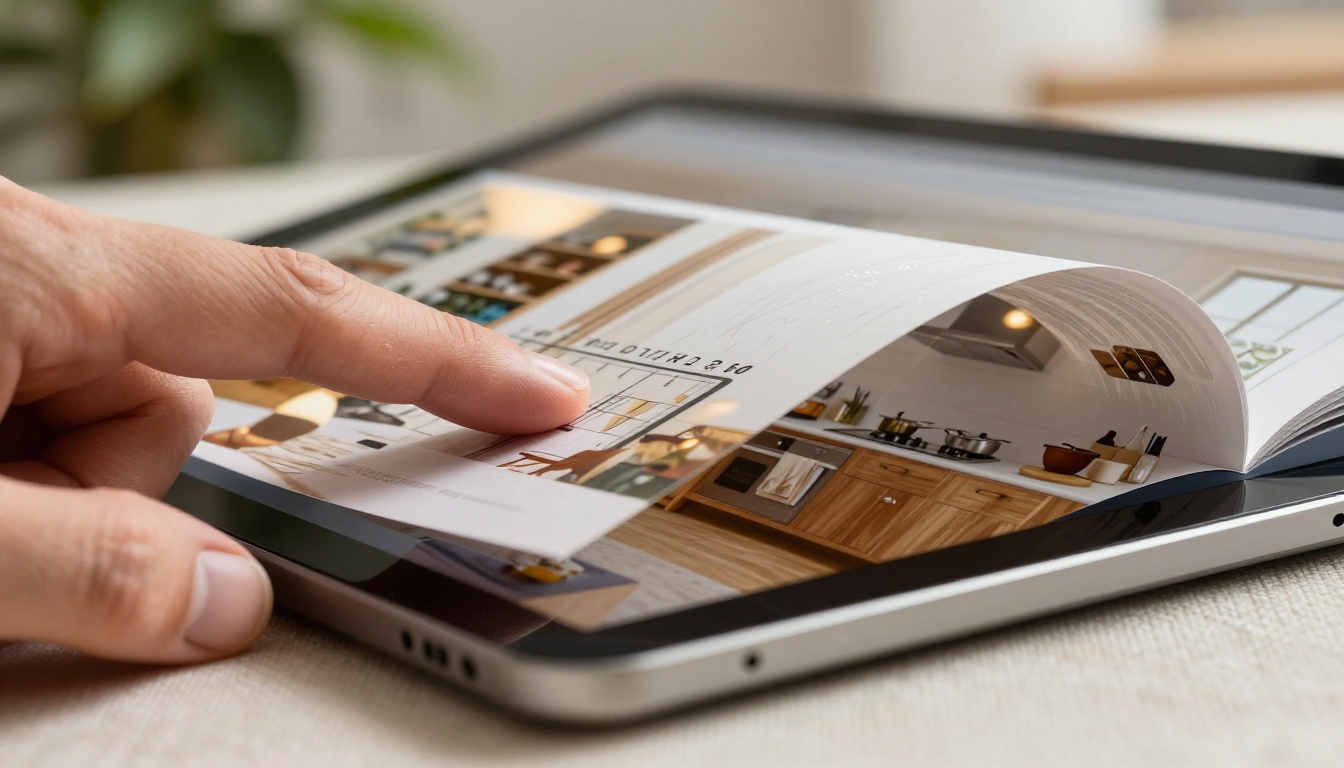
Step 3: Customize for your brand
Use the editor to apply your agency's brand colors, add your logo, and adjust fonts to match your identity. For property-specific customization, embed a video walkthrough directly into relevant pages, add clickable contact buttons, and include a lead capture form for buyers who want to arrange a viewing. The Brochure Flipbook Maker offers dedicated templates built for property presentations.
Step 4: Set access and privacy
For standard listings, publish with a public link and share immediately. For off-market or pre-launch properties, enable password protection so only qualified buyers can view the presentation. This creates genuine exclusivity around high-value listings without requiring a separate document management system.
Step 5: Share and track
Share the flipbook link via email, WhatsApp, your website, or social media. Embed it directly on your property listing page using the Embed Flipbook on Website tool. On the Professional plan, access your analytics dashboard to see which buyers are returning to the listing, how long they spend on each page, and exactly where they stop reading.
💡 The analytics view alone is worth the upgrade. Knowing a buyer returned three times to the primary suite pages is a powerful signal to act on before you call them.
Step 6: Capture leads directly from the flipbook
The Professional plan includes a lead generation form you can embed within the flipbook itself. A buyer who reaches the contact spread can submit their details without leaving the publication. Those leads appear directly in your dashboard alongside the viewing analytics, giving you a complete picture of their interest level. See all available pricing plans to find the right tier.

Choosing the Right Plan for Your Agency
Flipbooks AI offers tiered plans that scale with agency size and listing volume. Every paid tier removes watermarks entirely and includes custom branding, so your publications look professional from day one.
| Plan | Best For | Standout Features |
|---|
| Starter | Individual agents, low volume | Basic flipbook creation, public sharing |
| Standard | Active agents, multiple listings | Unlimited flipbooks, custom branding, no watermarks |
| Professional | Agencies and teams | Analytics, lead generation, offline downloads, priority support |
✅ No platform branding appears on any published listing, regardless of plan. Your agency brand is the only brand buyers see.
For agencies managing multiple agents and dozens of active listings simultaneously, the Professional plan provides the analytics and lead capture capabilities that make the format genuinely competitive with dedicated listing platforms, at a fraction of the cost of specialized real estate software.

Make Every Listing Work Harder
A property listing is not a document. It is a sales asset, and sales assets should be built to perform. Static PDFs and gallery grids were acceptable when they were the only option. They are not the only option anymore.
Every listing sitting as a flat PDF is a listing where buyers are not lingering long enough to fall in love with the property. Every PDF that gets downloaded and forgotten is a lost opportunity to re-connect with a buyer who visited three times but never called.
Flipbook listings change the dynamic. They hold attention, they communicate quality, they generate trackable leads, and they spread organically across the exact networks buyers use to make decisions with their families.
The real estate professionals consistently moving properties faster are not necessarily working harder. They are working with better tools.
Ready to see the difference for a real listing? Create your account on Flipbooks AI and convert your next property brochure in minutes. Browse all available tools to find the format that fits your listing type, or compare pricing plans to choose the tier that matches your agency's volume.



