Poshmark has over 80 million registered users, and standing out from the crowd takes more than good photos and competitive pricing. The resellers who consistently outperform the platform average share one thing in common: they treat their closet like a brand, not just a pile of listings. Digital flipbook catalogs are the tool making that shift possible, and Flipbooks AI is the platform putting it within reach for every seller regardless of budget or tech skill.
The Problem Most Poshmark Sellers Face
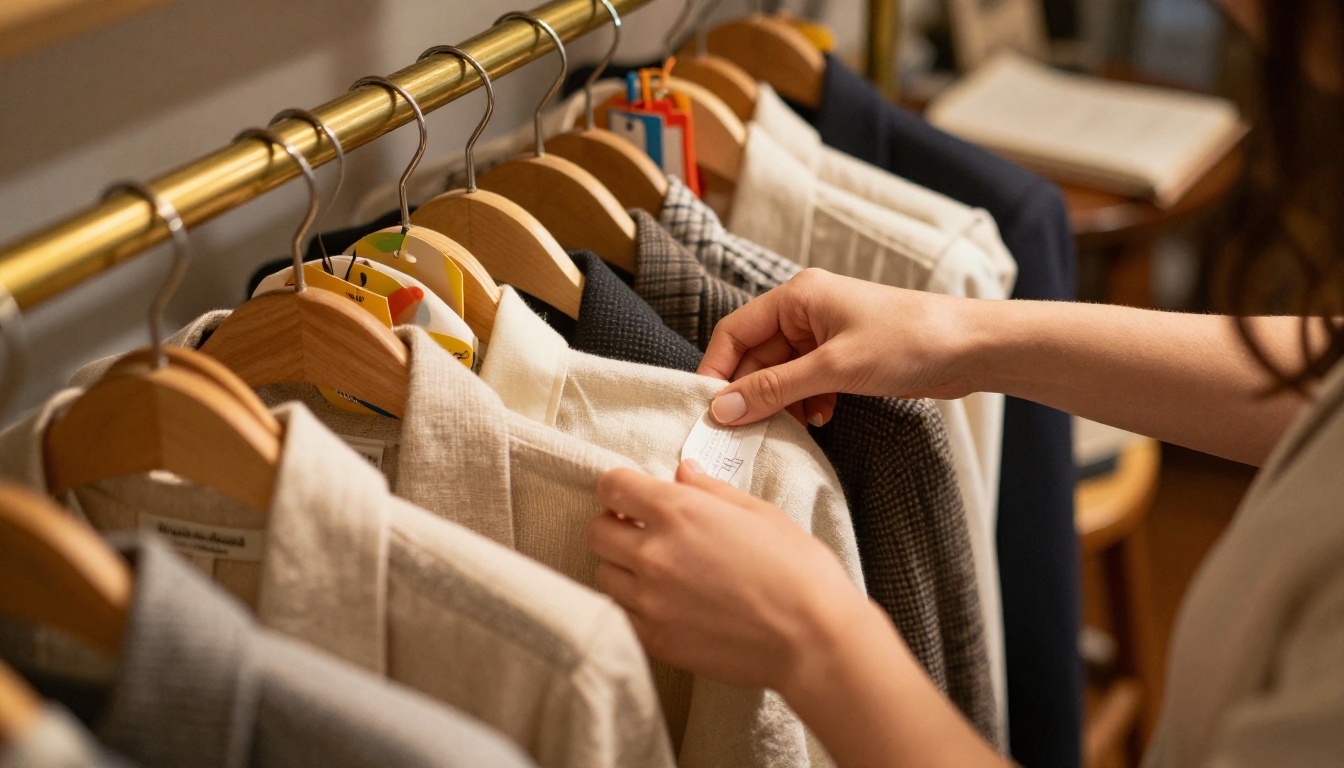
Poshmark is a platform built on individual listings. Each item lives in its own silo, buyers have to scroll through dozens of posts to understand what a closet actually offers, and most sellers have zero way to show cohesion between their items. This creates a fundamental problem for resellers trying to build a loyal buyer base.
Listings That Get Ignored
The average Poshmark buyer spends under 90 seconds browsing a closet before deciding whether to follow or leave. With no overarching presentation layer, most closets feel like random garage sales. Buyers have no immediate sense of the seller's aesthetic, price range, or inventory quality.
That first impression problem is expensive. It means wasted follows, minimal repeat purchases, and constant pressure to acquire new buyers rather than retaining existing ones.
No Story, No Sales
Buyers on resale platforms are not just purchasing items. They are buying from people they trust. Without a cohesive way to tell your story and present your selection as a curated collection, you are leaving that trust-building to chance.
The resellers winning on Poshmark right now are thinking like boutique owners. They batch their inventory into themed drops, style their photos consistently, and find ways to show the full picture of what their closet offers. A digital flipbook is the most efficient tool for doing exactly that.
Why Most Closets Stay Invisible
There is no native feature on Poshmark that lets you group items into collections, tell a visual story, or showcase your full aesthetic in one place. The platform rewards activity, likes, and shares but does not reward presentation. That gap is where resellers with flipbook catalogs pull ahead. While competitors are sharing listings one at a time, you are sharing a full magazine-quality catalog with a single link.
What a Flipbook Does for Your Poshmark Closet
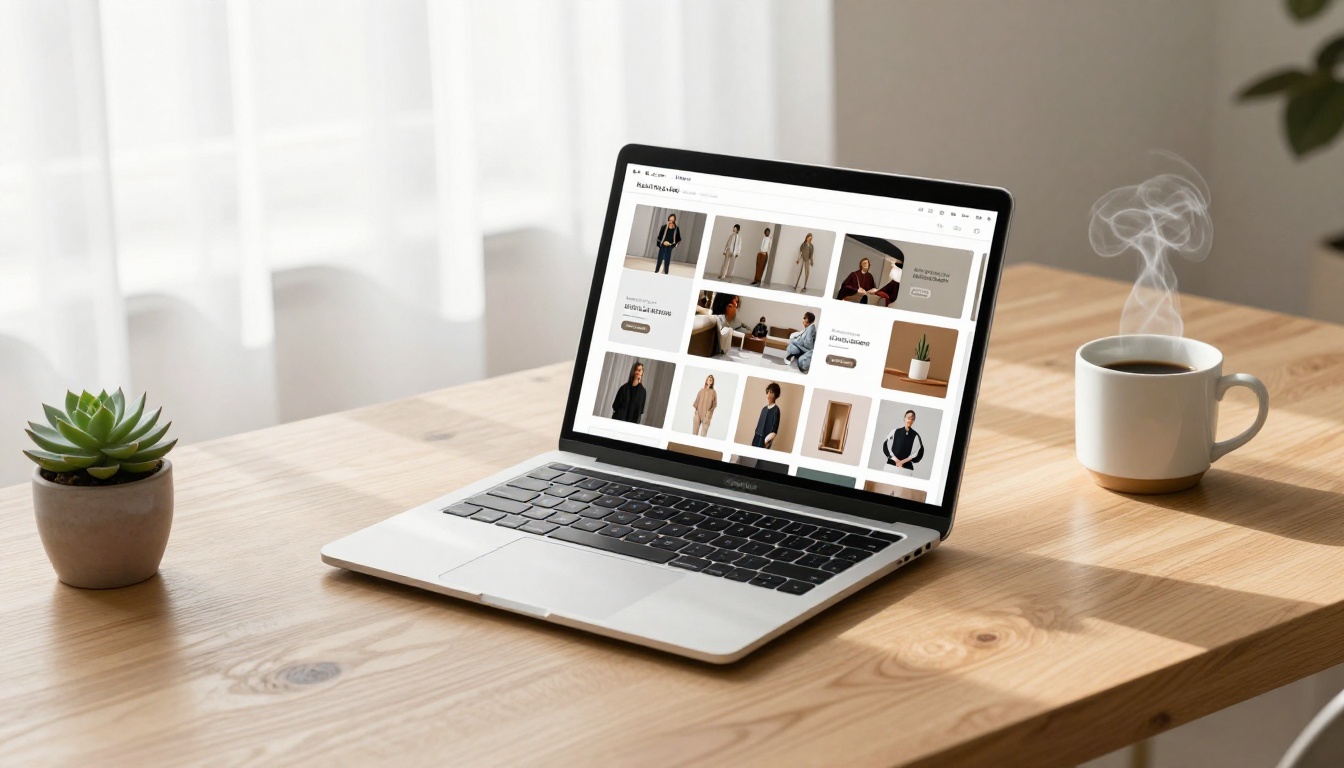
A digital flipbook takes a PDF and turns it into an interactive, page-turning catalog that buyers can browse like a real magazine. It loads in a browser, works on any device, and can be shared via a single link.
For Poshmark resellers, this solves three problems at once: presentation, shareability, and buyer retention.
A Catalog That Sells for You
Instead of expecting buyers to scroll through 200 individual Poshmark listings, you drop a flipbook link in your bio, your Poshmark feed posts, or your Instagram stories. Buyers open a visual catalog, flip through organized pages, and see your inventory the way a real boutique would present it.
This is not about replacing your Poshmark listings. It is about giving buyers a reason to want everything you have, then sending them to Poshmark to buy it.
The Trust Factor
A professionally designed catalog immediately signals that you are a serious seller. It separates you from the hundreds of closets that look identical. Buyers associate a well-presented catalog with quality merchandise and reliable shipping, which translates directly into follows, offers, and completed sales.
💡 Resellers who present their closets as curated collections report significantly higher follow-to-purchase conversion rates than those relying on individual listing views alone.
Repeat Buyers Are the Real Revenue
The economics of reselling favor repeat buyers heavily. Acquiring a new buyer costs effort in the form of shares, follows, and offers. Retaining an existing buyer who already trusts you costs almost nothing if you give them a reason to come back.
A flipbook that gets shared and bookmarked keeps your inventory in front of buyers long after your Poshmark activity has dropped off their feed. Buyers who browse your catalog tend to save the link, return to it when they are ready to shop, and recommend it to friends with similar tastes.
How to Build Your Poshmark Flipbook with Flipbooks AI

Flipbooks AI makes the process of creating a professional digital catalog straightforward even if you have never designed anything in your life. Here is the full workflow from inventory to shareable link.
Step 1: Build Your PDF Catalog
Start by organizing your current inventory into a themed batch. This might be "Fall Coats Under $50," "Y2K Statement Pieces," or "Designer Bags from $30." Open Canva, Google Slides, or any design tool and create one page per item or two items per page. Include:
- A clean product photo on a white or neutral background
- The item name, brand, and size
- Your asking price
- A short condition note (Excellent, Like New, Good)
- Your Poshmark username at the bottom of each page
Export as a PDF when done. Keep it to 10 to 25 items per catalog so buyers do not feel overwhelmed. Focused, curated drops outperform bulk dumps every time.
Step 2: Upload to Flipbooks AI
Head to Flipbooks AI and create your account. Upload your PDF using the PDF to Flipbook Converter. The platform processes your file and renders it as a fully interactive page-turning flipbook within minutes.
No code. No plugins. No subscription to a design suite. The conversion is automatic and the output looks professional from day one.
Step 3: Customize Your Brand
Once your flipbook is live, use the customization panel to add:
- Your closet name as the flipbook title
- Your brand colors if you have established them
- A custom thumbnail for the cover page that matches your aesthetic
- Background music if you want to create a boutique browsing feel (optional)
The Interactive Lookbook Designer tool is particularly well-suited to fashion resellers. It lets you create swipeable seasonal collections that feel exactly like an editorial fashion lookbook from a real boutique.
Step 4: Share It Everywhere
Copy your shareable flipbook link and place it:
- In your Poshmark bio under your profile description
- As a comment on your Poshmark feed posts when announcing new inventory
- In your Instagram bio linked via Linktree or directly
- In Pinterest pins linking back to your specific Poshmark listings
- In Facebook reseller group posts where catalog sharing is allowed
Password protection is available if you want to offer exclusive early access to your best buyers before making the catalog public.
✅ Use the embed feature to drop your flipbook directly into any website or blog if you run a reselling content presence alongside your Poshmark closet.
3 Flipbook Types That Work Best for Resellers
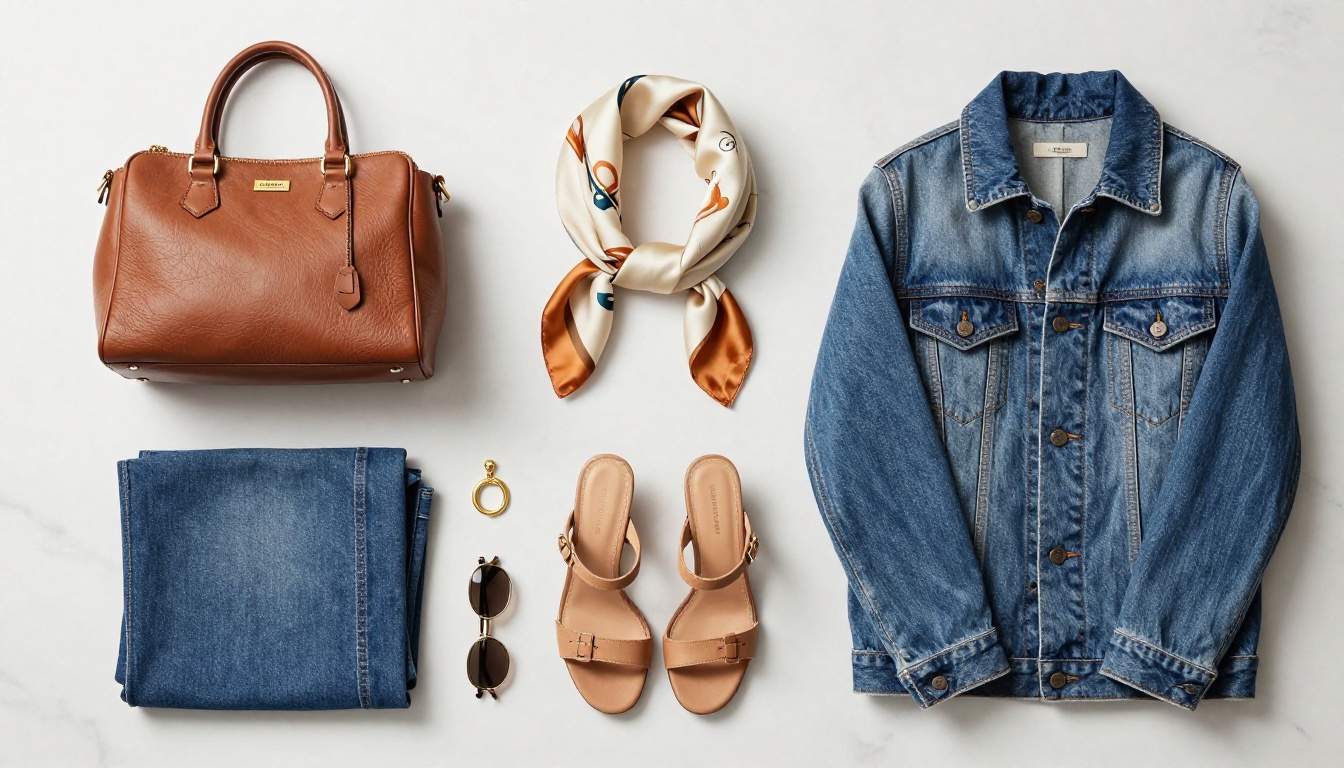
Not all flipbooks serve the same purpose. The most successful Poshmark resellers rotate through several formats depending on what they are trying to achieve with each drop.
The Seasonal Drop
Release a new flipbook every 4 to 6 weeks tied to the current season or a fashion moment. Fall drops, holiday party outfits, spring workwear, summer vacation pieces. This gives followers a reason to check back regularly and creates urgency around new inventory.
Example: "Fall Refresh Drop Vol. 3" featuring 20 coats, boots, and layering pieces all under $60, released the last Friday of September with a 48-hour early access window for email subscribers.
The Brand Bundle
Curate a flipbook around a single brand or aesthetic. All Levi's. All vintage 90s minimalism. All going-out tops. Brand-specific catalogs attract buyers searching for specific aesthetics and rank better in Google image searches for those terms when the flipbook link is shared on Pinterest or referenced in blog posts.
The Price-Point Collection
Create a flipbook organized by price tier: everything under $20, $20 to $50, $50 to $100. Buyers shopping on a budget know exactly where to look and spend more time browsing because the selection feels manageable and targeted.
💡 Pair your price-point flipbook with a Poshmark bundle offer and include that offer prominently on the first page of the catalog. It increases bundle size and average order value from buyers who were planning to purchase just one item.
Where to Share Your Flipbook Beyond Poshmark
The flipbook link is the asset. Once you have it, it works across every platform where your buyers are spending time. This cross-platform reach is the primary reason flipbook resellers outperform closet-only sellers over the long term.
Instagram and TikTok
Share individual pages from your flipbook as story slides or Reels content. Add your flipbook link to your bio so buyers who see your content can access the full catalog immediately. Instagram shopping behavior is visual first, and a well-photographed flipbook page stops the scroll better than a standalone listing screenshot. TikTok video walkthroughs of your flipbook catalog, flipping through pages on camera, consistently perform well in the fashion reselling niche.
Pinterest for Long-Term Traffic
Pinterest is a search engine for buyers planning future purchases. A pin linking to your flipbook catalog and labeled with specific keywords like "Y2K fashion finds under $40" or "vintage designer bags resale" can drive clicks for months or even years without any ongoing effort on your part. Many resellers attribute 20 to 30 percent of their non-Poshmark traffic to Pinterest boards built around their flipbook catalogs.
Email Lists and Text Communities
Serious resellers building a real business increasingly use email lists and SMS groups to notify their best buyers first. Send your new flipbook link to your list before posting it publicly. This VIP treatment builds loyalty and creates a predictable revenue stream from your most engaged audience. With the Professional plan on Flipbooks AI, buyers can enter their email directly inside your flipbook to join your list automatically.
Facebook Reseller Communities
There are hundreds of active Facebook groups dedicated to reselling, Poshmark tips, and secondhand fashion. Sharing your flipbook link where allowed by group rules positions you as a professional seller and drives targeted traffic back to your closet from buyers already primed to purchase.
Comparing the Results: Flipbook vs. Standard Closet
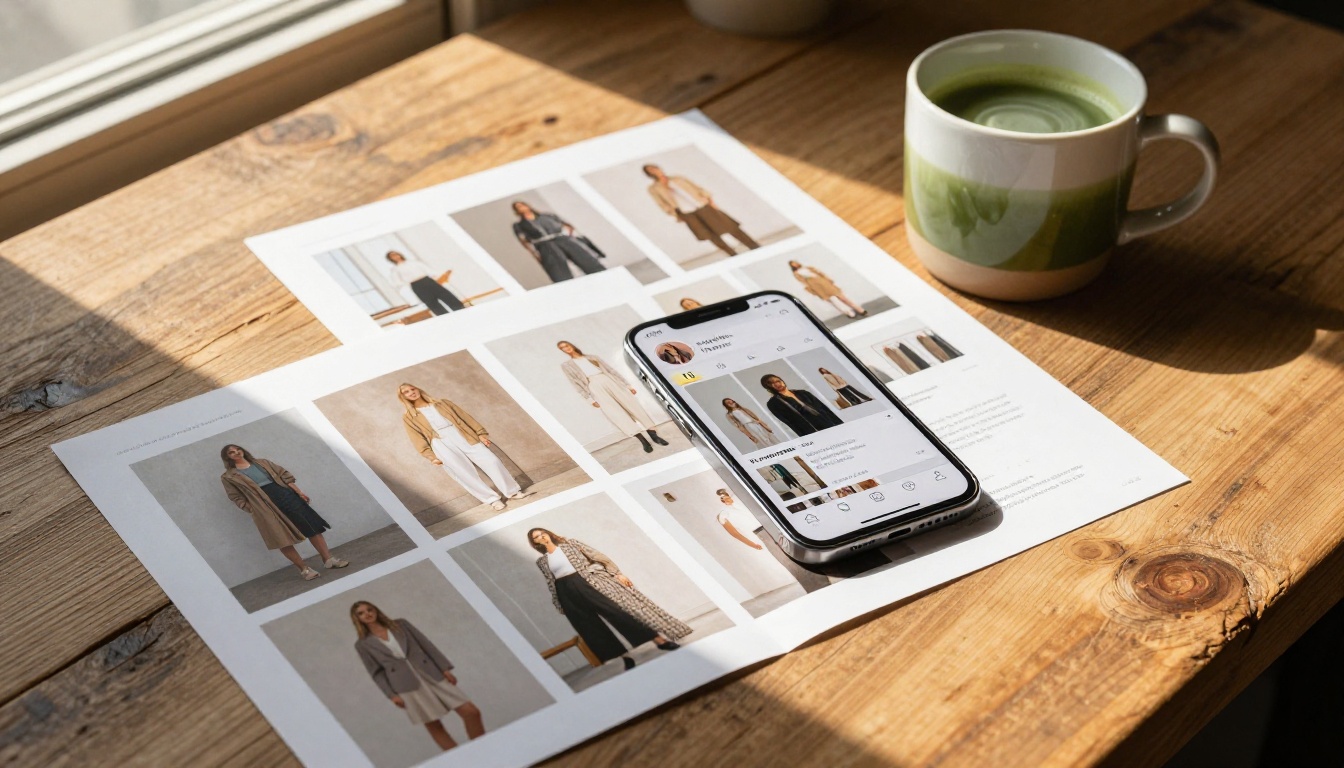
The difference between resellers who use digital catalogs and those who do not shows up clearly in the metrics that matter most to a growing closet operation.
| Metric | Standard Poshmark Closet | Closet with Flipbook Catalog |
|---|
| Buyer time on closet | Under 90 seconds | 3 to 5+ minutes |
| Repeat purchase rate | Low (single-item buyers) | Higher (catalog browsers convert more) |
| Social shareability | Individual listing links | Single shareable catalog link |
| Brand perception | Random, inconsistent | Curated, boutique-level |
| Off-platform traffic | None | Pinterest, Instagram, Email |
| Early access options | None | Password-protected drops |
| Buyer list building | Not possible | Lead gen via Professional plan |
| Analytics | Poshmark data only | Full view and click data |
The compounding effect of these differences is significant over 6 to 12 months. A buyer who spends 4 minutes in your flipbook has seen more items, built more trust, and is far more likely to make an offer than a buyer who scrolled three listings and bounced.
Flipbooks AI Plans for Resellers
Flipbooks AI offers tiered pricing to match where you are in your reselling business. Whether you are testing the concept or running a full-time closet operation, there is a plan that fits your workflow and budget.
| Plan | Best For | Flipbooks | Analytics | Password Protection | Lead Generation |
|---|
| Free | First-time catalog makers | 1 flipbook | No | No | No |
| Standard | Active resellers with regular drops | Unlimited | No | No | No |
| Professional | Full-time sellers building a buyer list | Unlimited | Yes | Yes | Yes |
⚠️ The free plan is a good way to test your first catalog before committing. For resellers sharing catalogs across multiple platforms regularly, the Standard plan pays for itself quickly in additional sales driven by better presentation alone.
The Professional plan unlocks lead generation tools, meaning buyers who open your flipbook can enter their email directly, building your list automatically with zero extra effort. For resellers planning seasonal drops and building a repeat customer base, this is the plan that turns a side hustle into a predictable business. Compare all plans here.
What Buyers Actually Experience
It is worth thinking through the buyer journey when a flipbook is in play compared to a standard closet browse.
A buyer sees your Instagram story with a preview page from your new fall drop. They tap the link in your bio, land on your Flipbooks AI catalog, and start flipping through pages. Within two minutes they have seen 18 items, found three they want, and are already thinking about a bundle deal. They click through to your Poshmark closet, search your username, and send you an offer on all three at once.
Without the flipbook, that same buyer might have seen one listing on their explore page, glanced at your closet for 60 seconds, and left without finding anything that grabbed them in the scroll. The context that the flipbook creates is what converts browsers into buyers.
Building Your Reseller Brand Over Time

The resellers building real income from Poshmark in 2027 are treating it as a brand operation, not a hobby. That means consistent photography, intentional curation, a recognizable aesthetic, and professional presentation at every buyer touchpoint.
A digital flipbook is one of the highest-leverage investments you can make in that brand because it compounds. Every catalog you publish becomes a permanent asset. Buyers save links. Pins get re-pinned. Followers share your drops with friends who match your aesthetic.
Consistency Is the Competitive Advantage
Most resellers will not do this. They will keep posting individual listings and hoping the algorithm delivers buyers. The resellers who show up with a professional catalog every six weeks, share it across three platforms, and nurture their buyer list are the ones building sustainable closets that generate income month after month without depending entirely on platform activity.
Your Catalog as Searchable Content
When your flipbook is shared on Pinterest or embedded in a blog post, it becomes indexable content. A catalog titled "Vintage 90s Minimalist Fashion for Women Under $50" can appear in Google search results and bring in buyers who have never heard of Poshmark or your closet. That is organic reach that individual Poshmark listings simply cannot generate on their own.
✅ Name your flipbooks with search-intent titles rather than generic names. "Summer 2025 Linen Drop" will outperform "My New Listings" every time on every platform where search matters.
The Numbers Behind Reseller Marketing Strategies
| Strategy | Effort Required | Reach | Longevity | Monthly Cost |
|---|
| Individual Poshmark listings | Daily activity required | Platform only | Hours to days | Free |
| Social media posts | 3 to 5 times per week | 1 platform | Days | Free |
| Digital flipbook catalog | Monthly creation | All platforms | Months to years | Low |
| Email list with flipbook drops | Monthly send | Direct to buyers | Permanent | Low |
| Pinterest with flipbook links | Setup once, evergreen | Search traffic | Years | Free |
A flipbook catalog released once a month, shared across Instagram, Pinterest, and your email list, reaches more buyers with less daily effort than daily listing activity alone. The long tail of a well-named, well-shared catalog extends far beyond what any individual listing can deliver in both reach and duration.
Start Selling Smarter Today

The Poshmark resellers winning in this market are not necessarily the ones with the most inventory or the lowest prices. They are the ones presenting their closets most professionally and reaching buyers across more touchpoints than their competitors do.
A digital flipbook catalog is the most accessible way to make that leap without a design background, a big budget, or hours of extra work each week. One well-built catalog per month can fundamentally change how buyers perceive your closet and how often they come back to it.
Create your first flipbook on Flipbooks AI today. Use the Interactive Lookbook Designer to build your first seasonal drop, or start with the PDF to Flipbook Converter if you already have a catalog ready to upload.
Browse all available tools to find the right format for your closet. When you are ready to add analytics, lead generation, and password-protected drops to your workflow, check the pricing plans and pick the tier that fits where your business is going.
Your buyers are already out there looking for exactly what you have. Give them a catalog worth browsing.



