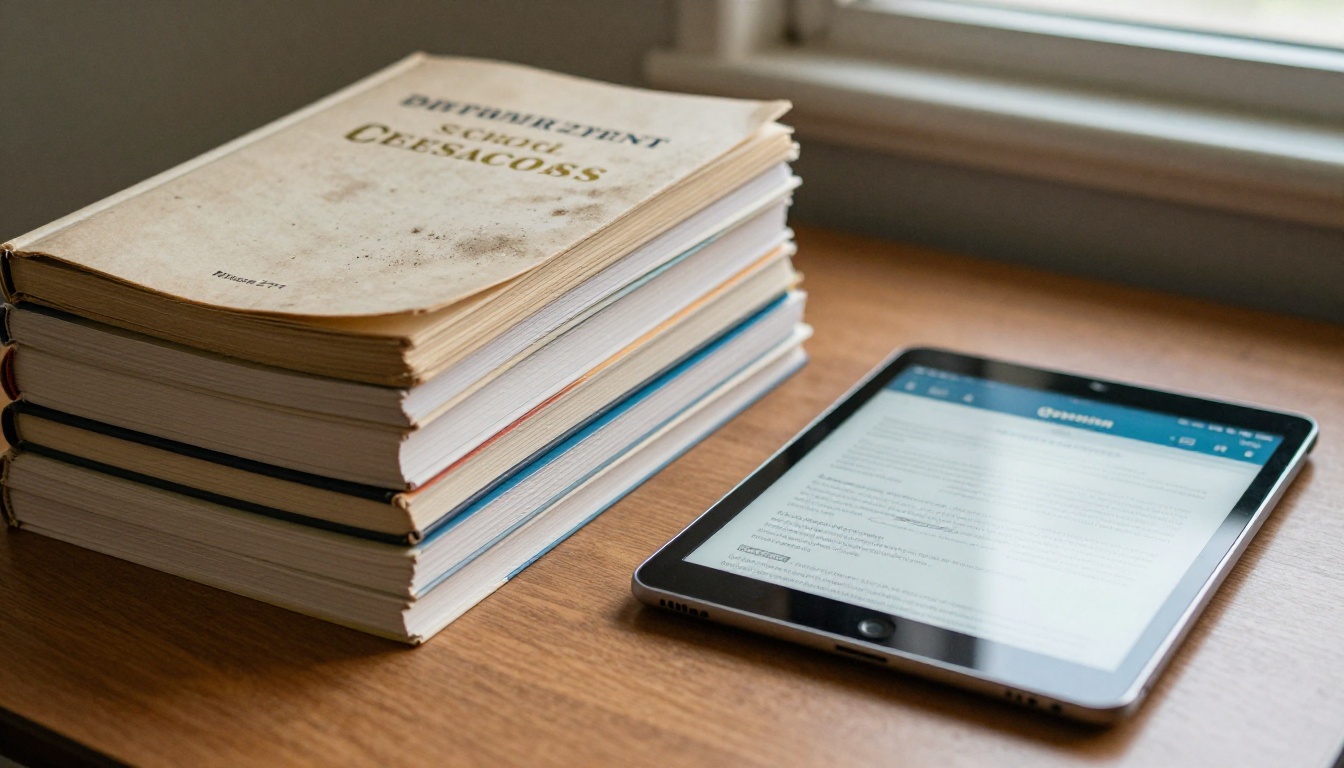
Printed yearbooks had their moment. For decades, they were the definitive artifact of school life, a heavy, glossy record of faces and memories that students carried home at the end of every academic year. But in 2027, that tradition is quietly becoming a liability. Schools are spending thousands of dollars on books that sit in closets, and students are increasingly asking why they can't just access everything on their phone. The answer is that they can, and platforms like Flipbooks AI are making it easier than ever to preserve school memories without the waste.
The Real Price of a Printed Yearbook
What Schools Actually Pay Per Copy
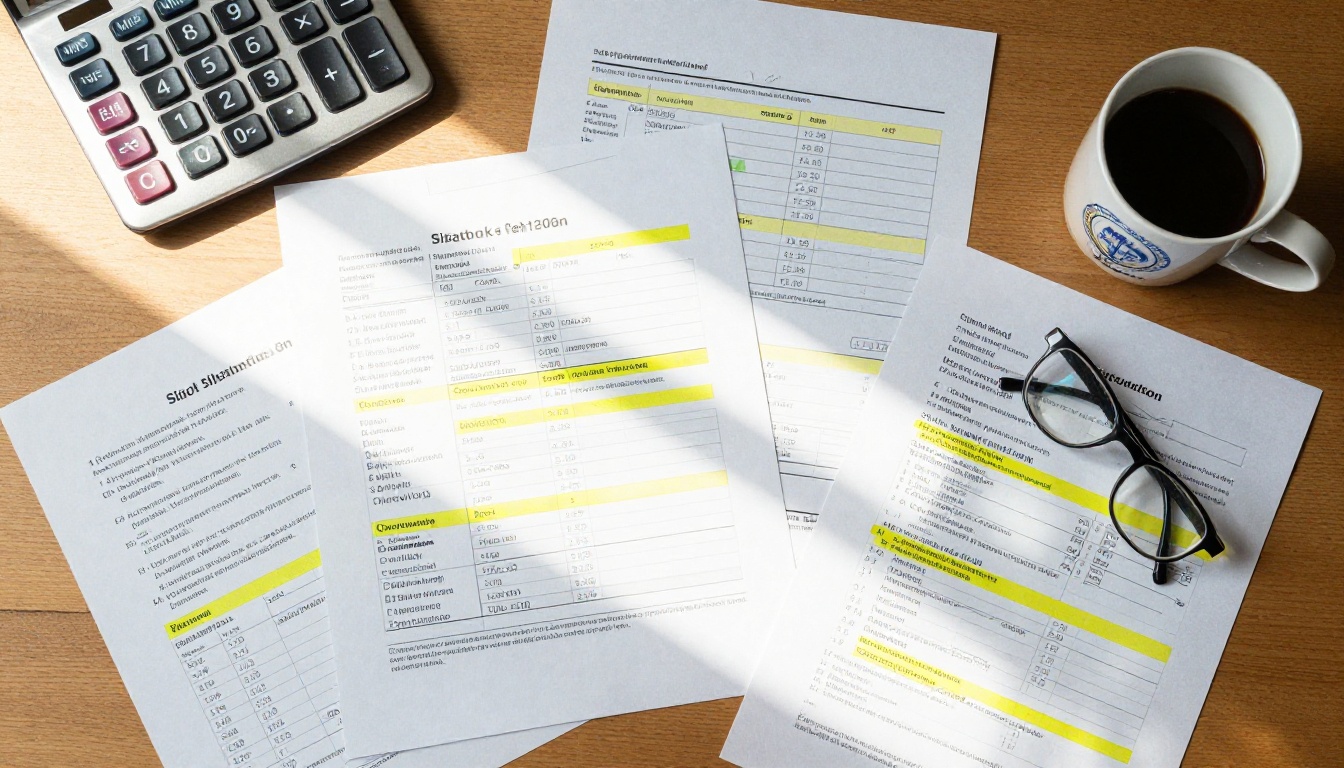
The numbers are more painful than most administrators realize. The average printed yearbook costs between $35 and $100 per copy depending on page count, binding quality, and order size. For a school of 500 students, that's anywhere from $17,500 to $50,000 in production costs alone, before accounting for staff time, design software subscriptions, and the inevitable reprints.
| Cost Item | Printed Yearbook | Digital Yearbook |
|---|
| Per-copy production | $35 to $100 | $0 |
| Design software | $200 to $800/year | Included |
| Reprints and corrections | $500 to $2,000 | $0 (instant edit) |
| Storage and distribution | $500 to $1,500 | $0 |
| Staff hours (design) | 80 to 200 hours | 40 to 80 hours |
| Total estimated | $20,000 to $55,000 | $300 to $1,200/year |
💡 Many schools that switch to digital yearbooks redirect the savings toward student programs, sports equipment, or classroom supplies.
Hidden Costs Nobody Talks About
The sticker price on a printed yearbook never tells the full story. Schools routinely underestimate:
- Overprint losses: Order 50 extra copies "just in case" and watch 40 of them gather dust in a storage room for years
- Late delivery fees: Rush printing charges when yearbook committees miss deadlines, which happens constantly
- Quality corrections: Discovering a typo or wrong photo after 500 copies are printed is expensive and embarrassing
- Storage space: Physical yearbooks require dedicated cabinet or shelf space that could be used for other purposes
- Alumni requests: Graduates who want a copy years later often can't get one because stock runs out
Digital Yearbooks Save Real Money
Switching to a digital format doesn't mean sacrificing quality. It means redirecting budget toward what actually matters: collecting great photos, writing compelling content, and giving students a product they'll actually use.
Flipbooks AI offers a Yearbook Flipbook Maker that converts any PDF design into a beautifully interactive digital publication. The platform handles all the technical complexity, so yearbook committees can stay focused on design and storytelling.
What the Pricing Actually Looks Like
| Plan | Price | Flipbooks | Features |
|---|
| Starter | Free | 1 | Basic flipbook, shareable link |
| Standard | ~$9/mo | Unlimited | No watermarks, custom branding |
| Professional | ~$19/mo | Unlimited | Analytics, lead gen, password protection, offline downloads |
✅ Standard plan and above include no watermarks and unlimited flipbooks, making it practical for schools that want to publish multiple yearbook editions or class-specific books.
The math is straightforward. A school spending $30,000 on printed yearbooks could run a Professional plan for 13+ years on the same budget.
The Environmental Case Is Hard to Ignore
Paper Waste by the Numbers
A single 200-page printed yearbook requires roughly 2.5 pounds of paper. For a school of 500 students, that's 1,250 pounds of paper for one edition. Multiply that across thousands of schools nationwide, and the environmental footprint becomes significant.

Beyond the paper itself, there's the full production chain to consider:
- Ink and chemicals: Commercial printing uses solvent-based inks that require careful disposal
- Transport emissions: Heavy print runs shipped from printing facilities add carbon to the supply chain
- Long-term waste: Yearbooks rarely get recycled because of mixed materials (glossy paper, adhesives, binding)
For schools that have adopted sustainability goals or Green certifications, continuing to produce large print runs of yearbooks is increasingly difficult to justify.
⚠️ Many school districts are now required to report on sustainability initiatives. Digital yearbooks are an easy, visible win with measurable impact.
What Students Actually Want
Shareable, Not Stashable
Ask any current high school student where they store their yearbook, and the honest answer is usually "somewhere in my room, I think." The printed yearbook's cultural role has quietly shifted. Students don't gather around books anymore. They share links.
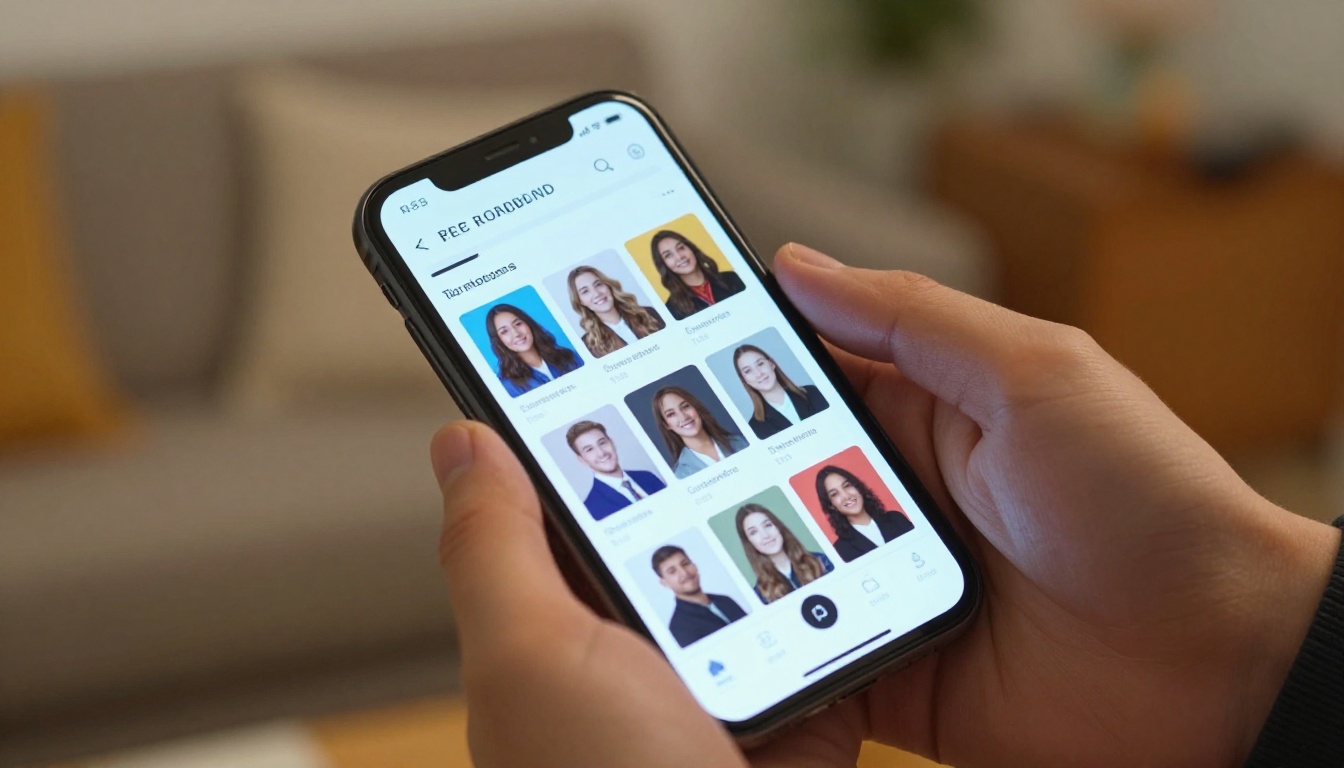
A digital yearbook solves the sharing problem completely:
- Send a link to grandparents who live across the country
- Share on social media with a single tap
- Access it on any device, anytime, without digging through boxes
- Receive it instantly on publication day rather than waiting weeks for delivery
Interactive Features Print Can't Match
This is where digital yearbooks become an entirely different product category, not just a cheaper version of what print offers.
| Feature | Printed Yearbook | Digital Yearbook |
|---|
| Embedded video clips | No | Yes |
| Clickable links | No | Yes |
| Audio messages | No | Yes |
| Full-text search | No | Yes |
| Password protection | No | Yes |
| Real-time updates | No | Yes |
| Analytics (who viewed it) | No | Yes |
| Offline access | Inherently | Yes (downloadable) |
| Accessible on phone | Awkward | Native |
| Lost or damaged copy | Gone forever | Always recoverable |
💡 With Flipbooks AI, yearbook committees can embed video highlights from graduation, sports events, and school plays directly into the publication. Print simply cannot compete with that.
How to Make a School Digital Yearbook with Flipbooks AI
The Yearbook Flipbook Maker on Flipbooks AI is specifically built for this use case. Here's exactly how schools are doing it.
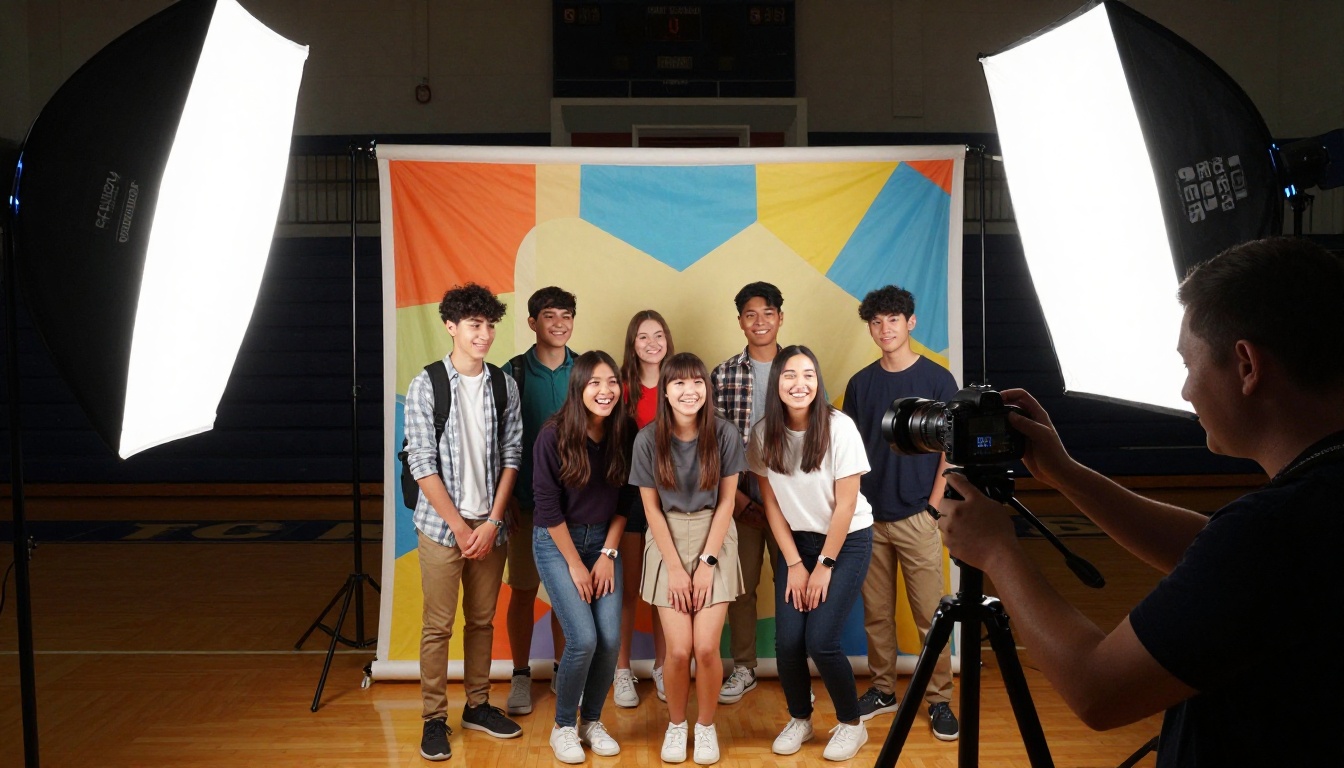
Step 1: Create Your Account
Go to flipbooksai.com/account and sign up. The process takes under two minutes. Schools with existing Google accounts can sign in directly. No credit card is required to start.
Step 2: Design Your Yearbook as a PDF
Use any design tool your yearbook committee already prefers: Canva, Adobe InDesign, Google Slides, or even PowerPoint. The only requirement is exporting the final design as a PDF. Flipbooks AI handles the rest with its PDF to Flipbook Converter.
Step 3: Upload and Convert
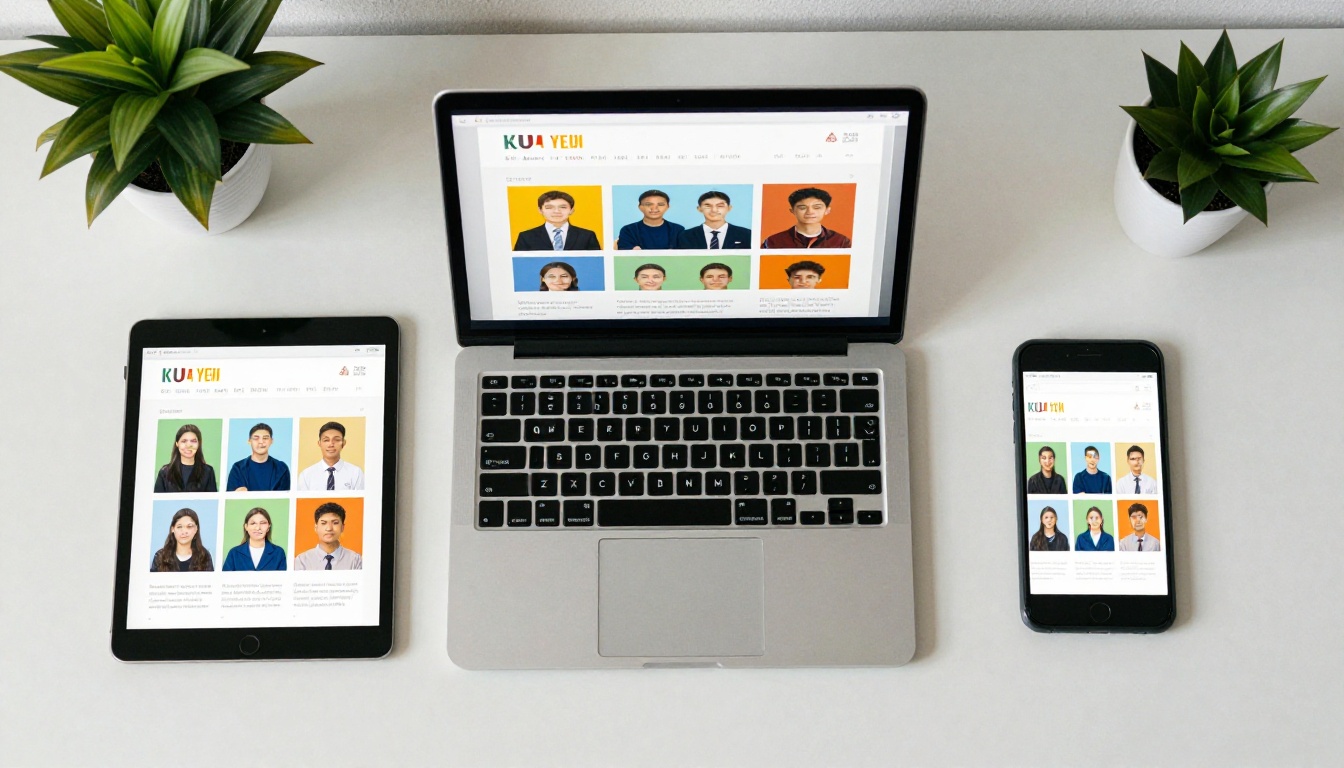
Upload your PDF directly to the platform. The conversion is automatic and takes only a few minutes even for large files. The result is an interactive flipbook with realistic page-turn effects, a table of contents, and mobile-responsive layout that works perfectly on any screen.
Step 4: Add Custom Branding
Apply your school's colors, upload the school logo, and customize the viewer interface. The Standard plan and above remove all Flipbooks AI branding entirely, so the final product looks like it was built in-house.
Step 5: Set Access Controls and Share
Before sending the link to students, decide on access settings:
- Public link: Anyone with the link can view it
- Password protected: Ideal for sending to students and families only (available on Professional plan)
- Embed on school website: Paste the embed code into your school's homepage or student portal
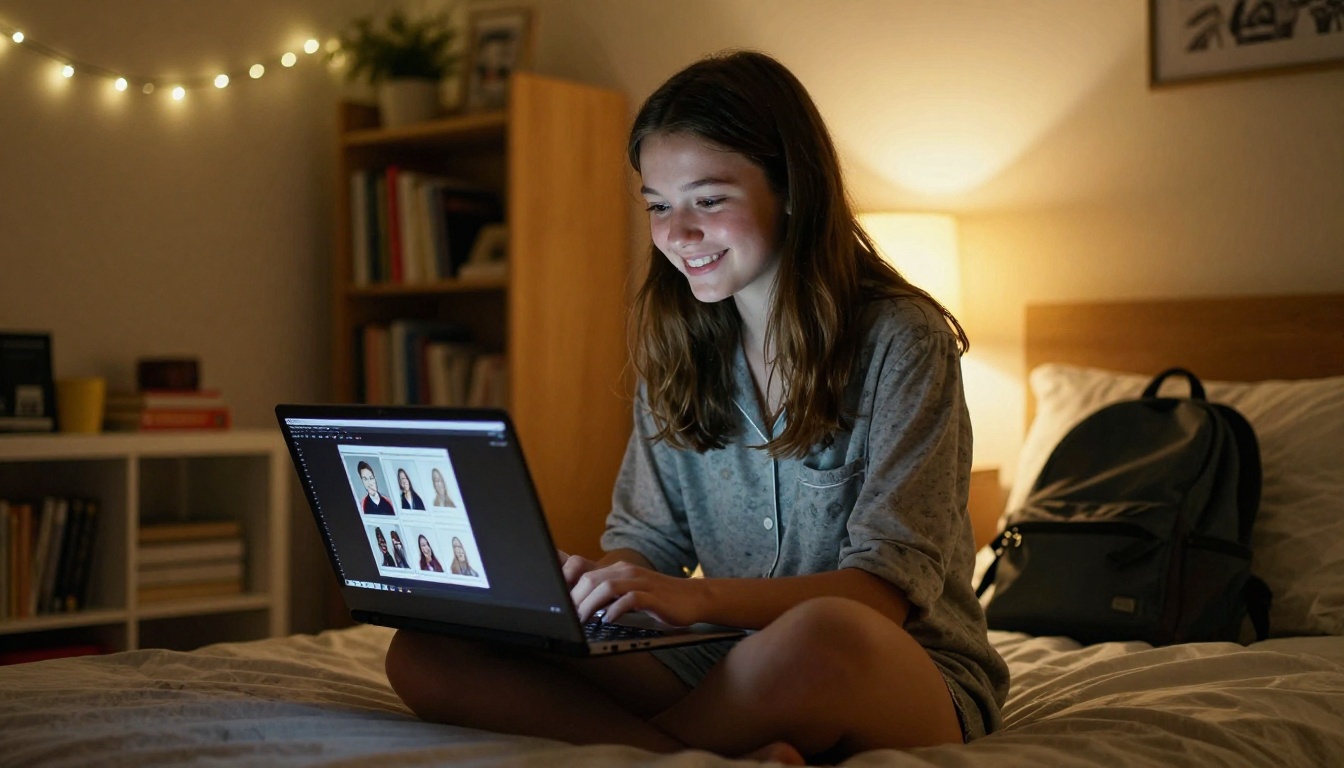
Step 6: Track Who's Reading It
With the Professional plan, yearbook administrators can see exactly how many students opened the yearbook, which pages they spent the most time on, and when peak viewing happens. That kind of data is completely unavailable with a printed edition.
Printed vs Digital: The Full Picture
| Category | Printed Yearbook | Digital Yearbook |
|---|
| Cost per student | $35 to $100 | Near zero after platform fee |
| Environmental impact | High (paper, ink, transport) | Minimal |
| Accessibility | Physical copy only | Any device, anywhere |
| Sharing options | Manual, very limited | Instant link sharing |
| Interactive content | None | Video, audio, clickable links |
| Corrections after publishing | Impossible | Instant |
| Longevity | Fades, yellows, gets lost | Permanent and recoverable |
| Alumni access | Stock-dependent | Permanent via link |
| Customization after release | Fixed at print time | Ongoing |
The Nostalgia Myth
Digital Memories Last Longer
One of the most common objections to digital yearbooks is that they lack the tactile nostalgia of a physical book. That's a fair feeling. But consider how yearbooks actually age.
Printed yearbooks yellow, crack at the spine, and eventually become fragile objects that most people are afraid to handle. Photos inside fade over decades. Ink bleeds through thin pages. The same yearbook that felt precious at graduation often falls apart by the time someone's children want to look at it.
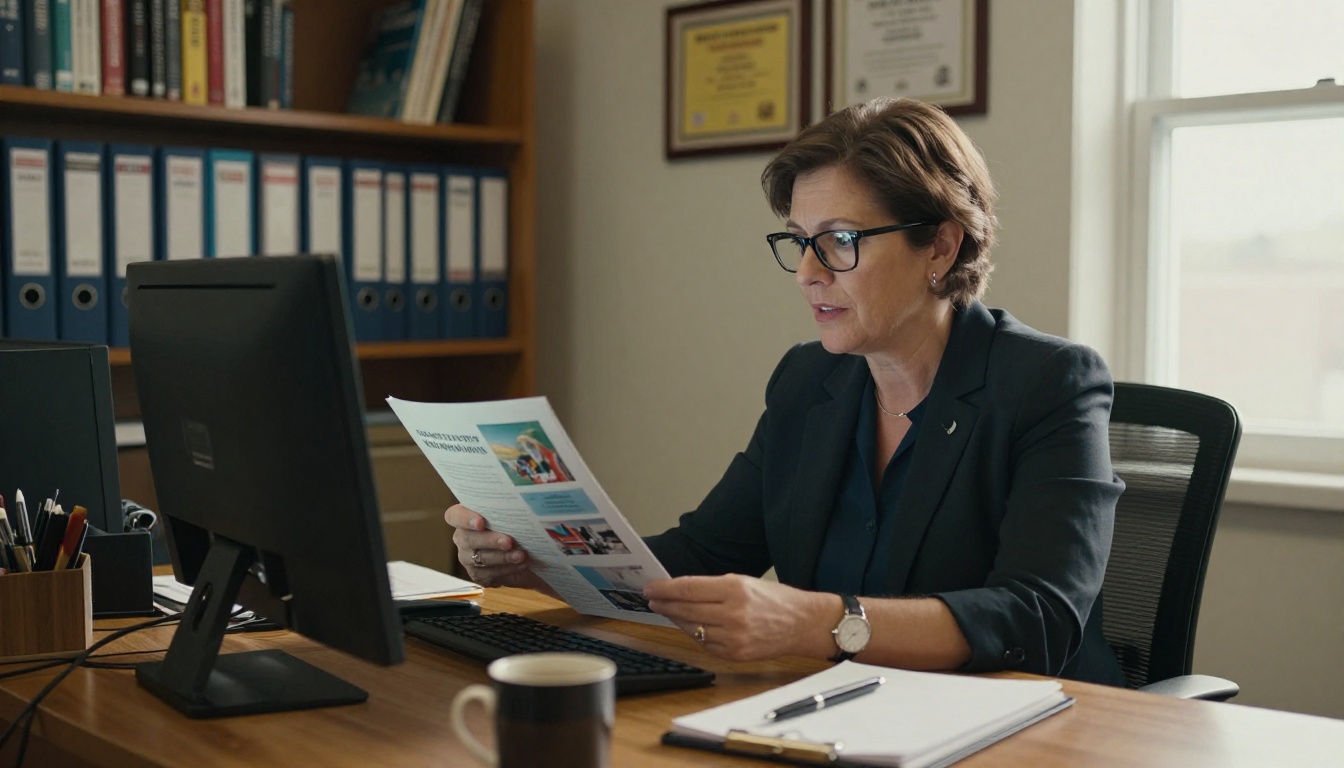
Digital yearbooks don't degrade. A yearbook published through Flipbooks AI today will look exactly the same in 30 years. The photos stay crisp. The videos still play. The links still work. That's not a compromise on nostalgia. That's nostalgia that actually survives.
✅ The School Newsletter Creator and Course Material Publisher tools on Flipbooks AI also let schools build a full ecosystem of digital publications that complement the yearbook throughout the year.
Schools Already Making the Switch
Real Adoption Numbers
Schools that have transitioned to digital yearbooks consistently report the same outcomes:
- Cost reduction: Average savings of 60 to 80% on annual yearbook production costs
- Higher participation: Students who couldn't afford printed copies now have full access
- Greater reach: Families in different cities or countries can view the yearbook without waiting for a physical shipment
The shift matters most for schools serving lower-income communities, where the $50 to $100 price tag on a printed yearbook often means many students simply don't get one. A digital yearbook eliminates that access barrier entirely.
A public middle school in Texas switched to digital yearbooks and reported 94% student access rates, compared to 61% when yearbooks were printed. The school saved over $20,000 in the first year alone.
Make the Switch This Year
Printed yearbooks are not going to disappear overnight. But the argument for keeping them as the only option becomes harder to defend every year. The costs are high, the environmental impact is real, and students are increasingly digital-native in how they consume and share content.
The better question is not whether schools should replace printed yearbooks. It's whether there's any reason to wait.
Create your school's first digital yearbook on Flipbooks AI today. The Yearbook Flipbook Maker is purpose-built for school yearbook teams of any size. Compare pricing plans to find the right fit for your school's budget, and see all available school publishing tools to build a full digital publication program your students will actually use.



