If you run a small shop, you have probably written that check before. $500. $1,200. Sometimes more. For a fresh batch of printed product catalogs that you genuinely believed would drive sales. Three months later, most of them are still sitting in a box in the back room. A handful made it to the counter. Two or three walked out the door with customers who never returned. The rest are going in the bin.
You are not alone. Small business owners across retail, hospitality, and trades spend an estimated $20 billion a year on print marketing in the US alone, and product catalogs account for a significant chunk of that. The painful truth is that most of it is waste. Not because the product was bad, or the design was off. The model itself is broken for businesses at the small shop scale.
Flipbooks AI exists precisely because this problem is solvable without a print run. But before we get to the fix, let us break down exactly where the money goes and why this keeps happening.
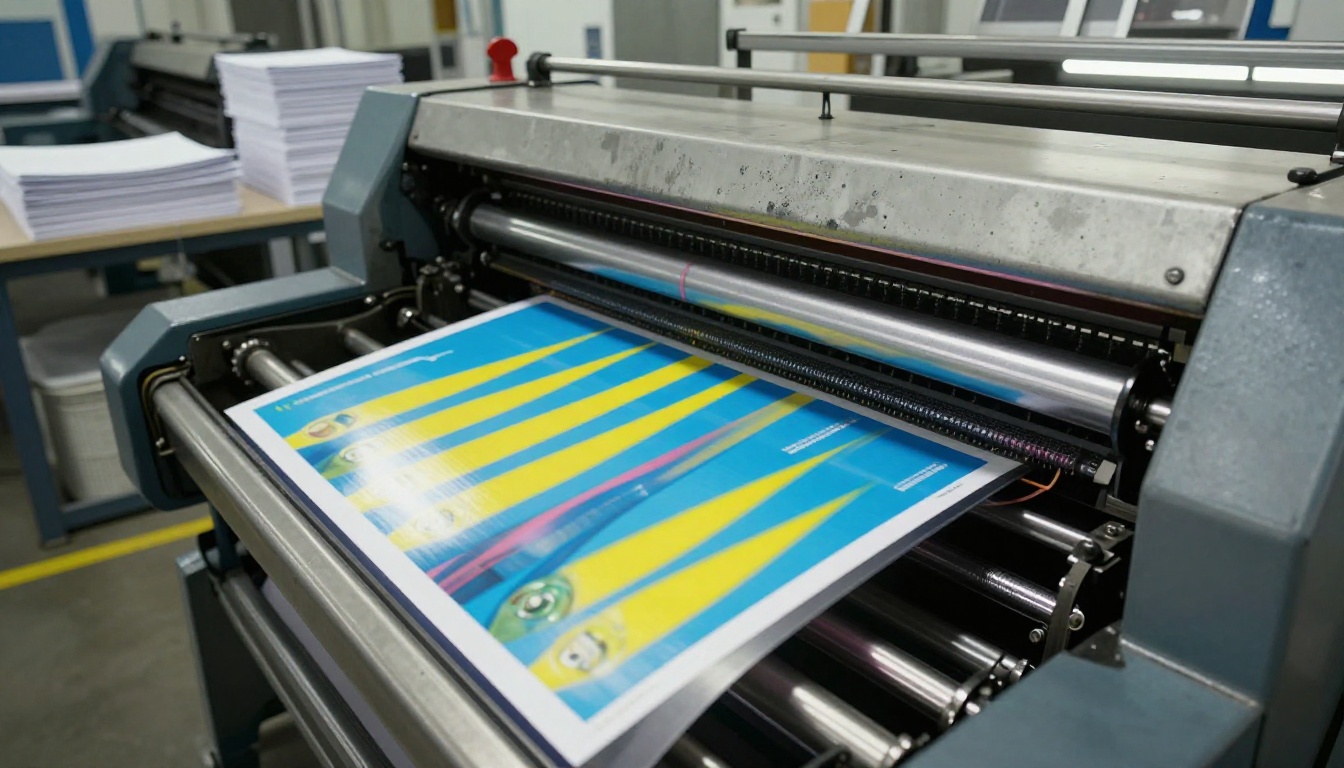
The True Cost of Printing a Product Catalog
Most shop owners underestimate the full cost of a print run. They get a quote from a local printer or an online service, see a per-unit price that seems reasonable, and sign off. But the final number almost always ends up higher, and the return almost always ends up lower.
Paper, Ink, and Setup Fees Add Up Fast
A basic 20-page glossy catalog with professional photography costs between $2 and $8 per copy to print, depending on paper weight, color coverage, and finish. Add a $200 to $400 design or setup fee if you are using a professional, plus a minimum print run of 250 to 500 copies (most printers will not go lower and keep it affordable per unit), and you are already looking at $700 to $4,500 before you have mailed or distributed a single copy.
That cost breakdown looks something like this:
| Cost Item | Low Estimate | High Estimate |
|---|
| Design / layout fee | $150 | $600 |
| Print setup fee | $75 | $250 |
| Per-unit print cost (500 copies) | $1.50 | $6.00 |
| Total print cost (500 copies) | $750 | $3,000 |
| Postage / distribution | $200 | $800 |
| Total campaign cost | $1,175 | $4,650 |
That is real money for a shop with tight margins.
Minimum Order Quantities Trap Small Shops
Here is the trap most small shops do not see until it is too late: print pricing scales with quantity. To get a unit price that makes economic sense, you have to order hundreds or thousands of copies. A boutique ordering 100 catalogs might pay $6 per copy. Order 500 and that drops to $2.50. Order 1,000 and it drops further.
So the built-in incentive is always to order more than you actually need. Ordering more than you need means you are paying for catalogs that will never reach a customer. The break-even math on small print runs is almost always punishing, and most shop owners feel the pain only after the bill arrives.
Outdated the Moment They Arrive
This is the silent killer of the printed catalog. A catalog takes weeks to design, proof, print, and deliver. By the time it is in your hands, something has already changed:
- A supplier raised their wholesale price, so your retail price is now wrong
- An item went out of stock during the production window
- You launched a promotion that is no longer valid
- You added a new product that is not in the catalog at all
A printed catalog is static by nature. It cannot be corrected after it goes to press. Every copy carrying an outdated price or a discontinued item creates a potential awkward conversation with a customer, or worse, a refund you were not planning for.
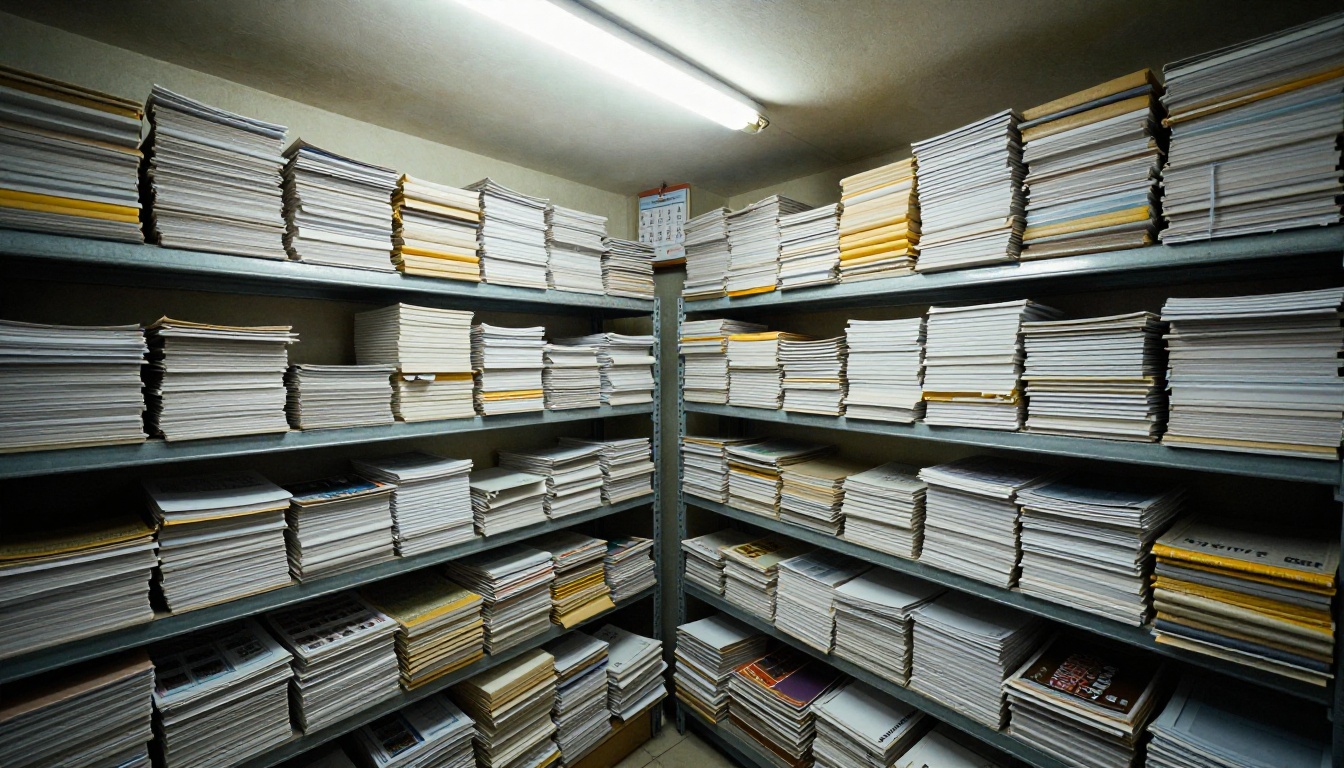
Where Printed Catalogs Actually Go
The distribution model for printed catalogs runs on optimism. You print them, hand them out, mail them, leave them on counters, and hope that a meaningful percentage of recipients actually read them, hold onto them, and buy something.
The data tells a different story.
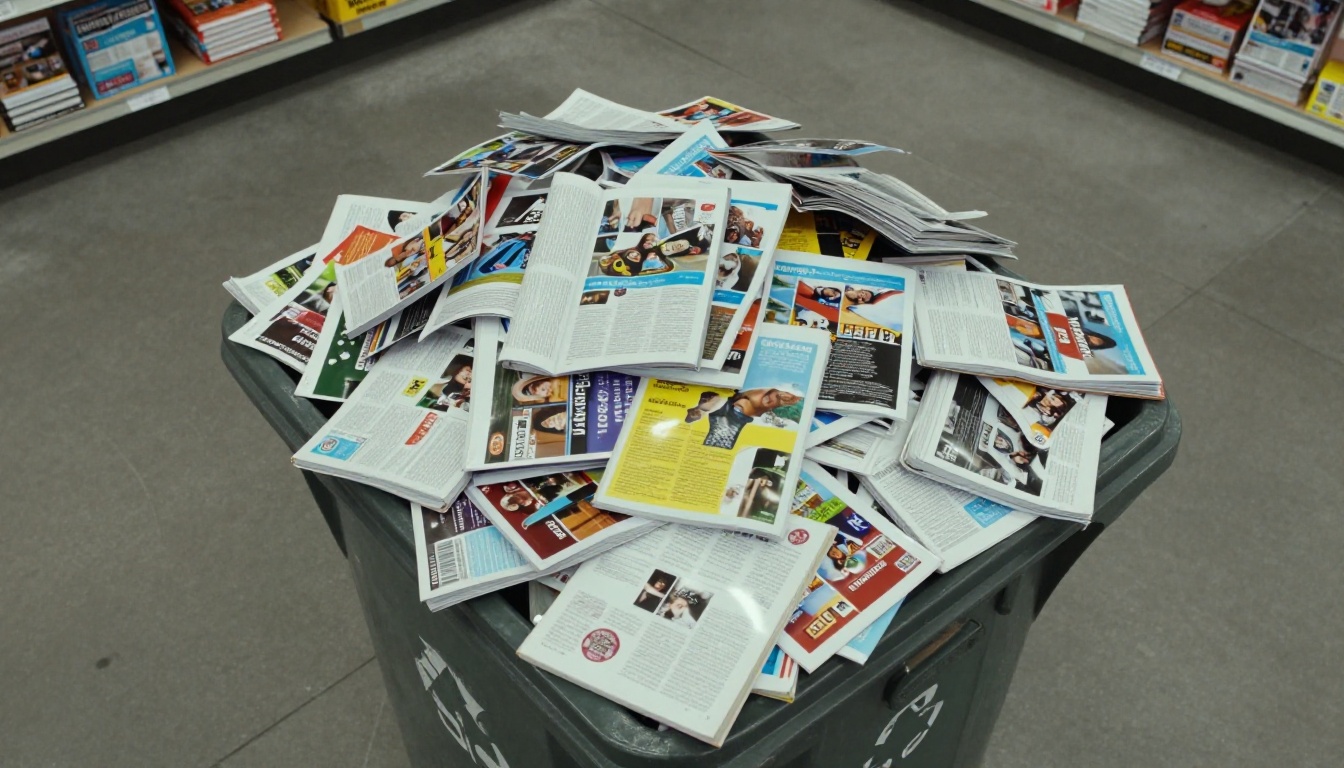
The Recycling Bin Rate
Research from the Data and Marketing Association found that physical direct mail, including catalogs, has an average response rate of around 4.4%. That means roughly 95 out of every 100 catalogs you print and distribute produce no measurable response. If you mailed 500 catalogs and spent $3,000 on the campaign, you need to generate $3,000 in net profit from just 22 customers to break even.
For most small shops running on margins of 30 to 50 percent, that requires those 22 customers to spend an average of $273 to $455 each on the back of receiving a catalog. Most do not.
Trade Shows and Events: A Costly Gamble
A lot of small shops produce catalogs specifically for trade shows or local markets. The logic sounds solid: people are there specifically to browse, so a physical catalog makes sense as a leave-behind. In practice, most trade show catalogs go into a tote bag that gets brought home and thrown out, unread.
If you have ever attended a trade show yourself, count how many catalogs you brought home and actually read. Most people cannot say more than one or two, and often not even that.
Mailing Lists That No Longer Work
Many small shops have a mailing list built over years of operation. Phone numbers and email addresses get updated when people move or change devices. Physical addresses do not. If you are mailing printed catalogs to an address list that is 18 months old or older, a significant percentage of your catalogs are going to the wrong address, to people who have moved on, or to households that have no interest in your products. Return-to-sender processing costs money and time you do not have.
Print vs. Digital Catalogs: A Direct Comparison
Here is a side-by-side look at what you actually get with each format:
| Feature | Printed Catalog | Digital Flipbook |
|---|
| Cost per update | $500 to $3,000+ (full reprint) | $0 (edit online instantly) |
| Distribution cost | High (postage, shipping) | $0 (share via link) |
| Tracking and analytics | None | Full (views, clicks, time on page) |
| Interactive content | None | Video, audio, embedded links |
| Mobile-friendly | No | Yes, fully responsive |
| Lead generation | None | Yes (Professional plan) |
| Password protection | No | Yes |
| Environmental impact | High (paper, ink, transport) | Minimal |
| Minimum quantity | 250 to 1,000+ copies | 1 |
| Turnaround time | 2 to 4 weeks | Same day |
The numbers do not require much interpretation. For a small shop operating with limited capital and tight margins, digital wins on almost every line.
5 Ways Small Shops Lose Money on Print Catalogs
1. Price Changes Require a Reprint
The moment a supplier changes their pricing, or you decide to adjust your own margins, your printed catalog becomes a liability. You either absorb the loss on incorrect pricing, handwrite corrections across existing copies (which looks unprofessional), or pay to reprint. None of those options are free. All of them are avoidable.

2. No Analytics, No Accountability
With a printed catalog, you have no way to know what happened after it left your hands. Did someone read it? Which pages got attention? Did they act on it? You are spending real money and getting zero data in return.
Digital catalogs built on platforms like Flipbooks AI return full analytics: who viewed your catalog, how long they spent on each page, what links they clicked, and where they dropped off. That data tells you which products are generating real interest, which allows you to stock smarter, price more confidently, and stop guessing about what is working.
3. No Sharing, No Word of Mouth
A printed catalog can only spread as fast as someone physically hands it to another person. That is not how referrals work today. A digital catalog link can be shared in a text message, a WhatsApp group, a social media post, or an email in two seconds. Every time a customer shares your catalog, your reach multiplies for free.
4. Zero Personalization Per Audience
A printed catalog shows every customer the exact same content. A digital catalog can be segmented. You can build a version for wholesale buyers. A version for seasonal promotions. A version focused on a specific product line for a specific audience segment. With Flipbooks AI, you can maintain multiple catalogs simultaneously and share different links with different audiences, all from a single subscription.
5. Storage Overhead That Adds Up
Where are your leftover catalogs right now? In a box under the counter. On a shelf in the back room eating up square footage. Physical inventory of unsold catalogs costs you in floor space, clutter, and the time it takes to manage it. A digital catalog exists in the cloud. It takes up no physical space and never becomes obsolete sitting in a box.
⚠️ If your last print run still has leftover copies after 60 days, you almost certainly over-ordered. The sunk cost of catalogs that never leave the box is one of the most under-reported expenses in small retail.
How to Switch from Print to Digital in 3 Steps
If you already have a catalog in PDF format, you can have a live, shareable digital flipbook running today. Here is how the process works:
Step 1: Upload Your PDF
Create a free account on Flipbooks AI and upload your existing PDF catalog. The platform converts it automatically into an interactive flipbook with a realistic page-turning effect and full mobile responsiveness. If you are starting from scratch, the Digital Catalog Maker and the Catalog Flipbook Creator both offer purpose-built templates that take the work out of layout.

Step 2: Customize Your Branding
Apply your logo, brand colors, and custom domain. Embed video clips on product pages if you want to show items in real use. Choose a page flip animation style, set a background color or image, and add a table of contents for longer catalogs. Most shop owners have their catalog fully branded and live within an hour, with no design experience required.
💡 The customization tools are visual and built for non-designers. If you can use a website builder, you can do this without any help.
Step 3: Share Everywhere and Track Results
Copy your flipbook link and paste it anywhere your customers are: your Instagram bio, your email newsletter, your Google Business profile, your WhatsApp customer group. Embed it directly on your website using the Embed Flipbook on Website tool. If you have wholesale or VIP customers, set a password to restrict access to that specific version.
Then watch the analytics dashboard. You will see page-by-page view data, total reads, average time on each page, and click-through rates on every link inside the catalog.
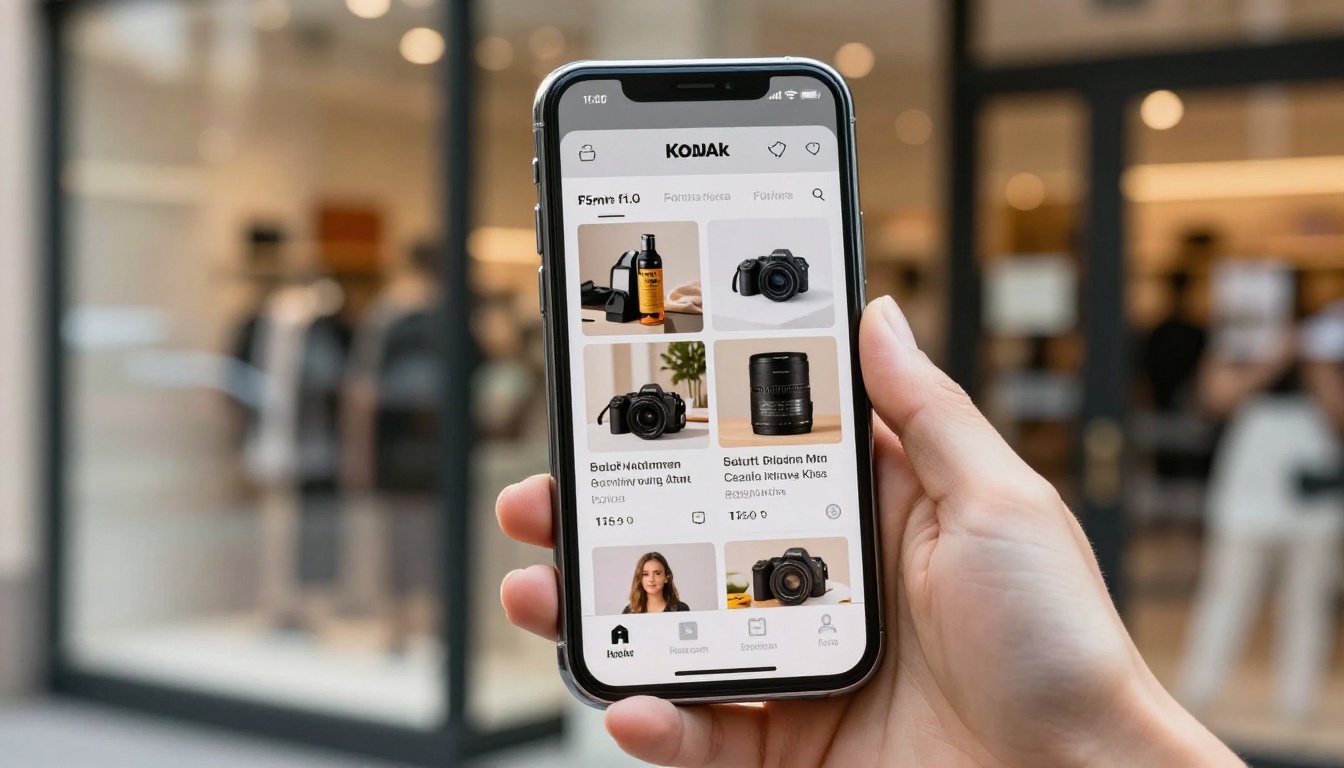
Real-World Scenarios: Small Shops Doing It Right
A Boutique Clothing Shop
Instead of spending $1,800 per season on lookbook printing, a clothing boutique can use the Interactive Lookbook Designer to create a new digital lookbook for every collection drop. Share it via Instagram Stories with a link. Update it mid-season when popular items sell out and new stock arrives. No reprints, no waste, no sunk costs on a catalog that goes stale by week three.

A Local Hardware Store
A hardware shop serving both retail customers and trade contractors can maintain two separate digital catalogs: one public version on their website with standard retail pricing, and one password-protected version for trade accounts with wholesale rates and bulk pricing tiers. No printing required for either version. Price changes go live in minutes, not weeks.
A Family-Run Gift Shop
A gift shop preparing for the holiday season can create a curated gift catalog using the Product Catalog Generator, embed it on their website homepage, and include the link in their email list. They can add new arrivals every week as stock comes in, keeping the catalog current throughout the entire season. Last year they spent $1,200 on 400 holiday catalogs that were outdated before December. This year, zero print spend.
✅ A digital catalog shared via email and social media often reaches more people in its first 24 hours than a printed catalog reaches across its entire lifespan.
What the Costs Actually Look Like Side by Side
Here is how Flipbooks AI pricing compares to typical annual print catalog spend for a small shop:
| Plan | Monthly Cost | Annual Cost | Features |
|---|
| Free | $0 | $0 | 1 flipbook, basic sharing |
| Standard | ~$19 | ~$228 | Unlimited flipbooks, no watermarks, custom branding |
| Professional | ~$49 | ~$588 | Analytics, lead generation, password protection, offline downloads |
| Typical print spend | $300 to $800/mo | $3,600 to $9,600/yr | Static, no updates, no tracking |
The math is not complicated. A single mid-range print catalog run costs more than a full year of the Professional plan, and that one run gives you nothing to measure, nothing to share virally, and no ability to change a single word after it goes to press.

Stop Paying for Catalogs That Do Not Work
The printed catalog did not fail because consumers stopped reading. It failed for small shops because the economics never actually worked at that scale. Large retailers with dedicated catalog departments, bulk printing contracts, and sophisticated mailing infrastructure could sometimes make the numbers pencil out. Small shops never had those advantages, and most still do not.
Every dollar you spend on a print run is gone the moment ink hits paper. You cannot measure what it does, update it when something changes, share it with a click, or redirect it when a product sells out. For a shop where every marketing dollar has to earn its place, that is not a strategy. It is an expensive habit that feels productive without producing much.
Digital catalogs built with Flipbooks AI give you everything a printed catalog promised, plus the things it could never deliver: real-time updates, shareable links that spread on their own, analytics that tell you what is actually working, and a cost structure that does not require a minimum order of 500 copies to justify.

Your next catalog does not need a print run. It needs a link.
Ready to stop spending on print? Get started for free on Flipbooks AI today. Browse all catalog tools to find the right fit for your shop, or compare plans to see what works for your budget.



