You have a pen, a sheet of paper and an evening. That is all a zine needs. The hard part is never the folding or the stapling. It is deciding what to put on the pages. This article gives you a dozen zine ideas for beginners, each one small enough to finish tonight, plus a way to share the result with the world through Flipbooks AI once you are happy with it.
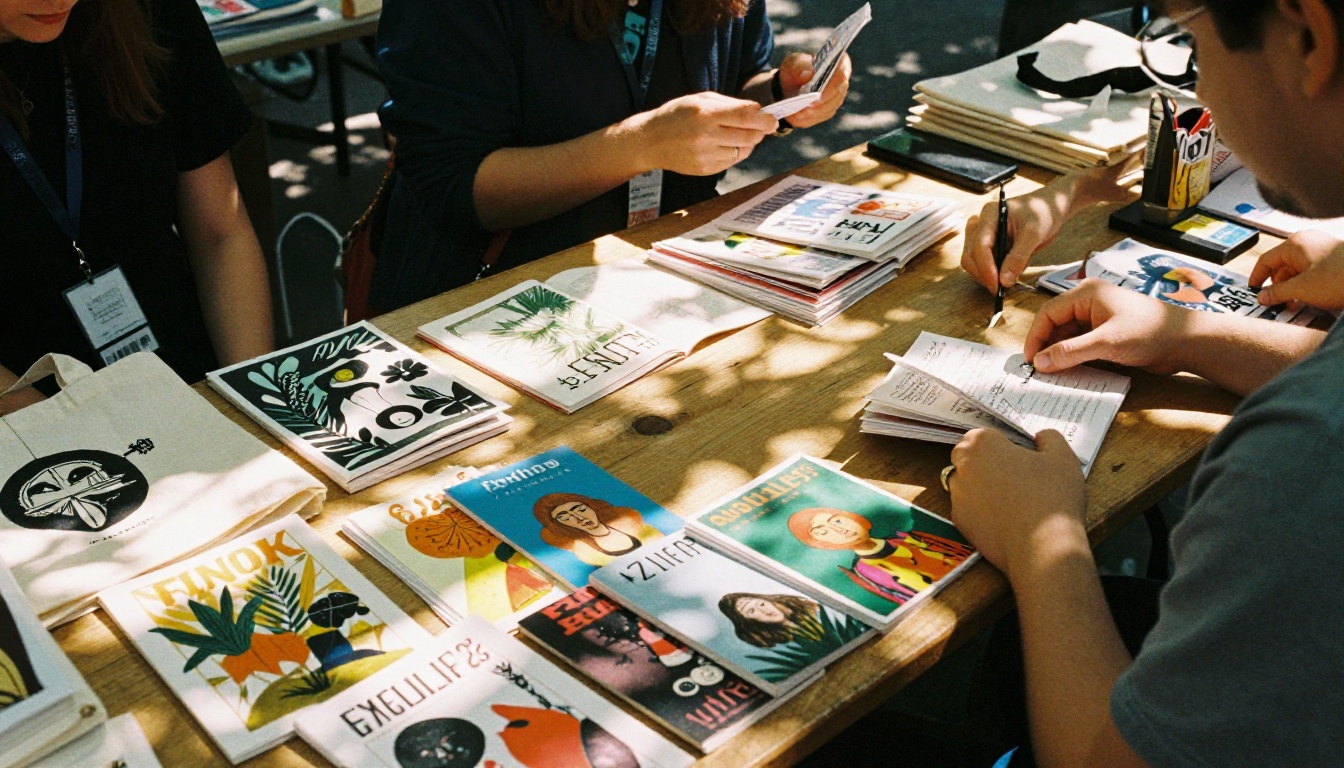
A zine (say it like "magazine" without the "maga") is a small, self-published booklet. It can be a comic, a photo series, a recipe collection or a rant about your neighborhood bakery. There are no editors, no rules and no minimum print run. One person with a photocopier can make a hundred of them. One person with a PDF can make a thousand.
💡 Pro tip: Your first zine should be bad on purpose. Give yourself permission to make something rough, small and fast. The second one will be better simply because the first one exists.
Why Start With Something Small
Most beginners fail because they plan a 40-page masterpiece and never finish page three. Small projects win for three reasons:
- Momentum. A finished 8-page zine feels better than an abandoned 40-page one.
- Low cost. One sheet of printer paper, one pair of scissors, zero software.
- Fast feedback. You find out what you enjoy making before you invest weeks.
The One-Sheet Method
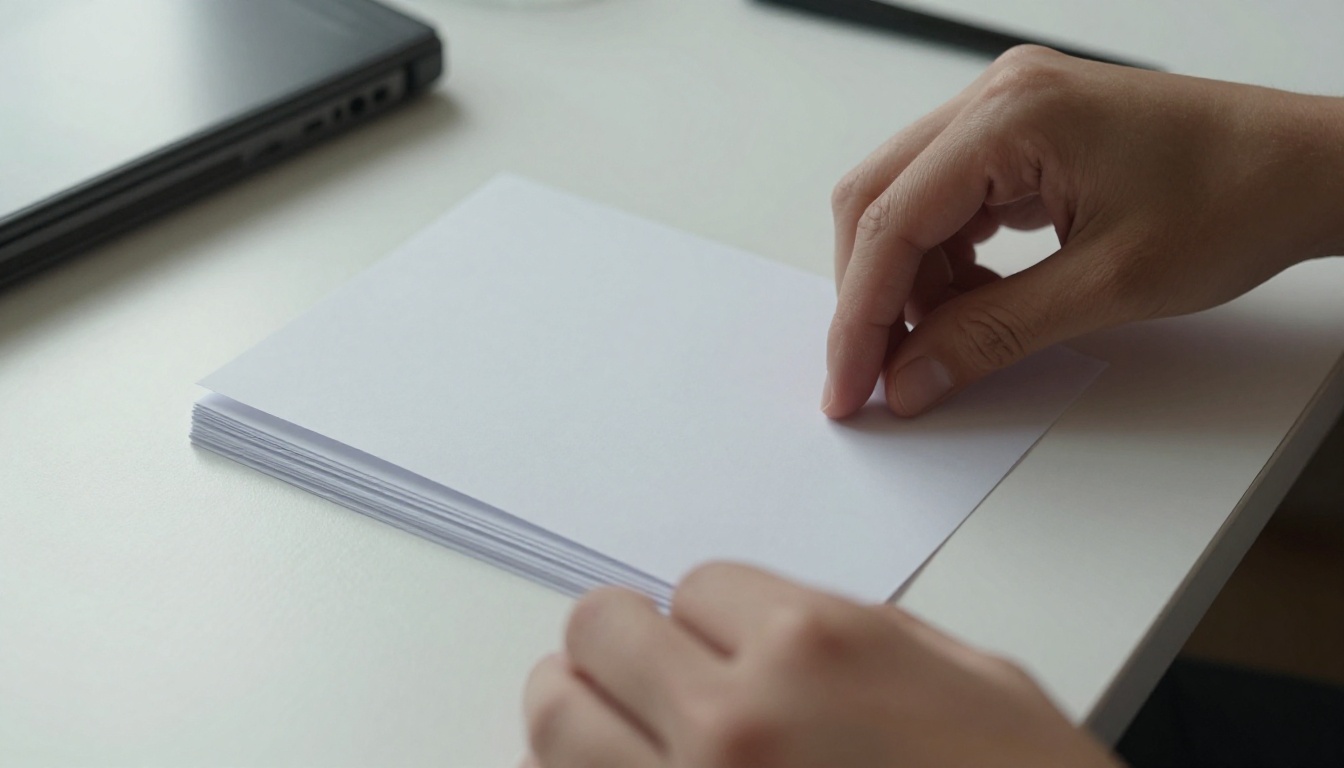
The classic beginner format uses a single sheet of paper and a single cut. Here is the process:
- Fold the sheet in half lengthwise, then open it.
- Fold it in half the other way, then fold that in half again. You should have eight rectangles.
- Open it fully and fold it in half so the short edges meet.
- Cut along the center fold, stopping at the middle crease.
- Open the sheet and push the two ends together so the cut forms a diamond shape.
- Fold the pages into a booklet. You now have eight pages, front and back cover included.
Page one is your title page, page eight is the back page, and the six pages between hold your content. Sketch the layout in pencil first, then commit with ink.
Choosing a Format
| Format | Pages | Time to Make | Best For |
|---|
| One-sheet mini zine | 8 | 1 to 2 hours | Total beginners, quick ideas |
| Half-letter booklet | 12 to 24 | 1 to 2 days | Comics, photo stories |
| Folded poster zine | 1 sheet, 8 panels | 2 to 3 hours | Maps, infographics, lists |
| Digital flipbook | Any | Same evening | Sharing online, portfolios |
Twelve Zine Ideas You Can Start Tonight
Pick one that makes you feel a little nervous. That tiny jolt usually means the topic matters to you.
1. A Day in Your Life
Document a single ordinary day, hour by hour. Wake-up coffee, the commute, lunch at your desk, the walk home. Each page covers one slice of the day. It is easy to write, because you already lived it.

2. Diary Comics
You do not need to draw well. Stick figures work. Four panels per page, one tiny event per panel: a funny conversation, a bad haircut, a small win. Diary comics are among the most popular personal zines because honesty beats polish.
3. A Photo Zine
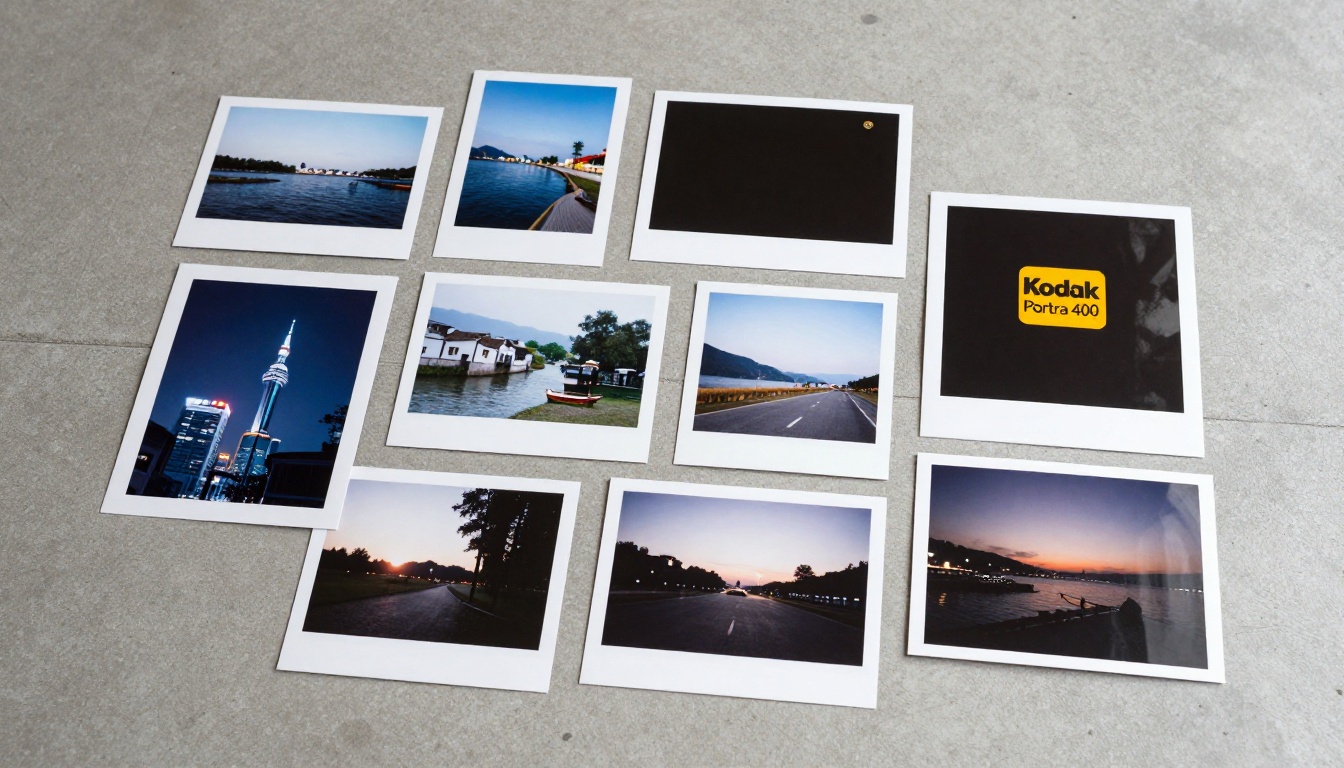
Choose ten photos around one theme, such as doorways, shadows at 5 p.m. or strangers' dogs. Print them small, glue them in and add one caption per page. A photo zine requires almost no writing, which makes it perfect for visual people.
4. A Recipe Zine
Write down five dishes you cook without thinking. Add the real measurements, the mistakes, the substitutions and who taught you. Recipe zines make great gifts, and a Recipe Book Flipbook lets relatives across the world flip through your grandmother's cooking on their phones.

5. A Neighborhood Map
Draw your street and mark the places that matter: the best bench, the cat that sits in the window, the shop that always smells like cinnamon. A folded poster zine is ideal here, since the map unfolds like a surprise.
6. A Travel Zine
Even a day trip counts. Collect ticket stubs, sketches, receipts and short notes. Instead of a polished travel blog, you get a scrapbook with personality. Pair it with a Travel Guide Flipbook if you want to share it with friends planning the same route.

7. A Pet Zine
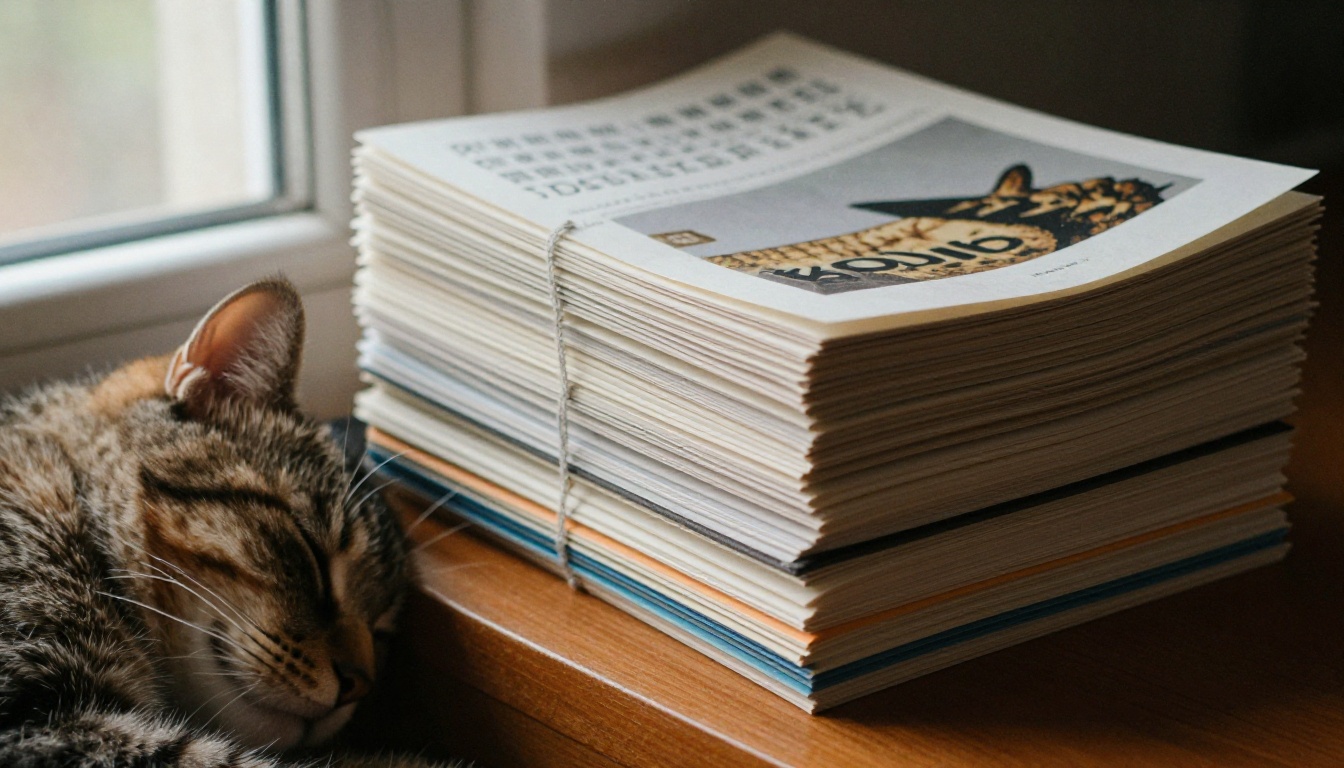
Your dog or cat is already the star of your camera roll. Give them a profile: favorite nap spots, bad habits, a list of words they definitely understand. People adore pet zines, and they are very easy to write.
8. A Collection Zine
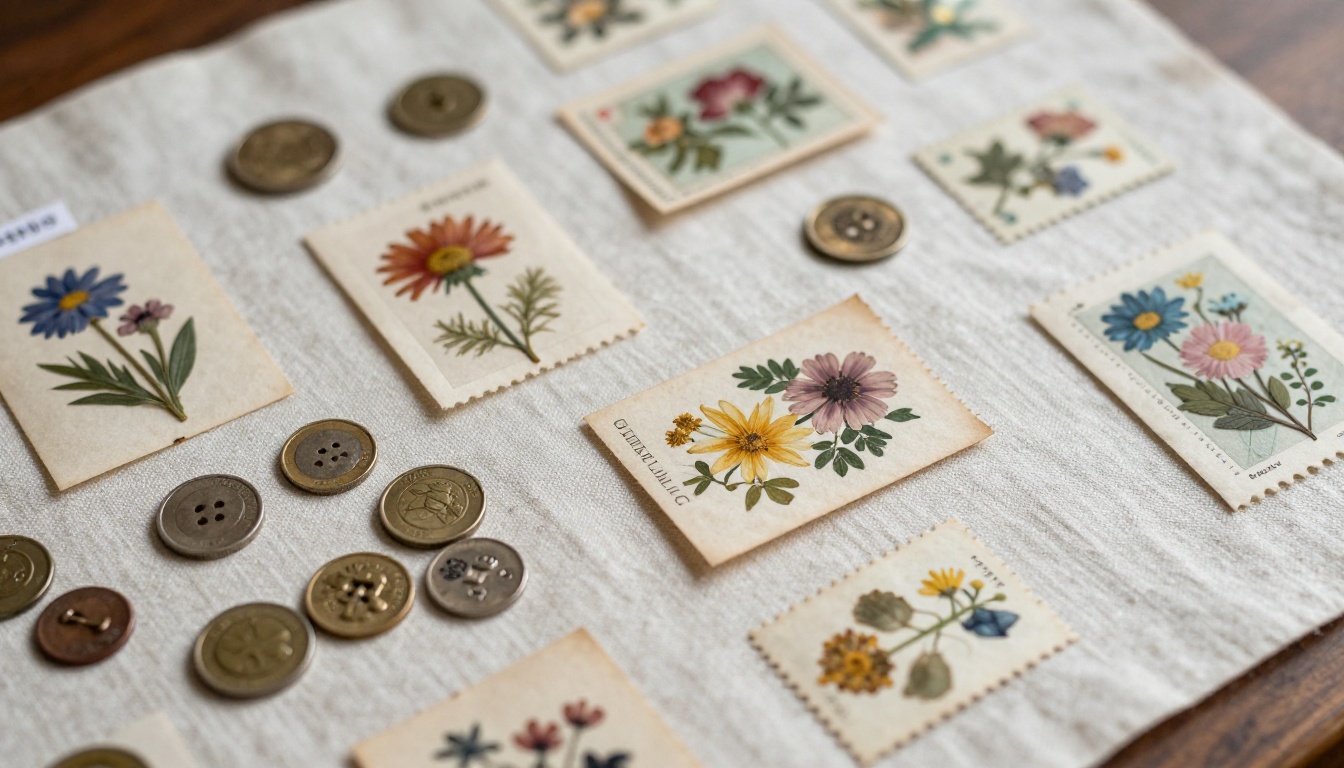
Buttons, stamps, pressed flowers, bus tickets, old coins. Photograph or tape them down, then write a sentence about where each one came from. Collections turn small objects into stories.
9. A How-To Zine
Teach one tiny skill: boiling the perfect egg, repotting a plant, folding a paper crane. Number the steps and use one drawing per step. Instructional zines are useful, and readers keep them.
10. A List Zine
Ten songs that got you through a hard year. Fifteen things to do on a rainy Sunday. Seven places to eat for under five dollars. Lists are the fastest structure there is, because each page is a single entry.
11. A Poetry or Short Writing Zine
One poem per page, or one tiny paragraph. White space makes short text feel important. If you have a notes app full of half-finished thoughts, this is a perfect home for them.
12. A Fan Zine
Love a band, a film, a game or a local sports team? Write about it. Fan zines were the original internet forums, and they remain one of the friendliest ways to find your people.
Quick Comparison of Zine Topics
| Topic | Writing Needed | Drawing Needed | Difficulty | Ideal Length |
|---|
| Day in your life | Medium | Low | Easy | 8 pages |
| Diary comics | Low | Medium | Easy | 8 to 12 pages |
| Photo zine | Low | None | Easy | 8 to 16 pages |
| Recipe zine | Medium | Low | Easy | 8 to 12 pages |
| Neighborhood map | Low | High | Medium | 1 poster sheet |
| Travel zine | Medium | Low | Medium | 12 pages |
| Pet zine | Medium | Low | Easy | 8 pages |
| Collection zine | Low | None | Easy | 8 pages |
| How-to zine | Medium | Medium | Medium | 8 pages |
| List zine | Low | None | Very easy | 8 pages |
| Poetry zine | High | None | Medium | 8 to 16 pages |
| Fan zine | High | Low | Medium | 12 to 24 pages |
✅ Best practice: If you are torn between two ideas, choose the one with fewer words and more pictures. It will be done sooner.
How to Pick Your Topic in Ten Minutes
Not sure which idea fits you? Try this quick exercise.
- Set a timer for ten minutes.
- Write down every topic you could talk about for an hour without notes.
- Circle the three that make you smile.
- Cross out any that need research you have not done.
- Pick the one that remains.
If you are still stuck, ask a friend what you always talk about. People are rarely aware of their own obsessions, but everyone around them knows exactly what they are.
Three Common Mistakes
- Starting too big. Eight pages is plenty. Resist the 32-page plan.
- Waiting for perfect skills. Wobbly lines have charm. Readers love hand-made flaws.
- Hiding the work. A zine nobody reads is a diary. Share it with at least five people.
Making It Tonight: A Simple Timeline
Here is a realistic evening schedule for your first zine.
| Time | Task |
|---|
| 0:00 to 0:10 | Choose your topic and write the title |
| 0:10 to 0:30 | Fold the sheet and number each page lightly in pencil |
| 0:30 to 1:15 | Draft text and sketches on scrap paper |
| 1:15 to 2:00 | Transfer your final version to the folded pages in ink |
| 2:00 to 2:15 | Add color, stickers or clippings |
| 2:15 to 2:30 | Photocopy or scan it |
⚠️ Warning: Do not erase in pen. If a line goes wrong, turn it into a doodle. Beginners lose hours trying to hide errors that readers never notice.
Supplies That Actually Matter
You can make a zine with almost nothing, but a few cheap items make life easier:
- A black fine-liner pen, because black ink photocopies and scans best.
- A glue stick for clippings and photos.
- A ruler and a bone folder or spoon for sharp creases.
- A long-arm stapler, or a needle and thread for saddle stitching.
- A magazine or two to cut up for collage.
Share Your Zine Online as a Flipbook
Paper zines travel slowly. A friend in another country may wait weeks, or never see yours at all. A digital version solves that, and it keeps the page-turning feel that makes zines special.
How to Create a Zine Flipbook With Flipbooks AI
If your feature fits the topic, this is the quickest route from scribbles to a shareable page-turner:
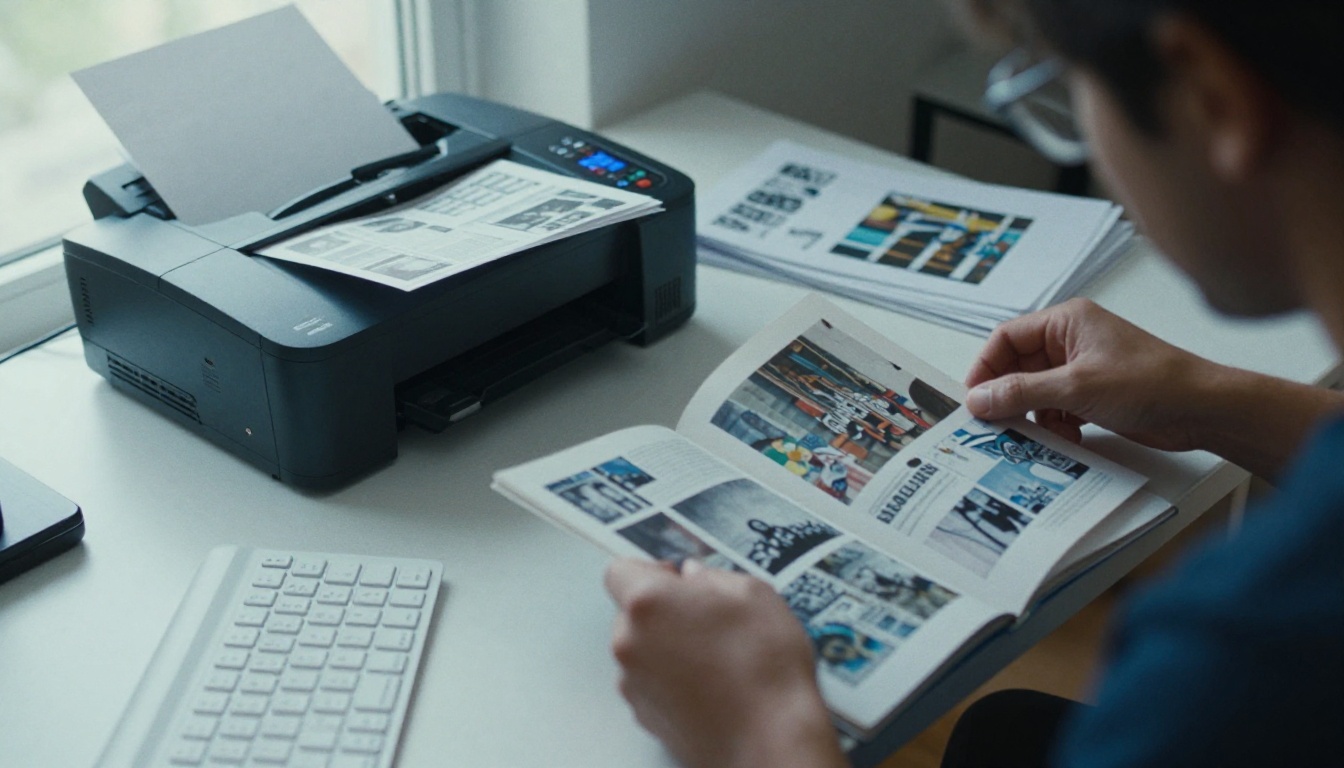
- Scan or photograph your pages. Use a phone in daylight, or a flatbed scanner at 300 dpi. Save everything as one PDF.
- Open Flipbooks AI and create an account. It is free to try.
- Upload your PDF. The PDF to Flipbook Converter turns it into a page-turning flipbook in moments.
- Customize it. Set your own colors, add custom branding, pick the page-flip effect and drop in audio or video. A soundtrack on a music zine works beautifully.
- Share it. Copy a direct link, or use the Embed Flipbook on Website tool to place it on your blog. Need privacy for a personal project? Turn on password protection.
There are no watermarks on your pages, and the result is mobile-responsive, so it reads well on a phone. If you plan to publish a whole series, the Magazine Flipbook Creator and E-Magazine Publishing Tool are built for repeating issues. Photographers can also try the Photography Portfolio option for photo zines.
Paper vs. Digital: What to Choose
| Feature | Paper Zine | Flipbook Zine |
|---|
| Cost per copy | Printing and paper | Free to share |
| Reach | Friends, local shops | Anyone with a link |
| Distribution speed | Days to weeks | Instant |
| Audio and video | No | Yes |
| Analytics | No | Yes, on the Professional plan |
| Offline copy | Naturally | Offline downloads available |
| Collectible feel | High | Medium |
Most zine makers pick both: paper for the table at a market, and a flipbook for everyone else. If you want reader statistics or lead capture, check the pricing plans to see what the Professional plan adds. The Standard plan and above offer unlimited flipbooks, which suits anyone who plans to publish a new zine every month.
💡 Pro tip: Put a QR code on the back page of your paper zine that links to the flipbook. Readers can then find your next issue the moment they finish the first.
Make It Look Good Without Design Skills
Beginners often assume that good-looking zines need design training. They do not. Three habits will carry you:
- Use one typeface. Handwriting or one clean font is enough. Mixing five fonts looks messy rather than punk.
- Leave margins. Keep a thumb-width of empty space around the edge, because photocopiers clip pages.
- Repeat one element. A small border, a recurring doodle or a color stripe gives the whole zine a style.
For image-heavy projects, try keeping your photos at the same crop size. For text-heavy ones, break the text into short blocks of three or four lines. Both choices help readers move through the pages quickly.
Where to Go After Your First One
Once the first zine is done, you have options:
- Make a second issue on the same theme and number them.
- Trade zines with other makers by mail or at local swaps.
- Gather several mini zines into one longer collection.
- Turn your best pages into a portfolio, using the Digital Portfolio Creator.
- Publish a regular newsletter-style issue with the Newsletter Flipbook Publisher.
Your Next Step Is One Folded Sheet
You now have twelve topics, a folding method, a timeline and a way to share what you make. Pick the topic that excites you most, grab one sheet of paper and begin before the evening ends.
Ready to put your first zine online? Get started for free on Flipbooks AI, browse all available flipbook tools, and compare pricing plans when you are ready to publish more.



