You probably have a PDF reader already, and there is a good chance it is the wrong one. Maybe it takes ten seconds to open a two-page invoice. Maybe it nags you to subscribe every time you want to sign a form. This comparison looks at the best free PDF reader on each major platform, with honest notes on what stays free and what quietly moves behind a paywall. And if your real goal is sharing a document that people actually enjoy reading, we will also look at how a tool like Flipbooks AI turns a flat PDF into a page-turning experience.
Short answer: there is no single winner. The best free reader depends on your device, your documents and how much marking up you do. Let's sort it out.
What a Good Free Reader Needs
Before ranking anything, it helps to agree on what "good" means. A PDF reader is one of the most used apps on any device, so small annoyances add up fast.
Speed and Stability
A reader should open a file almost instantly and scroll without stutter, even on a 300-page scanned report. Heavy readers that load plug-ins, cloud panels and promotional banners feel slow on older laptops. Light readers feel snappy but may skip features like form filling.
Look for these basics:
- Fast cold start, ideally under three seconds on a normal laptop.
- Smooth zoom and scroll on large, image-heavy files.
- Reliable text search that finds words inside scanned pages when OCR is present.
- Low memory use, so your browser and email stay responsive.
Annotation Without a Paywall
Highlighting, underlining, sticky notes and freehand drawing are the features most people really want. The surprise is how often they are free. Editing existing text, merging files, exporting to Word and OCR are the features most often held back for paying users.
💡 Pro tip: Test the free tier with a real file before you commit. Open a document you actually use, add a highlight, a note and a signature, then save and reopen it on a second device. If any step fails, move on.
Quick Comparison of Top Picks
Here is the overview. Availability reflects what these apps have offered for years, but vendors change plans often, so check the current feature list on each store page before you install.
| Reader | Windows | Mac | Android | iPhone | Free annotation | Best for |
|---|
| Adobe Acrobat Reader | ✅ | ✅ | ✅ | ✅ | Yes | Forms, signatures, compatibility |
| Foxit PDF Reader | ✅ | ✅ | ✅ | ✅ | Yes | Lighter feel, team comments |
| SumatraPDF | ✅ | ❌ | ❌ | ❌ | Basic | Speed on older PCs |
| Microsoft Edge | ✅ | ✅ | ✅ | ✅ | Yes | Zero install, reading aloud |
| Apple Preview | ❌ | ✅ | ❌ | ❌ | Yes | Quick markup and signatures |
| Files and Books (Apple) | ❌ | ❌ | ❌ | ✅ | Yes | Built-in iPhone reading |
| Xodo | ✅ | ❌ | ✅ | ✅ | Yes | Free mobile annotation |
| Google Drive viewer | Web | Web | ✅ | ✅ | Light | Quick previews and sharing |
The pattern is clear. Cross-platform apps win on consistency, while built-in apps win on convenience. Your best setup is often one of each.
Best Picks for Windows
Windows has the widest choice, which is both good news and a trap. Plenty of free readers ship with bundled offers, so download only from the official site or the Microsoft Store.
Adobe Acrobat Reader
The default choice for a reason. Adobe Acrobat Reader opens nearly every PDF variant, including tricky forms, portfolios and files with embedded media. Commenting, highlighting, filling forms and adding a signature are free. Editing text, organizing pages and converting to Office formats require a paid plan.
Pros:
- Most reliable rendering of complex layouts.
- Strong form filling and signature tools.
- Available on all four platforms with a familiar interface.
Cons:
- Heavier than most rivals.
- Frequent prompts to try paid features.
SumatraPDF
If your laptop is five years old and feels it, try SumatraPDF. It is a tiny, open source reader for Windows that launches almost instantly. It also opens ePub, MOBI and comic formats, and a portable version runs from a USB stick without installation.
The trade-off is features. Annotation support is basic compared with Acrobat, and there is no cloud sync or form wizard. Think of it as the reader for people who mostly read.
Microsoft Edge
You may not need to install anything. Microsoft Edge opens PDFs in a tab, lets you highlight, draw, add text notes and even read the document aloud. For quick reviews of contracts or class handouts, that is often enough. Heavy form work still goes smoother in a dedicated reader.
⚠️ Warning: Never install a PDF reader from a random search ad. Fake "free PDF" installers are a common way to spread unwanted software. Stick to official sites and store listings.
Best Picks for Mac
Mac users are lucky: the best free option is already installed.

Preview
Apple Preview is fast, quiet and surprisingly capable. Its markup toolbar handles highlights, shapes, text boxes and notes. You can create a signature with your trackpad or camera, rearrange pages by dragging thumbnails, and combine two files into one. For most people, that covers about 90 percent of daily PDF tasks at no cost.
Where it falls short: complicated interactive forms sometimes behave oddly, and comment threads are not as polished as in Acrobat.
Adobe and Foxit on Mac
When a client sends a fillable form that Preview cannot handle, bring in Adobe Acrobat Reader or Foxit PDF Reader. Foxit tends to feel lighter and offers shared review features, while Adobe is the safer pick for strict compatibility.
A practical rule: keep Preview as your default, and install one extra reader only for troublesome files.
Android and iPhone Picks
Phones are where most of us now open PDFs, from boarding passes to receipts to menus. Readers here must be quick, readable on a small screen and gentle on battery.
Android: Drive and Xodo
Most Android phones open PDFs through the Google Drive viewer or a built-in app. It is great for previews, searching and sharing, but annotation is light. For serious marking up, Xodo is a favorite because highlighting, freehand notes and shape tools are free, and it also runs on Windows and iPhone. Adobe Acrobat Reader and Foxit are solid alternatives if you want one app across every device.
Quick Android tips:
- Turn on night or dark reading mode for evening use.
- Use continuous scroll for long reports and single page mode for slides.
- Save frequently used files for offline use before you travel.
iPhone: Files and Books
The iPhone has two good readers built in. The Files app previews any PDF and includes a Markup tool for drawing, highlighting and signing. Apple Books opens PDFs too, keeps them in your library and syncs across Apple devices through iCloud. Between them, many people never install another app.
Third-Party iPhone Readers
If Markup feels basic, Adobe Acrobat Reader, Foxit and Xodo all offer free iPhone apps with richer annotation. Choose the one that matches your other devices so your habits carry over. Anyone who handles a lot of paperwork on a phone will appreciate fast form filling and a saved signature.
✅ Best practice: Pick one primary reader and use it everywhere you can. Switching apps between laptop and phone means relearning menus and sometimes losing annotations that do not display the same way.
Which Reader Fits Your Job
Different work calls for different tools. This table matches common situations with the strongest free choice.
| Your situation | Best free pick | Why it works |
|---|
| Students reading and highlighting papers | Xodo or Preview | Free highlights and notes on every device |
| Remote workers signing contracts | Adobe Acrobat Reader | Reliable signature and form tools |
| Older Windows laptop | SumatraPDF | Tiny footprint, instant launch |
| Quick review in a browser | Microsoft Edge | No install, built-in drawing and read aloud |
| Mac user with light needs | Preview | Already installed, solid markup |
| iPhone user on the move | Files and Books | Built in and synced via iCloud |
| Team reviewing the same file | Foxit or Acrobat Reader | Shared comments and consistent display |
Real-World Examples
- A graduate student reads thirty papers a week. Xodo on the phone and Preview on the Mac keep highlights consistent, and a folder per course keeps things tidy.
- A freelance designer receives contracts on the go. Acrobat Reader on the phone lets them fill, sign and return within minutes.
- A small office with aging desktops standardizes on SumatraPDF for reading and keeps one Acrobat install for forms.

What Free Usually Means
Free readers tend to follow the same pattern, so you can predict where limits appear.
| Feature | Usually free | Usually paid |
|---|
| Open, search, zoom | ✅ | |
| Highlight, underline, notes | ✅ | |
| Fill forms and sign | ✅ | |
| Edit existing text | | ✅ |
| Merge, split, reorder pages | Sometimes | ✅ |
| Convert to Word or Excel | | ✅ |
| OCR on scanned pages | | ✅ |
| Password protect and redact | | ✅ |
If you rely on any paid row every week, a subscription may be worth it. If you only need the top half, stay free.
Here is the part most reader reviews skip. A PDF is built for printing, not for screens. Pinch, zoom, scroll sideways, repeat. That is fine for an invoice, but it is a poor experience for a product catalog, a restaurant menu, a magazine or a sales deck you want customers to actually finish.
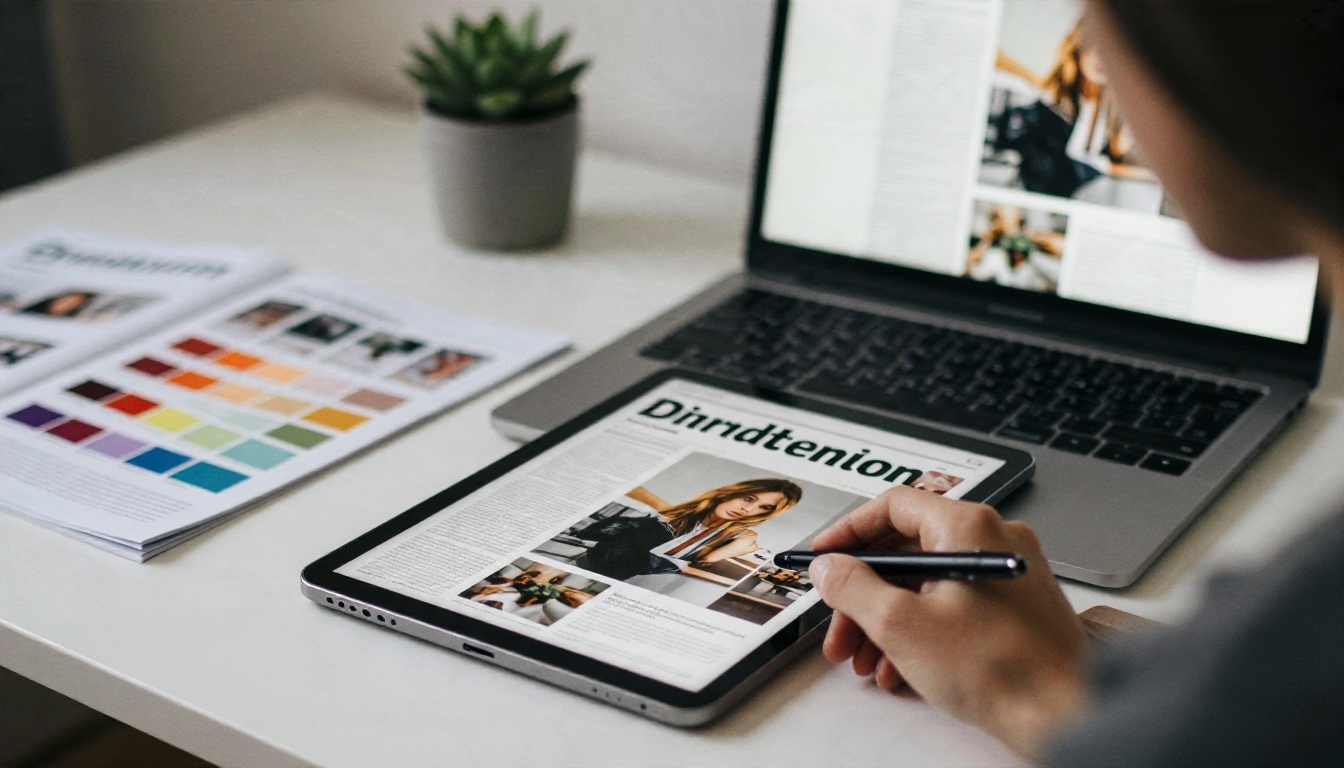
A flipbook keeps your original design but adds realistic page turns, quick loading, responsive display on phones and shareable links. Readers do not need to install any PDF app at all.
| Plain PDF | Flipbook |
|---|
| Reading experience on phones | Pinch and zoom | Mobile-responsive pages |
| Needs a reader app | Often | No, opens in any browser |
| Page-turn effect | No | Yes |
| Embed on a website | Awkward | Simple embed code |
| Track who reads it | No | Analytics on Professional plan |
| Password protection | Needs paid tools | Built in |
| Add video and audio | Limited | Supported |
How to Create a Flipbook from a PDF
The PDF to Flipbook Converter makes the switch in a few minutes. Here is the full process.
- Open your account. Go to Flipbooks AI and sign up. You can try it before paying, and the platform adds no watermarks, ever.
- Upload your PDF. Drag the file into the uploader. The pages are converted automatically, and your layout, fonts and images stay sharp.
- Customize the look. Add your logo, pick brand colors, choose a background and tune the page-flip effect. You can also embed videos and audio on any page.
- Choose your sharing method. Copy a direct link, or use the Embed Flipbook on Website option to paste a snippet into your site. Turn on password protection if the content is private.
- Use the Pro features. The Professional plan adds analytics, lead generation forms and offline downloads, so you can see who opens your flipbook and let selected readers keep a copy. Compare options on the pricing page.

💡 Pro tip: Keep sending contracts, forms and anything needing a signature as regular PDFs. Use flipbooks for material meant to be read, browsed and shared widely.
Where Flipbooks Beat PDFs
Match the content to a purpose-built tool:
You can browse every option in the tools directory.
Pick Yours Today
Here is the quick version of the rankings:
- Windows: Adobe Acrobat Reader for features, SumatraPDF for speed, Edge for zero setup.
- Mac: Preview first, then Adobe or Foxit for stubborn forms.
- Android: Xodo or Acrobat Reader for markup, Drive for previews.
- iPhone: Files and Books for simplicity, Acrobat Reader or Xodo for extra tools.
- Sharing to an audience: a flipbook beats a PDF almost every time.
Test your top choice with a real document this week. If it opens fast, saves your notes and syncs the way you expect, keep it. If not, switch without guilt, because every option here is free.
Ready to turn your next PDF into something people actually finish reading? Get started for free on Flipbooks AI, compare pricing plans to see what Professional adds, or browse the full set of flipbook tools and templates to find the right fit for your project.



